
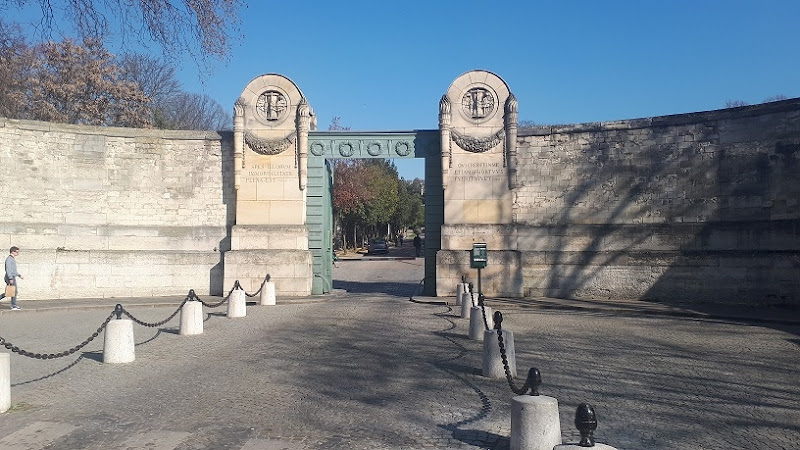
Cimetière du Père-Lachaise
About Cimetière du Père-Lachaise
Description
Cimetière du Père-Lachaise is not your typical tourist stop, and that’s exactly why it’s worth your time. It’s a sprawling, tree-lined necropolis that feels more like an open-air museum than a cemetery. You wander through cobblestoned paths, past weathered mausoleums and sculpted angels, and you start to feel the stories of those who rest here whispering through the leaves. There’s something strangely peaceful about it, even if you’re not usually the type to spend an afternoon among tombstones.
The cemetery stretches across 44 hectares, making it the largest in Paris. It’s home to over 70,000 burial plots, and among them lie some of the world’s most famous names — Oscar Wilde, Jim Morrison, Édith Piaf, Frédéric Chopin, and Maria Callas, just to name a few. But beyond the celebrity graves, there’s a quiet beauty in the lesser-known corners, where ivy climbs over forgotten headstones and the air carries the faint scent of old stone and damp earth. I remember the first time I visited — I got lost for hours, and honestly, I didn’t mind one bit. Every turn revealed another story, another piece of history carved in marble.
It’s not all solemn, though. Père-Lachaise has this curious energy — a mix of melancholy, romance, and curiosity. You’ll find art students sketching statues, photographers chasing the perfect shadow, and locals strolling with a baguette under one arm like it’s just another park. That’s part of its charm. It’s not morbid; it’s reflective. It’s a place that reminds you that life, in all its fleeting beauty, leaves behind echoes worth listening to.
Key Features
- Famous Graves: Final resting place of cultural icons such as Oscar Wilde, Jim Morrison, and Édith Piaf.
- Historical Significance: Established in 1804, it became Paris’s first garden-style cemetery, influencing burial grounds across Europe.
- Artistic Monuments: Home to thousands of sculptures, elaborate mausoleums, and memorials that showcase centuries of artistic evolution.
- Peaceful Atmosphere: Shaded by chestnut and maple trees, it offers a calm escape from the city’s bustle.
- Accessibility: The main avenues are wheelchair-friendly, though some older sections have cobblestones and slopes.
- Panoramic Views: Certain elevated spots offer sweeping views of Paris — a reward for those who don’t mind a bit of uphill walking.
- Wildlife and Nature: Birds, squirrels, and even the occasional cat add a touch of life to this city of the dead.
One of the things I love most about Père-Lachaise is how it blends art, history, and nature in a way that feels effortless. It’s not just a place to tick off your list — it’s a place to slow down, reflect, and maybe even have a quiet conversation with history itself.
Best Time to Visit
If you ask me, the best time to visit Père-Lachaise is in the fall. The trees turn golden, the air is crisp, and the light hits the stone in this soft, cinematic way that makes everything feel a little surreal. Spring is also lovely — the flowers bloom around the graves, and the whole place feels alive in a gentle, hopeful sort of way. Summer can be warm but manageable, especially if you go early in the morning before the crowds arrive. Winter has its own charm too — bare trees, quiet paths, and that haunting stillness that makes the place even more atmospheric.
Weekdays are usually less crowded, so if you prefer to explore in peace (and you probably will), aim for a Tuesday or Wednesday morning. Avoid weekends if you can — the tour groups can get a bit noisy, and it’s harder to find those quiet corners where you can just sit and take it all in.
How to Get There
Père-Lachaise is located in the 20th arrondissement of Paris, a district that feels more local and less touristy than the city center. It’s well connected by public transport — you can take the metro and hop off right near the main entrance. Buses and taxis are also convenient options if you prefer a more direct route.
If you’re up for a bit of adventure, walking from nearby neighborhoods like Belleville or Ménilmontant is a great way to see another side of Paris. The streets around the cemetery are full of small cafés, patisseries, and those quirky little shops that make Paris so irresistible. Grab a coffee on your way, and you’ll be set for a few hours of wandering.
Once inside, pick up a map at the entrance — trust me, you’ll need it. The cemetery is huge, and it’s surprisingly easy to lose your bearings. The map highlights the locations of famous graves, but don’t be afraid to stray from the main paths. That’s where you’ll find the real magic — the quiet corners where time seems to stand still.
Tips for Visiting
Visiting Père-Lachaise is more than just sightseeing — it’s an experience that invites reflection and curiosity. Here are a few tips to make the most of your visit:
- Wear comfortable shoes: The cobblestones can be uneven, and the slopes can sneak up on you. You’ll be walking a lot, so comfort matters more than style here.
- Bring water and snacks: There aren’t many places inside to grab a drink, and after a couple of hours, you’ll be glad you brought something along.
- Start early: Morning light is perfect for photography, and the atmosphere feels more intimate before the crowds arrive.
- Be respectful: Remember, this is still an active cemetery. Keep noise to a minimum and avoid touching the graves or leaving anything other than flowers.
- Take your time: Don’t rush from one famous grave to another. Let yourself get lost — that’s often when you find the most memorable spots.
- Accessibility: The main paths are accessible for wheelchairs and strollers, though some older sections can be challenging. If mobility is an issue, stick to the central avenues.
- Photography: Photos are allowed, but avoid flash and be mindful of mourners or ceremonies taking place.
One thing I always tell friends visiting for the first time: don’t go just for the celebrity graves. Yes, it’s amazing to see Jim Morrison’s resting place or Oscar Wilde’s lipstick-stained tomb, but some of the most touching moments come from the lesser-known plots. I once stumbled upon a small memorial for a young poet who died in the 1800s — no tourists, no flowers, just a simple inscription and a bird perched on top. That’s the kind of discovery that stays with you.
If you’re into photography, bring your camera but also take time to look without the lens. The play of light through the trees, the contrast of old stone and new blooms — it’s stunning. And if you’re a history buff, you’ll love how every section tells a different story about Paris itself — from the Napoleonic era to the modern day.
Père-Lachaise isn’t just a cemetery; it’s a reflection of Paris — poetic, layered, a little melancholic but endlessly fascinating. Whether you come for the art, the history, or just a quiet walk, you’ll leave with something intangible — a sense of connection to the city and its people, past and present. And maybe, like me, you’ll find yourself returning again someday, just to wander those peaceful paths once more.
Key Features
- Key Features
- Best Time to Visit
- How to Get There
- Tips for Visiting
More Details
Updated October 8, 2025
Table of Contents
Description
Cimetière du Père-Lachaise is not your typical tourist stop, and that’s exactly why it’s worth your time. It’s a sprawling, tree-lined necropolis that feels more like an open-air museum than a cemetery. You wander through cobblestoned paths, past weathered mausoleums and sculpted angels, and you start to feel the stories of those who rest here whispering through the leaves. There’s something strangely peaceful about it, even if you’re not usually the type to spend an afternoon among tombstones.
The cemetery stretches across 44 hectares, making it the largest in Paris. It’s home to over 70,000 burial plots, and among them lie some of the world’s most famous names — Oscar Wilde, Jim Morrison, Édith Piaf, Frédéric Chopin, and Maria Callas, just to name a few. But beyond the celebrity graves, there’s a quiet beauty in the lesser-known corners, where ivy climbs over forgotten headstones and the air carries the faint scent of old stone and damp earth. I remember the first time I visited — I got lost for hours, and honestly, I didn’t mind one bit. Every turn revealed another story, another piece of history carved in marble.
It’s not all solemn, though. Père-Lachaise has this curious energy — a mix of melancholy, romance, and curiosity. You’ll find art students sketching statues, photographers chasing the perfect shadow, and locals strolling with a baguette under one arm like it’s just another park. That’s part of its charm. It’s not morbid; it’s reflective. It’s a place that reminds you that life, in all its fleeting beauty, leaves behind echoes worth listening to.
Key Features
- Famous Graves: Final resting place of cultural icons such as Oscar Wilde, Jim Morrison, and Édith Piaf.
- Historical Significance: Established in 1804, it became Paris’s first garden-style cemetery, influencing burial grounds across Europe.
- Artistic Monuments: Home to thousands of sculptures, elaborate mausoleums, and memorials that showcase centuries of artistic evolution.
- Peaceful Atmosphere: Shaded by chestnut and maple trees, it offers a calm escape from the city’s bustle.
- Accessibility: The main avenues are wheelchair-friendly, though some older sections have cobblestones and slopes.
- Panoramic Views: Certain elevated spots offer sweeping views of Paris — a reward for those who don’t mind a bit of uphill walking.
- Wildlife and Nature: Birds, squirrels, and even the occasional cat add a touch of life to this city of the dead.
One of the things I love most about Père-Lachaise is how it blends art, history, and nature in a way that feels effortless. It’s not just a place to tick off your list — it’s a place to slow down, reflect, and maybe even have a quiet conversation with history itself.
Best Time to Visit
If you ask me, the best time to visit Père-Lachaise is in the fall. The trees turn golden, the air is crisp, and the light hits the stone in this soft, cinematic way that makes everything feel a little surreal. Spring is also lovely — the flowers bloom around the graves, and the whole place feels alive in a gentle, hopeful sort of way. Summer can be warm but manageable, especially if you go early in the morning before the crowds arrive. Winter has its own charm too — bare trees, quiet paths, and that haunting stillness that makes the place even more atmospheric.
Weekdays are usually less crowded, so if you prefer to explore in peace (and you probably will), aim for a Tuesday or Wednesday morning. Avoid weekends if you can — the tour groups can get a bit noisy, and it’s harder to find those quiet corners where you can just sit and take it all in.
How to Get There
Père-Lachaise is located in the 20th arrondissement of Paris, a district that feels more local and less touristy than the city center. It’s well connected by public transport — you can take the metro and hop off right near the main entrance. Buses and taxis are also convenient options if you prefer a more direct route.
If you’re up for a bit of adventure, walking from nearby neighborhoods like Belleville or Ménilmontant is a great way to see another side of Paris. The streets around the cemetery are full of small cafés, patisseries, and those quirky little shops that make Paris so irresistible. Grab a coffee on your way, and you’ll be set for a few hours of wandering.
Once inside, pick up a map at the entrance — trust me, you’ll need it. The cemetery is huge, and it’s surprisingly easy to lose your bearings. The map highlights the locations of famous graves, but don’t be afraid to stray from the main paths. That’s where you’ll find the real magic — the quiet corners where time seems to stand still.
Tips for Visiting
Visiting Père-Lachaise is more than just sightseeing — it’s an experience that invites reflection and curiosity. Here are a few tips to make the most of your visit:
- Wear comfortable shoes: The cobblestones can be uneven, and the slopes can sneak up on you. You’ll be walking a lot, so comfort matters more than style here.
- Bring water and snacks: There aren’t many places inside to grab a drink, and after a couple of hours, you’ll be glad you brought something along.
- Start early: Morning light is perfect for photography, and the atmosphere feels more intimate before the crowds arrive.
- Be respectful: Remember, this is still an active cemetery. Keep noise to a minimum and avoid touching the graves or leaving anything other than flowers.
- Take your time: Don’t rush from one famous grave to another. Let yourself get lost — that’s often when you find the most memorable spots.
- Accessibility: The main paths are accessible for wheelchairs and strollers, though some older sections can be challenging. If mobility is an issue, stick to the central avenues.
- Photography: Photos are allowed, but avoid flash and be mindful of mourners or ceremonies taking place.
One thing I always tell friends visiting for the first time: don’t go just for the celebrity graves. Yes, it’s amazing to see Jim Morrison’s resting place or Oscar Wilde’s lipstick-stained tomb, but some of the most touching moments come from the lesser-known plots. I once stumbled upon a small memorial for a young poet who died in the 1800s — no tourists, no flowers, just a simple inscription and a bird perched on top. That’s the kind of discovery that stays with you.
If you’re into photography, bring your camera but also take time to look without the lens. The play of light through the trees, the contrast of old stone and new blooms — it’s stunning. And if you’re a history buff, you’ll love how every section tells a different story about Paris itself — from the Napoleonic era to the modern day.
Père-Lachaise isn’t just a cemetery; it’s a reflection of Paris — poetic, layered, a little melancholic but endlessly fascinating. Whether you come for the art, the history, or just a quiet walk, you’ll leave with something intangible — a sense of connection to the city and its people, past and present. And maybe, like me, you’ll find yourself returning again someday, just to wander those peaceful paths once more.
Key Highlights
- Key Features
- Best Time to Visit
- How to Get There
- Tips for Visiting
Location
Places to Stay Near Cimetière du Père-Lachaise
Find and Book a Tour
Explore More Travel Guides
No reviews found! Be the first to review!
Traveler Reviews for Cimetière du Père-Lachaise
There are no reviews yet. Be the first one to write one.
Have you visited Cimetière du Père-Lachaise? Help other travelers by sharing your review.
You Might Also Like
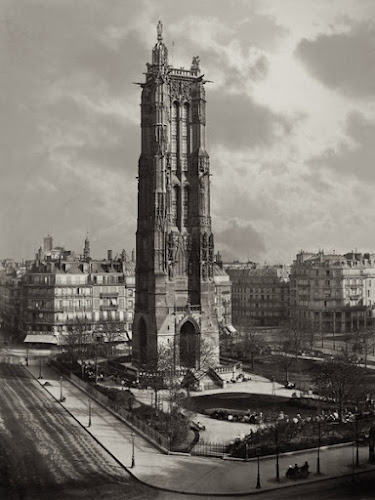
Tour Saint-Jacques
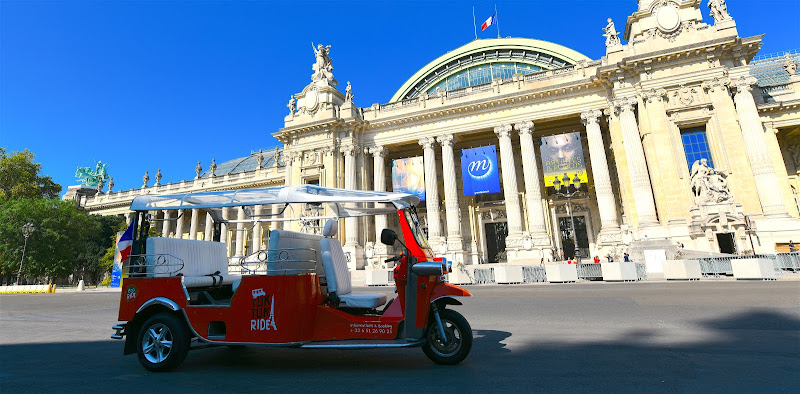
TukTuk Ride
Obélisque de Louxor
Find Accommodations Nearby
Recommended Tours & Activities
Visitor Reviews
There are no reviews yet. Be the first one to write one.
Share Your Experience
Have you visited Cimetière du Père-Lachaise? Help other travelers by leaving a review.