

Vabamu Museum of Occupations and Freedom
About Vabamu Museum of Occupations and Freedom
Description
There’s something quietly powerful about walking through the Vabamu Museum of Occupations and Freedom. It’s not the kind of museum that overwhelms you with flashy exhibits or endless corridors of artifacts. Instead, it whispers stories—stories of resilience, loss, and the sheer stubbornness of hope. The museum focuses on Estonia’s turbulent journey through the occupations by Nazi Germany and the Soviet Union between 1939 and 1991. And while that might sound heavy (and it is), the experience is deeply human. You don’t just see history here—you feel it.
I remember standing in front of one of those old, rusted prison doors. The metal was corroded, the paint long gone, and yet it carried the weight of thousands of unheard voices. It’s strange how an object can speak louder than words. That’s what Vabamu does best—it lets the objects, the personal accounts, and the atmosphere do the storytelling. From smuggled letters to photographs of families torn apart, each piece reminds you of the cost of freedom and the courage it takes to defend it.
But it’s not all bleak. The museum also celebrates Estonia’s rebirth—how ordinary people helped rebuild their nation after decades of oppression. The exhibits flow naturally from despair to determination, leaving you with a sense of admiration rather than sorrow. The interactive audio guide (available in several languages) adds layers of depth, with voices recounting memories that stick with you long after you leave. It’s not just history—it’s empathy in motion.
Key Features
- Immersive Exhibits: Visitors experience Estonia’s 20th-century history through personal stories, multimedia installations, and authentic artifacts.
- Audio Guide: The museum provides an e-guide in multiple languages including English, Russian, Finnish, and German, offering a personal touch to the storytelling.
- Accessibility: The museum is wheelchair accessible, with suitable restrooms and parking, making it convenient for all visitors.
- Family-Friendly Environment: It’s suitable for children and families, with changing tables and thoughtful displays that engage younger audiences without overwhelming them.
- Emotional Storytelling: The narrative balances the harsh realities of occupation with inspiring tales of resistance and freedom.
- Modern Design: The layout is sleek and easy to navigate, blending minimalist aesthetics with historical gravitas.
One thing I particularly appreciate is how the museum doesn’t shy away from complexity. You’re not told what to think—you’re invited to reflect. And that’s rare these days. It’s the kind of place where you might find yourself lingering longer than planned, maybe sitting quietly on a bench, just taking it all in.
Best Time to Visit
If you’re planning a trip to Tallinn, timing your visit can make a big difference. I’d say spring and early autumn are ideal—April through June or September to early October. The weather is mild, the city’s cobblestone streets aren’t too crowded, and you can pair your museum visit with a leisurely stroll through Toompea Hill afterward. Summer, of course, brings more tourists, but it also means longer daylight hours, which makes exploring the Old Town afterward even more magical. Winter has its charm too; there’s something hauntingly fitting about visiting a museum about endurance and freedom when the city outside is blanketed in snow.
Inside, the museum is calm and climate-controlled, so you won’t have to worry about the weather once you’re there. But trust me, going when it’s a bit quieter makes the experience more personal. You’ll have time to pause, to listen to the stories, and to let them sink in without feeling rushed.
How to Get There
Getting to the museum is pretty straightforward if you’re staying in central Tallinn. It’s just a short walk from the city’s Old Town, which makes it an easy addition to your sightseeing day. You can take a tram or bus to the Toompea area, or if you’re like me and prefer wandering, the walk itself is half the fun. The cobblestone streets, pastel-colored buildings, and occasional whiff of fresh pastries from nearby cafés make the journey feel like part of the experience.
For those driving, there’s accessible parking nearby. Public transport is reliable and affordable, so even if you’re coming from further out, it’s not a hassle. And honestly, Tallinn is compact enough that you might find yourself walking everywhere anyway—it’s one of those cities that rewards curiosity at every corner.
Tips for Visiting
Here’s the thing: Vabamu isn’t the kind of museum you rush through. Give yourself at least an hour and a half, maybe two, to really absorb what’s on display. The audio guide is worth using—it’s detailed, engaging, and adds emotional context you’d miss otherwise. If you’re traveling with kids, don’t worry. The museum does a surprisingly good job of making the content approachable for younger visitors without watering it down. My niece, who was ten when we visited, was completely absorbed by the interactive displays and even asked questions about freedom and courage afterward. That’s the kind of impact this place has.
Wear comfortable shoes—there’s some walking involved, though not much. Photography is allowed in most areas, but I’d suggest putting the camera down now and then. Some moments are better experienced than captured. And if you’re sensitive to emotional content, pace yourself. The sections about deportations and imprisonment can be heavy, but they’re also profoundly moving.
One more tip: visit in the morning if you can. The museum tends to get busier in the afternoon, especially on weekends. Early visits let you wander at your own pace and maybe even chat with the staff—they’re incredibly knowledgeable and always happy to share extra context or stories that aren’t in the exhibits. And if you’re the kind of traveler who likes reflecting over coffee afterward, there are cozy cafés nearby where you can sit and process everything you’ve just seen.
In the end, the Vabamu Museum of Occupations and Freedom isn’t just a stop on a sightseeing list—it’s a reminder of what people can endure and overcome. It’s about the fragility of freedom and the strength it takes to protect it. Whether you’re a history buff, a curious traveler, or simply someone who appreciates stories that matter, this museum deserves a spot on your itinerary. It’s not just about Estonia’s past—it’s about all of us, really, and the choices we make when our freedoms are tested.
And that’s what makes it unforgettable. You walk out a little quieter, maybe a little more thoughtful, but definitely changed—because Vabamu doesn’t just show you history; it makes you feel it.
Key Features
- Key Features
- Best Time to Visit
- How to Get There
- Tips for Visiting
More Details
Updated October 8, 2025
Table of Contents
- Description
- Key Features
- Best Time to Visit
- How to Get There
- Tips for Visiting
- Key Highlights
- Location
- Places to Stay Near Vabamu Museum of Occupations and Freedom
- Find and Book a Tour
- Explore More Travel Guides
- Nearby Places You Might Like
- Traveler Reviews for Vabamu Museum of Occupations and Freedom
- Share Your Experience
Description
There’s something quietly powerful about walking through the Vabamu Museum of Occupations and Freedom. It’s not the kind of museum that overwhelms you with flashy exhibits or endless corridors of artifacts. Instead, it whispers stories—stories of resilience, loss, and the sheer stubbornness of hope. The museum focuses on Estonia’s turbulent journey through the occupations by Nazi Germany and the Soviet Union between 1939 and 1991. And while that might sound heavy (and it is), the experience is deeply human. You don’t just see history here—you feel it.
I remember standing in front of one of those old, rusted prison doors. The metal was corroded, the paint long gone, and yet it carried the weight of thousands of unheard voices. It’s strange how an object can speak louder than words. That’s what Vabamu does best—it lets the objects, the personal accounts, and the atmosphere do the storytelling. From smuggled letters to photographs of families torn apart, each piece reminds you of the cost of freedom and the courage it takes to defend it.
But it’s not all bleak. The museum also celebrates Estonia’s rebirth—how ordinary people helped rebuild their nation after decades of oppression. The exhibits flow naturally from despair to determination, leaving you with a sense of admiration rather than sorrow. The interactive audio guide (available in several languages) adds layers of depth, with voices recounting memories that stick with you long after you leave. It’s not just history—it’s empathy in motion.
Key Features
- Immersive Exhibits: Visitors experience Estonia’s 20th-century history through personal stories, multimedia installations, and authentic artifacts.
- Audio Guide: The museum provides an e-guide in multiple languages including English, Russian, Finnish, and German, offering a personal touch to the storytelling.
- Accessibility: The museum is wheelchair accessible, with suitable restrooms and parking, making it convenient for all visitors.
- Family-Friendly Environment: It’s suitable for children and families, with changing tables and thoughtful displays that engage younger audiences without overwhelming them.
- Emotional Storytelling: The narrative balances the harsh realities of occupation with inspiring tales of resistance and freedom.
- Modern Design: The layout is sleek and easy to navigate, blending minimalist aesthetics with historical gravitas.
One thing I particularly appreciate is how the museum doesn’t shy away from complexity. You’re not told what to think—you’re invited to reflect. And that’s rare these days. It’s the kind of place where you might find yourself lingering longer than planned, maybe sitting quietly on a bench, just taking it all in.
Best Time to Visit
If you’re planning a trip to Tallinn, timing your visit can make a big difference. I’d say spring and early autumn are ideal—April through June or September to early October. The weather is mild, the city’s cobblestone streets aren’t too crowded, and you can pair your museum visit with a leisurely stroll through Toompea Hill afterward. Summer, of course, brings more tourists, but it also means longer daylight hours, which makes exploring the Old Town afterward even more magical. Winter has its charm too; there’s something hauntingly fitting about visiting a museum about endurance and freedom when the city outside is blanketed in snow.
Inside, the museum is calm and climate-controlled, so you won’t have to worry about the weather once you’re there. But trust me, going when it’s a bit quieter makes the experience more personal. You’ll have time to pause, to listen to the stories, and to let them sink in without feeling rushed.
How to Get There
Getting to the museum is pretty straightforward if you’re staying in central Tallinn. It’s just a short walk from the city’s Old Town, which makes it an easy addition to your sightseeing day. You can take a tram or bus to the Toompea area, or if you’re like me and prefer wandering, the walk itself is half the fun. The cobblestone streets, pastel-colored buildings, and occasional whiff of fresh pastries from nearby cafés make the journey feel like part of the experience.
For those driving, there’s accessible parking nearby. Public transport is reliable and affordable, so even if you’re coming from further out, it’s not a hassle. And honestly, Tallinn is compact enough that you might find yourself walking everywhere anyway—it’s one of those cities that rewards curiosity at every corner.
Tips for Visiting
Here’s the thing: Vabamu isn’t the kind of museum you rush through. Give yourself at least an hour and a half, maybe two, to really absorb what’s on display. The audio guide is worth using—it’s detailed, engaging, and adds emotional context you’d miss otherwise. If you’re traveling with kids, don’t worry. The museum does a surprisingly good job of making the content approachable for younger visitors without watering it down. My niece, who was ten when we visited, was completely absorbed by the interactive displays and even asked questions about freedom and courage afterward. That’s the kind of impact this place has.
Wear comfortable shoes—there’s some walking involved, though not much. Photography is allowed in most areas, but I’d suggest putting the camera down now and then. Some moments are better experienced than captured. And if you’re sensitive to emotional content, pace yourself. The sections about deportations and imprisonment can be heavy, but they’re also profoundly moving.
One more tip: visit in the morning if you can. The museum tends to get busier in the afternoon, especially on weekends. Early visits let you wander at your own pace and maybe even chat with the staff—they’re incredibly knowledgeable and always happy to share extra context or stories that aren’t in the exhibits. And if you’re the kind of traveler who likes reflecting over coffee afterward, there are cozy cafés nearby where you can sit and process everything you’ve just seen.
In the end, the Vabamu Museum of Occupations and Freedom isn’t just a stop on a sightseeing list—it’s a reminder of what people can endure and overcome. It’s about the fragility of freedom and the strength it takes to protect it. Whether you’re a history buff, a curious traveler, or simply someone who appreciates stories that matter, this museum deserves a spot on your itinerary. It’s not just about Estonia’s past—it’s about all of us, really, and the choices we make when our freedoms are tested.
And that’s what makes it unforgettable. You walk out a little quieter, maybe a little more thoughtful, but definitely changed—because Vabamu doesn’t just show you history; it makes you feel it.
Key Highlights
- Key Features
- Best Time to Visit
- How to Get There
- Tips for Visiting
Location
Places to Stay Near Vabamu Museum of Occupations and Freedom
Find and Book a Tour
Explore More Travel Guides
No reviews found! Be the first to review!
Traveler Reviews for Vabamu Museum of Occupations and Freedom
There are no reviews yet. Be the first one to write one.
Have you visited Vabamu Museum of Occupations and Freedom? Help other travelers by sharing your review.
You Might Also Like
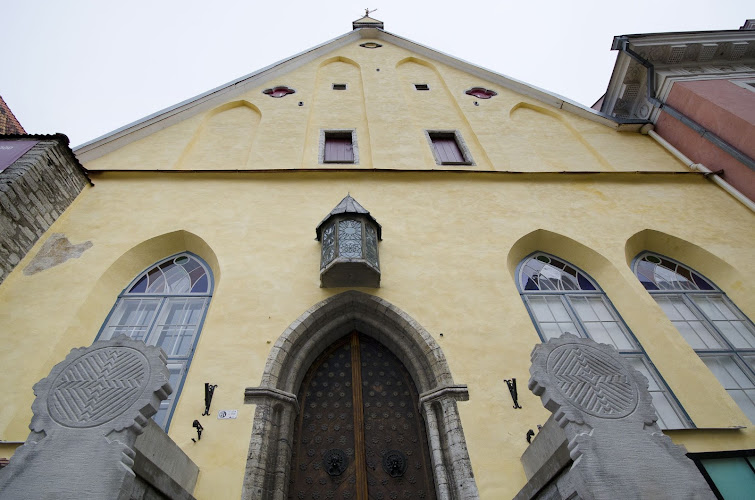
Estonian History Museum - Great Guild Hall

Glehn park

Kadriorg Park
Find Accommodations Nearby
Recommended Tours & Activities
Visitor Reviews
There are no reviews yet. Be the first one to write one.
Share Your Experience
Have you visited Vabamu Museum of Occupations and Freedom? Help other travelers by leaving a review.