
Estonian Art Museum (KUMU)
About Estonian Art Museum (KUMU)
Description
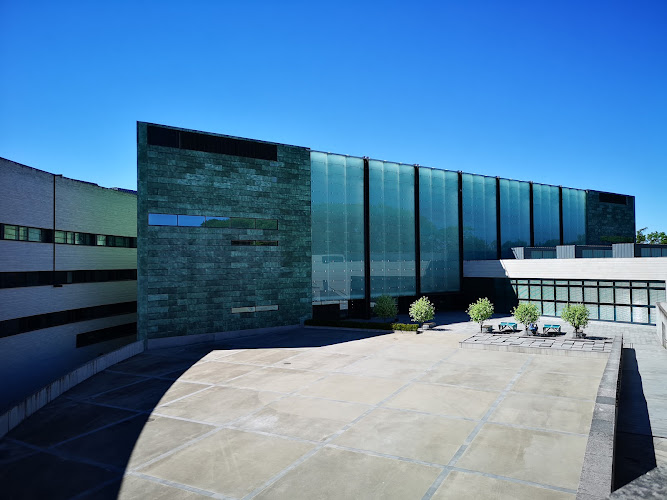
The Estonian Art Museum, known locally as KUMU, is one of those places that quietly takes your breath away before you even realize it. It’s not just a building full of paintings—it’s a story of national identity, creativity, and resilience told through brushstrokes, sculptures, and even digital installations. Completed in 2006, this seven-story architectural gem stands as a bold symbol of Estonia’s cultural confidence. It’s modern, yes, but not coldly so. There’s this warmth in the way light pours through its glass walls, reflecting off the limestone facade—a blend of tradition and innovation that feels so… Estonian.
KUMU doesn’t just show art; it tells the story of Estonia’s transformation over two centuries. From romantic landscapes of the 19th century to the sharp-edged political art of the Soviet era, and finally to the experimental works of contemporary creators—it’s like walking through time, but with better lighting and a great coffee shop waiting at the end. The museum has earned international recognition, even winning the European Museum of the Year Award in 2008. But awards aside, what makes KUMU special is how approachable it feels. You don’t need to be an art scholar to enjoy it. You just need curiosity and maybe a bit of time to wander.
The atmosphere inside is calm but alive. You’ll find families, solo travelers, and locals all moving at their own pace. Some linger over abstract pieces that make you tilt your head; others sit quietly in the open atrium, soaking in the silence. Personally, I spent nearly an hour staring at one painting that seemed to shift colors as the daylight changed. Maybe it was the lighting, or maybe it was just one of those moments when art catches you off guard. Either way, KUMU has a knack for that—making you slow down and actually feel something.
Key Features
- Architectural Brilliance: Designed by Finnish architect Pekka Vapaavuori, the museum’s sleek limestone and glass structure blends seamlessly into the surrounding Kadriorg Park. It’s both futuristic and grounded in local tradition.
- Extensive Collection: Showcasing over 200 years of Estonian art, from classic realism to avant-garde installations, KUMU offers an immersive look into the nation’s evolving artistic identity.
- Contemporary Exhibitions: Regularly updated exhibitions highlight modern Estonian and international artists, keeping the experience fresh even for repeat visitors.
- Live Performances: The museum occasionally hosts live performances—music, spoken word, and multimedia art—that transform its halls into living, breathing creative spaces.
- Accessibility: Fully wheelchair accessible, with adapted entrances, restrooms, and parking, ensuring everyone can explore comfortably.
- Onsite Amenities: Includes a cozy restaurant, clean restrooms, free Wi-Fi, and even changing tables for families with young children.
- Educational Programs: Workshops, guided tours, and children’s activities make it a learning hub for visitors of all ages.
What really stands out, though, is how thoughtfully everything is curated. Each floor has its own rhythm—one moment you’re gazing at a serene Baltic landscape, the next you’re face-to-face with a bold installation questioning modern identity. And somehow, it all makes sense together. That’s good curation for you.
Best Time to Visit
Let’s be honest—Tallinn can get pretty chilly in winter, which actually makes KUMU a perfect escape. Inside, it’s warm, bright, and filled with color. But if you’re hoping to combine your museum visit with a stroll through Kadriorg Park, spring and early autumn are unbeatable. The park’s greenery (or golden leaves, depending on the season) frames the museum beautifully. I once visited in late September, and the crisp air mixed with the smell of pine trees made the short walk from the tram stop feel almost cinematic.
Weekdays tend to be quieter, especially in the mornings. If you’re the kind of traveler who likes to linger without feeling rushed, that’s your sweet spot. Weekends can get busier, particularly around special exhibitions or family events, but even then, KUMU’s spacious design means it rarely feels crowded. And if you’re lucky enough to be there during one of their evening events, stick around—the museum takes on an entirely different mood after dark, almost meditative.
How to Get There
Reaching KUMU is straightforward, which is great because Tallinn’s public transport system is efficient and easy to navigate. The museum sits in the Kadriorg district, just a short distance from the city center. You can hop on a tram or bus that stops nearby, and from there it’s just a pleasant walk through the park. Honestly, that walk is part of the experience—you pass by swaying trees, the occasional jogger, and maybe even a curious squirrel or two.
If you prefer to drive, parking is available close to the museum, and it’s wheelchair accessible. For those who enjoy exploring on foot, it’s about a 25-30 minute walk from Tallinn’s Old Town, depending on your pace (and how often you stop for photos). Taxis and rideshares are also widely available, and they’re quite affordable compared to other European capitals.
And here’s a little tip from personal experience: if you’re visiting in winter, bundle up properly. The walk through Kadriorg Park can be chilly, but the reward of stepping into the warm, light-filled atrium of KUMU makes it totally worth it.
Tips for Visiting
There are a few things worth knowing before you go, just to make the most of your time. First off, plan to spend at least two to three hours inside. It’s a seven-story museum, after all, and every level has something different to offer. Don’t try to rush it—you’ll miss the subtle details that make the experience so rich.
If you’re into photography, bring your camera but be respectful of the no-flash policy. The lighting is beautiful enough as it is. And if you’re traveling with kids, you’ll be happy to know KUMU is very family-friendly. There are interactive exhibits and spaces where children can engage with art in creative ways. Plus, the onsite restaurant serves surprisingly good food—perfect for a mid-visit break. I still remember the soup I had there one rainy afternoon; it was simple, hearty, and somehow exactly what I needed.
Another small but useful thing: check the schedule for guided tours. They’re offered in multiple languages and can really deepen your understanding of Estonian art history. I joined one on a whim and ended up learning about artists I’d never heard of before—people who created under censorship, who painted in secret, who turned everyday life into quiet acts of resistance. It gave the art so much more meaning.
For accessibility, KUMU does an excellent job. The elevators are spacious, the signage is clear, and staff are genuinely helpful. If you’re traveling with someone who uses a wheelchair or stroller, you’ll have no trouble getting around. And for digital nomads or anyone who just can’t disconnect (guilty), the free Wi-Fi is reliable enough to upload photos or jot down notes for a travel blog.
Lastly, don’t forget to step outside onto the terrace. It offers a lovely view over Kadriorg Park, and on sunny days, it’s one of the most peaceful spots in the city. You can hear the faint hum of Tallinn beyond the trees, but it feels a world away.
In the end, KUMU isn’t just about art—it’s about perspective. It’s about seeing how a small country has used creativity to express its soul through centuries of change. Whether you’re an art lover, a curious traveler, or just someone looking for a quiet place to think, this museum has a way of staying with you long after you’ve left. And that, more than anything, is what makes it worth the visit.
Key Features
- Key Features
- Best Time to Visit
- How to Get There
- Tips for Visiting
More Details
Updated October 8, 2025
Table of Contents
Description
The Estonian Art Museum, known locally as KUMU, is one of those places that quietly takes your breath away before you even realize it. It’s not just a building full of paintings—it’s a story of national identity, creativity, and resilience told through brushstrokes, sculptures, and even digital installations. Completed in 2006, this seven-story architectural gem stands as a bold symbol of Estonia’s cultural confidence. It’s modern, yes, but not coldly so. There’s this warmth in the way light pours through its glass walls, reflecting off the limestone facade—a blend of tradition and innovation that feels so… Estonian.
KUMU doesn’t just show art; it tells the story of Estonia’s transformation over two centuries. From romantic landscapes of the 19th century to the sharp-edged political art of the Soviet era, and finally to the experimental works of contemporary creators—it’s like walking through time, but with better lighting and a great coffee shop waiting at the end. The museum has earned international recognition, even winning the European Museum of the Year Award in 2008. But awards aside, what makes KUMU special is how approachable it feels. You don’t need to be an art scholar to enjoy it. You just need curiosity and maybe a bit of time to wander.
The atmosphere inside is calm but alive. You’ll find families, solo travelers, and locals all moving at their own pace. Some linger over abstract pieces that make you tilt your head; others sit quietly in the open atrium, soaking in the silence. Personally, I spent nearly an hour staring at one painting that seemed to shift colors as the daylight changed. Maybe it was the lighting, or maybe it was just one of those moments when art catches you off guard. Either way, KUMU has a knack for that—making you slow down and actually feel something.
Key Features
- Architectural Brilliance: Designed by Finnish architect Pekka Vapaavuori, the museum’s sleek limestone and glass structure blends seamlessly into the surrounding Kadriorg Park. It’s both futuristic and grounded in local tradition.
- Extensive Collection: Showcasing over 200 years of Estonian art, from classic realism to avant-garde installations, KUMU offers an immersive look into the nation’s evolving artistic identity.
- Contemporary Exhibitions: Regularly updated exhibitions highlight modern Estonian and international artists, keeping the experience fresh even for repeat visitors.
- Live Performances: The museum occasionally hosts live performances—music, spoken word, and multimedia art—that transform its halls into living, breathing creative spaces.
- Accessibility: Fully wheelchair accessible, with adapted entrances, restrooms, and parking, ensuring everyone can explore comfortably.
- Onsite Amenities: Includes a cozy restaurant, clean restrooms, free Wi-Fi, and even changing tables for families with young children.
- Educational Programs: Workshops, guided tours, and children’s activities make it a learning hub for visitors of all ages.
What really stands out, though, is how thoughtfully everything is curated. Each floor has its own rhythm—one moment you’re gazing at a serene Baltic landscape, the next you’re face-to-face with a bold installation questioning modern identity. And somehow, it all makes sense together. That’s good curation for you.
Best Time to Visit
Let’s be honest—Tallinn can get pretty chilly in winter, which actually makes KUMU a perfect escape. Inside, it’s warm, bright, and filled with color. But if you’re hoping to combine your museum visit with a stroll through Kadriorg Park, spring and early autumn are unbeatable. The park’s greenery (or golden leaves, depending on the season) frames the museum beautifully. I once visited in late September, and the crisp air mixed with the smell of pine trees made the short walk from the tram stop feel almost cinematic.
Weekdays tend to be quieter, especially in the mornings. If you’re the kind of traveler who likes to linger without feeling rushed, that’s your sweet spot. Weekends can get busier, particularly around special exhibitions or family events, but even then, KUMU’s spacious design means it rarely feels crowded. And if you’re lucky enough to be there during one of their evening events, stick around—the museum takes on an entirely different mood after dark, almost meditative.
How to Get There
Reaching KUMU is straightforward, which is great because Tallinn’s public transport system is efficient and easy to navigate. The museum sits in the Kadriorg district, just a short distance from the city center. You can hop on a tram or bus that stops nearby, and from there it’s just a pleasant walk through the park. Honestly, that walk is part of the experience—you pass by swaying trees, the occasional jogger, and maybe even a curious squirrel or two.
If you prefer to drive, parking is available close to the museum, and it’s wheelchair accessible. For those who enjoy exploring on foot, it’s about a 25-30 minute walk from Tallinn’s Old Town, depending on your pace (and how often you stop for photos). Taxis and rideshares are also widely available, and they’re quite affordable compared to other European capitals.
And here’s a little tip from personal experience: if you’re visiting in winter, bundle up properly. The walk through Kadriorg Park can be chilly, but the reward of stepping into the warm, light-filled atrium of KUMU makes it totally worth it.
Tips for Visiting
There are a few things worth knowing before you go, just to make the most of your time. First off, plan to spend at least two to three hours inside. It’s a seven-story museum, after all, and every level has something different to offer. Don’t try to rush it—you’ll miss the subtle details that make the experience so rich.
If you’re into photography, bring your camera but be respectful of the no-flash policy. The lighting is beautiful enough as it is. And if you’re traveling with kids, you’ll be happy to know KUMU is very family-friendly. There are interactive exhibits and spaces where children can engage with art in creative ways. Plus, the onsite restaurant serves surprisingly good food—perfect for a mid-visit break. I still remember the soup I had there one rainy afternoon; it was simple, hearty, and somehow exactly what I needed.
Another small but useful thing: check the schedule for guided tours. They’re offered in multiple languages and can really deepen your understanding of Estonian art history. I joined one on a whim and ended up learning about artists I’d never heard of before—people who created under censorship, who painted in secret, who turned everyday life into quiet acts of resistance. It gave the art so much more meaning.
For accessibility, KUMU does an excellent job. The elevators are spacious, the signage is clear, and staff are genuinely helpful. If you’re traveling with someone who uses a wheelchair or stroller, you’ll have no trouble getting around. And for digital nomads or anyone who just can’t disconnect (guilty), the free Wi-Fi is reliable enough to upload photos or jot down notes for a travel blog.
Lastly, don’t forget to step outside onto the terrace. It offers a lovely view over Kadriorg Park, and on sunny days, it’s one of the most peaceful spots in the city. You can hear the faint hum of Tallinn beyond the trees, but it feels a world away.
In the end, KUMU isn’t just about art—it’s about perspective. It’s about seeing how a small country has used creativity to express its soul through centuries of change. Whether you’re an art lover, a curious traveler, or just someone looking for a quiet place to think, this museum has a way of staying with you long after you’ve left. And that, more than anything, is what makes it worth the visit.
Key Highlights
- Key Features
- Best Time to Visit
- How to Get There
- Tips for Visiting
Location
Places to Stay Near Estonian Art Museum (KUMU)
Find and Book a Tour
Explore More Travel Guides
No reviews found! Be the first to review!
Traveler Reviews for Estonian Art Museum (KUMU)
There are no reviews yet. Be the first one to write one.
Have you visited Estonian Art Museum (KUMU)? Help other travelers by sharing your review.
You Might Also Like

Tallinn Town Hall
Mikkel Museum

Vabamu Museum of Occupations and Freedom
Find Accommodations Nearby
Recommended Tours & Activities
Visitor Reviews
There are no reviews yet. Be the first one to write one.
Share Your Experience
Have you visited Estonian Art Museum (KUMU)? Help other travelers by leaving a review.