
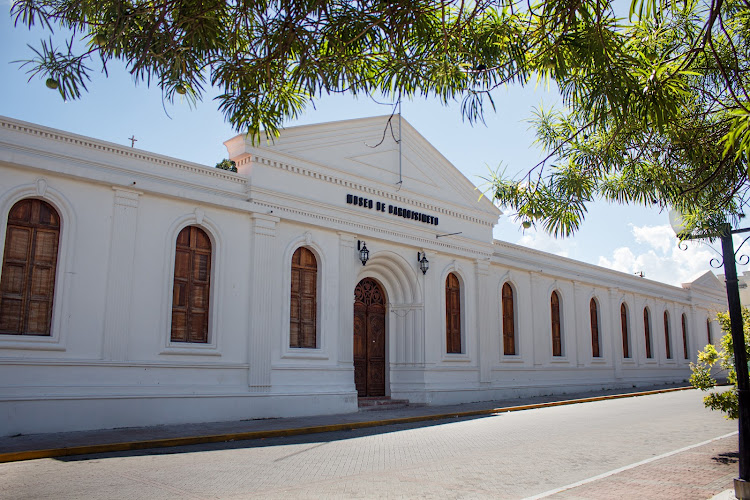
Museo de Barquisimeto
About Museo de Barquisimeto
Description
The Museo de Barquisimeto is one of those places that quietly sneaks up on you. At first glance, it’s just another museum tucked into the historic heart of Barquisimeto, but once you step inside, you realize it’s a living, breathing story of the city itself. Established in 1982, this museum has spent decades preserving the cultural and historical essence of the Lara region. It’s not flashy or overly polished, and maybe that’s part of its charm—it feels real, grounded, and deeply connected to the people who call this place home.
Housed in a beautifully restored colonial building that once served as a hospital, the museum’s architecture alone is worth a visit. The thick adobe walls, high ceilings, and open courtyards whisper stories from centuries past. You can almost imagine the footsteps of those who walked these halls long before it became a hub for art and history lovers. Inside, the galleries unfold like chapters in a book—each one dedicated to a different facet of Lara’s identity, from indigenous heritage and colonial times to modern artistic expressions.
What I personally love about this museum is how it doesn’t try to overwhelm you. It’s not massive or overly curated, and that makes it feel intimate. You can take your time wandering through the exhibits, reading about local artisans, admiring traditional instruments, or just sitting quietly in one of the courtyards soaking up the warm Venezuelan sun. It’s the kind of place where history feels alive, not trapped behind glass.
Key Features
- Historical significance: The museum occupies a colonial-era building that has served multiple roles throughout history, adding layers of meaning to every corner.
- Diverse exhibits: Displays range from pre-Columbian artifacts to contemporary art, offering a panoramic view of Lara’s cultural evolution.
- Community focus: The museum often hosts workshops, art classes, and cultural events that bring locals and travelers together.
- Accessibility: The entrance and parking areas are wheelchair accessible, making it inclusive for all visitors.
- Family-friendly atmosphere: Kids are welcome, and the museum’s layout makes it easy for families to explore at their own pace.
- Peaceful courtyards: These open-air spaces are perfect for taking a break or reflecting on what you’ve seen.
- Local art and craftsmanship: Rotating exhibits often highlight regional artists, giving visitors a taste of Barquisimeto’s creative pulse.
One of the highlights for many visitors is the section dedicated to traditional music and instruments. Barquisimeto is known as the “musical city” of Venezuela, and this museum pays tribute to that heritage beautifully. You’ll find handcrafted cuatro guitars, maracas, and drums that tell their own rhythmic story. And if you’re lucky, you might stumble upon a live demonstration or workshop where local musicians share their craft.
Best Time to Visit
If you ask me, mornings are the best time to visit. The light filters through the old windows just right, casting golden hues across the exhibits. Plus, it’s quieter then—you can really take in the atmosphere without the distraction of crowds. The museum is open year-round, but if you happen to be in Barquisimeto during local festivals like the Divina Pastora procession in January, the energy in the city adds a whole new layer to the experience.
The dry season, roughly from December to April, is ideal for exploring not just the museum but the rest of the city’s historical district. The weather is warm but manageable, and you can easily spend the day wandering between the museum, nearby churches, and local cafés. During the rainy months, the museum becomes a cozy retreat—a perfect indoor escape where you can still soak up culture without getting drenched.
How to Get There
Getting to the Museo de Barquisimeto is pretty straightforward. It’s located right in the historic center, so if you’re already exploring the old part of the city, you’re probably just a short walk away. Most travelers arrive by taxi or rideshare, which are affordable and easy to find. If you’re staying in a nearby hotel, you can even walk—it’s safe during the day, and the streets are lined with colorful colonial buildings that make the journey part of the fun.
For those coming from outside the city, local buses and private transfers connect Barquisimeto with other major cities in Venezuela. Once you’re in town, signs pointing to the museum are fairly clear, and locals are usually more than happy to give directions. Honestly, I’ve found that asking someone on the street often leads to a friendly conversation and maybe even a recommendation for the best nearby arepa stand. That’s the kind of hospitality you can expect here.
Tips for Visiting
Here’s the thing about the Museo de Barquisimeto—it’s not a place to rush through. Give yourself at least an hour or two to explore. Bring a bottle of water (it can get warm inside), and wear comfortable shoes since you’ll be walking on old stone floors. Photography is generally allowed, but always check the signs before snapping pictures—some exhibits may have restrictions.
If you’re traveling with kids, the museum is a great educational stop. The exhibits are visually engaging, and the staff is patient and welcoming. For those who love local art, check out the small gift shop near the exit—it often features handmade crafts and art pieces from local artisans. I once picked up a small clay figurine there that still sits on my desk, a little reminder of the trip.
Accessibility is another plus. The museum has wheelchair-friendly entrances and designated parking spaces, which isn’t always the case in older buildings in Venezuela. Restrooms are available and well-maintained, though there’s no on-site restaurant, so it’s best to eat before you go or plan to grab a meal afterward at one of the nearby cafés.
One more tip—talk to the guides if you can. They’re full of stories that you won’t find on the display plaques. I remember chatting with one who told me about how the museum played a role in preserving local traditions during tough political times. It gave me a deeper appreciation for the place and the people behind it.
In the end, the Museo de Barquisimeto isn’t just about what’s inside its walls—it’s about connection. Connection to history, to art, and to the spirit of a city that has weathered centuries yet still finds ways to celebrate its identity. Whether you’re a history buff, an art lover, or just someone curious about Venezuelan culture, this museum offers a genuine, heartfelt experience. It might not be the grandest museum you’ll ever visit, but it’s one you’ll remember long after you’ve left.
Key Features
- Key Features
- Best Time to Visit
- How to Get There
- Tips for Visiting
More Details
Updated October 9, 2025
Table of Contents
Description
The Museo de Barquisimeto is one of those places that quietly sneaks up on you. At first glance, it’s just another museum tucked into the historic heart of Barquisimeto, but once you step inside, you realize it’s a living, breathing story of the city itself. Established in 1982, this museum has spent decades preserving the cultural and historical essence of the Lara region. It’s not flashy or overly polished, and maybe that’s part of its charm—it feels real, grounded, and deeply connected to the people who call this place home.
Housed in a beautifully restored colonial building that once served as a hospital, the museum’s architecture alone is worth a visit. The thick adobe walls, high ceilings, and open courtyards whisper stories from centuries past. You can almost imagine the footsteps of those who walked these halls long before it became a hub for art and history lovers. Inside, the galleries unfold like chapters in a book—each one dedicated to a different facet of Lara’s identity, from indigenous heritage and colonial times to modern artistic expressions.
What I personally love about this museum is how it doesn’t try to overwhelm you. It’s not massive or overly curated, and that makes it feel intimate. You can take your time wandering through the exhibits, reading about local artisans, admiring traditional instruments, or just sitting quietly in one of the courtyards soaking up the warm Venezuelan sun. It’s the kind of place where history feels alive, not trapped behind glass.
Key Features
- Historical significance: The museum occupies a colonial-era building that has served multiple roles throughout history, adding layers of meaning to every corner.
- Diverse exhibits: Displays range from pre-Columbian artifacts to contemporary art, offering a panoramic view of Lara’s cultural evolution.
- Community focus: The museum often hosts workshops, art classes, and cultural events that bring locals and travelers together.
- Accessibility: The entrance and parking areas are wheelchair accessible, making it inclusive for all visitors.
- Family-friendly atmosphere: Kids are welcome, and the museum’s layout makes it easy for families to explore at their own pace.
- Peaceful courtyards: These open-air spaces are perfect for taking a break or reflecting on what you’ve seen.
- Local art and craftsmanship: Rotating exhibits often highlight regional artists, giving visitors a taste of Barquisimeto’s creative pulse.
One of the highlights for many visitors is the section dedicated to traditional music and instruments. Barquisimeto is known as the “musical city” of Venezuela, and this museum pays tribute to that heritage beautifully. You’ll find handcrafted cuatro guitars, maracas, and drums that tell their own rhythmic story. And if you’re lucky, you might stumble upon a live demonstration or workshop where local musicians share their craft.
Best Time to Visit
If you ask me, mornings are the best time to visit. The light filters through the old windows just right, casting golden hues across the exhibits. Plus, it’s quieter then—you can really take in the atmosphere without the distraction of crowds. The museum is open year-round, but if you happen to be in Barquisimeto during local festivals like the Divina Pastora procession in January, the energy in the city adds a whole new layer to the experience.
The dry season, roughly from December to April, is ideal for exploring not just the museum but the rest of the city’s historical district. The weather is warm but manageable, and you can easily spend the day wandering between the museum, nearby churches, and local cafés. During the rainy months, the museum becomes a cozy retreat—a perfect indoor escape where you can still soak up culture without getting drenched.
How to Get There
Getting to the Museo de Barquisimeto is pretty straightforward. It’s located right in the historic center, so if you’re already exploring the old part of the city, you’re probably just a short walk away. Most travelers arrive by taxi or rideshare, which are affordable and easy to find. If you’re staying in a nearby hotel, you can even walk—it’s safe during the day, and the streets are lined with colorful colonial buildings that make the journey part of the fun.
For those coming from outside the city, local buses and private transfers connect Barquisimeto with other major cities in Venezuela. Once you’re in town, signs pointing to the museum are fairly clear, and locals are usually more than happy to give directions. Honestly, I’ve found that asking someone on the street often leads to a friendly conversation and maybe even a recommendation for the best nearby arepa stand. That’s the kind of hospitality you can expect here.
Tips for Visiting
Here’s the thing about the Museo de Barquisimeto—it’s not a place to rush through. Give yourself at least an hour or two to explore. Bring a bottle of water (it can get warm inside), and wear comfortable shoes since you’ll be walking on old stone floors. Photography is generally allowed, but always check the signs before snapping pictures—some exhibits may have restrictions.
If you’re traveling with kids, the museum is a great educational stop. The exhibits are visually engaging, and the staff is patient and welcoming. For those who love local art, check out the small gift shop near the exit—it often features handmade crafts and art pieces from local artisans. I once picked up a small clay figurine there that still sits on my desk, a little reminder of the trip.
Accessibility is another plus. The museum has wheelchair-friendly entrances and designated parking spaces, which isn’t always the case in older buildings in Venezuela. Restrooms are available and well-maintained, though there’s no on-site restaurant, so it’s best to eat before you go or plan to grab a meal afterward at one of the nearby cafés.
One more tip—talk to the guides if you can. They’re full of stories that you won’t find on the display plaques. I remember chatting with one who told me about how the museum played a role in preserving local traditions during tough political times. It gave me a deeper appreciation for the place and the people behind it.
In the end, the Museo de Barquisimeto isn’t just about what’s inside its walls—it’s about connection. Connection to history, to art, and to the spirit of a city that has weathered centuries yet still finds ways to celebrate its identity. Whether you’re a history buff, an art lover, or just someone curious about Venezuelan culture, this museum offers a genuine, heartfelt experience. It might not be the grandest museum you’ll ever visit, but it’s one you’ll remember long after you’ve left.
Key Highlights
- Key Features
- Best Time to Visit
- How to Get There
- Tips for Visiting
Location
Places to Stay Near Museo de Barquisimeto
Find and Book a Tour
Explore More Travel Guides
No reviews found! Be the first to review!
Traveler Reviews for Museo de Barquisimeto
There are no reviews yet. Be the first one to write one.
Have you visited Museo de Barquisimeto? Help other travelers by sharing your review.
You Might Also Like
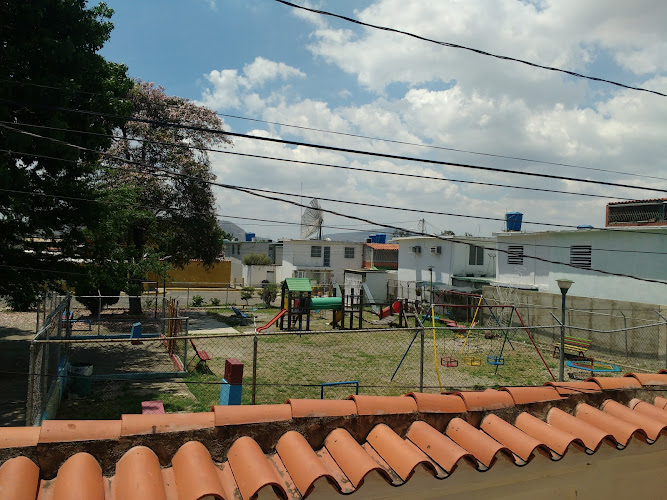
El Bolsillo Park
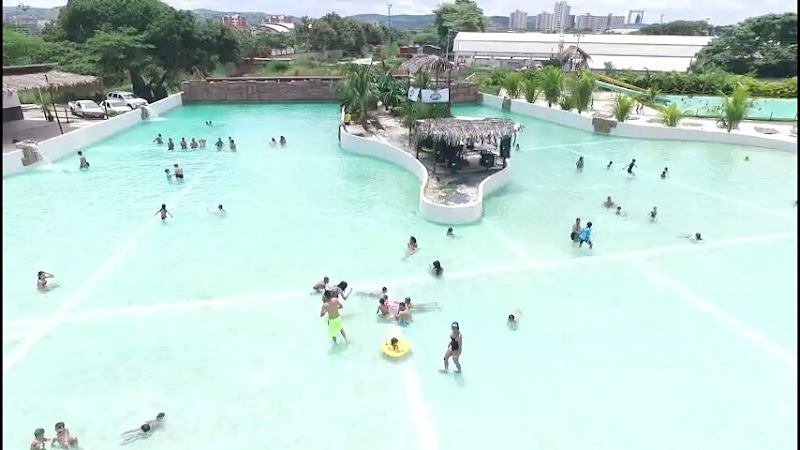
Arena Acuátic Park
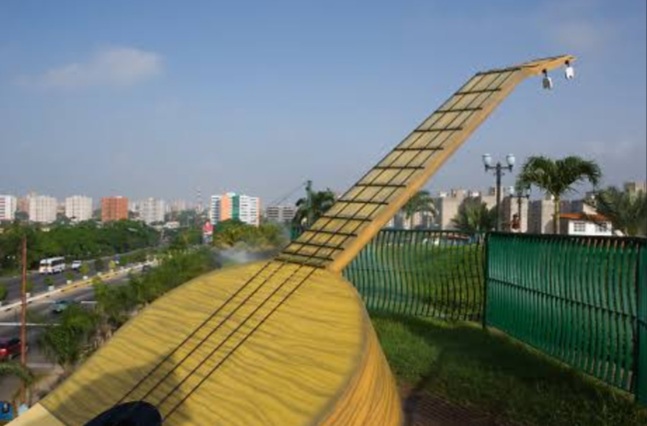
El Cuatro de Barquisimeto
Find Accommodations Nearby
Recommended Tours & Activities
Visitor Reviews
There are no reviews yet. Be the first one to write one.
Share Your Experience
Have you visited Museo de Barquisimeto? Help other travelers by leaving a review.