
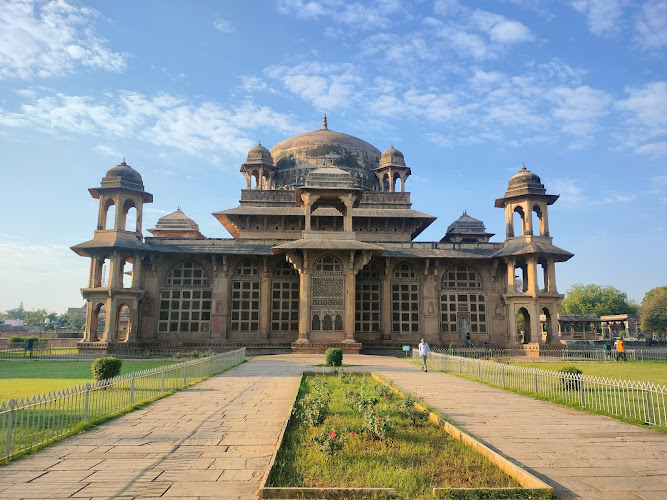
Tomb of Tansen
About Tomb of Tansen
Description
The Tomb of Tansen in Gwalior is one of those places that quietly hums with history. It’s not massive or overly ornate, but it carries a kind of grace that’s hard to put into words. Built in the 16th century, this small yet beautifully designed tomb honors Tansen, the legendary musician of Emperor Akbar’s court. If you’ve ever listened to a Hindustani classical raga and felt goosebumps rise, you owe a silent nod to this man—he’s the one who shaped the very soul of Indian classical music.
Walking through the gates, you’ll likely notice the calmness first. The air feels still, almost reverent, as if the centuries of melodies that once flowed from Tansen’s voice still linger here. The tomb sits within the larger complex of his spiritual mentor, Mohammad Ghaus, another remarkable figure of the Mughal era. The architecture is Mughal in style—graceful arches, carved lattice screens, and a subtle play of light and shadow that adds depth to its simplicity.
Some visitors find the site modest compared to grand Mughal monuments like the Taj Mahal or Humayun’s Tomb, but that’s part of its charm. It’s not about grandeur. It’s about legacy. You can almost imagine Tansen sitting under a tree here, strumming his tanpura, lost in a melody that could make lamps light up or bring rain from the skies—at least, that’s what the legends say. Whether or not you believe those tales, there’s no denying the aura of music that seems to hang in the air.
Over the years, travelers have had mixed feelings about the place. Some praise its peacefulness and authenticity, while others wish for better maintenance or more detailed information on-site. But most agree—it’s a must-visit if you’re in Gwalior, especially if you have even a passing interest in music, history, or spirituality. It’s one of those rare places where you feel connected to something much older and deeper than yourself.
Key Features
- Historical Significance: Final resting place of Tansen, one of India’s greatest classical musicians and a luminary of Akbar’s court.
- Architectural Style: Mughal-era design featuring elegant domes, arches, and intricately carved jalis (lattice screens).
- Spiritual Connection: Located beside the tomb of Tansen’s mentor, the Sufi saint Mohammad Ghaus, symbolizing the bond between guru and disciple.
- Musical Heritage: Every year, the Tansen Music Festival is held nearby, drawing classical artists and enthusiasts from across India.
- Accessibility: Wheelchair-friendly entrance and parking make it easy for all visitors to explore comfortably.
- Peaceful Ambience: The serene gardens and shaded walkways offer a tranquil retreat from Gwalior’s bustling streets.
- Family-Friendly: Suitable for children and families interested in history and culture.
- Free Entry: Visitors can explore without an entry fee, making it a budget-friendly attraction.
Best Time to Visit
If you ask the locals, they’ll tell you winter is the best time to visit—between November and February. The weather is cool, the skies are clear, and the city feels alive with festivals and cultural events. And if you time your trip right, you might even catch the Tansen Samaroh, a grand music festival that celebrates his legacy. It’s an unforgettable experience—imagine sitting under the stars, listening to classical maestros perform just a few meters from Tansen’s resting place. Gives you chills, doesn’t it?
Summer, on the other hand, can be quite intense here in Madhya Pradesh. Unless you’re used to dry heat, it’s better to skip the May–June stretch. Monsoon season (July to September) paints the gardens green, but the humidity can make exploring a bit sticky. So yes, winter wins hands down for comfort and atmosphere.
How to Get There
Reaching the Tomb of Tansen is fairly straightforward. Gwalior is well-connected by road, rail, and air. The city’s railway station is a major stop on several routes, and the airport has flights linking it to Delhi, Mumbai, and other key cities. Once you’re in Gwalior, local transport—like auto-rickshaws, taxis, or even rented scooters—can take you to the site easily. It’s located in a calm part of the city, not far from other major attractions like Gwalior Fort and Jai Vilas Palace, so it fits perfectly into a day’s sightseeing plan.
If you’re like me and enjoy wandering through cities at your own pace, walking from nearby neighborhoods can be quite rewarding. The route winds through old streets, past small eateries and local shops, and you get a real sense of Gwalior’s character along the way. Just remember to carry water and maybe a hat—the sun can be relentless even in the cooler months.
Tips for Visiting
Here’s a little advice from someone who’s been there and learned the hard way:
- Go early in the morning. The light is beautiful, the crowds are thin, and the atmosphere feels more intimate. It’s also the best time for photography.
- Take your time. Don’t rush through. Sit for a while on the stone benches, listen to the birds, and let the place sink in. It’s not just a monument—it’s a mood.
- Read up a bit before you go. There aren’t many detailed signboards, so a quick background check on Tansen and Mohammad Ghaus will help you appreciate what you’re seeing.
- Respect the sanctity. This is a spiritual site for many. Dress modestly and keep your voice low—especially if you’re visiting during prayer times.
- Bring a guide if you can. Local guides often share fascinating stories—some myth, some history—that you won’t find in any book.
- Combine your visit. Pair it with nearby spots like Gwalior Fort or the Sun Temple for a full day of exploration.
- Stay hydrated. Especially if you’re visiting in warmer months. There are small stalls nearby selling water and snacks, but it’s best to carry your own bottle.
And here’s a personal tip: if you’re even a little musically inclined, hum a tune quietly while you’re there. It’s said that the acoustics around the tomb respond beautifully to sound—soft echoes that feel almost like a duet with history. Maybe it’s just my imagination, but it gave me goosebumps.
In the end, the Tomb of Tansen isn’t just another stop on a tourist map. It’s a place where art, history, and faith intersect. It’s simple, yes, but profoundly moving if you take the time to feel it. Whether you’re a history buff, a music lover, or just someone who enjoys discovering hidden corners of India, this spot will leave you with something to remember—a quiet melody that lingers long after you’ve left.
Key Features
- Key Features
- Best Time to Visit
- How to Get There
- Tips for Visiting
More Details
Updated October 9, 2025
Table of Contents
Description
The Tomb of Tansen in Gwalior is one of those places that quietly hums with history. It’s not massive or overly ornate, but it carries a kind of grace that’s hard to put into words. Built in the 16th century, this small yet beautifully designed tomb honors Tansen, the legendary musician of Emperor Akbar’s court. If you’ve ever listened to a Hindustani classical raga and felt goosebumps rise, you owe a silent nod to this man—he’s the one who shaped the very soul of Indian classical music.
Walking through the gates, you’ll likely notice the calmness first. The air feels still, almost reverent, as if the centuries of melodies that once flowed from Tansen’s voice still linger here. The tomb sits within the larger complex of his spiritual mentor, Mohammad Ghaus, another remarkable figure of the Mughal era. The architecture is Mughal in style—graceful arches, carved lattice screens, and a subtle play of light and shadow that adds depth to its simplicity.
Some visitors find the site modest compared to grand Mughal monuments like the Taj Mahal or Humayun’s Tomb, but that’s part of its charm. It’s not about grandeur. It’s about legacy. You can almost imagine Tansen sitting under a tree here, strumming his tanpura, lost in a melody that could make lamps light up or bring rain from the skies—at least, that’s what the legends say. Whether or not you believe those tales, there’s no denying the aura of music that seems to hang in the air.
Over the years, travelers have had mixed feelings about the place. Some praise its peacefulness and authenticity, while others wish for better maintenance or more detailed information on-site. But most agree—it’s a must-visit if you’re in Gwalior, especially if you have even a passing interest in music, history, or spirituality. It’s one of those rare places where you feel connected to something much older and deeper than yourself.
Key Features
- Historical Significance: Final resting place of Tansen, one of India’s greatest classical musicians and a luminary of Akbar’s court.
- Architectural Style: Mughal-era design featuring elegant domes, arches, and intricately carved jalis (lattice screens).
- Spiritual Connection: Located beside the tomb of Tansen’s mentor, the Sufi saint Mohammad Ghaus, symbolizing the bond between guru and disciple.
- Musical Heritage: Every year, the Tansen Music Festival is held nearby, drawing classical artists and enthusiasts from across India.
- Accessibility: Wheelchair-friendly entrance and parking make it easy for all visitors to explore comfortably.
- Peaceful Ambience: The serene gardens and shaded walkways offer a tranquil retreat from Gwalior’s bustling streets.
- Family-Friendly: Suitable for children and families interested in history and culture.
- Free Entry: Visitors can explore without an entry fee, making it a budget-friendly attraction.
Best Time to Visit
If you ask the locals, they’ll tell you winter is the best time to visit—between November and February. The weather is cool, the skies are clear, and the city feels alive with festivals and cultural events. And if you time your trip right, you might even catch the Tansen Samaroh, a grand music festival that celebrates his legacy. It’s an unforgettable experience—imagine sitting under the stars, listening to classical maestros perform just a few meters from Tansen’s resting place. Gives you chills, doesn’t it?
Summer, on the other hand, can be quite intense here in Madhya Pradesh. Unless you’re used to dry heat, it’s better to skip the May–June stretch. Monsoon season (July to September) paints the gardens green, but the humidity can make exploring a bit sticky. So yes, winter wins hands down for comfort and atmosphere.
How to Get There
Reaching the Tomb of Tansen is fairly straightforward. Gwalior is well-connected by road, rail, and air. The city’s railway station is a major stop on several routes, and the airport has flights linking it to Delhi, Mumbai, and other key cities. Once you’re in Gwalior, local transport—like auto-rickshaws, taxis, or even rented scooters—can take you to the site easily. It’s located in a calm part of the city, not far from other major attractions like Gwalior Fort and Jai Vilas Palace, so it fits perfectly into a day’s sightseeing plan.
If you’re like me and enjoy wandering through cities at your own pace, walking from nearby neighborhoods can be quite rewarding. The route winds through old streets, past small eateries and local shops, and you get a real sense of Gwalior’s character along the way. Just remember to carry water and maybe a hat—the sun can be relentless even in the cooler months.
Tips for Visiting
Here’s a little advice from someone who’s been there and learned the hard way:
- Go early in the morning. The light is beautiful, the crowds are thin, and the atmosphere feels more intimate. It’s also the best time for photography.
- Take your time. Don’t rush through. Sit for a while on the stone benches, listen to the birds, and let the place sink in. It’s not just a monument—it’s a mood.
- Read up a bit before you go. There aren’t many detailed signboards, so a quick background check on Tansen and Mohammad Ghaus will help you appreciate what you’re seeing.
- Respect the sanctity. This is a spiritual site for many. Dress modestly and keep your voice low—especially if you’re visiting during prayer times.
- Bring a guide if you can. Local guides often share fascinating stories—some myth, some history—that you won’t find in any book.
- Combine your visit. Pair it with nearby spots like Gwalior Fort or the Sun Temple for a full day of exploration.
- Stay hydrated. Especially if you’re visiting in warmer months. There are small stalls nearby selling water and snacks, but it’s best to carry your own bottle.
And here’s a personal tip: if you’re even a little musically inclined, hum a tune quietly while you’re there. It’s said that the acoustics around the tomb respond beautifully to sound—soft echoes that feel almost like a duet with history. Maybe it’s just my imagination, but it gave me goosebumps.
In the end, the Tomb of Tansen isn’t just another stop on a tourist map. It’s a place where art, history, and faith intersect. It’s simple, yes, but profoundly moving if you take the time to feel it. Whether you’re a history buff, a music lover, or just someone who enjoys discovering hidden corners of India, this spot will leave you with something to remember—a quiet melody that lingers long after you’ve left.
Key Highlights
- Key Features
- Best Time to Visit
- How to Get There
- Tips for Visiting
Location
Places to Stay Near Tomb of Tansen
Find and Book a Tour
Explore More Travel Guides
No reviews found! Be the first to review!
Traveler Reviews for Tomb of Tansen
There are no reviews yet. Be the first one to write one.
Have you visited Tomb of Tansen? Help other travelers by sharing your review.
You Might Also Like
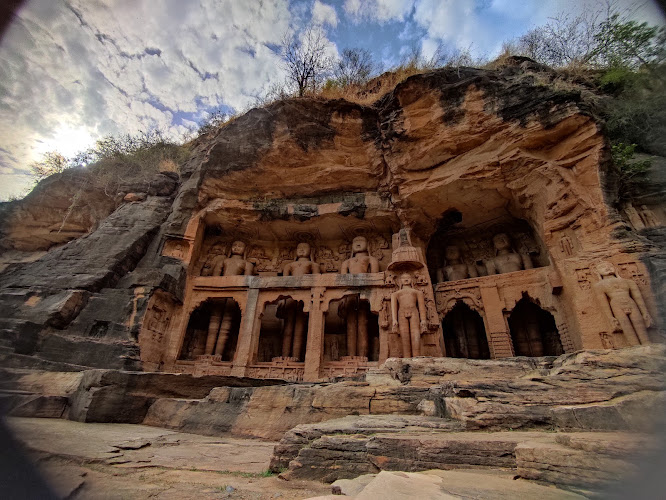
Urvai gate gwalior fort
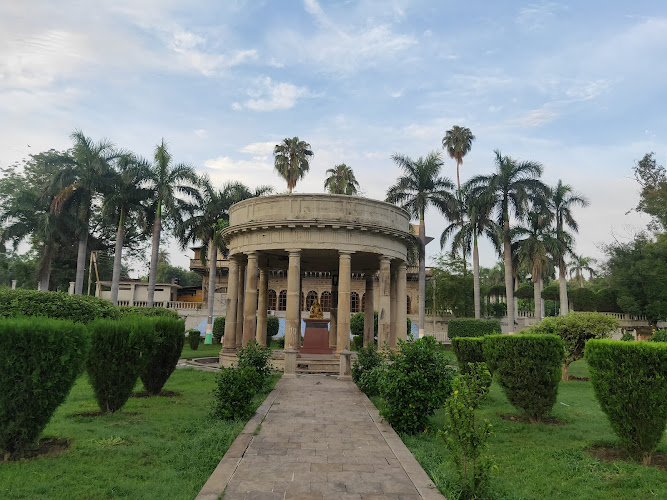
Italian Garden
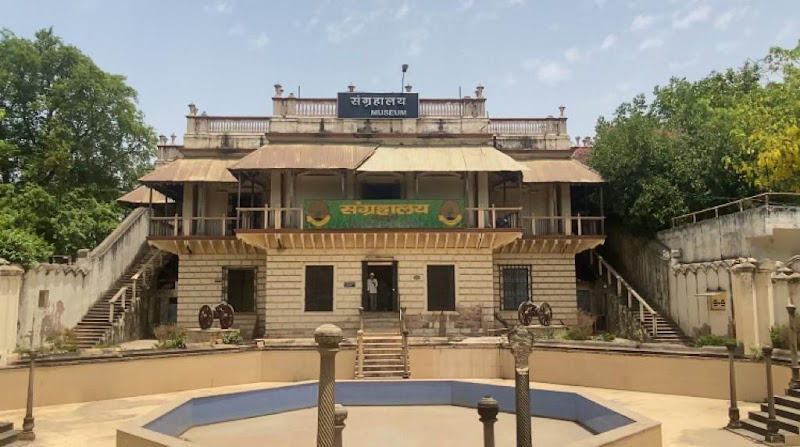
Govt. museum
Find Accommodations Nearby
Recommended Tours & Activities
Visitor Reviews
There are no reviews yet. Be the first one to write one.
Share Your Experience
Have you visited Tomb of Tansen? Help other travelers by leaving a review.