
Sun Temple Gwalior
About Sun Temple Gwalior
Description
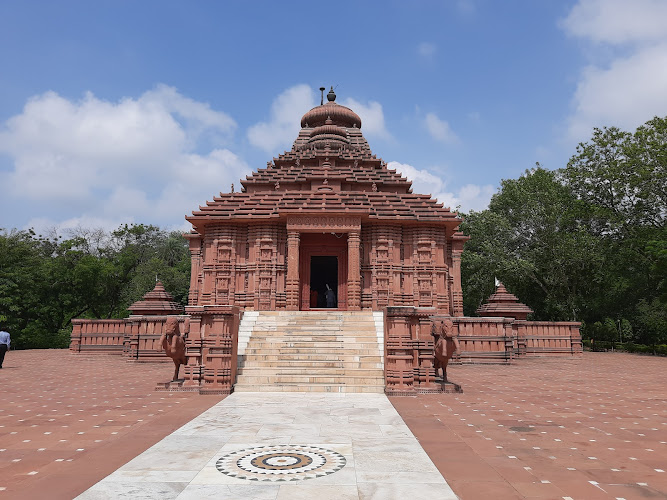
The Sun Temple in Gwalior, also known as Surya Mandir, is one of those places that quietly takes your breath away. Dedicated to the Sun God, this temple is an architectural gem built in 1988 by the well-known industrialist G.D. Birla. It’s not ancient in the way some Indian temples are, but it carries that same sense of reverence and artistry that makes you pause for a moment and just take it all in. The temple’s design draws inspiration from the famous Sun Temple in Konark, Odisha, but it has its own unique character — one that feels both modern and timeless.
Made entirely of red sandstone and white marble, the temple glows beautifully under the sunlight, especially during the golden hours of early morning and late afternoon. The intricate carvings on the walls depict scenes from Hindu mythology, celestial chariots, and the seven horses that pull the Sun God’s chariot — details that make you stop and stare. There’s something deeply peaceful about the place, even when it’s crowded. You’ll often find families sitting quietly in the gardens, couples walking hand in hand, or travelers like me just soaking in the calm after a long day exploring Gwalior Fort and the bustling city streets.
What I personally love most about the Sun Temple is its atmosphere — it’s clean, well-maintained, and surrounded by lush lawns that make you forget you’re in a busy city. The temple complex feels like a small oasis of serenity. And though it’s a relatively new structure, it has become a significant spiritual and tourist landmark in Gwalior, attracting visitors from all over India and beyond. Some come to pray, some come to admire the architecture, and others, like me, come just to feel that quiet connection with something bigger than ourselves.
Key Features
- Architectural Design: Inspired by the Sun Temple of Konark, featuring red sandstone exteriors and white marble interiors that shine brilliantly under the sun.
- Carvings and Sculptures: Detailed depictions of the Sun God’s chariot, horses, and divine figures that showcase the artistry of modern temple craftsmanship.
- Peaceful Gardens: Expansive green lawns and shaded areas perfect for a leisurely stroll or quiet reflection.
- Spiritual Ambience: A calm, meditative environment that appeals to both devotees and travelers seeking tranquility.
- Accessibility: The temple is wheelchair accessible, with convenient parking and well-maintained pathways for all visitors.
- Photography: A popular spot for photographers due to its symmetry, color contrast, and the way light plays across the red sandstone.
- Maintenance: Managed by the Birla Trust, ensuring cleanliness and upkeep that make it one of Gwalior’s most organized attractions.
Best Time to Visit
If you ask me, the best time to visit the Sun Temple is during the cooler months — from October to March — when the weather in Gwalior is pleasant enough to walk around without feeling like you’re melting. The mornings are crisp, and the sunlight hits the temple just right, making those red stones glow like embers. It’s also less crowded early in the day, so you can enjoy the serenity before tour groups start arriving.
Evenings are quite special too. As the sun begins to set, the temple takes on a soft, golden hue that feels almost magical. I once sat there watching the light fade, and honestly, it felt like time slowed down for a bit. Avoid the peak summer months (April to June) unless you’re really used to the heat — temperatures can soar past 40°C, and even the most devoted traveler might find it tough to enjoy the experience fully. Monsoon season, from July to September, brings lush greenery, but occasional downpours can make travel unpredictable.
How to Get There
Reaching the Sun Temple is quite straightforward. It’s located in the Morar area of Gwalior, easily accessible from major parts of the city. If you’re coming from Gwalior Junction railway station, it’s about a 20-minute drive. Auto-rickshaws and cabs are available almost everywhere in the city, and they’ll drop you right at the entrance. For those driving in, there’s ample parking space near the temple complex — something that’s not always a given at popular tourist spots in India.
If you’re traveling from other cities, Gwalior is well-connected by road, rail, and air. The Gwalior Airport has regular flights from Delhi, Mumbai, and other major cities. From there, you can hire a taxi or use local transport to reach the temple. The roads are in good condition, and the route itself passes through some lovely old neighborhoods, giving you a glimpse of everyday life in this historic city. Personally, I’d recommend hiring a local driver or guide if you want to explore more temples and landmarks nearby — they often share fascinating stories that you won’t find in guidebooks.
Tips for Visiting
Here’s the thing — while the Sun Temple is a peaceful place, it’s still a popular attraction, so a little planning goes a long way. From my own visits and a few lessons learned the hard way, here are some tips that might make your trip smoother and more enjoyable:
- Arrive early: The temple opens around sunrise, and mornings are the best time to experience its calm energy without the crowds.
- Respect the sanctity: Photography is allowed in certain areas, but avoid taking pictures inside the sanctum where people are praying.
- Dress modestly: It’s a place of worship, so comfortable yet respectful clothing is appreciated.
- Carry water: Especially during warmer months — the temple grounds are spacious, and you’ll want to stay hydrated.
- Take your time: Don’t rush. Sit in the gardens, watch the sunlight shift across the carvings, and just breathe for a while. It’s worth it.
- Combine your visit: If you’re exploring Gwalior, plan to visit the Gwalior Fort, Jai Vilas Palace, or the Tansen Tomb on the same day. They’re all within a reasonable distance.
- Accessibility: The temple is wheelchair-friendly, and the staff are generally helpful if you need assistance.
- Evening visits: If you can, return during sunset. The lighting transforms the entire structure into something ethereal — it’s one of those moments you’ll remember long after your trip.
And one more thing — don’t just visit the Sun Temple because it’s on a checklist. Go because you want to feel what it’s like to stand in a place where devotion meets artistry. Whether you’re religious or not, there’s something profoundly human about spaces like this — built with care, faith, and a deep sense of beauty. Every time I’ve been there, I’ve walked away a little more grounded, a little more peaceful. Maybe you will too.
So, if you’re planning a trip to Gwalior, make sure the Sun Temple is on your list. It’s not just another temple — it’s a story carved in stone, a quiet conversation between the divine and the everyday. And honestly, it’s one of those rare places that feels just as beautiful the second (or third) time you visit.
Key Features
- Key Features
- Best Time to Visit
- How to Get There
- Tips for Visiting
More Details
Updated October 10, 2025
Table of Contents
Description
The Sun Temple in Gwalior, also known as Surya Mandir, is one of those places that quietly takes your breath away. Dedicated to the Sun God, this temple is an architectural gem built in 1988 by the well-known industrialist G.D. Birla. It’s not ancient in the way some Indian temples are, but it carries that same sense of reverence and artistry that makes you pause for a moment and just take it all in. The temple’s design draws inspiration from the famous Sun Temple in Konark, Odisha, but it has its own unique character — one that feels both modern and timeless.
Made entirely of red sandstone and white marble, the temple glows beautifully under the sunlight, especially during the golden hours of early morning and late afternoon. The intricate carvings on the walls depict scenes from Hindu mythology, celestial chariots, and the seven horses that pull the Sun God’s chariot — details that make you stop and stare. There’s something deeply peaceful about the place, even when it’s crowded. You’ll often find families sitting quietly in the gardens, couples walking hand in hand, or travelers like me just soaking in the calm after a long day exploring Gwalior Fort and the bustling city streets.
What I personally love most about the Sun Temple is its atmosphere — it’s clean, well-maintained, and surrounded by lush lawns that make you forget you’re in a busy city. The temple complex feels like a small oasis of serenity. And though it’s a relatively new structure, it has become a significant spiritual and tourist landmark in Gwalior, attracting visitors from all over India and beyond. Some come to pray, some come to admire the architecture, and others, like me, come just to feel that quiet connection with something bigger than ourselves.
Key Features
- Architectural Design: Inspired by the Sun Temple of Konark, featuring red sandstone exteriors and white marble interiors that shine brilliantly under the sun.
- Carvings and Sculptures: Detailed depictions of the Sun God’s chariot, horses, and divine figures that showcase the artistry of modern temple craftsmanship.
- Peaceful Gardens: Expansive green lawns and shaded areas perfect for a leisurely stroll or quiet reflection.
- Spiritual Ambience: A calm, meditative environment that appeals to both devotees and travelers seeking tranquility.
- Accessibility: The temple is wheelchair accessible, with convenient parking and well-maintained pathways for all visitors.
- Photography: A popular spot for photographers due to its symmetry, color contrast, and the way light plays across the red sandstone.
- Maintenance: Managed by the Birla Trust, ensuring cleanliness and upkeep that make it one of Gwalior’s most organized attractions.
Best Time to Visit
If you ask me, the best time to visit the Sun Temple is during the cooler months — from October to March — when the weather in Gwalior is pleasant enough to walk around without feeling like you’re melting. The mornings are crisp, and the sunlight hits the temple just right, making those red stones glow like embers. It’s also less crowded early in the day, so you can enjoy the serenity before tour groups start arriving.
Evenings are quite special too. As the sun begins to set, the temple takes on a soft, golden hue that feels almost magical. I once sat there watching the light fade, and honestly, it felt like time slowed down for a bit. Avoid the peak summer months (April to June) unless you’re really used to the heat — temperatures can soar past 40°C, and even the most devoted traveler might find it tough to enjoy the experience fully. Monsoon season, from July to September, brings lush greenery, but occasional downpours can make travel unpredictable.
How to Get There
Reaching the Sun Temple is quite straightforward. It’s located in the Morar area of Gwalior, easily accessible from major parts of the city. If you’re coming from Gwalior Junction railway station, it’s about a 20-minute drive. Auto-rickshaws and cabs are available almost everywhere in the city, and they’ll drop you right at the entrance. For those driving in, there’s ample parking space near the temple complex — something that’s not always a given at popular tourist spots in India.
If you’re traveling from other cities, Gwalior is well-connected by road, rail, and air. The Gwalior Airport has regular flights from Delhi, Mumbai, and other major cities. From there, you can hire a taxi or use local transport to reach the temple. The roads are in good condition, and the route itself passes through some lovely old neighborhoods, giving you a glimpse of everyday life in this historic city. Personally, I’d recommend hiring a local driver or guide if you want to explore more temples and landmarks nearby — they often share fascinating stories that you won’t find in guidebooks.
Tips for Visiting
Here’s the thing — while the Sun Temple is a peaceful place, it’s still a popular attraction, so a little planning goes a long way. From my own visits and a few lessons learned the hard way, here are some tips that might make your trip smoother and more enjoyable:
- Arrive early: The temple opens around sunrise, and mornings are the best time to experience its calm energy without the crowds.
- Respect the sanctity: Photography is allowed in certain areas, but avoid taking pictures inside the sanctum where people are praying.
- Dress modestly: It’s a place of worship, so comfortable yet respectful clothing is appreciated.
- Carry water: Especially during warmer months — the temple grounds are spacious, and you’ll want to stay hydrated.
- Take your time: Don’t rush. Sit in the gardens, watch the sunlight shift across the carvings, and just breathe for a while. It’s worth it.
- Combine your visit: If you’re exploring Gwalior, plan to visit the Gwalior Fort, Jai Vilas Palace, or the Tansen Tomb on the same day. They’re all within a reasonable distance.
- Accessibility: The temple is wheelchair-friendly, and the staff are generally helpful if you need assistance.
- Evening visits: If you can, return during sunset. The lighting transforms the entire structure into something ethereal — it’s one of those moments you’ll remember long after your trip.
And one more thing — don’t just visit the Sun Temple because it’s on a checklist. Go because you want to feel what it’s like to stand in a place where devotion meets artistry. Whether you’re religious or not, there’s something profoundly human about spaces like this — built with care, faith, and a deep sense of beauty. Every time I’ve been there, I’ve walked away a little more grounded, a little more peaceful. Maybe you will too.
So, if you’re planning a trip to Gwalior, make sure the Sun Temple is on your list. It’s not just another temple — it’s a story carved in stone, a quiet conversation between the divine and the everyday. And honestly, it’s one of those rare places that feels just as beautiful the second (or third) time you visit.
Key Highlights
- Key Features
- Best Time to Visit
- How to Get There
- Tips for Visiting
Location
Places to Stay Near Sun Temple Gwalior
Find and Book a Tour
Explore More Travel Guides
No reviews found! Be the first to review!
Traveler Reviews for Sun Temple Gwalior
There are no reviews yet. Be the first one to write one.
Have you visited Sun Temple Gwalior? Help other travelers by sharing your review.
You Might Also Like
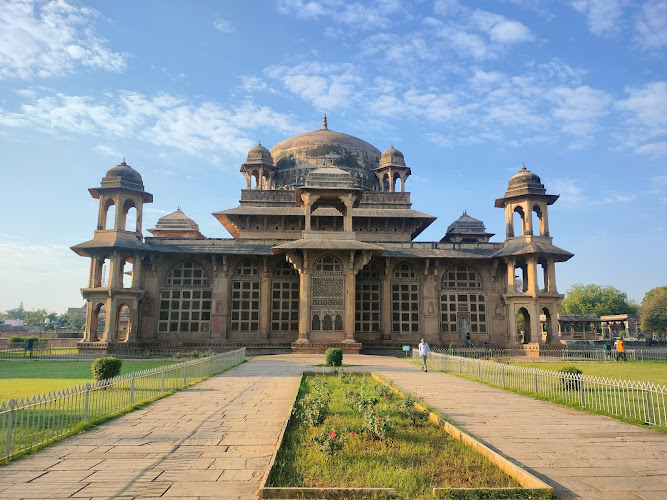
Tomb of Tansen
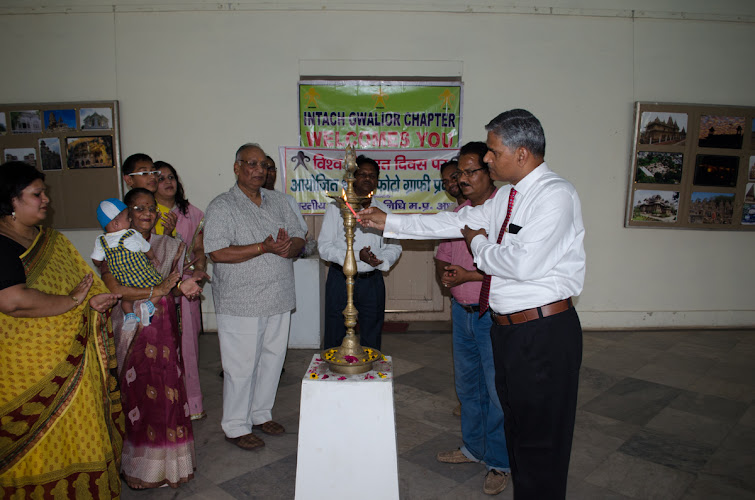
Kala Vithika

HH Maharaja Sir Jiwajirao Scindia Museum
Find Accommodations Nearby
Recommended Tours & Activities
Visitor Reviews
There are no reviews yet. Be the first one to write one.
Share Your Experience
Have you visited Sun Temple Gwalior? Help other travelers by leaving a review.