
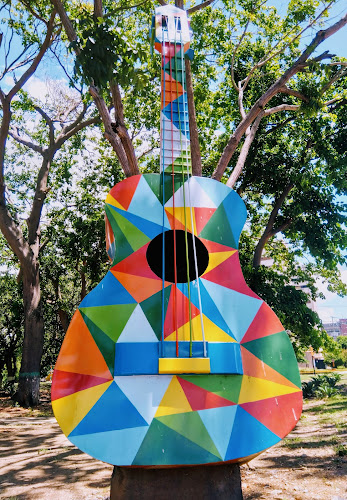
Paseo Tamunangue
About Paseo Tamunangue
Description
Paseo Tamunangue in Barquisimeto, Venezuela, is one of those places that quietly captures your heart without even trying. It’s not a massive park or a flashy tourist attraction—it’s more of a local gem, tucked away in the daily rhythm of the city. The park is named after the traditional folk dance “Tamunangue,” a dance deeply rooted in the culture of Lara State. And somehow, the spirit of that dance—the rhythm, the devotion, the sense of community—seeps into the atmosphere here. You can almost feel it when you walk through.
What makes Paseo Tamunangue truly special isn’t just the greenery or the walking paths, though those are lovely. It’s the feeling of calm that seems to hang in the air. Locals often come here for a quiet stroll, to walk their dogs, or to let their kids burn off some energy. The park is small, about one and a half acres, but it’s designed in a way that makes every corner feel purposeful. There’s a sense of space, of openness, without it feeling empty. I remember my first visit—it wasn’t planned at all. I was wandering around Barquisimeto, camera in hand, and stumbled upon it. The laughter of children playing nearby and the faint scent of arepas from a nearby vendor made me linger longer than I expected.
The park is accessible, too, which I think says a lot about its inclusivity. Wheelchair users can move around comfortably, and pet owners will be happy to know dogs are welcome. Families come here often, and you’ll notice the easy mix of generations—grandparents chatting on benches, teenagers with their music, parents keeping an eye on toddlers. It’s a slice of everyday Venezuelan life, simple yet full of heart. And honestly, that’s what makes it worth visiting. It’s not about grandeur; it’s about authenticity.
Key Features
- Scenic Walking Paths: Well-maintained paths perfect for a leisurely stroll or light exercise.
- Pet-Friendly Environment: Dogs are allowed, making it a great spot for pet owners to unwind with their furry companions.
- Family-Oriented: Safe and welcoming for kids, with open spaces for play and relaxation.
- Wheelchair Accessible: Smooth pathways and accessible entrances ensure everyone can enjoy the park comfortably.
- Cultural Connection: Named after the Tamunangue folk tradition, the park subtly celebrates the heritage of Lara State.
- Peaceful Ambiance: A calm, clean environment ideal for a quiet break from the city’s busier spots.
One thing I noticed is how locals treat it almost like an outdoor living room. You’ll see people chatting under trees, sharing snacks, and sometimes even practicing a few Tamunangue dance steps. It’s that kind of place—unpretentious but full of life. If you’re into photography, the late afternoon light here is golden, filtering through the trees in a way that makes everything look like it’s glowing. I’ve taken some of my favorite travel photos right here, without even trying too hard.
Best Time to Visit
If you’re planning to visit Paseo Tamunangue, the best time to go is early in the morning or just before sunset. The light is softer, the air cooler, and you’ll catch locals starting or ending their day. Barquisimeto can get pretty warm during midday, so unless you’re a fan of the heat, it’s better to avoid those hours. I’ve been there in June, around the time of the Tamunangue festival, and it’s a completely different experience. The entire city seems to hum with energy. You’ll see music, dancing, and a kind of joyful chaos that spills into public spaces like this park. Even if the park itself isn’t the main stage for festivities, the spirit of the celebration lingers everywhere.
For travelers who prefer quieter moments, weekdays are ideal. You’ll find fewer crowds, and the park feels almost meditative. Bring a book, maybe a thermos of coffee, and just sit for a while. It’s amazing how quickly the city noise fades once you’re inside. And if you’re lucky, you might catch a local musician strumming a cuatro under a tree—it’s not uncommon here. Those small, unscripted moments are what make travel memorable, don’t you think?
How to Get There
Reaching Paseo Tamunangue is fairly straightforward if you’re already in Barquisimeto. The park sits within the Iribarren Municipality, not far from other popular spots like Paseo Las Flores and Parque El Cardenalito del Este. If you’re staying in the central area, a short taxi ride or a local bus will get you there easily. The roads are in decent condition, and the route is simple enough that even first-time visitors won’t have much trouble finding it.
For those who enjoy walking, it’s worth making the trip on foot if you’re nearby. The surrounding streets offer a glimpse of Barquisimeto’s daily life—street vendors selling papelón con limón, the sound of motorcycles zipping by, and the occasional mural bursting with color. I once walked from a nearby café to the park, and along the way, I ended up chatting with a local artist who told me stories about how the Tamunangue dance inspired some of his work. It reminded me that sometimes the journey to a place can be just as rewarding as the destination itself.
If you’re driving, parking is usually available around the area, though it can get a bit tight during weekends or holidays. Just keep an eye on local parking signs to avoid fines. Public transport is reliable enough, but if you prefer convenience, ride-hailing apps are also an option in Barquisimeto these days. And if you’re coming from farther away—say, from Caracas or Valencia—there are intercity buses that connect directly to Barquisimeto, making it easy to include the park in a broader travel itinerary.
Tips for Visiting
Here’s the thing about Paseo Tamunangue—it’s simple, but that’s part of its charm. To make the most of your visit, keep a few things in mind:
- Bring Water and Snacks: There aren’t many vendors inside the park, so it’s smart to bring your own refreshments, especially on hot days.
- Respect Local Customs: This is a community space, so be mindful of families and local traditions. If you visit around June 13th—the feast of San Antonio de Padua—you might witness small gatherings or dance rehearsals related to the Tamunangue festival. It’s a beautiful cultural moment, so observe respectfully.
- Keep It Clean: Locals take pride in the park’s cleanliness. Bring a small bag to carry your trash out with you.
- Stay Safe: Like any urban park, it’s best to visit during daylight hours. The area is generally safe, but it’s always wise to keep an eye on your belongings.
- Capture the Moment: Don’t forget your camera. The light, the colors, the people—it’s all very photogenic in a quiet, understated way.
One personal tip? Take a moment to just sit and listen. The sounds here—birds, distant laughter, the rustle of leaves—feel like the heartbeat of Barquisimeto itself. It’s easy to rush through places when you’re traveling, checking off lists and snapping photos. But this park invites you to slow down. I remember sitting on a bench, watching a father teach his son how to fly a kite. The boy’s laughter echoed through the trees, and for a moment, everything else faded away. It reminded me why I love traveling—to find those small, human moments that make a place come alive.
Paseo Tamunangue might not be the most famous attraction in Venezuela, but it’s one of those places that stays with you. It’s humble, heartfelt, and full of quiet beauty. Whether you come for a short walk, a bit of reflection, or simply to experience a piece of Lara’s cultural soul, you’ll leave feeling a little lighter. And maybe, just maybe, you’ll find yourself humming the rhythm of the Tamunangue as you go.
Key Features
- Key Features
- Best Time to Visit
- How to Get There
- Tips for Visiting
More Details
Updated October 10, 2025
Table of Contents
Description
Paseo Tamunangue in Barquisimeto, Venezuela, is one of those places that quietly captures your heart without even trying. It’s not a massive park or a flashy tourist attraction—it’s more of a local gem, tucked away in the daily rhythm of the city. The park is named after the traditional folk dance “Tamunangue,” a dance deeply rooted in the culture of Lara State. And somehow, the spirit of that dance—the rhythm, the devotion, the sense of community—seeps into the atmosphere here. You can almost feel it when you walk through.
What makes Paseo Tamunangue truly special isn’t just the greenery or the walking paths, though those are lovely. It’s the feeling of calm that seems to hang in the air. Locals often come here for a quiet stroll, to walk their dogs, or to let their kids burn off some energy. The park is small, about one and a half acres, but it’s designed in a way that makes every corner feel purposeful. There’s a sense of space, of openness, without it feeling empty. I remember my first visit—it wasn’t planned at all. I was wandering around Barquisimeto, camera in hand, and stumbled upon it. The laughter of children playing nearby and the faint scent of arepas from a nearby vendor made me linger longer than I expected.
The park is accessible, too, which I think says a lot about its inclusivity. Wheelchair users can move around comfortably, and pet owners will be happy to know dogs are welcome. Families come here often, and you’ll notice the easy mix of generations—grandparents chatting on benches, teenagers with their music, parents keeping an eye on toddlers. It’s a slice of everyday Venezuelan life, simple yet full of heart. And honestly, that’s what makes it worth visiting. It’s not about grandeur; it’s about authenticity.
Key Features
- Scenic Walking Paths: Well-maintained paths perfect for a leisurely stroll or light exercise.
- Pet-Friendly Environment: Dogs are allowed, making it a great spot for pet owners to unwind with their furry companions.
- Family-Oriented: Safe and welcoming for kids, with open spaces for play and relaxation.
- Wheelchair Accessible: Smooth pathways and accessible entrances ensure everyone can enjoy the park comfortably.
- Cultural Connection: Named after the Tamunangue folk tradition, the park subtly celebrates the heritage of Lara State.
- Peaceful Ambiance: A calm, clean environment ideal for a quiet break from the city’s busier spots.
One thing I noticed is how locals treat it almost like an outdoor living room. You’ll see people chatting under trees, sharing snacks, and sometimes even practicing a few Tamunangue dance steps. It’s that kind of place—unpretentious but full of life. If you’re into photography, the late afternoon light here is golden, filtering through the trees in a way that makes everything look like it’s glowing. I’ve taken some of my favorite travel photos right here, without even trying too hard.
Best Time to Visit
If you’re planning to visit Paseo Tamunangue, the best time to go is early in the morning or just before sunset. The light is softer, the air cooler, and you’ll catch locals starting or ending their day. Barquisimeto can get pretty warm during midday, so unless you’re a fan of the heat, it’s better to avoid those hours. I’ve been there in June, around the time of the Tamunangue festival, and it’s a completely different experience. The entire city seems to hum with energy. You’ll see music, dancing, and a kind of joyful chaos that spills into public spaces like this park. Even if the park itself isn’t the main stage for festivities, the spirit of the celebration lingers everywhere.
For travelers who prefer quieter moments, weekdays are ideal. You’ll find fewer crowds, and the park feels almost meditative. Bring a book, maybe a thermos of coffee, and just sit for a while. It’s amazing how quickly the city noise fades once you’re inside. And if you’re lucky, you might catch a local musician strumming a cuatro under a tree—it’s not uncommon here. Those small, unscripted moments are what make travel memorable, don’t you think?
How to Get There
Reaching Paseo Tamunangue is fairly straightforward if you’re already in Barquisimeto. The park sits within the Iribarren Municipality, not far from other popular spots like Paseo Las Flores and Parque El Cardenalito del Este. If you’re staying in the central area, a short taxi ride or a local bus will get you there easily. The roads are in decent condition, and the route is simple enough that even first-time visitors won’t have much trouble finding it.
For those who enjoy walking, it’s worth making the trip on foot if you’re nearby. The surrounding streets offer a glimpse of Barquisimeto’s daily life—street vendors selling papelón con limón, the sound of motorcycles zipping by, and the occasional mural bursting with color. I once walked from a nearby café to the park, and along the way, I ended up chatting with a local artist who told me stories about how the Tamunangue dance inspired some of his work. It reminded me that sometimes the journey to a place can be just as rewarding as the destination itself.
If you’re driving, parking is usually available around the area, though it can get a bit tight during weekends or holidays. Just keep an eye on local parking signs to avoid fines. Public transport is reliable enough, but if you prefer convenience, ride-hailing apps are also an option in Barquisimeto these days. And if you’re coming from farther away—say, from Caracas or Valencia—there are intercity buses that connect directly to Barquisimeto, making it easy to include the park in a broader travel itinerary.
Tips for Visiting
Here’s the thing about Paseo Tamunangue—it’s simple, but that’s part of its charm. To make the most of your visit, keep a few things in mind:
- Bring Water and Snacks: There aren’t many vendors inside the park, so it’s smart to bring your own refreshments, especially on hot days.
- Respect Local Customs: This is a community space, so be mindful of families and local traditions. If you visit around June 13th—the feast of San Antonio de Padua—you might witness small gatherings or dance rehearsals related to the Tamunangue festival. It’s a beautiful cultural moment, so observe respectfully.
- Keep It Clean: Locals take pride in the park’s cleanliness. Bring a small bag to carry your trash out with you.
- Stay Safe: Like any urban park, it’s best to visit during daylight hours. The area is generally safe, but it’s always wise to keep an eye on your belongings.
- Capture the Moment: Don’t forget your camera. The light, the colors, the people—it’s all very photogenic in a quiet, understated way.
One personal tip? Take a moment to just sit and listen. The sounds here—birds, distant laughter, the rustle of leaves—feel like the heartbeat of Barquisimeto itself. It’s easy to rush through places when you’re traveling, checking off lists and snapping photos. But this park invites you to slow down. I remember sitting on a bench, watching a father teach his son how to fly a kite. The boy’s laughter echoed through the trees, and for a moment, everything else faded away. It reminded me why I love traveling—to find those small, human moments that make a place come alive.
Paseo Tamunangue might not be the most famous attraction in Venezuela, but it’s one of those places that stays with you. It’s humble, heartfelt, and full of quiet beauty. Whether you come for a short walk, a bit of reflection, or simply to experience a piece of Lara’s cultural soul, you’ll leave feeling a little lighter. And maybe, just maybe, you’ll find yourself humming the rhythm of the Tamunangue as you go.
Key Highlights
- Key Features
- Best Time to Visit
- How to Get There
- Tips for Visiting
Location
Places to Stay Near Paseo Tamunangue
Find and Book a Tour
Explore More Travel Guides
No reviews found! Be the first to review!
Traveler Reviews for Paseo Tamunangue
There are no reviews yet. Be the first one to write one.
Have you visited Paseo Tamunangue? Help other travelers by sharing your review.
You Might Also Like
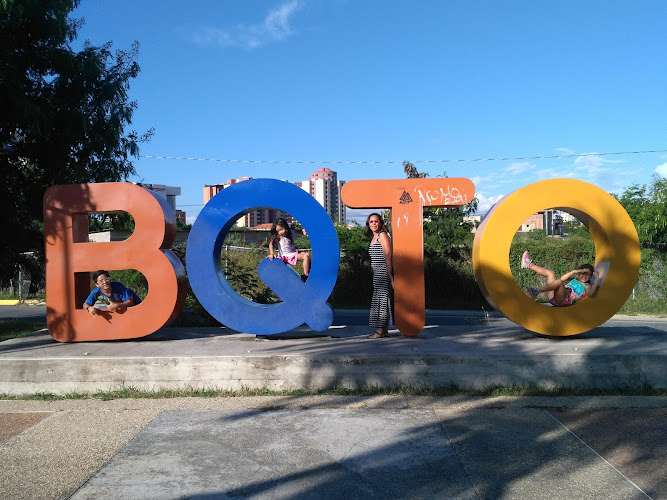
Paseo Juan Guillermo Iribarren
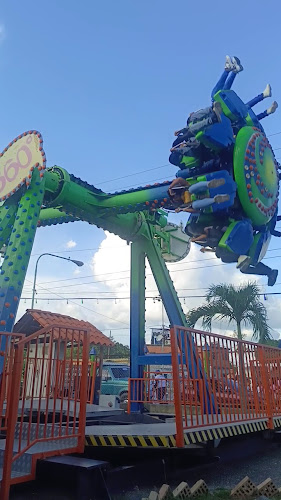
Chicolandia
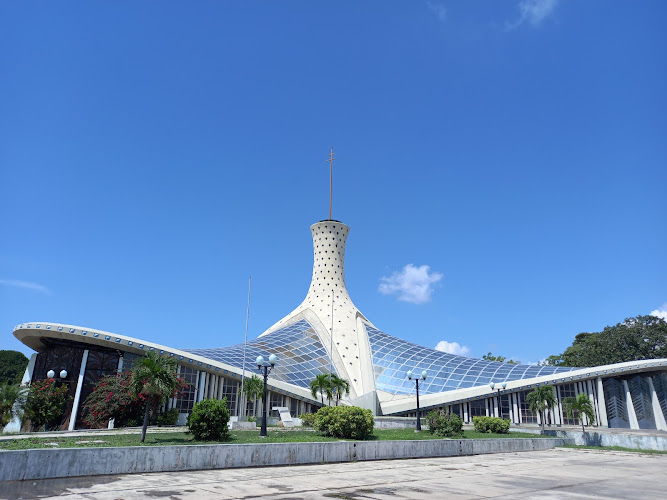
Cathedral of Barquisimeto
Find Accommodations Nearby
Recommended Tours & Activities
Visitor Reviews
There are no reviews yet. Be the first one to write one.
Share Your Experience
Have you visited Paseo Tamunangue? Help other travelers by leaving a review.