
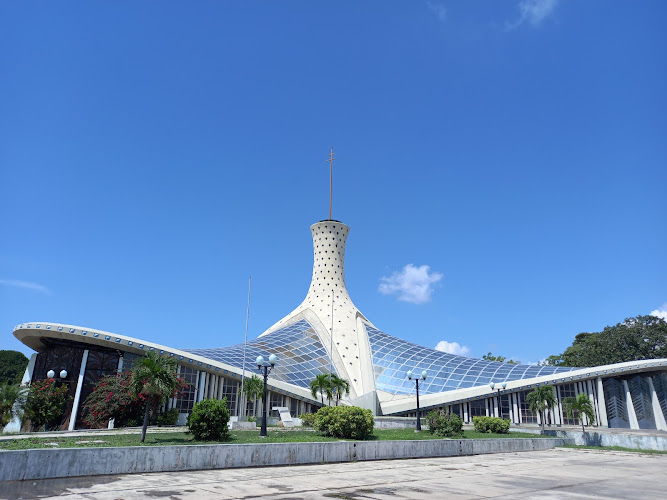
Cathedral of Barquisimeto
About Cathedral of Barquisimeto
Description
The Cathedral of Barquisimeto, officially known as the Cathedral of Our Lady of Mount Carmel, is one of those places that quietly leaves a mark on you. It’s not just another church—it’s an architectural statement sitting right in the heart of Barquisimeto, Venezuela. Designed by the talented architect Jan Bergkamp in the 1960s, this cathedral stands out for its futuristic design that looks like an inverted flower blooming toward the earth. I remember the first time I saw it—I actually stopped mid-step. It’s not every day you see a church that looks like it belongs in both the past and the future at the same time.
Inside, the cathedral feels calm yet powerful. The sunlight filters through its glass panels, casting soft patterns on the floor that shift as the day moves on. There’s something almost hypnotic about it. The structure itself is made up of steel and glass, a bold departure from the traditional stone cathedrals most people picture. And yet, it still manages to feel sacred, like it knows it’s carrying centuries of faith within its modern frame.
Travelers often describe the atmosphere as serene, even if they’re not particularly religious. You can sit quietly in one of the pews and just breathe for a while. The acoustics are another thing entirely—when the choir sings or the organ plays, the sound fills every corner, wrapping around you like a warm blanket. It’s no wonder that so many visitors leave with a sense of peace and awe. Sure, some people might say it’s too modern or a bit stark compared to the ornate cathedrals of Europe, but that’s part of its charm. It’s unapologetically different.
Key Features
- Unique architectural design resembling an inverted flower, symbolizing renewal and devotion.
- Massive steel and glass structure that allows natural light to illuminate the interior beautifully throughout the day.
- Separate bell tower located outside the main building, adding a distinctive silhouette to the skyline.
- Modernist design by Dutch architect Jan Bergkamp, marking one of his most notable projects in Latin America.
- Accessible facilities, including wheelchair-friendly entrances and parking areas.
- Recycling initiatives on-site, including clothing donation options for locals and visitors alike.
- Spiritual and cultural hub for the city, often hosting special masses, concerts, and local festivities.
One of my favorite little details is how the cathedral’s roof panels seem to shift color depending on the time of day. In the morning, it’s all soft golds and whites; by late afternoon, the light turns amber and the whole place glows like it’s alive. It’s a photographer’s dream, honestly. I’ve seen people spend hours there, waiting for that perfect shot when the light hits just right.
Best Time to Visit
If you’re planning a trip, I’d say the best time to visit the Cathedral of Barquisimeto is in the early morning or late afternoon. That’s when the sunlight plays its magic on the glass panels and the interior feels almost ethereal. The weather in Barquisimeto is generally warm year-round, but visiting during the dry season—from December to April—makes exploring the area more comfortable.
Sundays are particularly special. The cathedral comes alive with locals attending mass, and you can feel the pulse of the community. Even if you’re not religious, it’s worth experiencing that energy—it’s a glimpse into Venezuelan culture that you just can’t get from a guidebook. On the flip side, if you prefer a quieter visit for photography or contemplation, weekdays in the morning are perfect. You’ll often find yourself almost alone inside, with just the soft hum of the city outside.
How to Get There
Getting to the cathedral is fairly straightforward if you’re already in Barquisimeto. The city is well-connected by local buses and taxis, and most drivers know exactly where the cathedral is—it’s one of the city’s most iconic landmarks. If you’re driving, there’s accessible parking nearby, which is a huge plus.
For travelers coming from other parts of Venezuela, Barquisimeto can be reached by bus from major cities like Caracas or Maracaibo. The journey might take a few hours, but the roads are generally decent, and the scenery along the way—rolling hills and stretches of farmland—makes it worth it. Once you arrive, the cathedral isn’t far from the city center, so you can easily include it as part of a walking tour of local attractions.
I once took a local bus there on a whim after hearing about its design from a fellow traveler. The ride was bumpy, the driver played loud salsa music the entire time, and I remember thinking, “This is exactly the kind of chaos that makes travel fun.” When I finally stepped off and saw the cathedral’s flower-like form rising against the skyline, it felt like the perfect contrast—peace after noise, calm after motion.
Tips for Visiting
A few simple tips can make your visit smoother and more meaningful. First, dress modestly—it’s still a place of worship, and locals appreciate visitors who show respect. Light clothing is best, though, because Barquisimeto can get quite warm. If you plan to take photos (and you absolutely should), try to go when the sun is lower in the sky for the best lighting. Morning light gives the cathedral a soft glow, while late afternoon adds a golden hue that’s hard to beat.
If you’re someone who enjoys learning about architecture, take a moment to walk around the outside before heading in. The design is best appreciated from different angles, and you’ll notice how the structure seems to change shape depending on where you stand. And don’t rush it—this is one of those places that rewards slow exploration. Sit for a while, listen to the sounds around you, maybe even chat with a local. People here are friendly and proud of their city’s landmark, and you might hear a few interesting stories about how the cathedral came to be.
Another tip: bring a small donation if you can. The cathedral often supports local community programs, and those contributions go a long way. Also, keep in mind that while photography is generally allowed, avoid using flash during services—it can be distracting.
If you’re traveling with someone who uses a wheelchair or has mobility concerns, you’ll be glad to know the cathedral is accessible. The entrance and parking areas are designed with inclusivity in mind, which isn’t always the case with historical sites in Latin America. That’s one of the things I personally appreciate most about this place—it’s modern not just in design but in spirit.
And here’s a small personal recommendation: after your visit, grab a coffee or a cold drink from one of the nearby cafés. Sit outside, look back at the cathedral, and just take it all in. The way it stands—graceful, bold, and quietly spiritual—says a lot about Barquisimeto itself. It’s a city that honors its past while looking confidently toward the future.
The Cathedral of Barquisimeto isn’t just a stop on a sightseeing list; it’s an experience that lingers. Whether you’re drawn by faith, architecture, or simple curiosity, this remarkable structure invites you to pause and reflect. And honestly, isn’t that what travel is all about?
Key Features
- Unique architectural design resembling an inverted flower, symbolizing renewal and devotion.
- Massive steel and glass structure that allows natural light to illuminate the interior beautifully throughout the day.
- Separate bell tower located outside the main building, adding a distinctive silhouette to the skyline.
- Modernist design by Dutch architect Jan Bergkamp, marking one of his most notable projects in Latin America.
- Accessible facilities, including wheelchair-friendly entrances and parking areas.
- Recycling initiatives on-site, including clothing donation options for locals and visitors alike.
- Spiritual and cultural hub for the city, often hosting special masses, concerts, and local festivities.
More Details
Updated October 10, 2025
Table of Contents
Description
The Cathedral of Barquisimeto, officially known as the Cathedral of Our Lady of Mount Carmel, is one of those places that quietly leaves a mark on you. It’s not just another church—it’s an architectural statement sitting right in the heart of Barquisimeto, Venezuela. Designed by the talented architect Jan Bergkamp in the 1960s, this cathedral stands out for its futuristic design that looks like an inverted flower blooming toward the earth. I remember the first time I saw it—I actually stopped mid-step. It’s not every day you see a church that looks like it belongs in both the past and the future at the same time.
Inside, the cathedral feels calm yet powerful. The sunlight filters through its glass panels, casting soft patterns on the floor that shift as the day moves on. There’s something almost hypnotic about it. The structure itself is made up of steel and glass, a bold departure from the traditional stone cathedrals most people picture. And yet, it still manages to feel sacred, like it knows it’s carrying centuries of faith within its modern frame.
Travelers often describe the atmosphere as serene, even if they’re not particularly religious. You can sit quietly in one of the pews and just breathe for a while. The acoustics are another thing entirely—when the choir sings or the organ plays, the sound fills every corner, wrapping around you like a warm blanket. It’s no wonder that so many visitors leave with a sense of peace and awe. Sure, some people might say it’s too modern or a bit stark compared to the ornate cathedrals of Europe, but that’s part of its charm. It’s unapologetically different.
Key Features
- Unique architectural design resembling an inverted flower, symbolizing renewal and devotion.
- Massive steel and glass structure that allows natural light to illuminate the interior beautifully throughout the day.
- Separate bell tower located outside the main building, adding a distinctive silhouette to the skyline.
- Modernist design by Dutch architect Jan Bergkamp, marking one of his most notable projects in Latin America.
- Accessible facilities, including wheelchair-friendly entrances and parking areas.
- Recycling initiatives on-site, including clothing donation options for locals and visitors alike.
- Spiritual and cultural hub for the city, often hosting special masses, concerts, and local festivities.
One of my favorite little details is how the cathedral’s roof panels seem to shift color depending on the time of day. In the morning, it’s all soft golds and whites; by late afternoon, the light turns amber and the whole place glows like it’s alive. It’s a photographer’s dream, honestly. I’ve seen people spend hours there, waiting for that perfect shot when the light hits just right.
Best Time to Visit
If you’re planning a trip, I’d say the best time to visit the Cathedral of Barquisimeto is in the early morning or late afternoon. That’s when the sunlight plays its magic on the glass panels and the interior feels almost ethereal. The weather in Barquisimeto is generally warm year-round, but visiting during the dry season—from December to April—makes exploring the area more comfortable.
Sundays are particularly special. The cathedral comes alive with locals attending mass, and you can feel the pulse of the community. Even if you’re not religious, it’s worth experiencing that energy—it’s a glimpse into Venezuelan culture that you just can’t get from a guidebook. On the flip side, if you prefer a quieter visit for photography or contemplation, weekdays in the morning are perfect. You’ll often find yourself almost alone inside, with just the soft hum of the city outside.
How to Get There
Getting to the cathedral is fairly straightforward if you’re already in Barquisimeto. The city is well-connected by local buses and taxis, and most drivers know exactly where the cathedral is—it’s one of the city’s most iconic landmarks. If you’re driving, there’s accessible parking nearby, which is a huge plus.
For travelers coming from other parts of Venezuela, Barquisimeto can be reached by bus from major cities like Caracas or Maracaibo. The journey might take a few hours, but the roads are generally decent, and the scenery along the way—rolling hills and stretches of farmland—makes it worth it. Once you arrive, the cathedral isn’t far from the city center, so you can easily include it as part of a walking tour of local attractions.
I once took a local bus there on a whim after hearing about its design from a fellow traveler. The ride was bumpy, the driver played loud salsa music the entire time, and I remember thinking, “This is exactly the kind of chaos that makes travel fun.” When I finally stepped off and saw the cathedral’s flower-like form rising against the skyline, it felt like the perfect contrast—peace after noise, calm after motion.
Tips for Visiting
A few simple tips can make your visit smoother and more meaningful. First, dress modestly—it’s still a place of worship, and locals appreciate visitors who show respect. Light clothing is best, though, because Barquisimeto can get quite warm. If you plan to take photos (and you absolutely should), try to go when the sun is lower in the sky for the best lighting. Morning light gives the cathedral a soft glow, while late afternoon adds a golden hue that’s hard to beat.
If you’re someone who enjoys learning about architecture, take a moment to walk around the outside before heading in. The design is best appreciated from different angles, and you’ll notice how the structure seems to change shape depending on where you stand. And don’t rush it—this is one of those places that rewards slow exploration. Sit for a while, listen to the sounds around you, maybe even chat with a local. People here are friendly and proud of their city’s landmark, and you might hear a few interesting stories about how the cathedral came to be.
Another tip: bring a small donation if you can. The cathedral often supports local community programs, and those contributions go a long way. Also, keep in mind that while photography is generally allowed, avoid using flash during services—it can be distracting.
If you’re traveling with someone who uses a wheelchair or has mobility concerns, you’ll be glad to know the cathedral is accessible. The entrance and parking areas are designed with inclusivity in mind, which isn’t always the case with historical sites in Latin America. That’s one of the things I personally appreciate most about this place—it’s modern not just in design but in spirit.
And here’s a small personal recommendation: after your visit, grab a coffee or a cold drink from one of the nearby cafés. Sit outside, look back at the cathedral, and just take it all in. The way it stands—graceful, bold, and quietly spiritual—says a lot about Barquisimeto itself. It’s a city that honors its past while looking confidently toward the future.
The Cathedral of Barquisimeto isn’t just a stop on a sightseeing list; it’s an experience that lingers. Whether you’re drawn by faith, architecture, or simple curiosity, this remarkable structure invites you to pause and reflect. And honestly, isn’t that what travel is all about?
Key Highlights
- Unique architectural design resembling an inverted flower, symbolizing renewal and devotion.
- Massive steel and glass structure that allows natural light to illuminate the interior beautifully throughout the day.
- Separate bell tower located outside the main building, adding a distinctive silhouette to the skyline.
- Modernist design by Dutch architect Jan Bergkamp, marking one of his most notable projects in Latin America.
- Accessible facilities, including wheelchair-friendly entrances and parking areas.
- Recycling initiatives on-site, including clothing donation options for locals and visitors alike.
- Spiritual and cultural hub for the city, often hosting special masses, concerts, and local festivities.
Location
Places to Stay Near Cathedral of Barquisimeto
Find and Book a Tour
Explore More Travel Guides
No reviews found! Be the first to review!
Traveler Reviews for Cathedral of Barquisimeto
There are no reviews yet. Be the first one to write one.
Have you visited Cathedral of Barquisimeto? Help other travelers by sharing your review.
You Might Also Like
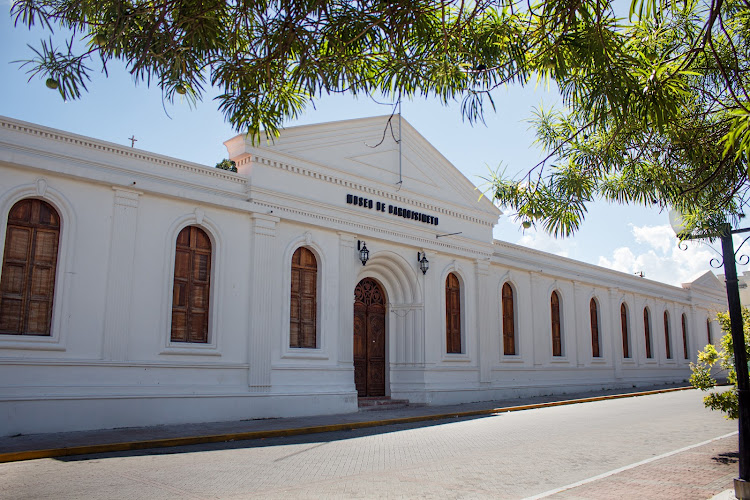
Museo de Barquisimeto

Chicolandia
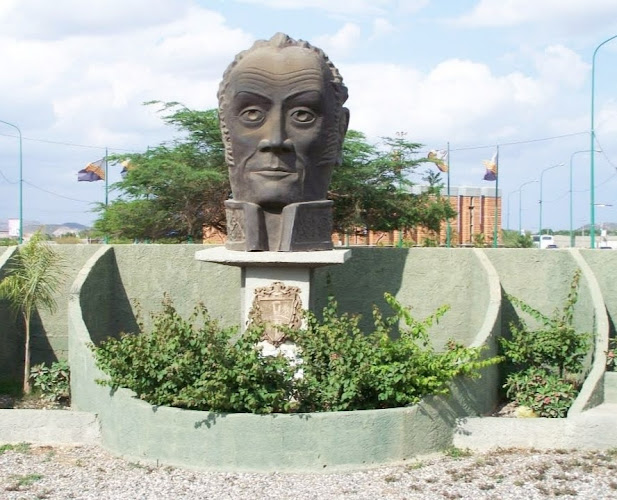
Cardenalito Del Oeste
Find Accommodations Nearby
Recommended Tours & Activities
Visitor Reviews
There are no reviews yet. Be the first one to write one.
Share Your Experience
Have you visited Cathedral of Barquisimeto? Help other travelers by leaving a review.