
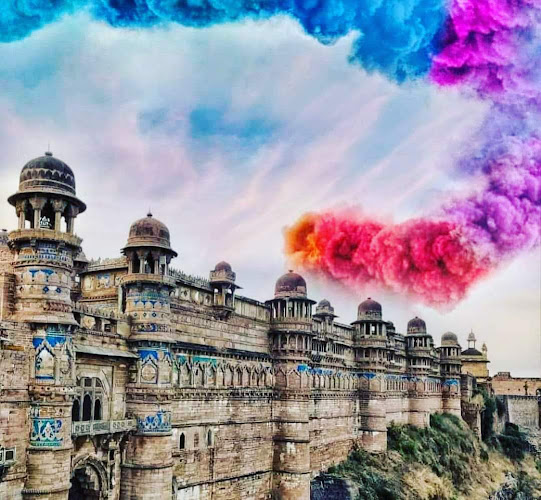
Gwalior Fort
About Gwalior Fort
Description
Gwalior Fort stands like a silent storyteller on a rugged hill, overlooking the city of Gwalior with centuries of tales etched into its sandstone walls. Often called the “pearl among Indian hill forts,” it’s not just a fortress—it’s a living chronicle of India’s layered history. The fort’s origins trace back to around 727 CE, making it one of the oldest surviving hill forts in the country. Over the centuries, it has seen rulers come and go—the Tomars, Mughals, Marathas, and the Scindias—all leaving behind their marks, both architectural and cultural.
Walking through the massive gateways and ramparts, one can almost hear echoes of royal processions and the clang of swords from long-forgotten battles. The architecture is a mix of Rajput grandeur and Mughal finesse, with intricate carvings, blue-tiled facades, and temples that seem to defy time itself. Personally, the first time I stood before the fort’s towering walls, I felt an odd mix of awe and humility. You can’t help but think about the sheer human effort that went into building something so magnificent centuries ago without modern machinery.
Visitors often describe the fort as both majestic and mysterious. Some are drawn to its panoramic views of Gwalior city below, while others come for its deep historical resonance. And yes, while it can get crowded during weekends, there’s always a quiet corner where you can sit, breathe, and feel the wind carrying whispers of the past. The fort is well-maintained today, with accessible paths, paid parking, and even wheelchair-friendly entrances, which is honestly refreshing for a heritage site of this age. It’s also surprisingly kid-friendly—children seem to love climbing the old stone steps and imagining themselves as tiny warriors defending the fort.
Key Features
- Man Singh Palace: The crown jewel of the fort, this 15th-century palace is famous for its brilliant blue-tiled façade and intricate latticework. Inside, you’ll find ornate chambers and balconies that once hosted royal gatherings.
- Gurjari Mahal: Built by Raja Man Singh for his beloved queen Mrignayani, this palace now houses an archaeological museum filled with ancient sculptures and artifacts.
- Sas Bahu Temples: Despite the name, these twin temples are dedicated to Lord Vishnu and are masterpieces of intricate stone carvings.
- Teli Ka Mandir: A unique blend of Dravidian and North Indian styles, this temple’s towering shikhara is visible from far away.
- Light and Sound Show: Held every evening, this show brings the fort’s history alive through narration, music, and lights—definitely worth staying for.
- Panoramic Views: The vantage points from the fort offer stunning views of Gwalior city, especially at sunset when the skyline glows golden.
- Accessibility: Wheelchair-accessible entrances and parking make it easier for everyone to explore this historical site comfortably.
Best Time to Visit
If you ask me, the fort feels different depending on when you visit. The best time, hands down, is between October and March. The weather is pleasant, the skies are clear, and the sandstone walls seem to absorb the winter sun just right. Summers, on the other hand, can be punishingly hot—Madhya Pradesh doesn’t go easy on the thermometer. Monsoons have their charm too; the fort looks almost mystical when rain clouds roll in and the hill turns lush green. But if you’re planning to explore every nook and corner, cooler weather will make your experience far more enjoyable.
Morning hours are ideal if you want to avoid crowds and catch the fort bathed in soft sunlight. Evenings are perfect for photographers and romantics alike—watching the city lights flicker below as the sun dips behind the horizon is a sight that lingers in memory long after you’ve left.
How to Get There
Reaching Gwalior Fort is fairly straightforward, whether you’re coming from within Madhya Pradesh or another part of India. The city of Gwalior is well-connected by rail, road, and air. The fort itself sits atop a steep hill, about 3 kilometers from the main city center. You can either drive up or, if you’re feeling adventurous, take a brisk walk up the winding path—it’s a bit of a climb, but the views along the way make it worth the effort.
Auto-rickshaws and taxis are readily available, and for those who prefer convenience, there are guided tours that include transport and entry tickets. Personally, I recommend hiring a local guide once you reach the fort. They often share stories and legends that you won’t find in any history book—like the one about the saint who blessed Suraj Sen, the fort’s legendary founder, leading to the construction of the sacred tank that gave Gwalior its name.
Tips for Visiting
Here’s the thing about Gwalior Fort—it’s massive. You’ll want to plan your visit properly to make the most of it. Here are some tips that might help:
- Start early: The fort opens in the morning, and it’s best to arrive early to avoid the midday heat and crowds.
- Wear comfortable shoes: There’s a lot of walking and climbing involved, so sturdy footwear is a must.
- Carry water and snacks: While there are small stalls near the entrance, it’s better to bring your own, especially if you’re traveling with kids.
- Stay for the light and sound show: It’s a fantastic way to end your visit, giving you a deeper appreciation of the fort’s history.
- Photography: Bring your camera or phone fully charged—every corner of this fort is photogenic. Morning and evening light work wonders for pictures.
- Hire a guide: A local guide not only enhances your experience but also supports the local economy.
- Respect the heritage: Avoid touching carvings or littering. The fort has survived over a thousand years; let’s help it survive a thousand more.
One more thing—don’t rush. Gwalior Fort isn’t the kind of place you “check off” a list. It’s a place you experience. Sit on the ramparts, listen to the wind, and imagine the centuries of history that unfolded here. I remember sitting near the edge of the Man Singh Palace complex, watching the sun dip below the city, and thinking how small we are in the grand timeline of history. That’s the kind of feeling this fort gives you—a sense of wonder, humility, and connection.
So, if you’re planning a trip to Madhya Pradesh, make sure Gwalior Fort is on your list. It’s not just another tourist spot—it’s a journey through time, a glimpse into India’s royal past, and a reminder of the artistry and resilience that define this land. Whether you’re a history buff, a photographer, or just someone who loves discovering new corners of the world, this fort will leave you with stories to tell and memories to keep.
Key Features
- Key Features
- Best Time to Visit
- How to Get There
- Tips for Visiting
More Details
Updated October 10, 2025
Table of Contents
Description
Gwalior Fort stands like a silent storyteller on a rugged hill, overlooking the city of Gwalior with centuries of tales etched into its sandstone walls. Often called the “pearl among Indian hill forts,” it’s not just a fortress—it’s a living chronicle of India’s layered history. The fort’s origins trace back to around 727 CE, making it one of the oldest surviving hill forts in the country. Over the centuries, it has seen rulers come and go—the Tomars, Mughals, Marathas, and the Scindias—all leaving behind their marks, both architectural and cultural.
Walking through the massive gateways and ramparts, one can almost hear echoes of royal processions and the clang of swords from long-forgotten battles. The architecture is a mix of Rajput grandeur and Mughal finesse, with intricate carvings, blue-tiled facades, and temples that seem to defy time itself. Personally, the first time I stood before the fort’s towering walls, I felt an odd mix of awe and humility. You can’t help but think about the sheer human effort that went into building something so magnificent centuries ago without modern machinery.
Visitors often describe the fort as both majestic and mysterious. Some are drawn to its panoramic views of Gwalior city below, while others come for its deep historical resonance. And yes, while it can get crowded during weekends, there’s always a quiet corner where you can sit, breathe, and feel the wind carrying whispers of the past. The fort is well-maintained today, with accessible paths, paid parking, and even wheelchair-friendly entrances, which is honestly refreshing for a heritage site of this age. It’s also surprisingly kid-friendly—children seem to love climbing the old stone steps and imagining themselves as tiny warriors defending the fort.
Key Features
- Man Singh Palace: The crown jewel of the fort, this 15th-century palace is famous for its brilliant blue-tiled façade and intricate latticework. Inside, you’ll find ornate chambers and balconies that once hosted royal gatherings.
- Gurjari Mahal: Built by Raja Man Singh for his beloved queen Mrignayani, this palace now houses an archaeological museum filled with ancient sculptures and artifacts.
- Sas Bahu Temples: Despite the name, these twin temples are dedicated to Lord Vishnu and are masterpieces of intricate stone carvings.
- Teli Ka Mandir: A unique blend of Dravidian and North Indian styles, this temple’s towering shikhara is visible from far away.
- Light and Sound Show: Held every evening, this show brings the fort’s history alive through narration, music, and lights—definitely worth staying for.
- Panoramic Views: The vantage points from the fort offer stunning views of Gwalior city, especially at sunset when the skyline glows golden.
- Accessibility: Wheelchair-accessible entrances and parking make it easier for everyone to explore this historical site comfortably.
Best Time to Visit
If you ask me, the fort feels different depending on when you visit. The best time, hands down, is between October and March. The weather is pleasant, the skies are clear, and the sandstone walls seem to absorb the winter sun just right. Summers, on the other hand, can be punishingly hot—Madhya Pradesh doesn’t go easy on the thermometer. Monsoons have their charm too; the fort looks almost mystical when rain clouds roll in and the hill turns lush green. But if you’re planning to explore every nook and corner, cooler weather will make your experience far more enjoyable.
Morning hours are ideal if you want to avoid crowds and catch the fort bathed in soft sunlight. Evenings are perfect for photographers and romantics alike—watching the city lights flicker below as the sun dips behind the horizon is a sight that lingers in memory long after you’ve left.
How to Get There
Reaching Gwalior Fort is fairly straightforward, whether you’re coming from within Madhya Pradesh or another part of India. The city of Gwalior is well-connected by rail, road, and air. The fort itself sits atop a steep hill, about 3 kilometers from the main city center. You can either drive up or, if you’re feeling adventurous, take a brisk walk up the winding path—it’s a bit of a climb, but the views along the way make it worth the effort.
Auto-rickshaws and taxis are readily available, and for those who prefer convenience, there are guided tours that include transport and entry tickets. Personally, I recommend hiring a local guide once you reach the fort. They often share stories and legends that you won’t find in any history book—like the one about the saint who blessed Suraj Sen, the fort’s legendary founder, leading to the construction of the sacred tank that gave Gwalior its name.
Tips for Visiting
Here’s the thing about Gwalior Fort—it’s massive. You’ll want to plan your visit properly to make the most of it. Here are some tips that might help:
- Start early: The fort opens in the morning, and it’s best to arrive early to avoid the midday heat and crowds.
- Wear comfortable shoes: There’s a lot of walking and climbing involved, so sturdy footwear is a must.
- Carry water and snacks: While there are small stalls near the entrance, it’s better to bring your own, especially if you’re traveling with kids.
- Stay for the light and sound show: It’s a fantastic way to end your visit, giving you a deeper appreciation of the fort’s history.
- Photography: Bring your camera or phone fully charged—every corner of this fort is photogenic. Morning and evening light work wonders for pictures.
- Hire a guide: A local guide not only enhances your experience but also supports the local economy.
- Respect the heritage: Avoid touching carvings or littering. The fort has survived over a thousand years; let’s help it survive a thousand more.
One more thing—don’t rush. Gwalior Fort isn’t the kind of place you “check off” a list. It’s a place you experience. Sit on the ramparts, listen to the wind, and imagine the centuries of history that unfolded here. I remember sitting near the edge of the Man Singh Palace complex, watching the sun dip below the city, and thinking how small we are in the grand timeline of history. That’s the kind of feeling this fort gives you—a sense of wonder, humility, and connection.
So, if you’re planning a trip to Madhya Pradesh, make sure Gwalior Fort is on your list. It’s not just another tourist spot—it’s a journey through time, a glimpse into India’s royal past, and a reminder of the artistry and resilience that define this land. Whether you’re a history buff, a photographer, or just someone who loves discovering new corners of the world, this fort will leave you with stories to tell and memories to keep.
Key Highlights
- Key Features
- Best Time to Visit
- How to Get There
- Tips for Visiting
Location
Places to Stay Near Gwalior Fort
Find and Book a Tour
Explore More Travel Guides
No reviews found! Be the first to review!
Traveler Reviews for Gwalior Fort
There are no reviews yet. Be the first one to write one.
Have you visited Gwalior Fort? Help other travelers by sharing your review.
You Might Also Like

Jai Vilas Palace
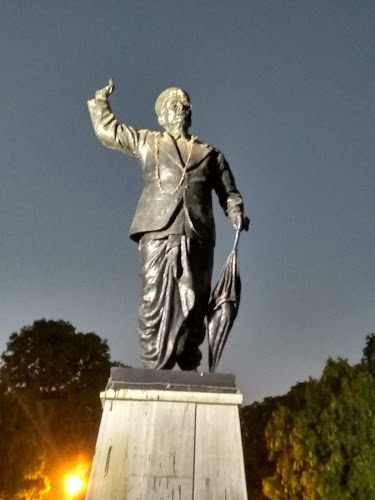
Old Water Park
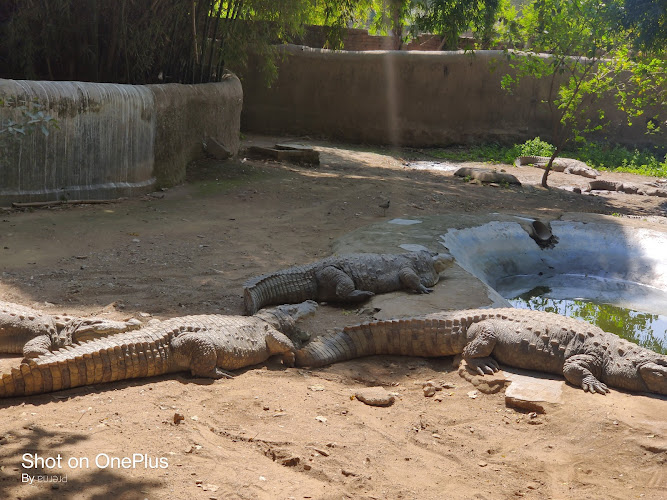
Gwalior Zoo
Find Accommodations Nearby
Recommended Tours & Activities
Visitor Reviews
There are no reviews yet. Be the first one to write one.
Share Your Experience
Have you visited Gwalior Fort? Help other travelers by leaving a review.