
Kolumba
About Kolumba
Description
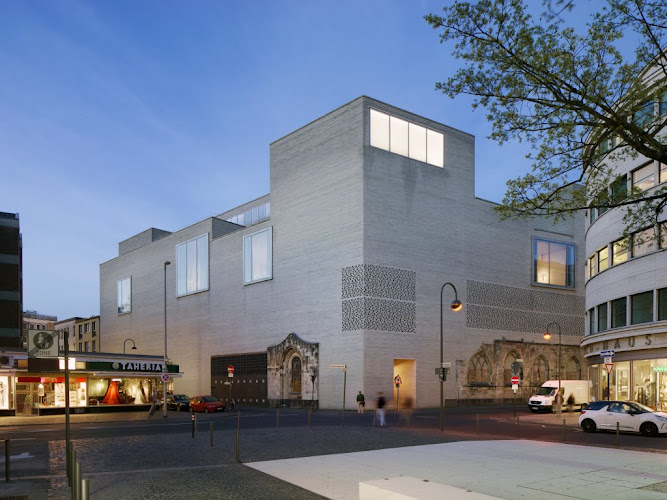
Kolumba in Cologne is one of those places that quietly lingers in your mind long after you’ve left. It’s not just a museum—it’s more like an experience that unfolds at its own pace, inviting you to slow down and really look. Built on the ruins of the old St. Kolumba church, which was destroyed during World War II, the museum stands as a poetic blend of past and present. Designed by Swiss architect Peter Zumthor, the building itself feels like a work of art—minimalist yet deeply emotional, with light filtering through delicate brickwork that seems to breathe with the rhythm of the day.
Inside, you’ll find a thoughtful mix of modern and classical Christian artworks. Some pieces date back centuries, while others are contemporary interpretations that challenge and inspire. The museum doesn’t overwhelm you with endless halls or flashy exhibits; instead, it offers quiet spaces that encourage reflection. You move through rooms where ancient relics sit beside modern sculptures, and somehow it all makes sense. There’s a sense of reverence here—not in a religious way necessarily, but in a human one. The kind that comes from recognizing beauty in imperfection and continuity in change.
What makes Kolumba special, at least to me, is how it manages to feel both sacred and accessible. You don’t have to be religious to feel its spiritual weight. You can simply appreciate how art, architecture, and history intertwine to tell a story of resilience. The museum’s design preserves the ruins of the church and a small post-war chapel known as “Madonna of the Ruins,” creating a dialogue between devastation and renewal. It’s haunting, but in a strangely comforting way.
Visitors often describe the experience as meditative—and I’d agree. There’s a hush that falls over you as you wander through the museum’s soft-lit corridors, the air filled with that faint echo of time. It’s not a place for rushing or ticking off a sightseeing list. It’s a place for pausing, for feeling. And maybe that’s exactly what makes Kolumba so unforgettable.
Key Features
- Architectural masterpiece designed by Peter Zumthor, blending modern design with historical ruins.
- Home to both classical and contemporary Christian art, spanning centuries of cultural expression.
- Built on the remains of the former St. Kolumba church, destroyed during World War II.
- Features the poignant “Madonna of the Ruins” chapel by Gottfried Böhm.
- Offers a serene, contemplative environment ideal for reflection and slow exploration.
- Wheelchair accessible with assisted listening devices and accessible restrooms.
- Free Wi-Fi and family-friendly atmosphere with discounts for children.
- Known for its thoughtful curation and emotional depth rather than flashy displays.
Best Time to Visit
If you want to experience Kolumba at its most peaceful, visit on a weekday morning. The museum tends to attract fewer crowds then, allowing you to wander through the galleries at your own rhythm. Autumn is particularly beautiful—the soft light filtering through the perforated brick walls feels almost golden, and the crisp Cologne air outside makes the warm interior even more inviting.
Winter visits have their own charm too. There’s something about the quiet of the season that amplifies the museum’s introspective atmosphere. If you’re traveling in the summer, try to go early or late in the day to avoid the mid-afternoon rush. And honestly, even if it’s raining (which it often is in Cologne), Kolumba might be the perfect refuge. The sound of rain against the building’s textured façade adds to the experience, making it feel even more intimate.
How to Get There
Kolumba is located right in the heart of Cologne, just a short walk from the city’s main landmarks like the Cologne Cathedral and the shopping streets. If you’re coming by train, the central station is about a ten-minute walk away. From there, you can simply follow the signs toward the old town—Cologne is wonderfully walkable, and half the fun is getting a little lost along the way.
Public transportation is also super convenient. You can hop on one of the city trams or buses that stop nearby. If you’re driving, parking can be tricky in this part of town, so I’d recommend using public transit or walking if possible. And if you’re cycling (Cologne is great for that), there are plenty of bike racks close to the museum. It’s one of those places that feels best approached slowly, on foot, as the city’s layers of history reveal themselves around every corner.
Tips for Visiting
Take your time. Kolumba isn’t the kind of museum you rush through—it’s more like a quiet conversation that unfolds the longer you stay. Spend a few minutes just sitting in the chapel or near the ruins; you’ll start to notice how the light shifts across the stone walls, changing the mood entirely.
If you’re visiting with kids, don’t worry—they’ll find plenty to engage with. The museum offers family-friendly programs and discounts for children, and the staff are genuinely welcoming. It’s also LGBTQ+ friendly and inclusive, which adds to the warm, open atmosphere.
Accessibility is well thought out too. There are wheelchair rentals, accessible restrooms, and assisted listening devices available. Just note that while the entrance and interior are accessible, the parking lot isn’t fully equipped for wheelchair users, so plan accordingly.
Photography is allowed in most areas, but it’s best to double-check at the entrance. And bring a notebook if you’re the reflective type—you’ll probably want to jot down a few thoughts or sketches. I once spent nearly an hour in front of a single artwork there, just thinking about how something so simple could feel so profound. It’s that kind of place.
Before you go, make sure to check the opening hours—they can vary slightly depending on the season. And maybe grab a coffee nearby afterward; there are some cozy cafés within walking distance where you can sit and let it all sink in. Kolumba isn’t a museum you just visit—it’s one that stays with you, quietly reshaping the way you think about art, history, and the spaces we inhabit.
Key Features
- Architectural masterpiece designed by Peter Zumthor, blending modern design with historical ruins.
- Home to both classical and contemporary Christian art, spanning centuries of cultural expression.
- Built on the remains of the former St. Kolumba church, destroyed during World War II.
- Features the poignant “Madonna of the Ruins” chapel by Gottfried Böhm.
- Offers a serene, contemplative environment ideal for reflection and slow exploration.
- Wheelchair accessible with assisted listening devices and accessible restrooms.
- Free Wi-Fi and family-friendly atmosphere with discounts for children.
- Known for its thoughtful curation and emotional depth rather than flashy displays.
More Details
Updated October 10, 2025
Table of Contents
Description
Kolumba in Cologne is one of those places that quietly lingers in your mind long after you’ve left. It’s not just a museum—it’s more like an experience that unfolds at its own pace, inviting you to slow down and really look. Built on the ruins of the old St. Kolumba church, which was destroyed during World War II, the museum stands as a poetic blend of past and present. Designed by Swiss architect Peter Zumthor, the building itself feels like a work of art—minimalist yet deeply emotional, with light filtering through delicate brickwork that seems to breathe with the rhythm of the day.
Inside, you’ll find a thoughtful mix of modern and classical Christian artworks. Some pieces date back centuries, while others are contemporary interpretations that challenge and inspire. The museum doesn’t overwhelm you with endless halls or flashy exhibits; instead, it offers quiet spaces that encourage reflection. You move through rooms where ancient relics sit beside modern sculptures, and somehow it all makes sense. There’s a sense of reverence here—not in a religious way necessarily, but in a human one. The kind that comes from recognizing beauty in imperfection and continuity in change.
What makes Kolumba special, at least to me, is how it manages to feel both sacred and accessible. You don’t have to be religious to feel its spiritual weight. You can simply appreciate how art, architecture, and history intertwine to tell a story of resilience. The museum’s design preserves the ruins of the church and a small post-war chapel known as “Madonna of the Ruins,” creating a dialogue between devastation and renewal. It’s haunting, but in a strangely comforting way.
Visitors often describe the experience as meditative—and I’d agree. There’s a hush that falls over you as you wander through the museum’s soft-lit corridors, the air filled with that faint echo of time. It’s not a place for rushing or ticking off a sightseeing list. It’s a place for pausing, for feeling. And maybe that’s exactly what makes Kolumba so unforgettable.
Key Features
- Architectural masterpiece designed by Peter Zumthor, blending modern design with historical ruins.
- Home to both classical and contemporary Christian art, spanning centuries of cultural expression.
- Built on the remains of the former St. Kolumba church, destroyed during World War II.
- Features the poignant “Madonna of the Ruins” chapel by Gottfried Böhm.
- Offers a serene, contemplative environment ideal for reflection and slow exploration.
- Wheelchair accessible with assisted listening devices and accessible restrooms.
- Free Wi-Fi and family-friendly atmosphere with discounts for children.
- Known for its thoughtful curation and emotional depth rather than flashy displays.
Best Time to Visit
If you want to experience Kolumba at its most peaceful, visit on a weekday morning. The museum tends to attract fewer crowds then, allowing you to wander through the galleries at your own rhythm. Autumn is particularly beautiful—the soft light filtering through the perforated brick walls feels almost golden, and the crisp Cologne air outside makes the warm interior even more inviting.
Winter visits have their own charm too. There’s something about the quiet of the season that amplifies the museum’s introspective atmosphere. If you’re traveling in the summer, try to go early or late in the day to avoid the mid-afternoon rush. And honestly, even if it’s raining (which it often is in Cologne), Kolumba might be the perfect refuge. The sound of rain against the building’s textured façade adds to the experience, making it feel even more intimate.
How to Get There
Kolumba is located right in the heart of Cologne, just a short walk from the city’s main landmarks like the Cologne Cathedral and the shopping streets. If you’re coming by train, the central station is about a ten-minute walk away. From there, you can simply follow the signs toward the old town—Cologne is wonderfully walkable, and half the fun is getting a little lost along the way.
Public transportation is also super convenient. You can hop on one of the city trams or buses that stop nearby. If you’re driving, parking can be tricky in this part of town, so I’d recommend using public transit or walking if possible. And if you’re cycling (Cologne is great for that), there are plenty of bike racks close to the museum. It’s one of those places that feels best approached slowly, on foot, as the city’s layers of history reveal themselves around every corner.
Tips for Visiting
Take your time. Kolumba isn’t the kind of museum you rush through—it’s more like a quiet conversation that unfolds the longer you stay. Spend a few minutes just sitting in the chapel or near the ruins; you’ll start to notice how the light shifts across the stone walls, changing the mood entirely.
If you’re visiting with kids, don’t worry—they’ll find plenty to engage with. The museum offers family-friendly programs and discounts for children, and the staff are genuinely welcoming. It’s also LGBTQ+ friendly and inclusive, which adds to the warm, open atmosphere.
Accessibility is well thought out too. There are wheelchair rentals, accessible restrooms, and assisted listening devices available. Just note that while the entrance and interior are accessible, the parking lot isn’t fully equipped for wheelchair users, so plan accordingly.
Photography is allowed in most areas, but it’s best to double-check at the entrance. And bring a notebook if you’re the reflective type—you’ll probably want to jot down a few thoughts or sketches. I once spent nearly an hour in front of a single artwork there, just thinking about how something so simple could feel so profound. It’s that kind of place.
Before you go, make sure to check the opening hours—they can vary slightly depending on the season. And maybe grab a coffee nearby afterward; there are some cozy cafés within walking distance where you can sit and let it all sink in. Kolumba isn’t a museum you just visit—it’s one that stays with you, quietly reshaping the way you think about art, history, and the spaces we inhabit.
Key Highlights
- Architectural masterpiece designed by Peter Zumthor, blending modern design with historical ruins.
- Home to both classical and contemporary Christian art, spanning centuries of cultural expression.
- Built on the remains of the former St. Kolumba church, destroyed during World War II.
- Features the poignant “Madonna of the Ruins” chapel by Gottfried Böhm.
- Offers a serene, contemplative environment ideal for reflection and slow exploration.
- Wheelchair accessible with assisted listening devices and accessible restrooms.
- Free Wi-Fi and family-friendly atmosphere with discounts for children.
- Known for its thoughtful curation and emotional depth rather than flashy displays.
Location
Places to Stay Near Kolumba
Find and Book a Tour
Explore More Travel Guides
No reviews found! Be the first to review!
Traveler Reviews for Kolumba
There are no reviews yet. Be the first one to write one.
Have you visited Kolumba? Help other travelers by sharing your review.
You Might Also Like
Rautenstrauch-Joest-Museum

Fish Market

Rheinpark
Find Accommodations Nearby
Recommended Tours & Activities
Visitor Reviews
There are no reviews yet. Be the first one to write one.
Share Your Experience
Have you visited Kolumba? Help other travelers by leaving a review.