
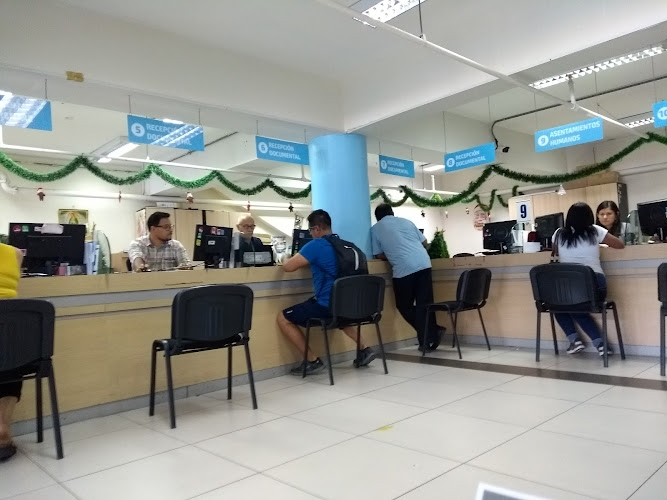
Provincial Municipality of Callao
About Provincial Municipality of Callao
Description
The Provincial Municipality of Callao stands as the administrative and cultural heart of Peru’s only constitutional province. It’s not just a government building—it’s a living symbol of Callao’s maritime heritage, civic pride, and evolving identity. Travelers often find themselves drawn here, not necessarily for sightseeing in the traditional sense, but to feel the pulse of a city that’s always had one foot in the ocean and the other in history. The building itself carries the kind of quiet dignity that comes from decades of civic service, with its colonial-era facades and the hum of daily activity echoing through its corridors.
What’s interesting about this place is how seamlessly it blends governance with community life. You’ll often see locals coming and going, handling paperwork or chatting with municipal staff who seem to know everyone by name. There’s a certain charm in that—Callao’s people have a way of making bureaucracy feel almost personal. And if you linger nearby, you might catch a glimpse of the local rhythm: street vendors selling empanadas, kids laughing on their way to school, and the salty breeze from the nearby port drifting through the streets. It’s a reminder that this isn’t just a government office; it’s a cornerstone of daily life in Callao.
Of course, not every experience here is perfect. Some visitors have noted that service can be slow at times, and finding your way through the administrative process might test your patience. But that’s part of the authentic experience—Callao doesn’t pretend to be polished or overly formal. It’s real, grounded, and full of character. If you’re someone who appreciates authenticity over perfection, you’ll find this place oddly endearing. The Municipality reflects the city itself: resilient, proud, and always moving forward despite its challenges.
Key Features
- Architectural Heritage: The building showcases a mix of colonial and republican-era design, with intricate balconies and robust stonework that speak to Callao’s storied past.
- Civic Center: It serves as the main hub for local governance, offering public services, cultural programs, and community events throughout the year.
- Historical Significance: The Municipality has witnessed key moments in Callao’s history—from maritime trade booms to political transformations.
- Local Interaction: Visitors often enjoy observing the day-to-day life of residents, giving a rare inside look into the workings of a Peruvian port city.
- Nearby Attractions: The area around the Municipality is filled with landmarks, including colonial churches, art murals, and traditional seafood eateries.
Best Time to Visit
If you’re planning to explore the Provincial Municipality of Callao, timing matters more than you might think. The best period to visit is between December and April, when the coastal weather is warm and dry. During these months, the skies are clear, and the sunlight gives the old buildings a golden hue that’s perfect for photography. I remember visiting one January afternoon—the air was heavy with the scent of salt and fried fish from nearby stalls, and the whole area felt alive in that lazy, coastal way that only Callao can pull off.
That said, if you prefer fewer crowds, try coming in the shoulder months—May or November. You’ll still get pleasant weather without the bustle of summer tourists. And if you’re the kind of traveler who enjoys seeing local life at its most authentic, weekdays are your best bet. You’ll see the municipality in full swing, with residents handling their daily affairs and the occasional official event spilling out into the plaza.
How to Get There
Getting to the Provincial Municipality of Callao is fairly straightforward, though it does depend on where you’re coming from. If you’re flying into Jorge Chávez International Airport, you’re already halfway there—it’s just a short drive from the airport to the municipal center. Taxis and ride-share apps are the easiest options, but if you’re feeling adventurous, local buses offer a more immersive (and budget-friendly) experience. Just keep a close eye on your belongings; like any busy port city, Callao has its lively moments.
For those coming from Lima, the trip can take about 30 to 45 minutes depending on traffic. I took the route once at sunset, and the view of the port cranes silhouetted against the pink sky was unforgettable. If you’re into photography, the drive itself might surprise you with unexpected snapshots of urban life—colorful murals, fishermen at work, and the ever-present ocean just beyond the horizon. Parking in the area can be tricky, though, so if you’re renting a car, plan ahead or opt for nearby paid lots.
Tips for Visiting
Visiting the Provincial Municipality of Callao isn’t like exploring a museum or a beach—it’s more about experiencing the heartbeat of local governance in action. Still, a few practical tips can make your visit smoother and more enjoyable.
- Go Early: Arrive in the morning if you want to avoid long queues or catch the building’s exterior in the best light for photos.
- Respect Local Procedures: Remember, this is a functioning government office. Dress modestly and be polite when interacting with staff or locals.
- Stay Alert: The area is generally safe during the day, but like any urban center, it’s wise to keep an eye on your belongings.
- Combine Your Visit: Pair your stop here with a visit to nearby attractions like Real Felipe Fortress or the La Punta district for a full day of exploration.
- Try the Local Food: Don’t leave without grabbing a ceviche or a portion of “choritos a la chalaca” at one of the nearby eateries. It’s Callao’s way of saying welcome.
One thing I personally love about Callao is how the city doesn’t try to impress—it just is. You’ll see the good, the bad, and the beautiful all at once. And somehow, that makes it unforgettable. The Provincial Municipality might not be on every traveler’s bucket list, but it represents something deeper: a glimpse into how a community governs itself, grows, and preserves its identity. If you’re curious about the real Peru—the one beyond postcards and polished tours—this is where you’ll find it.
So, take a moment to wander around. Listen to the chatter of locals, watch the sea birds circling overhead, feel the grit and grace of a city that’s been standing strong since colonial times. The Provincial Municipality of Callao isn’t just a place to see—it’s a place to understand.
Key Features
- Key Features
- Best Time to Visit
- How to Get There
- Tips for Visiting
More Details
Updated October 11, 2025
Table of Contents
Description
The Provincial Municipality of Callao stands as the administrative and cultural heart of Peru’s only constitutional province. It’s not just a government building—it’s a living symbol of Callao’s maritime heritage, civic pride, and evolving identity. Travelers often find themselves drawn here, not necessarily for sightseeing in the traditional sense, but to feel the pulse of a city that’s always had one foot in the ocean and the other in history. The building itself carries the kind of quiet dignity that comes from decades of civic service, with its colonial-era facades and the hum of daily activity echoing through its corridors.
What’s interesting about this place is how seamlessly it blends governance with community life. You’ll often see locals coming and going, handling paperwork or chatting with municipal staff who seem to know everyone by name. There’s a certain charm in that—Callao’s people have a way of making bureaucracy feel almost personal. And if you linger nearby, you might catch a glimpse of the local rhythm: street vendors selling empanadas, kids laughing on their way to school, and the salty breeze from the nearby port drifting through the streets. It’s a reminder that this isn’t just a government office; it’s a cornerstone of daily life in Callao.
Of course, not every experience here is perfect. Some visitors have noted that service can be slow at times, and finding your way through the administrative process might test your patience. But that’s part of the authentic experience—Callao doesn’t pretend to be polished or overly formal. It’s real, grounded, and full of character. If you’re someone who appreciates authenticity over perfection, you’ll find this place oddly endearing. The Municipality reflects the city itself: resilient, proud, and always moving forward despite its challenges.
Key Features
- Architectural Heritage: The building showcases a mix of colonial and republican-era design, with intricate balconies and robust stonework that speak to Callao’s storied past.
- Civic Center: It serves as the main hub for local governance, offering public services, cultural programs, and community events throughout the year.
- Historical Significance: The Municipality has witnessed key moments in Callao’s history—from maritime trade booms to political transformations.
- Local Interaction: Visitors often enjoy observing the day-to-day life of residents, giving a rare inside look into the workings of a Peruvian port city.
- Nearby Attractions: The area around the Municipality is filled with landmarks, including colonial churches, art murals, and traditional seafood eateries.
Best Time to Visit
If you’re planning to explore the Provincial Municipality of Callao, timing matters more than you might think. The best period to visit is between December and April, when the coastal weather is warm and dry. During these months, the skies are clear, and the sunlight gives the old buildings a golden hue that’s perfect for photography. I remember visiting one January afternoon—the air was heavy with the scent of salt and fried fish from nearby stalls, and the whole area felt alive in that lazy, coastal way that only Callao can pull off.
That said, if you prefer fewer crowds, try coming in the shoulder months—May or November. You’ll still get pleasant weather without the bustle of summer tourists. And if you’re the kind of traveler who enjoys seeing local life at its most authentic, weekdays are your best bet. You’ll see the municipality in full swing, with residents handling their daily affairs and the occasional official event spilling out into the plaza.
How to Get There
Getting to the Provincial Municipality of Callao is fairly straightforward, though it does depend on where you’re coming from. If you’re flying into Jorge Chávez International Airport, you’re already halfway there—it’s just a short drive from the airport to the municipal center. Taxis and ride-share apps are the easiest options, but if you’re feeling adventurous, local buses offer a more immersive (and budget-friendly) experience. Just keep a close eye on your belongings; like any busy port city, Callao has its lively moments.
For those coming from Lima, the trip can take about 30 to 45 minutes depending on traffic. I took the route once at sunset, and the view of the port cranes silhouetted against the pink sky was unforgettable. If you’re into photography, the drive itself might surprise you with unexpected snapshots of urban life—colorful murals, fishermen at work, and the ever-present ocean just beyond the horizon. Parking in the area can be tricky, though, so if you’re renting a car, plan ahead or opt for nearby paid lots.
Tips for Visiting
Visiting the Provincial Municipality of Callao isn’t like exploring a museum or a beach—it’s more about experiencing the heartbeat of local governance in action. Still, a few practical tips can make your visit smoother and more enjoyable.
- Go Early: Arrive in the morning if you want to avoid long queues or catch the building’s exterior in the best light for photos.
- Respect Local Procedures: Remember, this is a functioning government office. Dress modestly and be polite when interacting with staff or locals.
- Stay Alert: The area is generally safe during the day, but like any urban center, it’s wise to keep an eye on your belongings.
- Combine Your Visit: Pair your stop here with a visit to nearby attractions like Real Felipe Fortress or the La Punta district for a full day of exploration.
- Try the Local Food: Don’t leave without grabbing a ceviche or a portion of “choritos a la chalaca” at one of the nearby eateries. It’s Callao’s way of saying welcome.
One thing I personally love about Callao is how the city doesn’t try to impress—it just is. You’ll see the good, the bad, and the beautiful all at once. And somehow, that makes it unforgettable. The Provincial Municipality might not be on every traveler’s bucket list, but it represents something deeper: a glimpse into how a community governs itself, grows, and preserves its identity. If you’re curious about the real Peru—the one beyond postcards and polished tours—this is where you’ll find it.
So, take a moment to wander around. Listen to the chatter of locals, watch the sea birds circling overhead, feel the grit and grace of a city that’s been standing strong since colonial times. The Provincial Municipality of Callao isn’t just a place to see—it’s a place to understand.
Key Highlights
- Key Features
- Best Time to Visit
- How to Get There
- Tips for Visiting
Location
Places to Stay Near Provincial Municipality of Callao
Find and Book a Tour
Explore More Travel Guides
No reviews found! Be the first to review!
Traveler Reviews for Provincial Municipality of Callao
There are no reviews yet. Be the first one to write one.
Have you visited Provincial Municipality of Callao? Help other travelers by sharing your review.
You Might Also Like
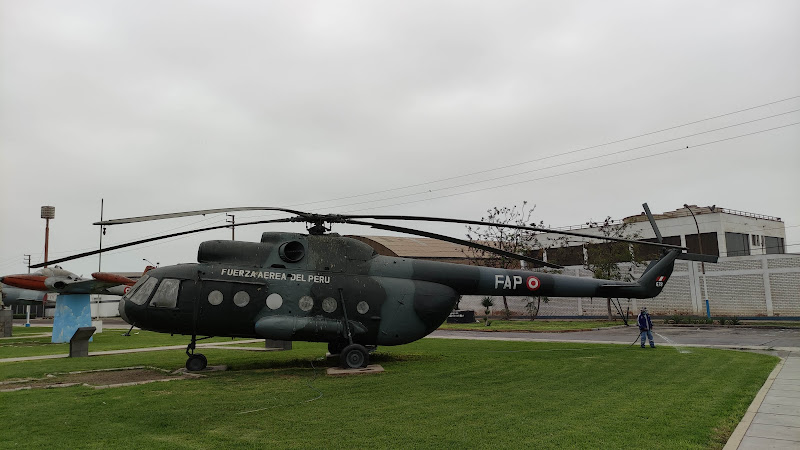
Temático Marina de Guerra Del Peru Park
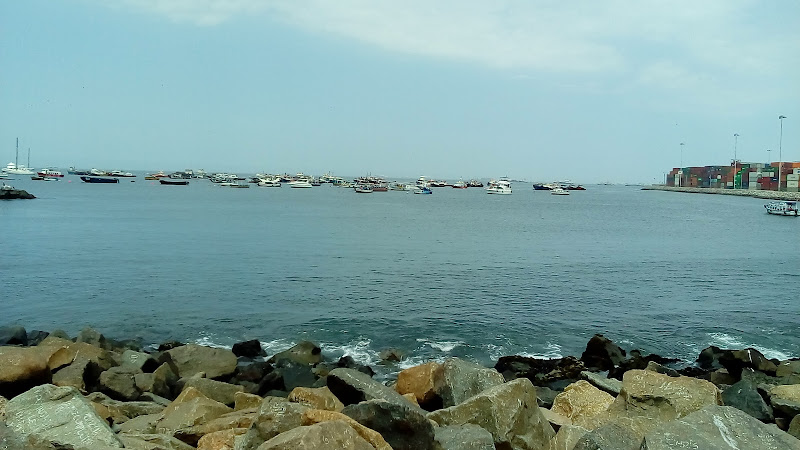
Paseo De Anclas del Callao
Cañon Del Pueblo
Find Accommodations Nearby
Recommended Tours & Activities
Visitor Reviews
There are no reviews yet. Be the first one to write one.
Share Your Experience
Have you visited Provincial Municipality of Callao? Help other travelers by leaving a review.