About Naval Museum of Peru

Description

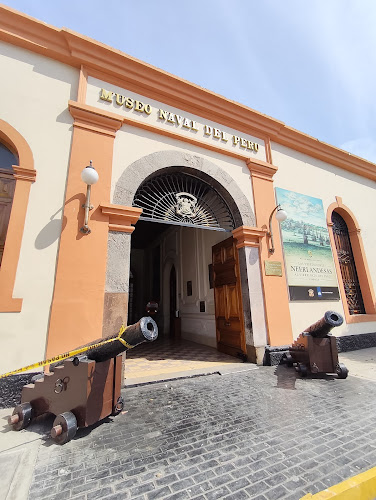
The Naval Museum of Peru in Callao is one of those places that quietly sneaks up on you. At first glance, it looks like a traditional maritime museum, but once inside, it’s a deep dive into Peru’s naval past—rich, sometimes tragic, but always fascinating. Established back in 1958, the museum was created by the Peruvian Navy itself, and you can feel that pride in every corridor. It’s not just about ships or battles; it’s about the people who lived, fought, and sailed for the country. The museum houses more than 700 artifacts, from intricate ship models and antique navigation instruments to uniforms, medals, and even pieces of art that tell stories of courage and exploration.

Walking through the exhibits, you’ll find detailed reconstructions of famous naval battles, including those fought during the War of the Pacific. There’s something deeply moving about standing before a display that honors sailors who braved the Pacific’s unpredictable waters centuries ago. And the best part? It’s not a stuffy, hands-off kind of place. You can actually step aboard a real submarine—yes, a genuine military submarine—and get a sense of what life was like beneath the waves. It’s one of those experiences that sticks with you long after you’ve left.

Now, I’ve been to my fair share of museums, and sometimes they blur together after a while. But this one? It’s different. Maybe it’s the salty air drifting in from the nearby port, or maybe it’s the way the museum blends history with emotion. It’s educational, yes, but it’s also a place that makes you reflect on what it means to protect a nation’s coastlines and heritage. The staff are friendly, knowledgeable, and genuinely passionate about maritime history. You can tell they love what they do. And for families, it’s a surprisingly engaging stop—kids light up when they see the massive ship models and the periscopes inside the submarine.

Accessibility-wise, the museum does a decent job. There are wheelchair-accessible entrances and restrooms, which isn’t always the case with older institutions like this. There’s no restaurant on-site, but you’ll find plenty of local eateries nearby serving fresh seafood (and honestly, that’s part of the experience). The museum’s atmosphere feels relaxed, welcoming, and authentic—like a place that’s proud of its roots but not trying too hard to impress. It’s a genuine slice of Peruvian maritime culture.

Key Features

  • Over 700 maritime artifacts, including ship models, uniforms, weapons, and medals.
  • Interactive exhibits that bring Peru’s naval history to life.
  • A real submarine experience where visitors can explore the vessel’s interior.
  • Detailed historical displays covering the War of the Pacific and other key naval battles.
  • Wheelchair-accessible facilities and restrooms.
  • Friendly, knowledgeable staff offering guided tours and educational insights.
  • Great destination for families and history enthusiasts alike.

Best Time to Visit

Honestly, any time of year works for a visit to the Naval Museum of Peru, but if you want to make the most of it, go between April and November. That’s when the weather in Callao is dry and mild, perfect for strolling around the port area after your museum tour. Weekdays are quieter, so if you prefer a more peaceful experience, aim for a Tuesday or Wednesday morning. Weekends tend to bring in families and student groups, which adds a bit of energy but can also make it a little crowded.

I once visited on a cloudy afternoon, and there was something poetic about it—the gray sky blending with the ocean view outside, the sound of distant gulls echoing through the port. It made the whole experience feel cinematic, almost nostalgic. If you’re into photography, that kind of lighting is a dream. And if you’re lucky, you might catch one of the special exhibitions or naval events that occasionally take place there, adding even more depth to your visit.

How to Get There

Getting to the museum is pretty straightforward. It’s located in the heart of Callao, near the main port area, just a short drive from Lima. If you’re staying in central Lima, expect the trip to take around 30 to 40 minutes depending on traffic (and yes, Lima traffic can be unpredictable). Taxis and ride-hailing apps are the easiest way to get there, but if you’re feeling adventurous, local buses also connect the city with Callao for a fraction of the cost. Just be sure to check your route beforehand, as not all buses stop close to the museum entrance.

If you’re coming from Jorge Chávez International Airport, you’re in luck—it’s only about 15 minutes away by car. That makes it a perfect first or last stop on your trip. I actually visited right after landing once, still half jet-lagged, but it turned out to be the best decision. There’s something grounding about starting your Peruvian adventure with a deep dive into its maritime identity. Parking is available nearby, but it’s limited, so public transport or a taxi might save you some hassle.

Tips for Visiting

Here’s the thing: the Naval Museum of Peru isn’t one of those places you rush through. Give yourself at least two hours to explore properly. The exhibits are detailed, and there’s a lot of information to absorb. If you’re into military history or ship design, you’ll probably end up spending even longer. Bring a bottle of water (there’s no café inside), and wear comfortable shoes—you’ll be walking quite a bit, especially if you plan to explore the submarine.

Photography is allowed in most areas, so don’t forget your camera. The lighting inside can be a bit dim in some sections, so a phone with good low-light performance comes in handy. And if you’re visiting with kids, prepare for lots of questions—they’ll be fascinated by the uniforms, cannons, and submarine controls. The museum staff are used to curious little ones and are great at explaining things in simple terms.

One thing I’d recommend is chatting with the guides. They’re full of stories that don’t appear on the placards—personal anecdotes, sailor traditions, even ghost tales from the old ships. It’s those little details that make the visit memorable. And don’t skip the small gift shop near the exit. It’s not flashy, but you can find some neat souvenirs like naval pins, postcards, and miniature ship models that make for meaningful keepsakes.

Lastly, take a moment outside the museum to look out toward the Pacific. You can almost imagine the old ships setting sail centuries ago, their sails full of wind and purpose. It’s a reminder that Peru’s history isn’t just written in books—it’s carried on the waves, in the hearts of those who served, and in places like this museum that keep their stories alive.

So if you’re planning a trip to Lima or Callao, carve out some time for the Naval Museum of Peru. It’s not just a stop on your itinerary—it’s an experience that connects you to the soul of the sea, the spirit of exploration, and the resilience of a nation that has always looked toward the horizon with courage.

Key Features

  • Over 700 maritime artifacts, including ship models, uniforms, weapons, and medals.
  • Interactive exhibits that bring Peru’s naval history to life.
  • A real submarine experience where visitors can explore the vessel’s interior.
  • Detailed historical displays covering the War of the Pacific and other key naval battles.
  • Wheelchair-accessible facilities and restrooms.
  • Friendly, knowledgeable staff offering guided tours and educational insights.
  • Great destination for families and history enthusiasts alike.

More Details

Updated October 11, 2025


Description

The Naval Museum of Peru in Callao is one of those places that quietly sneaks up on you. At first glance, it looks like a traditional maritime museum, but once inside, it’s a deep dive into Peru’s naval past—rich, sometimes tragic, but always fascinating. Established back in 1958, the museum was created by the Peruvian Navy itself, and you can feel that pride in every corridor. It’s not just about ships or battles; it’s about the people who lived, fought, and sailed for the country. The museum houses more than 700 artifacts, from intricate ship models and antique navigation instruments to uniforms, medals, and even pieces of art that tell stories of courage and exploration.

Walking through the exhibits, you’ll find detailed reconstructions of famous naval battles, including those fought during the War of the Pacific. There’s something deeply moving about standing before a display that honors sailors who braved the Pacific’s unpredictable waters centuries ago. And the best part? It’s not a stuffy, hands-off kind of place. You can actually step aboard a real submarine—yes, a genuine military submarine—and get a sense of what life was like beneath the waves. It’s one of those experiences that sticks with you long after you’ve left.

Now, I’ve been to my fair share of museums, and sometimes they blur together after a while. But this one? It’s different. Maybe it’s the salty air drifting in from the nearby port, or maybe it’s the way the museum blends history with emotion. It’s educational, yes, but it’s also a place that makes you reflect on what it means to protect a nation’s coastlines and heritage. The staff are friendly, knowledgeable, and genuinely passionate about maritime history. You can tell they love what they do. And for families, it’s a surprisingly engaging stop—kids light up when they see the massive ship models and the periscopes inside the submarine.

Accessibility-wise, the museum does a decent job. There are wheelchair-accessible entrances and restrooms, which isn’t always the case with older institutions like this. There’s no restaurant on-site, but you’ll find plenty of local eateries nearby serving fresh seafood (and honestly, that’s part of the experience). The museum’s atmosphere feels relaxed, welcoming, and authentic—like a place that’s proud of its roots but not trying too hard to impress. It’s a genuine slice of Peruvian maritime culture.

Key Features

  • Over 700 maritime artifacts, including ship models, uniforms, weapons, and medals.
  • Interactive exhibits that bring Peru’s naval history to life.
  • A real submarine experience where visitors can explore the vessel’s interior.
  • Detailed historical displays covering the War of the Pacific and other key naval battles.
  • Wheelchair-accessible facilities and restrooms.
  • Friendly, knowledgeable staff offering guided tours and educational insights.
  • Great destination for families and history enthusiasts alike.

Best Time to Visit

Honestly, any time of year works for a visit to the Naval Museum of Peru, but if you want to make the most of it, go between April and November. That’s when the weather in Callao is dry and mild, perfect for strolling around the port area after your museum tour. Weekdays are quieter, so if you prefer a more peaceful experience, aim for a Tuesday or Wednesday morning. Weekends tend to bring in families and student groups, which adds a bit of energy but can also make it a little crowded.

I once visited on a cloudy afternoon, and there was something poetic about it—the gray sky blending with the ocean view outside, the sound of distant gulls echoing through the port. It made the whole experience feel cinematic, almost nostalgic. If you’re into photography, that kind of lighting is a dream. And if you’re lucky, you might catch one of the special exhibitions or naval events that occasionally take place there, adding even more depth to your visit.

How to Get There

Getting to the museum is pretty straightforward. It’s located in the heart of Callao, near the main port area, just a short drive from Lima. If you’re staying in central Lima, expect the trip to take around 30 to 40 minutes depending on traffic (and yes, Lima traffic can be unpredictable). Taxis and ride-hailing apps are the easiest way to get there, but if you’re feeling adventurous, local buses also connect the city with Callao for a fraction of the cost. Just be sure to check your route beforehand, as not all buses stop close to the museum entrance.

If you’re coming from Jorge Chávez International Airport, you’re in luck—it’s only about 15 minutes away by car. That makes it a perfect first or last stop on your trip. I actually visited right after landing once, still half jet-lagged, but it turned out to be the best decision. There’s something grounding about starting your Peruvian adventure with a deep dive into its maritime identity. Parking is available nearby, but it’s limited, so public transport or a taxi might save you some hassle.

Tips for Visiting

Here’s the thing: the Naval Museum of Peru isn’t one of those places you rush through. Give yourself at least two hours to explore properly. The exhibits are detailed, and there’s a lot of information to absorb. If you’re into military history or ship design, you’ll probably end up spending even longer. Bring a bottle of water (there’s no café inside), and wear comfortable shoes—you’ll be walking quite a bit, especially if you plan to explore the submarine.

Photography is allowed in most areas, so don’t forget your camera. The lighting inside can be a bit dim in some sections, so a phone with good low-light performance comes in handy. And if you’re visiting with kids, prepare for lots of questions—they’ll be fascinated by the uniforms, cannons, and submarine controls. The museum staff are used to curious little ones and are great at explaining things in simple terms.

One thing I’d recommend is chatting with the guides. They’re full of stories that don’t appear on the placards—personal anecdotes, sailor traditions, even ghost tales from the old ships. It’s those little details that make the visit memorable. And don’t skip the small gift shop near the exit. It’s not flashy, but you can find some neat souvenirs like naval pins, postcards, and miniature ship models that make for meaningful keepsakes.

Lastly, take a moment outside the museum to look out toward the Pacific. You can almost imagine the old ships setting sail centuries ago, their sails full of wind and purpose. It’s a reminder that Peru’s history isn’t just written in books—it’s carried on the waves, in the hearts of those who served, and in places like this museum that keep their stories alive.

So if you’re planning a trip to Lima or Callao, carve out some time for the Naval Museum of Peru. It’s not just a stop on your itinerary—it’s an experience that connects you to the soul of the sea, the spirit of exploration, and the resilience of a nation that has always looked toward the horizon with courage.

Key Highlights

  • Over 700 maritime artifacts, including ship models, uniforms, weapons, and medals.
  • Interactive exhibits that bring Peru’s naval history to life.
  • A real submarine experience where visitors can explore the vessel’s interior.
  • Detailed historical displays covering the War of the Pacific and other key naval battles.
  • Wheelchair-accessible facilities and restrooms.
  • Friendly, knowledgeable staff offering guided tours and educational insights.
  • Great destination for families and history enthusiasts alike.

Location

Places to Stay Near Naval Museum of Peru

Find and Book a Tour

Explore More Travel Guides

No reviews found! Be the first to review!

Traveler Reviews for Naval Museum of Peru

There are no reviews yet. Be the first one to write one.

Share Your Experience

Have you visited Naval Museum of Peru? Help other travelers by sharing your review.

Find Accommodations Nearby

Recommended Tours & Activities

Visitor Reviews

There are no reviews yet. Be the first one to write one.

Share Your Experience

Have you visited Naval Museum of Peru? Help other travelers by leaving a review.