
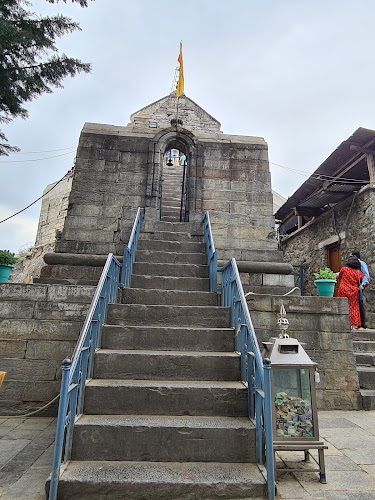
Shri Shankaracharya Temple
About Shri Shankaracharya Temple
Description
Perched high above Srinagar on the Shankaracharya Hill, the Shri Shankaracharya Temple is one of those places that feels like it’s been waiting patiently for centuries, watching over the valley below. Believed to have been built around 371 B.C., this ancient stone temple is dedicated to Lord Shiva and is among the oldest surviving temples in India. It’s more than just a religious site—it’s a living piece of history that carries the whispers of countless pilgrims, kings, and travelers who’ve climbed its steep steps over the ages.
The temple’s architecture is simple yet powerful. The stone base, the circular sanctum, and the intricate carvings all tell stories of devotion and endurance. Standing at about 1000 feet above the city, it offers a panoramic view of the Dal Lake and the snow-dusted peaks of the Zabarwan Range. And honestly, that view alone is worth every step of the climb. You’ll feel a mix of awe and calm as you look out over Srinagar, the city shimmering like a painting below.
Despite its age, the temple has a certain timeless energy. People come here to pray, meditate, or just to breathe in the mountain air and the silence that hangs heavy with meaning. There’s no denying that it’s a bit of a workout to reach the top—especially with the long flight of stairs—but every step feels like a small pilgrimage in itself. The sense of peace when you finally reach the sanctum is hard to describe. It’s one of those places where even the most skeptical traveler pauses for a moment of quiet reflection.
While most visitors leave deeply moved, some mention the climb being a bit challenging or the facilities being basic. That’s fair—it’s not a luxury destination. But that’s part of its authenticity. The temple doesn’t try to impress with grandeur; it humbles you with its simplicity and the sheer weight of history that surrounds you. For anyone curious about spirituality, architecture, or just looking for a place that feels sacred in the truest sense, this temple is a must-see.
Key Features
- Ancient stone structure dating back to around 371 B.C., making it one of India’s oldest surviving temples.
- Dedicated to Lord Shiva and associated with Adi Shankaracharya, who is believed to have meditated here in the 8th century.
- Located atop the Shankaracharya Hill, offering breathtaking panoramic views of Srinagar and Dal Lake.
- Features a circular sanctum and stone steps leading up to the shrine, showcasing early Kashmiri architectural style.
- Serves as an important pilgrimage site during the Amarnath Yatra season.
- Restroom facilities are available near the base area, though amenities are minimal.
- Not wheelchair accessible due to steep stairs and uneven terrain.
Best Time to Visit
If you ask the locals, they’ll tell you that the best time to visit the Shankaracharya Temple is between April and October. The weather in Srinagar during these months is mild, the skies are clear, and the views from the hilltop are simply unforgettable. Spring brings blooming tulips and a fresh green hue across the valley, while summer offers crisp mornings and golden sunsets.
Personally, I love visiting early in the morning—just after sunrise. The air is cool, the path is quiet, and the first rays of light hitting the Dal Lake below create an almost surreal glow. It’s a photographer’s dream. Winter visits are possible too, but only if you’re ready for icy winds and slippery steps. The temple often closes temporarily during heavy snowfall, so plan accordingly.
If you’re someone who enjoys spiritual solitude, weekdays are ideal. Weekends and festival days can get crowded, especially during Shivratri, when devotees from all over India gather here. The atmosphere then is electric, full of chants and devotion—but also a bit chaotic. So, choose your moment depending on what kind of experience you’re after: peaceful reflection or collective celebration.
How to Get There
Reaching the temple is part of the adventure. The Shankaracharya Temple sits on a hill overlooking Srinagar, and the drive up is scenic, winding through lush greenery and glimpses of the city below. The road is well-paved, but vehicles are allowed only up to a certain point near the base. From there, it’s a climb—about 200 to 250 steps—to the main shrine.
If you’re staying in Srinagar, you can easily hire a taxi or an auto-rickshaw to the temple’s parking area. The ride itself is short, maybe 20 minutes from Dal Lake, but it’s the final ascent that truly prepares you for what’s to come. Don’t rush it. Take breaks, look around, and let the anticipation build.
Public transport isn’t very convenient for this route, so private cabs or guided tours are your best bet. And if you’re the kind who likes to walk, you can even trek up from the base—though it’s a steep one. I’ve done it once, and let me tell you, the feeling of reaching the top on foot is unbeatable. Just bring water and wear comfortable shoes; the steps can be uneven in places.
Tips for Visiting
A visit to the Shri Shankaracharya Temple can be deeply rewarding if you go prepared. Here are a few tips that might help make your experience smoother and more enjoyable:
- Start early: The temple opens around sunrise, and mornings are the best time to avoid crowds and heat. Plus, the view of the valley waking up is unforgettable.
- Dress modestly: Since it’s an active place of worship, modest clothing is expected. Carry a shawl or scarf to cover your head if needed.
- Leave your phone and camera behind: Photography isn’t allowed inside the temple premises. It’s better to soak in the moment rather than worry about getting the perfect shot.
- Carry essentials: There are limited amenities at the top—so bring water, a hat, and maybe a small snack for the climb.
- Be mindful of the stairs: The steps can be steep and uneven. Take your time, especially if traveling with elders or kids.
- Respect the silence: The temple is a sacred space, so keep noise to a minimum. Even whispering feels out of place here.
- Combine your visit: After visiting the temple, you can explore nearby attractions like Dal Lake or the Mughal Gardens—it makes for a perfect day’s itinerary.
And here’s a personal tip: once you’re at the top, don’t rush to leave. Sit down for a few minutes near the steps and just watch the city below. You’ll see boats gliding across Dal Lake, hear faint temple bells echoing in the distance, and feel the mountain breeze brushing against your face. It’s one of those rare moments where time slows down.
The Shri Shankaracharya Temple isn’t just about religion—it’s about perspective. It reminds you that sometimes the climb is as important as the destination. Whether you’re a pilgrim, a photographer, or just a curious traveler, this ancient temple has a way of leaving an imprint on your heart long after you’ve descended the hill.
Key Features
- Ancient stone structure dating back to around 371 B.C., making it one of India’s oldest surviving temples.
- Dedicated to Lord Shiva and associated with Adi Shankaracharya, who is believed to have meditated here in the 8th century.
- Located atop the Shankaracharya Hill, offering breathtaking panoramic views of Srinagar and Dal Lake.
- Features a circular sanctum and stone steps leading up to the shrine, showcasing early Kashmiri architectural style.
- Serves as an important pilgrimage site during the Amarnath Yatra season.
- Restroom facilities are available near the base area, though amenities are minimal.
- Not wheelchair accessible due to steep stairs and uneven terrain.
More Details
Updated October 11, 2025
Table of Contents
Description
Perched high above Srinagar on the Shankaracharya Hill, the Shri Shankaracharya Temple is one of those places that feels like it’s been waiting patiently for centuries, watching over the valley below. Believed to have been built around 371 B.C., this ancient stone temple is dedicated to Lord Shiva and is among the oldest surviving temples in India. It’s more than just a religious site—it’s a living piece of history that carries the whispers of countless pilgrims, kings, and travelers who’ve climbed its steep steps over the ages.
The temple’s architecture is simple yet powerful. The stone base, the circular sanctum, and the intricate carvings all tell stories of devotion and endurance. Standing at about 1000 feet above the city, it offers a panoramic view of the Dal Lake and the snow-dusted peaks of the Zabarwan Range. And honestly, that view alone is worth every step of the climb. You’ll feel a mix of awe and calm as you look out over Srinagar, the city shimmering like a painting below.
Despite its age, the temple has a certain timeless energy. People come here to pray, meditate, or just to breathe in the mountain air and the silence that hangs heavy with meaning. There’s no denying that it’s a bit of a workout to reach the top—especially with the long flight of stairs—but every step feels like a small pilgrimage in itself. The sense of peace when you finally reach the sanctum is hard to describe. It’s one of those places where even the most skeptical traveler pauses for a moment of quiet reflection.
While most visitors leave deeply moved, some mention the climb being a bit challenging or the facilities being basic. That’s fair—it’s not a luxury destination. But that’s part of its authenticity. The temple doesn’t try to impress with grandeur; it humbles you with its simplicity and the sheer weight of history that surrounds you. For anyone curious about spirituality, architecture, or just looking for a place that feels sacred in the truest sense, this temple is a must-see.
Key Features
- Ancient stone structure dating back to around 371 B.C., making it one of India’s oldest surviving temples.
- Dedicated to Lord Shiva and associated with Adi Shankaracharya, who is believed to have meditated here in the 8th century.
- Located atop the Shankaracharya Hill, offering breathtaking panoramic views of Srinagar and Dal Lake.
- Features a circular sanctum and stone steps leading up to the shrine, showcasing early Kashmiri architectural style.
- Serves as an important pilgrimage site during the Amarnath Yatra season.
- Restroom facilities are available near the base area, though amenities are minimal.
- Not wheelchair accessible due to steep stairs and uneven terrain.
Best Time to Visit
If you ask the locals, they’ll tell you that the best time to visit the Shankaracharya Temple is between April and October. The weather in Srinagar during these months is mild, the skies are clear, and the views from the hilltop are simply unforgettable. Spring brings blooming tulips and a fresh green hue across the valley, while summer offers crisp mornings and golden sunsets.
Personally, I love visiting early in the morning—just after sunrise. The air is cool, the path is quiet, and the first rays of light hitting the Dal Lake below create an almost surreal glow. It’s a photographer’s dream. Winter visits are possible too, but only if you’re ready for icy winds and slippery steps. The temple often closes temporarily during heavy snowfall, so plan accordingly.
If you’re someone who enjoys spiritual solitude, weekdays are ideal. Weekends and festival days can get crowded, especially during Shivratri, when devotees from all over India gather here. The atmosphere then is electric, full of chants and devotion—but also a bit chaotic. So, choose your moment depending on what kind of experience you’re after: peaceful reflection or collective celebration.
How to Get There
Reaching the temple is part of the adventure. The Shankaracharya Temple sits on a hill overlooking Srinagar, and the drive up is scenic, winding through lush greenery and glimpses of the city below. The road is well-paved, but vehicles are allowed only up to a certain point near the base. From there, it’s a climb—about 200 to 250 steps—to the main shrine.
If you’re staying in Srinagar, you can easily hire a taxi or an auto-rickshaw to the temple’s parking area. The ride itself is short, maybe 20 minutes from Dal Lake, but it’s the final ascent that truly prepares you for what’s to come. Don’t rush it. Take breaks, look around, and let the anticipation build.
Public transport isn’t very convenient for this route, so private cabs or guided tours are your best bet. And if you’re the kind who likes to walk, you can even trek up from the base—though it’s a steep one. I’ve done it once, and let me tell you, the feeling of reaching the top on foot is unbeatable. Just bring water and wear comfortable shoes; the steps can be uneven in places.
Tips for Visiting
A visit to the Shri Shankaracharya Temple can be deeply rewarding if you go prepared. Here are a few tips that might help make your experience smoother and more enjoyable:
- Start early: The temple opens around sunrise, and mornings are the best time to avoid crowds and heat. Plus, the view of the valley waking up is unforgettable.
- Dress modestly: Since it’s an active place of worship, modest clothing is expected. Carry a shawl or scarf to cover your head if needed.
- Leave your phone and camera behind: Photography isn’t allowed inside the temple premises. It’s better to soak in the moment rather than worry about getting the perfect shot.
- Carry essentials: There are limited amenities at the top—so bring water, a hat, and maybe a small snack for the climb.
- Be mindful of the stairs: The steps can be steep and uneven. Take your time, especially if traveling with elders or kids.
- Respect the silence: The temple is a sacred space, so keep noise to a minimum. Even whispering feels out of place here.
- Combine your visit: After visiting the temple, you can explore nearby attractions like Dal Lake or the Mughal Gardens—it makes for a perfect day’s itinerary.
And here’s a personal tip: once you’re at the top, don’t rush to leave. Sit down for a few minutes near the steps and just watch the city below. You’ll see boats gliding across Dal Lake, hear faint temple bells echoing in the distance, and feel the mountain breeze brushing against your face. It’s one of those rare moments where time slows down.
The Shri Shankaracharya Temple isn’t just about religion—it’s about perspective. It reminds you that sometimes the climb is as important as the destination. Whether you’re a pilgrim, a photographer, or just a curious traveler, this ancient temple has a way of leaving an imprint on your heart long after you’ve descended the hill.
Key Highlights
- Ancient stone structure dating back to around 371 B.C., making it one of India’s oldest surviving temples.
- Dedicated to Lord Shiva and associated with Adi Shankaracharya, who is believed to have meditated here in the 8th century.
- Located atop the Shankaracharya Hill, offering breathtaking panoramic views of Srinagar and Dal Lake.
- Features a circular sanctum and stone steps leading up to the shrine, showcasing early Kashmiri architectural style.
- Serves as an important pilgrimage site during the Amarnath Yatra season.
- Restroom facilities are available near the base area, though amenities are minimal.
- Not wheelchair accessible due to steep stairs and uneven terrain.
Location
Places to Stay Near Shri Shankaracharya Temple
Find and Book a Tour
Explore More Travel Guides
No reviews found! Be the first to review!
Traveler Reviews for Shri Shankaracharya Temple
There are no reviews yet. Be the first one to write one.
Have you visited Shri Shankaracharya Temple? Help other travelers by sharing your review.
You Might Also Like
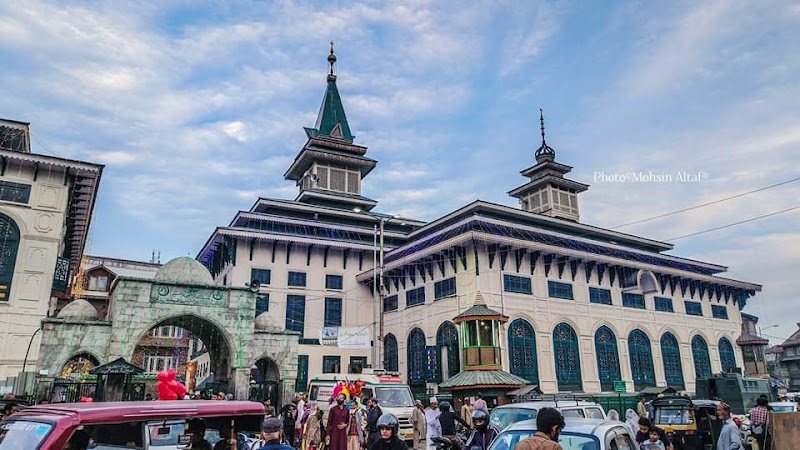
Masjid Dastgeer Sahib
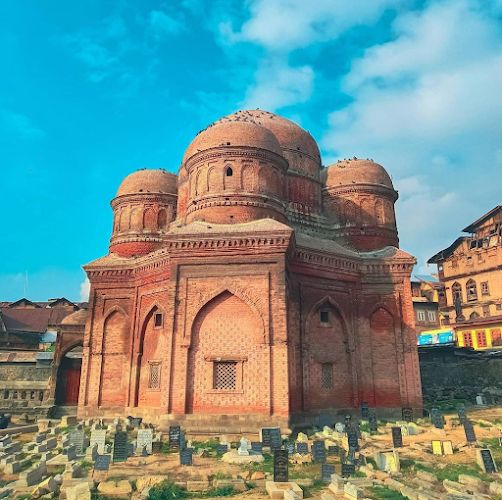
Tomb of Zain-ul-Abidin's Mother

Badam Wari Park
Find Accommodations Nearby
Recommended Tours & Activities
Visitor Reviews
There are no reviews yet. Be the first one to write one.
Share Your Experience
Have you visited Shri Shankaracharya Temple? Help other travelers by leaving a review.