
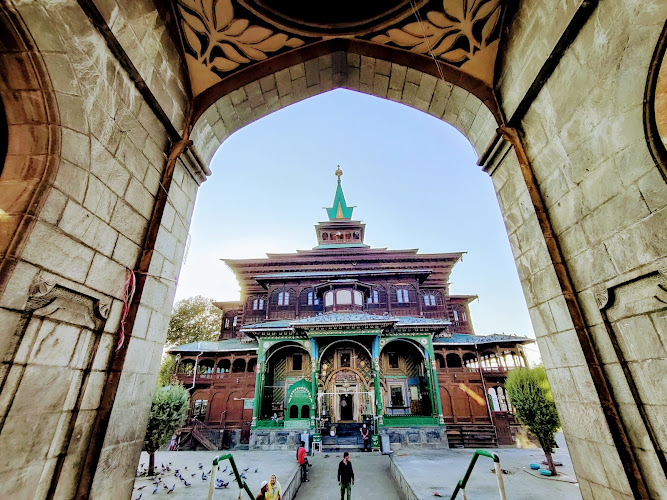
Khanqah-e-Moulla
About Khanqah-e-Moulla
Description
Khanqah-e-Moulla, often called the heart of Srinagar’s spiritual soul, is one of those places that quietly pulls you in before you even realize it. Standing gracefully on the banks of the Jhelum River, this centuries-old wooden shrine carries both history and holiness in its very grain. Built in 1395 CE by Sultan Sikandar in honor of the revered saint Mir Sayyid Ali Hamadani—known locally as Shah-e-Hamadan—it’s considered the oldest Muslim shrine in the city. The moment you step inside, there’s this palpable calm, a kind of hush that feels both ancient and alive.
What’s truly special about Khanqah-e-Moulla is not just its religious importance but its architecture—every carved panel, every painted motif tells a story. I remember the first time I visited, I got lost just staring at the intricate woodwork on the walls. The craftsmanship is unlike anything you’ll find elsewhere in Kashmir; it’s a blend of Persian aesthetics and Kashmiri artistry that has stood the test of time, fire, and even floods. Despite surviving multiple fires over the centuries, it continues to rise again, almost like a spiritual phoenix, stronger and more beautiful each time.
The shrine is not just a place of prayer—it’s a living museum of faith, art, and resilience. Locals come here daily to offer prayers, light candles, or simply sit in quiet reflection. And then there are travelers, like you and me, drawn by curiosity and the promise of serenity. You’ll often find pigeons fluttering around the courtyard, children chasing them with laughter echoing through the wooden corridors, and the soothing sound of the Jhelum flowing nearby. It’s one of those places where time seems to slow down.
Some visitors say they come for the architecture, others for the peace. Personally, I think it’s both. There’s something deeply moving about seeing faith expressed not just in words or rituals but in the very structure of a building. And while most people leave with a sense of awe, a few might find the crowds during festivals a bit overwhelming. Still, that’s part of the charm—life here is always in motion, always layered with devotion and history.
Key Features
- Historic Significance: Built in 1395 CE, it’s considered the first Khanqah (Sufi monastery) in Kashmir, commissioned by Sultan Sikandar in memory of Shah-e-Hamadan.
- Architectural Style: A stunning example of Kashmiri wooden architecture featuring intricate latticework, papier-mâché interiors, and a pyramidal roof that glows golden at sunset.
- Spiritual Importance: A revered site for both locals and pilgrims, symbolizing centuries of Sufi tradition and cultural harmony.
- Resilience Through Time: The shrine has survived devastating fires multiple times and has been lovingly restored while preserving its original charm.
- Peaceful Ambience: The gentle hum of prayers, the scent of incense, and the sound of the river create a meditative atmosphere perfect for reflection.
- Accessibility: The site offers wheelchair-accessible parking and clean restrooms, making it easier for all visitors to experience its beauty.
- Cultural Hub: Over the centuries, it has served as a center for scholars, poets, and philosophers, fostering dialogue and learning.
Best Time to Visit
If you’re planning a trip, the best time to visit Khanqah-e-Moulla is between April and October. The weather during these months is mild, and the surrounding landscape bursts with color. Spring brings blooming almond trees, while autumn paints the city in shades of gold and amber. Winters, though cold, have their own charm—especially if you’re someone who enjoys quiet, snow-dusted mornings and fewer crowds. Fridays tend to be busier due to congregational prayers, so if you prefer a more peaceful experience, visit on a weekday morning.
During religious festivals like Urs (the commemoration of Shah-e-Hamadan), the shrine transforms into a vibrant gathering place filled with lights, chants, and heartfelt devotion. It’s a powerful experience, even for those who don’t share the faith. Just remember, it can get crowded, so plan accordingly.
How to Get There
Reaching Khanqah-e-Moulla is quite straightforward. It’s located in the old part of Srinagar, near the Jhelum River. If you’re staying in the city center, you can easily take a cab, auto-rickshaw, or even a Shikara ride on the river if you want to make the journey memorable. The roads leading to the shrine are narrow and often bustling with local life—shops selling saffron, dry fruits, and traditional Kashmiri crafts line the way. It’s worth walking the last stretch to truly soak in the atmosphere.
Public transport is available, but I’d recommend hiring a local driver who knows the old city lanes well. Parking can be a bit tricky during peak hours, though the site does have a designated parking area that’s wheelchair accessible. If you’re the kind who loves photography, try arriving early in the morning when the light hits the wooden façade just right—it’s pure magic.
Tips for Visiting
A few practical (and personal) tips to make your visit smoother and more meaningful:
- Dress Modestly: Since this is a religious site, it’s respectful to wear modest clothing. Headscarves for women are appreciated but not mandatory for tourists.
- Remove Footwear: Shoes are not allowed inside the shrine, so wear socks or easy-to-remove footwear.
- Photography: While photography is allowed in the courtyard, avoid taking pictures inside the main prayer hall unless permitted. Sometimes, the moment is better experienced than captured.
- Timing: Early mornings or late afternoons are ideal for visiting—less crowded and more peaceful.
- Local Etiquette: Greet locals with warmth; Kashmiris are known for their hospitality. A simple “Salaam” goes a long way.
- Stay Nearby: Consider staying in the old city area to explore other nearby attractions like Jamia Masjid and the bustling bazaars.
- Carry Cash: Smaller shops and stalls nearby might not accept cards, so it’s handy to keep some cash for offerings or souvenirs.
- Respect the Silence: The shrine is a place of prayer. Keep your voice low and avoid phone use inside.
One thing I’ve learned from visiting spiritual sites like this is that it’s not just about sightseeing—it’s about feeling. Khanqah-e-Moulla has a way of grounding you, reminding you of how faith and art can coexist so beautifully. Whether you’re a believer, a history buff, or just someone looking for a quiet corner in the chaos of travel, this shrine offers exactly that. And maybe a little more.
So take your time here. Sit by the wooden pillars, listen to the river, watch the light dance across the carvings. Let the centuries of devotion seep into your soul. Because in the end, that’s what makes Khanqah-e-Moulla more than just a monument—it’s a living story, still being written every single day.
Key Features
- Key Features
- Best Time to Visit
- How to Get There
- Tips for Visiting
More Details
Updated October 11, 2025
Table of Contents
Description
Khanqah-e-Moulla, often called the heart of Srinagar’s spiritual soul, is one of those places that quietly pulls you in before you even realize it. Standing gracefully on the banks of the Jhelum River, this centuries-old wooden shrine carries both history and holiness in its very grain. Built in 1395 CE by Sultan Sikandar in honor of the revered saint Mir Sayyid Ali Hamadani—known locally as Shah-e-Hamadan—it’s considered the oldest Muslim shrine in the city. The moment you step inside, there’s this palpable calm, a kind of hush that feels both ancient and alive.
What’s truly special about Khanqah-e-Moulla is not just its religious importance but its architecture—every carved panel, every painted motif tells a story. I remember the first time I visited, I got lost just staring at the intricate woodwork on the walls. The craftsmanship is unlike anything you’ll find elsewhere in Kashmir; it’s a blend of Persian aesthetics and Kashmiri artistry that has stood the test of time, fire, and even floods. Despite surviving multiple fires over the centuries, it continues to rise again, almost like a spiritual phoenix, stronger and more beautiful each time.
The shrine is not just a place of prayer—it’s a living museum of faith, art, and resilience. Locals come here daily to offer prayers, light candles, or simply sit in quiet reflection. And then there are travelers, like you and me, drawn by curiosity and the promise of serenity. You’ll often find pigeons fluttering around the courtyard, children chasing them with laughter echoing through the wooden corridors, and the soothing sound of the Jhelum flowing nearby. It’s one of those places where time seems to slow down.
Some visitors say they come for the architecture, others for the peace. Personally, I think it’s both. There’s something deeply moving about seeing faith expressed not just in words or rituals but in the very structure of a building. And while most people leave with a sense of awe, a few might find the crowds during festivals a bit overwhelming. Still, that’s part of the charm—life here is always in motion, always layered with devotion and history.
Key Features
- Historic Significance: Built in 1395 CE, it’s considered the first Khanqah (Sufi monastery) in Kashmir, commissioned by Sultan Sikandar in memory of Shah-e-Hamadan.
- Architectural Style: A stunning example of Kashmiri wooden architecture featuring intricate latticework, papier-mâché interiors, and a pyramidal roof that glows golden at sunset.
- Spiritual Importance: A revered site for both locals and pilgrims, symbolizing centuries of Sufi tradition and cultural harmony.
- Resilience Through Time: The shrine has survived devastating fires multiple times and has been lovingly restored while preserving its original charm.
- Peaceful Ambience: The gentle hum of prayers, the scent of incense, and the sound of the river create a meditative atmosphere perfect for reflection.
- Accessibility: The site offers wheelchair-accessible parking and clean restrooms, making it easier for all visitors to experience its beauty.
- Cultural Hub: Over the centuries, it has served as a center for scholars, poets, and philosophers, fostering dialogue and learning.
Best Time to Visit
If you’re planning a trip, the best time to visit Khanqah-e-Moulla is between April and October. The weather during these months is mild, and the surrounding landscape bursts with color. Spring brings blooming almond trees, while autumn paints the city in shades of gold and amber. Winters, though cold, have their own charm—especially if you’re someone who enjoys quiet, snow-dusted mornings and fewer crowds. Fridays tend to be busier due to congregational prayers, so if you prefer a more peaceful experience, visit on a weekday morning.
During religious festivals like Urs (the commemoration of Shah-e-Hamadan), the shrine transforms into a vibrant gathering place filled with lights, chants, and heartfelt devotion. It’s a powerful experience, even for those who don’t share the faith. Just remember, it can get crowded, so plan accordingly.
How to Get There
Reaching Khanqah-e-Moulla is quite straightforward. It’s located in the old part of Srinagar, near the Jhelum River. If you’re staying in the city center, you can easily take a cab, auto-rickshaw, or even a Shikara ride on the river if you want to make the journey memorable. The roads leading to the shrine are narrow and often bustling with local life—shops selling saffron, dry fruits, and traditional Kashmiri crafts line the way. It’s worth walking the last stretch to truly soak in the atmosphere.
Public transport is available, but I’d recommend hiring a local driver who knows the old city lanes well. Parking can be a bit tricky during peak hours, though the site does have a designated parking area that’s wheelchair accessible. If you’re the kind who loves photography, try arriving early in the morning when the light hits the wooden façade just right—it’s pure magic.
Tips for Visiting
A few practical (and personal) tips to make your visit smoother and more meaningful:
- Dress Modestly: Since this is a religious site, it’s respectful to wear modest clothing. Headscarves for women are appreciated but not mandatory for tourists.
- Remove Footwear: Shoes are not allowed inside the shrine, so wear socks or easy-to-remove footwear.
- Photography: While photography is allowed in the courtyard, avoid taking pictures inside the main prayer hall unless permitted. Sometimes, the moment is better experienced than captured.
- Timing: Early mornings or late afternoons are ideal for visiting—less crowded and more peaceful.
- Local Etiquette: Greet locals with warmth; Kashmiris are known for their hospitality. A simple “Salaam” goes a long way.
- Stay Nearby: Consider staying in the old city area to explore other nearby attractions like Jamia Masjid and the bustling bazaars.
- Carry Cash: Smaller shops and stalls nearby might not accept cards, so it’s handy to keep some cash for offerings or souvenirs.
- Respect the Silence: The shrine is a place of prayer. Keep your voice low and avoid phone use inside.
One thing I’ve learned from visiting spiritual sites like this is that it’s not just about sightseeing—it’s about feeling. Khanqah-e-Moulla has a way of grounding you, reminding you of how faith and art can coexist so beautifully. Whether you’re a believer, a history buff, or just someone looking for a quiet corner in the chaos of travel, this shrine offers exactly that. And maybe a little more.
So take your time here. Sit by the wooden pillars, listen to the river, watch the light dance across the carvings. Let the centuries of devotion seep into your soul. Because in the end, that’s what makes Khanqah-e-Moulla more than just a monument—it’s a living story, still being written every single day.
Key Highlights
- Key Features
- Best Time to Visit
- How to Get There
- Tips for Visiting
Location
Places to Stay Near Khanqah-e-Moulla
Find and Book a Tour
Explore More Travel Guides
No reviews found! Be the first to review!
Traveler Reviews for Khanqah-e-Moulla
There are no reviews yet. Be the first one to write one.
Have you visited Khanqah-e-Moulla? Help other travelers by sharing your review.
You Might Also Like

Badam Wari Park
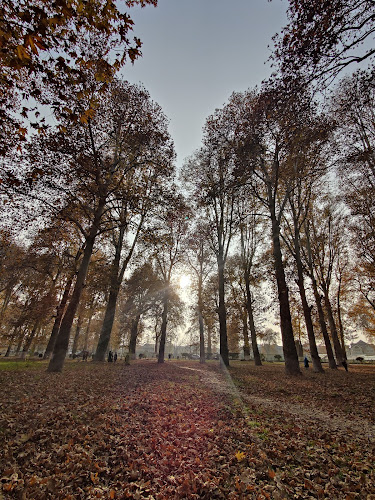
Naseem Bagh

Jamia Masjid Srinagar
Find Accommodations Nearby
Recommended Tours & Activities
Visitor Reviews
There are no reviews yet. Be the first one to write one.
Share Your Experience
Have you visited Khanqah-e-Moulla? Help other travelers by leaving a review.