
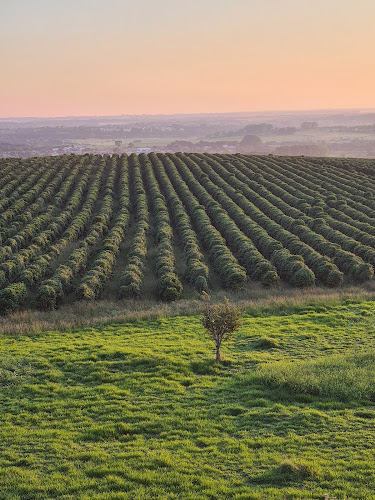
Tozan Farm in Brazil
About Tozan Farm in Brazil
Description
Tozan Farm, located in the countryside of São Paulo, is one of those places that quietly surprises you. It’s not a flashy tourist trap or an over-polished attraction—it’s a living piece of Brazilian and Japanese history wrapped up in the aroma of freshly roasted coffee. Originally founded in the late 18th century as a sugarcane plantation, the farm later turned to coffee production, and that shift changed everything. When Hisaya Iwasaki, the son of the Mitsubishi Group’s founder, purchased the property in 1927, he brought with him a touch of Japan’s precision and a deep respect for the land. Today, that legacy still lingers in every corner of the estate.
Walking around the grounds feels like stepping into a time capsule. The old colonial buildings, the red earth, the green coffee plants stretching into the hills—it all tells a story of endurance, adaptation, and cultural exchange. The farm isn’t just about coffee; it’s about connection. You’ll find yourself chatting with guides who know every inch of the estate, sipping coffee that was grown just meters away, and learning how history, agriculture, and community have intertwined here for over two centuries.
And here’s the thing—Tozan Farm doesn’t feel like a museum. It’s alive. You can still smell the beans roasting, hear the rustle of leaves in the wind, and even see workers tending to the plants. It’s a working farm that opens its gates to curious travelers who want to understand Brazil’s coffee heritage up close. The tours are by appointment only, which I actually appreciate—it keeps the experience personal and unhurried. You’re not herded around in a crowd; you’re part of a conversation about the land, the people, and the craft of coffee-making.
Even if you’re not a coffee connoisseur (I’ll admit, I wasn’t before my visit), there’s something deeply grounding about being here. Maybe it’s the mix of history and nature or the way the afternoon light hits the old farmhouse walls. Tozan Farm has that rare quality of making you slow down and appreciate the beauty of simple things—a freshly brewed cup, a quiet walk between coffee rows, a story told under the shade of a centuries-old tree.
Key Features
- Historic coffee plantation: Founded in 1798, the farm has witnessed Brazil’s agricultural evolution from sugarcane to coffee.
- Japanese influence: Purchased by Hisaya Iwasaki in 1927, the estate blends Brazilian tradition with Japanese craftsmanship and philosophy.
- Guided tours: Visitors can explore the coffee fields, processing facilities, and historic buildings with knowledgeable local guides.
- Authentic coffee tasting: Sample freshly roasted beans grown and processed on-site, often described as some of the smoothest in the region.
- Cultural and educational experiences: Learn about the connection between Brazil and Japan through agriculture, migration, and trade.
- Accessibility: The farm offers wheelchair-accessible entrances and parking, ensuring a comfortable visit for all guests.
- Family-friendly: Kids are welcome, and the open spaces and interactive tours make it a great educational outing for families.
- Free on-site parking: Convenient and secure parking available for all visitors.
- Exclusive visits: Tours operate by prior appointment, keeping the experience calm, intimate, and personalized.
Best Time to Visit
If you’re planning a visit, timing can make a big difference. The coffee harvest season, typically from May to September, is when the farm is at its most vibrant. You’ll see the bushes heavy with red coffee cherries, workers carefully picking them by hand, and the air filled with that unmistakable scent of freshly processed beans. It’s the kind of sensory experience that sticks with you long after you’ve left.
That said, the rest of the year has its charm too. The off-season months—October through April—are quieter, offering a more reflective experience. The weather in Campinas is generally warm year-round, but mornings can be crisp, especially during Brazil’s winter months (June to August). Personally, I’d recommend aiming for early morning tours; the light is perfect for photos, and the farm feels almost magical before the day fully wakes up.
And if you’re the kind of traveler who enjoys slow, meaningful experiences, Tozan Farm is ideal any time of year. Whether you’re watching the sunset over the coffee fields or listening to the distant hum of cicadas, there’s a calm here that’s hard to find elsewhere.
How to Get There
Getting to Tozan Farm is pretty straightforward if you’re coming from Campinas or São Paulo. It’s about a short drive from the city center of Campinas, and the roads are well-maintained. If you’re driving from São Paulo, expect a scenic route through rolling hills and stretches of farmland that hint at Brazil’s deep agricultural roots. The journey itself feels like part of the experience—you’ll pass through small towns, roadside fruit stands, and that unmistakable countryside air that makes you want to roll down the windows and just breathe.
Public transportation options are limited, so renting a car or joining an organized tour is your best bet. Many local tour companies offer day trips that include transportation, guided visits, and sometimes even a traditional lunch on the farm. Just make sure to schedule your visit in advance since tours are by appointment only. Trust me, it’s worth the planning—the farm’s staff are friendly and accommodating, and they’ll make sure your visit runs smoothly.
One small tip: bring a GPS or use a navigation app. Rural Brazil can have patchy signage, and it’s easy to miss a turn if you’re not paying attention. But honestly, even if you do take a wrong turn, the countryside views make it hard to be upset about it.
Tips for Visiting
Before you head out, here are a few things I wish I’d known before my first visit. First, wear comfortable shoes. You’ll be walking over uneven ground, and some areas can get a bit dusty, especially during dry months. A hat and sunscreen are also must-haves—the Brazilian sun doesn’t play around. Bring a reusable water bottle too; staying hydrated is key, especially if you’re touring under the midday sun.
Since visits are by appointment, it’s a good idea to book a few days ahead. The tours can fill up quickly, especially during weekends or harvest season. If you want an English-speaking guide, mention it when scheduling—they usually have bilingual staff available for an extra fee, and it’s absolutely worth it. The guides are passionate storytellers who bring the farm’s history to life, and their insights make the experience far richer.
Photography enthusiasts will love it here. The contrast between the red soil, green coffee bushes, and blue sky is pure magic through a camera lens. Just remember to ask before photographing workers—it’s always polite to do so. And if you’re lucky enough to join during a special event like the “Pôr do Sol” (Sunset) experience or a picnic tour, don’t skip it. Watching the sunset over the coffee fields with a warm cup in hand feels like something straight out of a movie.
Lastly, don’t rush. Tozan Farm isn’t a place you check off a list—it’s one you linger in. Take time to chat with the guides, smell the beans, and maybe even buy a bag or two of their coffee to take home. Every sip later will remind you of the warm breezes, the laughter, and the quiet pride that defines this remarkable place. And honestly, that’s what travel should be about—moments that stay with you long after the trip is over.
Key Features
- Key Features
- Best Time to Visit
- How to Get There
- Tips for Visiting
More Details
Updated October 11, 2025
Table of Contents
Description
Tozan Farm, located in the countryside of São Paulo, is one of those places that quietly surprises you. It’s not a flashy tourist trap or an over-polished attraction—it’s a living piece of Brazilian and Japanese history wrapped up in the aroma of freshly roasted coffee. Originally founded in the late 18th century as a sugarcane plantation, the farm later turned to coffee production, and that shift changed everything. When Hisaya Iwasaki, the son of the Mitsubishi Group’s founder, purchased the property in 1927, he brought with him a touch of Japan’s precision and a deep respect for the land. Today, that legacy still lingers in every corner of the estate.
Walking around the grounds feels like stepping into a time capsule. The old colonial buildings, the red earth, the green coffee plants stretching into the hills—it all tells a story of endurance, adaptation, and cultural exchange. The farm isn’t just about coffee; it’s about connection. You’ll find yourself chatting with guides who know every inch of the estate, sipping coffee that was grown just meters away, and learning how history, agriculture, and community have intertwined here for over two centuries.
And here’s the thing—Tozan Farm doesn’t feel like a museum. It’s alive. You can still smell the beans roasting, hear the rustle of leaves in the wind, and even see workers tending to the plants. It’s a working farm that opens its gates to curious travelers who want to understand Brazil’s coffee heritage up close. The tours are by appointment only, which I actually appreciate—it keeps the experience personal and unhurried. You’re not herded around in a crowd; you’re part of a conversation about the land, the people, and the craft of coffee-making.
Even if you’re not a coffee connoisseur (I’ll admit, I wasn’t before my visit), there’s something deeply grounding about being here. Maybe it’s the mix of history and nature or the way the afternoon light hits the old farmhouse walls. Tozan Farm has that rare quality of making you slow down and appreciate the beauty of simple things—a freshly brewed cup, a quiet walk between coffee rows, a story told under the shade of a centuries-old tree.
Key Features
- Historic coffee plantation: Founded in 1798, the farm has witnessed Brazil’s agricultural evolution from sugarcane to coffee.
- Japanese influence: Purchased by Hisaya Iwasaki in 1927, the estate blends Brazilian tradition with Japanese craftsmanship and philosophy.
- Guided tours: Visitors can explore the coffee fields, processing facilities, and historic buildings with knowledgeable local guides.
- Authentic coffee tasting: Sample freshly roasted beans grown and processed on-site, often described as some of the smoothest in the region.
- Cultural and educational experiences: Learn about the connection between Brazil and Japan through agriculture, migration, and trade.
- Accessibility: The farm offers wheelchair-accessible entrances and parking, ensuring a comfortable visit for all guests.
- Family-friendly: Kids are welcome, and the open spaces and interactive tours make it a great educational outing for families.
- Free on-site parking: Convenient and secure parking available for all visitors.
- Exclusive visits: Tours operate by prior appointment, keeping the experience calm, intimate, and personalized.
Best Time to Visit
If you’re planning a visit, timing can make a big difference. The coffee harvest season, typically from May to September, is when the farm is at its most vibrant. You’ll see the bushes heavy with red coffee cherries, workers carefully picking them by hand, and the air filled with that unmistakable scent of freshly processed beans. It’s the kind of sensory experience that sticks with you long after you’ve left.
That said, the rest of the year has its charm too. The off-season months—October through April—are quieter, offering a more reflective experience. The weather in Campinas is generally warm year-round, but mornings can be crisp, especially during Brazil’s winter months (June to August). Personally, I’d recommend aiming for early morning tours; the light is perfect for photos, and the farm feels almost magical before the day fully wakes up.
And if you’re the kind of traveler who enjoys slow, meaningful experiences, Tozan Farm is ideal any time of year. Whether you’re watching the sunset over the coffee fields or listening to the distant hum of cicadas, there’s a calm here that’s hard to find elsewhere.
How to Get There
Getting to Tozan Farm is pretty straightforward if you’re coming from Campinas or São Paulo. It’s about a short drive from the city center of Campinas, and the roads are well-maintained. If you’re driving from São Paulo, expect a scenic route through rolling hills and stretches of farmland that hint at Brazil’s deep agricultural roots. The journey itself feels like part of the experience—you’ll pass through small towns, roadside fruit stands, and that unmistakable countryside air that makes you want to roll down the windows and just breathe.
Public transportation options are limited, so renting a car or joining an organized tour is your best bet. Many local tour companies offer day trips that include transportation, guided visits, and sometimes even a traditional lunch on the farm. Just make sure to schedule your visit in advance since tours are by appointment only. Trust me, it’s worth the planning—the farm’s staff are friendly and accommodating, and they’ll make sure your visit runs smoothly.
One small tip: bring a GPS or use a navigation app. Rural Brazil can have patchy signage, and it’s easy to miss a turn if you’re not paying attention. But honestly, even if you do take a wrong turn, the countryside views make it hard to be upset about it.
Tips for Visiting
Before you head out, here are a few things I wish I’d known before my first visit. First, wear comfortable shoes. You’ll be walking over uneven ground, and some areas can get a bit dusty, especially during dry months. A hat and sunscreen are also must-haves—the Brazilian sun doesn’t play around. Bring a reusable water bottle too; staying hydrated is key, especially if you’re touring under the midday sun.
Since visits are by appointment, it’s a good idea to book a few days ahead. The tours can fill up quickly, especially during weekends or harvest season. If you want an English-speaking guide, mention it when scheduling—they usually have bilingual staff available for an extra fee, and it’s absolutely worth it. The guides are passionate storytellers who bring the farm’s history to life, and their insights make the experience far richer.
Photography enthusiasts will love it here. The contrast between the red soil, green coffee bushes, and blue sky is pure magic through a camera lens. Just remember to ask before photographing workers—it’s always polite to do so. And if you’re lucky enough to join during a special event like the “Pôr do Sol” (Sunset) experience or a picnic tour, don’t skip it. Watching the sunset over the coffee fields with a warm cup in hand feels like something straight out of a movie.
Lastly, don’t rush. Tozan Farm isn’t a place you check off a list—it’s one you linger in. Take time to chat with the guides, smell the beans, and maybe even buy a bag or two of their coffee to take home. Every sip later will remind you of the warm breezes, the laughter, and the quiet pride that defines this remarkable place. And honestly, that’s what travel should be about—moments that stay with you long after the trip is over.
Key Highlights
- Key Features
- Best Time to Visit
- How to Get There
- Tips for Visiting
Location
Places to Stay Near Tozan Farm in Brazil
Find and Book a Tour
Explore More Travel Guides
No reviews found! Be the first to review!
Traveler Reviews for Tozan Farm in Brazil
There are no reviews yet. Be the first one to write one.
Have you visited Tozan Farm in Brazil? Help other travelers by sharing your review.
You Might Also Like
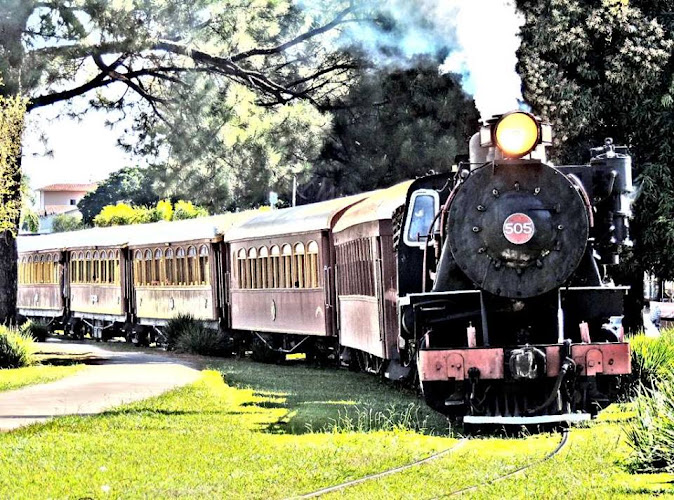
Maria Fumaça Campinas
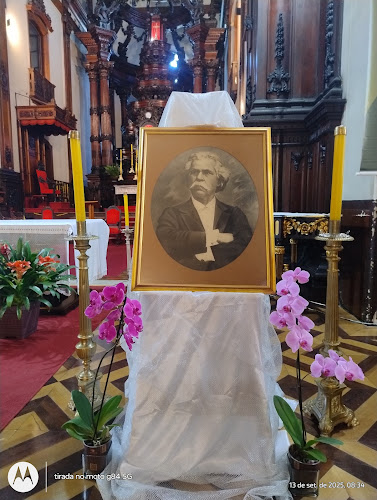
Carlos Gomes Museum

Shopping Parque Dom Pedro
Find Accommodations Nearby
Recommended Tours & Activities
Visitor Reviews
There are no reviews yet. Be the first one to write one.
Share Your Experience
Have you visited Tozan Farm in Brazil? Help other travelers by leaving a review.