
Santuário Arquidiocesano Santa Rita de Cássia
About Santuário Arquidiocesano Santa Rita de Cássia
Description
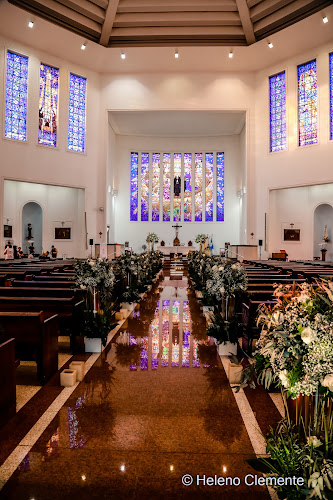
There’s something unexplainably calming about stepping into the Santuário Arquidiocesano Santa Rita de Cássia in Campinas. Maybe it’s the soft glow filtering through the stained glass windows or the quiet hum of whispered prayers echoing through the dome. Whatever it is, this church doesn’t just impress—it moves you. The sanctuary, dedicated to Santa Rita de Cássia, has become one of the most beloved Catholic landmarks in São Paulo state. It’s a place where faith meets art, where architecture feels like a prayer in stone and light.
Walking through the entrance, you immediately notice how thoughtfully it’s been designed. The granite details, the sweeping arches, and that dome—it all feels grand yet deeply personal. It’s not just a church; it’s a living piece of devotion. I remember the first time I visited—I wasn’t expecting to be so affected by the atmosphere. I’d seen photos online, but nothing compares to standing there in person, feeling the hush of reverence that wraps around you like a warm blanket. The air itself feels sacred.
Despite its elegance, the sanctuary doesn’t feel pretentious. Locals come here to pray, light candles, or just sit quietly for a while. It’s accessible to everyone, with ramps, wheelchair-friendly restrooms, and parking that makes it welcoming to all. That inclusivity adds an extra layer of warmth to the experience—you get the sense that this isn’t just a monument to faith, but a home for it.
And while the church’s beauty is undeniable, it’s the energy of the people that gives it life. On Sundays, you’ll find families, elderly couples, and travelers all gathered together, singing with a kind of sincerity that’s contagious. Even if you’re not particularly religious, it’s hard not to feel something stir inside you. It’s one of those places that gently remind you of the power of stillness in a noisy world.
Key Features
- Magnificent stained glass windows: The colorful light that floods the interior creates a serene and almost dreamlike atmosphere.
- Architectural elegance: The sanctuary’s dome and granite finishes reflect a blend of tradition and modern restoration efforts.
- Peaceful environment: Even during busy hours, the space maintains a sense of calm and reflection.
- Accessibility: Wheelchair-accessible entrances, restrooms, and parking make it easy for all visitors to enjoy the site comfortably.
- Spiritual relics: The sanctuary holds relics of Santa Rita de Cássia and the Holy Cross, adding historical and spiritual significance.
- Community-centered: Regular masses, prayer groups, and events create a living, breathing faith community.
- Artistic details: Every corner tells a story through its sculptures, paintings, and intricate craftsmanship.
Each of these features adds to what makes the sanctuary so special. I’ve been to many churches across Brazil, but few manage to balance grandeur and intimacy the way this one does. You can spend an hour admiring the details or simply sit in silence, and both experiences feel equally meaningful.
Best Time to Visit
If you want to experience the Santuário Arquidiocesano Santa Rita de Cássia at its most peaceful, aim for weekday mornings. The light streaming through the stained glass is particularly stunning then, casting soft hues across the pews. There’s something magical about that early quiet—just you, the gentle flicker of candles, and the faint scent of incense lingering in the air.
But if you’re more interested in the communal aspect, Sundays are wonderful. The masses are heartfelt and beautifully conducted, with music that fills the space in a way that feels almost celestial. Just be prepared for crowds—it’s a beloved spot for locals. I actually enjoy the buzz of Sunday mornings there; it’s when you really feel the pulse of the community.
Special feast days, especially the celebrations honoring Santa Rita de Cássia, draw pilgrims from all over Brazil. During these times, the sanctuary transforms into a vibrant gathering of faith and gratitude. It’s emotional, moving, and a little overwhelming—but in the best possible way. If you enjoy cultural and spiritual events, mark your calendar for those dates.
How to Get There
Getting to the sanctuary is quite straightforward. Located in one of Campinas’ most accessible neighborhoods, it’s well connected by public transportation and easy to reach by car. If you’re coming from São Paulo, the drive takes about an hour and a half, depending on traffic. The route is scenic, passing through stretches of countryside that make for a pleasant journey.
For those without a car, local buses and ride-hailing services operate frequently in the area. Once you arrive, you’ll find ample parking and clear signage guiding you toward the main entrance. The surrounding streets are calm and safe, so walking a short distance is no problem. I’d recommend arriving a bit early, especially on weekends, to find a good parking spot and take a slow stroll around the exterior before entering—the facade is worth admiring up close.
If you’re traveling from outside Brazil, Campinas is served by Viracopos International Airport, which is just a short drive away. From there, taxis and rental cars are readily available. It’s one of those destinations that’s easy to include in a broader itinerary through São Paulo state—you can pair your visit with nearby attractions, local cafés, and parks for a full day of exploration.
Tips for Visiting
Visiting the Santuário Arquidiocesano Santa Rita de Cássia is more than just sightseeing—it’s a chance to slow down and reconnect with something deeper. Here are a few things I’ve learned from my own visits that might help make yours even more memorable:
- Dress respectfully: The sanctuary is a place of worship, so modest attire is appreciated. It’s not about strict rules, but about showing reverence.
- Bring a small candle or flower: Many visitors leave offerings at the altar of Santa Rita. It’s a simple gesture that feels surprisingly meaningful.
- Take your time: Don’t rush through. Sit for a while, observe the light changing across the walls, and let the stillness sink in.
- Photography: Photos are usually allowed, but avoid flash and be discreet during services. The best shots often come from natural light anyway.
- Check the mass schedule: If you want to attend a service or hear the choir, check ahead for times—they can vary slightly depending on the season.
- Accessibility: If you or someone you’re traveling with has mobility needs, you’ll find ramps and accessible restrooms throughout the property.
- Combine with local attractions: After your visit, explore the nearby cafés or small shops—it’s a nice way to ease back into the everyday after such a reflective experience.
One last thing: don’t underestimate how much this place can affect you emotionally. I’ve seen people walk in looking curious and walk out visibly moved. Maybe it’s the architecture, maybe it’s the faith that seems to hang in the air, or maybe it’s just the quiet beauty of it all. Whatever the reason, it leaves an impression that lingers long after you’ve gone.
Whether you’re a pilgrim, an architecture enthusiast, or simply someone seeking a moment of peace, the Santuário Arquidiocesano Santa Rita de Cássia offers a rare kind of experience—one that feels both grounding and uplifting. It’s not flashy or overly touristic; it’s authentic, heartfelt, and profoundly human. And honestly, that’s what makes it so special.
Key Features
- Key Features
- Best Time to Visit
- How to Get There
- Tips for Visiting
More Details
Updated October 11, 2025
Table of Contents
- Description
- Key Features
- Best Time to Visit
- How to Get There
- Tips for Visiting
- Key Highlights
- Location
- Places to Stay Near Santuário Arquidiocesano Santa Rita de Cássia
- Find and Book a Tour
- Explore More Travel Guides
- Nearby Places You Might Like
- Traveler Reviews for Santuário Arquidiocesano Santa Rita de Cássia
- Share Your Experience
Description
There’s something unexplainably calming about stepping into the Santuário Arquidiocesano Santa Rita de Cássia in Campinas. Maybe it’s the soft glow filtering through the stained glass windows or the quiet hum of whispered prayers echoing through the dome. Whatever it is, this church doesn’t just impress—it moves you. The sanctuary, dedicated to Santa Rita de Cássia, has become one of the most beloved Catholic landmarks in São Paulo state. It’s a place where faith meets art, where architecture feels like a prayer in stone and light.
Walking through the entrance, you immediately notice how thoughtfully it’s been designed. The granite details, the sweeping arches, and that dome—it all feels grand yet deeply personal. It’s not just a church; it’s a living piece of devotion. I remember the first time I visited—I wasn’t expecting to be so affected by the atmosphere. I’d seen photos online, but nothing compares to standing there in person, feeling the hush of reverence that wraps around you like a warm blanket. The air itself feels sacred.
Despite its elegance, the sanctuary doesn’t feel pretentious. Locals come here to pray, light candles, or just sit quietly for a while. It’s accessible to everyone, with ramps, wheelchair-friendly restrooms, and parking that makes it welcoming to all. That inclusivity adds an extra layer of warmth to the experience—you get the sense that this isn’t just a monument to faith, but a home for it.
And while the church’s beauty is undeniable, it’s the energy of the people that gives it life. On Sundays, you’ll find families, elderly couples, and travelers all gathered together, singing with a kind of sincerity that’s contagious. Even if you’re not particularly religious, it’s hard not to feel something stir inside you. It’s one of those places that gently remind you of the power of stillness in a noisy world.
Key Features
- Magnificent stained glass windows: The colorful light that floods the interior creates a serene and almost dreamlike atmosphere.
- Architectural elegance: The sanctuary’s dome and granite finishes reflect a blend of tradition and modern restoration efforts.
- Peaceful environment: Even during busy hours, the space maintains a sense of calm and reflection.
- Accessibility: Wheelchair-accessible entrances, restrooms, and parking make it easy for all visitors to enjoy the site comfortably.
- Spiritual relics: The sanctuary holds relics of Santa Rita de Cássia and the Holy Cross, adding historical and spiritual significance.
- Community-centered: Regular masses, prayer groups, and events create a living, breathing faith community.
- Artistic details: Every corner tells a story through its sculptures, paintings, and intricate craftsmanship.
Each of these features adds to what makes the sanctuary so special. I’ve been to many churches across Brazil, but few manage to balance grandeur and intimacy the way this one does. You can spend an hour admiring the details or simply sit in silence, and both experiences feel equally meaningful.
Best Time to Visit
If you want to experience the Santuário Arquidiocesano Santa Rita de Cássia at its most peaceful, aim for weekday mornings. The light streaming through the stained glass is particularly stunning then, casting soft hues across the pews. There’s something magical about that early quiet—just you, the gentle flicker of candles, and the faint scent of incense lingering in the air.
But if you’re more interested in the communal aspect, Sundays are wonderful. The masses are heartfelt and beautifully conducted, with music that fills the space in a way that feels almost celestial. Just be prepared for crowds—it’s a beloved spot for locals. I actually enjoy the buzz of Sunday mornings there; it’s when you really feel the pulse of the community.
Special feast days, especially the celebrations honoring Santa Rita de Cássia, draw pilgrims from all over Brazil. During these times, the sanctuary transforms into a vibrant gathering of faith and gratitude. It’s emotional, moving, and a little overwhelming—but in the best possible way. If you enjoy cultural and spiritual events, mark your calendar for those dates.
How to Get There
Getting to the sanctuary is quite straightforward. Located in one of Campinas’ most accessible neighborhoods, it’s well connected by public transportation and easy to reach by car. If you’re coming from São Paulo, the drive takes about an hour and a half, depending on traffic. The route is scenic, passing through stretches of countryside that make for a pleasant journey.
For those without a car, local buses and ride-hailing services operate frequently in the area. Once you arrive, you’ll find ample parking and clear signage guiding you toward the main entrance. The surrounding streets are calm and safe, so walking a short distance is no problem. I’d recommend arriving a bit early, especially on weekends, to find a good parking spot and take a slow stroll around the exterior before entering—the facade is worth admiring up close.
If you’re traveling from outside Brazil, Campinas is served by Viracopos International Airport, which is just a short drive away. From there, taxis and rental cars are readily available. It’s one of those destinations that’s easy to include in a broader itinerary through São Paulo state—you can pair your visit with nearby attractions, local cafés, and parks for a full day of exploration.
Tips for Visiting
Visiting the Santuário Arquidiocesano Santa Rita de Cássia is more than just sightseeing—it’s a chance to slow down and reconnect with something deeper. Here are a few things I’ve learned from my own visits that might help make yours even more memorable:
- Dress respectfully: The sanctuary is a place of worship, so modest attire is appreciated. It’s not about strict rules, but about showing reverence.
- Bring a small candle or flower: Many visitors leave offerings at the altar of Santa Rita. It’s a simple gesture that feels surprisingly meaningful.
- Take your time: Don’t rush through. Sit for a while, observe the light changing across the walls, and let the stillness sink in.
- Photography: Photos are usually allowed, but avoid flash and be discreet during services. The best shots often come from natural light anyway.
- Check the mass schedule: If you want to attend a service or hear the choir, check ahead for times—they can vary slightly depending on the season.
- Accessibility: If you or someone you’re traveling with has mobility needs, you’ll find ramps and accessible restrooms throughout the property.
- Combine with local attractions: After your visit, explore the nearby cafés or small shops—it’s a nice way to ease back into the everyday after such a reflective experience.
One last thing: don’t underestimate how much this place can affect you emotionally. I’ve seen people walk in looking curious and walk out visibly moved. Maybe it’s the architecture, maybe it’s the faith that seems to hang in the air, or maybe it’s just the quiet beauty of it all. Whatever the reason, it leaves an impression that lingers long after you’ve gone.
Whether you’re a pilgrim, an architecture enthusiast, or simply someone seeking a moment of peace, the Santuário Arquidiocesano Santa Rita de Cássia offers a rare kind of experience—one that feels both grounding and uplifting. It’s not flashy or overly touristic; it’s authentic, heartfelt, and profoundly human. And honestly, that’s what makes it so special.
Key Highlights
- Key Features
- Best Time to Visit
- How to Get There
- Tips for Visiting
Location
Places to Stay Near Santuário Arquidiocesano Santa Rita de Cássia
Find and Book a Tour
Explore More Travel Guides
No reviews found! Be the first to review!
Traveler Reviews for Santuário Arquidiocesano Santa Rita de Cássia
There are no reviews yet. Be the first one to write one.
Have you visited Santuário Arquidiocesano Santa Rita de Cássia? Help other travelers by sharing your review.
You Might Also Like
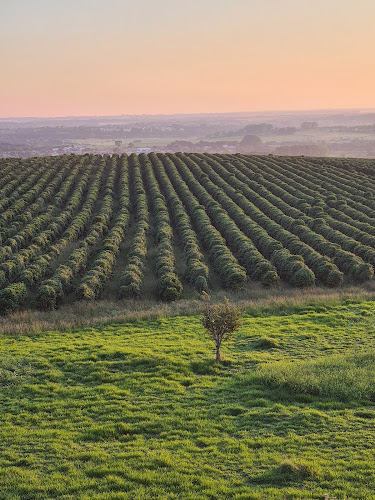
Tozan Farm in Brazil
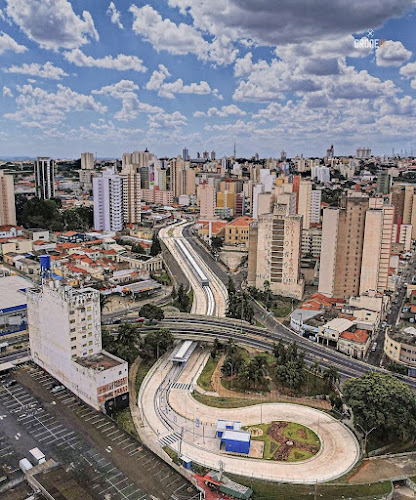
Campinas
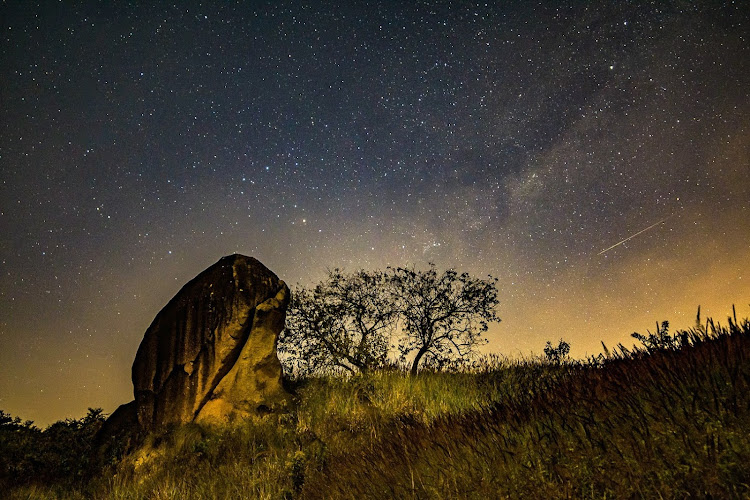
Parque Pico Das Cabras
Find Accommodations Nearby
Recommended Tours & Activities
Visitor Reviews
There are no reviews yet. Be the first one to write one.
Share Your Experience
Have you visited Santuário Arquidiocesano Santa Rita de Cássia? Help other travelers by leaving a review.