
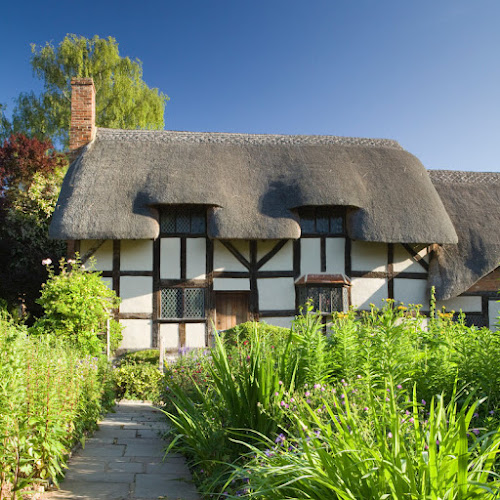
Anne Hathaway
About Anne Hathaway
Description
If you’re in the mood for a genuine step back in time, Anne Hathaway’s Cottage offers just that—a peek into 16th-century English life wrapped in charm and a little bit of magic. This isn’t your run-of-the-mill museum. It’s a real, original wattle-and-daub farmhouse where Shakespeare’s wife, Anne Hathaway, grew up. Imagine walking the same creaky wooden floors, surrounded by centuries-old, original furniture that’s somehow survived the chaos of time. It’s like the past whispering its secrets right to you.
The cottage’s cozy, somewhat rustic interiors carry a pretty unique vibe—without being all polished and sterile like some historical spots. You get a real sense of the family life back then, which is both humbling and fascinating. The ivy-clad exterior, sprawling gardens, and thatched roof practically invite you to linger and soak up the atmosphere. It’s surprisingly accessible too—wheelchair users won’t feel left out thanks to careful planning. For families, there’s plenty of room for kids to roam and learn without the usual museum “don’ts” hanging over their heads.
Expect to see original items of furniture—antique beds, chests, and the kind of wooden stools that make you wonder how people managed to get through the day. It’s not just a house; it's a storytelling treasure trove connected to Shakespeare's personal life, which turns a visit into so much more than a quick photo op.
Key Features
- Authentic 16th-century wattle-and-daub cottage with original architecture
- Historical furniture and household items belonging to the Hathaway family
- Beautifully maintained gardens featuring traditional English plantings
- Wheelchair accessible entrance, parking, and restroom facilities
- Family-friendly environment that engages visitors of all ages
- Onsite staff offering informative tours and insights into Shakespearean history
- Recommendations to book tickets in advance to avoid long waits
- Strict no-restaurant policy on site to preserve the historic ambiance
Best Time to Visit
Ah, timing your visit here takes a bit of strategy. Honestly, the cottage tends to draw in the crowds, particularly during summer months and school holidays. If you can sneak away during late spring or early autumn, you’ll find the experience much more enjoyable. Less jostling, more space to breathe and appreciate the quirky details of the house and gardens.
Early mornings right at opening time can also be peaceful, especially if you’re an early riser—trust me, it sets a mellow tone to wander through the grounds and absorb the history without having to dodge selfie sticks. And weather-wise, most of your visit will be indoors, but those gardens? Best enjoyed with dry weather, so keep an eye on the forecast before you go.
How to Get There
Getting to Anne Hathaway’s Cottage is pretty straightforward if Stratford-upon-Avon is on your travel map. If you’re coming by car, parking is nearby and includes accessible spaces, so no need to circle endlessly on those tiny village lanes. For anyone like me who tends to stubbornly avoid driving in historic towns, buses run regularly from Stratford center to Shottery village, where the cottage sits.
If you’re the adventurous type and fancy some fresh air, walking or cycling from Stratford town center is quite doable—it’s just about a mile or so, which is a nice warm-up for your museum day. Plus, it allows you to soak normal village life alongside. Public transport options include local buses that will drop you within a short stroll to the doorstep, but just a heads-up, weekend schedules can be lighter, so check ahead.
Tips for Visiting
Right, here’s the stuff I wish I'd known before my first visit. First off, book your tickets in advance. The place gets busy, especially in peak tourist seasons, and nothing kills the magic like standing around in a queue, especially on a soggy day.
Wear comfy shoes because the gardens and pathways, though well-kept, are old-world charm with a side of uneven ground. You don’t want to miss the little hidden corners in the garden, where wild herbs and flowers grow—easy to overlook, but they add so much to the ambiance.
While there’s no onsite cafe, the surrounding village has some quaint spots to grab a snack or a cuppa afterwards. My own experience? I made the mistake of arriving hungry and had to rush the visit to eat. Don’t be me, plan your meals before or after.
Don’t hesitate to chat with the guides—they often have stories that go beyond the usual brochure stuff, dropping interesting tidbits about the Hathaway family and Shakespeare’s early life. Very worth it if you want to bring some of that old history to life.
Finally, if you’re visiting with kids, prepare a few questions or a mini treasure hunt. It keeps them engaged and transforms the visit from a dull history lesson to a mini adventure. And for photographers, taking pictures is generally allowed, but flash is a no-go, so be ready to play with natural light. Sometimes the best shots are those that catch the quirky angles of the timber frame and rustic windows.
Key Features
- Authentic 16th-century wattle-and-daub cottage with original architecture
- Historical furniture and household items belonging to the Hathaway family
- Beautifully maintained gardens featuring traditional English plantings
- Wheelchair accessible entrance, parking, and restroom facilities
- Family-friendly environment that engages visitors of all ages
- Onsite staff offering informative tours and insights into Shakespearean history
- Recommendations to book tickets in advance to avoid long waits
- Strict no-restaurant policy on site to preserve the historic ambiance
More Details
Updated June 11, 2025
Table of Contents
Description
If you’re in the mood for a genuine step back in time, Anne Hathaway’s Cottage offers just that—a peek into 16th-century English life wrapped in charm and a little bit of magic. This isn’t your run-of-the-mill museum. It’s a real, original wattle-and-daub farmhouse where Shakespeare’s wife, Anne Hathaway, grew up. Imagine walking the same creaky wooden floors, surrounded by centuries-old, original furniture that’s somehow survived the chaos of time. It’s like the past whispering its secrets right to you.
The cottage’s cozy, somewhat rustic interiors carry a pretty unique vibe—without being all polished and sterile like some historical spots. You get a real sense of the family life back then, which is both humbling and fascinating. The ivy-clad exterior, sprawling gardens, and thatched roof practically invite you to linger and soak up the atmosphere. It’s surprisingly accessible too—wheelchair users won’t feel left out thanks to careful planning. For families, there’s plenty of room for kids to roam and learn without the usual museum “don’ts” hanging over their heads.
Expect to see original items of furniture—antique beds, chests, and the kind of wooden stools that make you wonder how people managed to get through the day. It’s not just a house; it’s a storytelling treasure trove connected to Shakespeare’s personal life, which turns a visit into so much more than a quick photo op.
Key Features
- Authentic 16th-century wattle-and-daub cottage with original architecture
- Historical furniture and household items belonging to the Hathaway family
- Beautifully maintained gardens featuring traditional English plantings
- Wheelchair accessible entrance, parking, and restroom facilities
- Family-friendly environment that engages visitors of all ages
- Onsite staff offering informative tours and insights into Shakespearean history
- Recommendations to book tickets in advance to avoid long waits
- Strict no-restaurant policy on site to preserve the historic ambiance
Best Time to Visit
Ah, timing your visit here takes a bit of strategy. Honestly, the cottage tends to draw in the crowds, particularly during summer months and school holidays. If you can sneak away during late spring or early autumn, you’ll find the experience much more enjoyable. Less jostling, more space to breathe and appreciate the quirky details of the house and gardens.
Early mornings right at opening time can also be peaceful, especially if you’re an early riser—trust me, it sets a mellow tone to wander through the grounds and absorb the history without having to dodge selfie sticks. And weather-wise, most of your visit will be indoors, but those gardens? Best enjoyed with dry weather, so keep an eye on the forecast before you go.
How to Get There
Getting to Anne Hathaway’s Cottage is pretty straightforward if Stratford-upon-Avon is on your travel map. If you’re coming by car, parking is nearby and includes accessible spaces, so no need to circle endlessly on those tiny village lanes. For anyone like me who tends to stubbornly avoid driving in historic towns, buses run regularly from Stratford center to Shottery village, where the cottage sits.
If you’re the adventurous type and fancy some fresh air, walking or cycling from Stratford town center is quite doable—it’s just about a mile or so, which is a nice warm-up for your museum day. Plus, it allows you to soak normal village life alongside. Public transport options include local buses that will drop you within a short stroll to the doorstep, but just a heads-up, weekend schedules can be lighter, so check ahead.
Tips for Visiting
Right, here’s the stuff I wish I’d known before my first visit. First off, book your tickets in advance. The place gets busy, especially in peak tourist seasons, and nothing kills the magic like standing around in a queue, especially on a soggy day.
Wear comfy shoes because the gardens and pathways, though well-kept, are old-world charm with a side of uneven ground. You don’t want to miss the little hidden corners in the garden, where wild herbs and flowers grow—easy to overlook, but they add so much to the ambiance.
While there’s no onsite cafe, the surrounding village has some quaint spots to grab a snack or a cuppa afterwards. My own experience? I made the mistake of arriving hungry and had to rush the visit to eat. Don’t be me, plan your meals before or after.
Don’t hesitate to chat with the guides—they often have stories that go beyond the usual brochure stuff, dropping interesting tidbits about the Hathaway family and Shakespeare’s early life. Very worth it if you want to bring some of that old history to life.
Finally, if you’re visiting with kids, prepare a few questions or a mini treasure hunt. It keeps them engaged and transforms the visit from a dull history lesson to a mini adventure. And for photographers, taking pictures is generally allowed, but flash is a no-go, so be ready to play with natural light. Sometimes the best shots are those that catch the quirky angles of the timber frame and rustic windows.
Key Highlights
- Authentic 16th-century wattle-and-daub cottage with original architecture
- Historical furniture and household items belonging to the Hathaway family
- Beautifully maintained gardens featuring traditional English plantings
- Wheelchair accessible entrance, parking, and restroom facilities
- Family-friendly environment that engages visitors of all ages
- Onsite staff offering informative tours and insights into Shakespearean history
- Recommendations to book tickets in advance to avoid long waits
- Strict no-restaurant policy on site to preserve the historic ambiance
Location
Places to Stay Near Anne Hathaway's Cottage
Find and Book a Tour
Explore More Travel Guides
No reviews found! Be the first to review!
Traveler Reviews for Anne Hathaway
There are no reviews yet. Be the first one to write one.
Have you visited Anne Hathaway? Help other travelers by sharing your review.
You Might Also Like

Holy Trinity Church
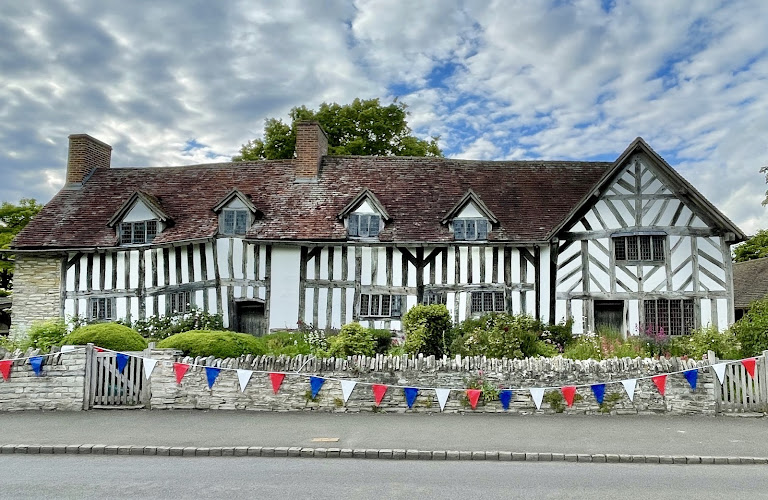
Mary Arden
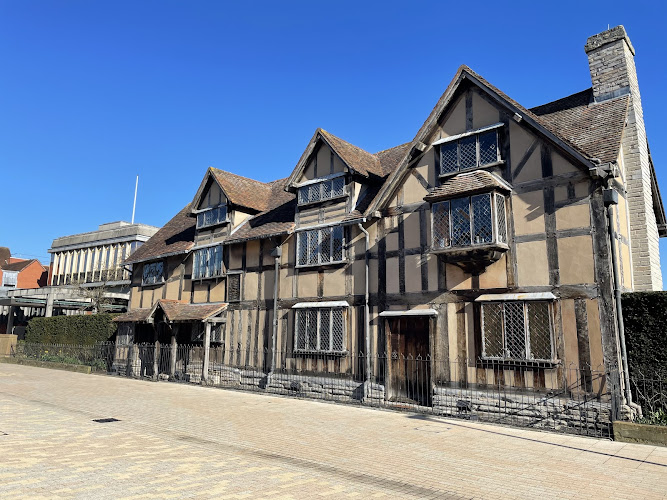
Shakespeare
Find Accommodations Nearby
Recommended Tours & Activities
Visitor Reviews
There are no reviews yet. Be the first one to write one.
Share Your Experience
Have you visited Anne Hathaway? Help other travelers by leaving a review.