

Yokosuka City Museum
About Yokosuka City Museum
Description
The Yokosuka City Museum offers a surprisingly rich dive into the natural history and cultural tapestry of the Kanagawa region and beyond. If you’re like me, museums can sometimes feel a bit stuffy or overly academic. This one, though, strikes a nice balance between being educational and actually engaging — without making you feel like you need a PhD to appreciate it. Located in a spacious building with thoughtful exhibits, the museum’s vibe is calm and inviting, perfect for families, history buffs, or casual travelers who want to add a pinch of local culture to their itinerary.
One thing you quickly notice is how accessible the venue is. Whether you're rolling in with a wheelchair, pushing a stroller, or just prefer taking it easy, the museum has made it clear they want everyone to feel welcome. From wheelchair accessible entrances and restrooms to on-site parking, it's pretty hassle-free. And that's not something every place in Japan can boast, so credit where it’s due.
What really sets the Yokosuka City Museum apart is its focus on nature and local history, showing artifacts, fossils, and interactive displays that narrate the story of the area’s geological and cultural evolution. I remember spending a good chunk of time in front of a massive fossil exhibit that felt like a sudden window into prehistoric Japan. Plus, the ideas behind the exhibits feel pretty well-researched without being overwhelming—which, again, for a museum is no small feat.
It’s not a massive museum like some city’s sprawling landmarks, which means you can explore it comfortably in a couple of hours without rushing or feeling crushed by crowds. A perfect stop if you want to break up a day of travel with some indoor activity that’s both calming and thought-provoking. Oh, and if you’ve got kids tagging along, they’ll actually find plenty here that doesn’t feel like dull ‘museum stuff’. There are hands-on exhibits designed to keep little minds and fingers busy, which I appreciated as a former bored-child-museum-outcast.
One slight downside — they don’t have a restaurant inside. So pack a snack or plan to eat nearby. But the restrooms are clean and well-kept, which counts for a lot when you’re out exploring all day. Overall, this place feels genuine, well-cared-for, and respectfully ties Yokosuka’s past and present together in a way that’s both informative and quietly inspiring.
Key Features
- Focused exhibits on natural history and local cultural artifacts
- Interactive and kid-friendly displays that hold attention without being cutesy
- Wheelchair accessible entrance, parking, and restrooms for effortless navigation
- Ample on-site parking, a rarity for spots near urban centers in Japan
- Quiet, contemplative atmosphere—great for a slow stroll or focused learning
- Well-maintained facilities including clean restrooms (very appreciated)
- Reasonably sized collection that’s easy to cover without rushing
- Occasional temporary exhibitions that highlight regional themes or natural wonders
Best Time to Visit
If you ask me, the best time to visit the Yokosuka City Museum is during the shoulder seasons—spring and autumn. The weather is mild and comfortable, making the trip there altogether more pleasant since you’re probably strolling the neighborhood or heading to nearby spots afterward. Plus, these times avoid the intense summer heat and the crowds of the main Japanese holiday seasons.
Winter can be a quiet, peaceful time too, especially if you prefer a more reflective visit — think fewer people, more space, and a cozier vibe inside the museum. Just remember, it doesn’t have its own café, so warm up with a hot drink before heading in.
Weekdays are better than weekends or public holidays if you want to avoid the groups of schoolchildren or local families, who understandably flock here in good numbers, especially on rainy days when outdoor plans get canceled. Early afternoons tend to be the sweet spot for both crowd and lighting inside the museum.
How to Get There
Getting to the Yokosuka City Museum is pretty straightforward, whether you’re driving or coming by public transport. If you’re using public transit, the nearest station puts you within a doable walk to the museum, though do prepare for a slight uphill stroll. From my experience, Japan’s signage is usually on point, and Yokosuka is no exception — just keep an eye out for local signs pointing toward the museum or ask a friendly local; they’re almost always happy to help.
For those driving, on-site parking is available which, honestly, is a lifesaver in city museums. Parking spots aren’t unlimited, but usually enough if you come early. Just note that Japanese parking fees can be a bit steep depending on the area, but getting to explore Kanagawa by car is pretty convenient overall.
One thing I learned the hard way on a previous trip—plan your last leg of the journey well. The museum isn’t right in the busiest commercial district but more tucked toward suburban residential areas, which is nice if you want a quiet atmosphere, but buses might be less frequent outside peak hours.
Tips for Visiting
First off, don’t underestimate this museum because it’s not huge or flashy. Give yourself at least 1-2 hours to soak up the exhibits properly, maybe more if you're really into natural history or Japanese culture. It’s the kind of place where a little patience and curiosity pay off big time.
Bring a portable charger or make sure your phone’s juiced. The museum layout is easy to follow, but extra photos will likely be snapped—you’ll want to capture some of those cool fossils or the intricate models without worrying about battery life.
Since there’s no restaurant, pack some snacks or water to keep you going, especially if you’re visiting with kids. There are nearby convenience stores and cafes if you feel like grabbing something before or after.
If you have little ones, explain beforehand what they’re going to see. I remember once bringing my niece, who isn't the museum type, but she got genuinely excited by the interactive displays and that made a huge difference. Also, a little patience from parents is key, since kids might want to linger in one spot a bit too long. Let them explore, trust me it’s worth it.
Oh, and try to catch one of the temporary exhibits if they’re running. These often showcase quirky bits of local history or recent archaeological finds that you won’t see anywhere else. Sometimes, these special shows offer workshops or talks too, which could add a fun layer to your visit.
Lastly, don’t forget to check the opening days and times before heading out. It’s Japan, so museums close regularly on a specific weekday to clean and restock or have maintenance, so planning saves that sad “closed” face.
Key Features
- Focused exhibits on natural history and local cultural artifacts
- Interactive and kid-friendly displays that hold attention without being cutesy
- Wheelchair accessible entrance, parking, and restrooms for effortless navigation
- Ample on-site parking, a rarity for spots near urban centers in Japan
- Quiet, contemplative atmosphere—great for a slow stroll or focused learning
- Well-maintained facilities including clean restrooms (very appreciated)
- Reasonably sized collection that’s easy to cover without rushing
- Occasional temporary exhibitions that highlight regional themes or natural wonders
More Details
Updated June 4, 2025
Table of Contents
Description
The Yokosuka City Museum offers a surprisingly rich dive into the natural history and cultural tapestry of the Kanagawa region and beyond. If you’re like me, museums can sometimes feel a bit stuffy or overly academic. This one, though, strikes a nice balance between being educational and actually engaging — without making you feel like you need a PhD to appreciate it. Located in a spacious building with thoughtful exhibits, the museum’s vibe is calm and inviting, perfect for families, history buffs, or casual travelers who want to add a pinch of local culture to their itinerary.
One thing you quickly notice is how accessible the venue is. Whether you’re rolling in with a wheelchair, pushing a stroller, or just prefer taking it easy, the museum has made it clear they want everyone to feel welcome. From wheelchair accessible entrances and restrooms to on-site parking, it’s pretty hassle-free. And that’s not something every place in Japan can boast, so credit where it’s due.
What really sets the Yokosuka City Museum apart is its focus on nature and local history, showing artifacts, fossils, and interactive displays that narrate the story of the area’s geological and cultural evolution. I remember spending a good chunk of time in front of a massive fossil exhibit that felt like a sudden window into prehistoric Japan. Plus, the ideas behind the exhibits feel pretty well-researched without being overwhelming—which, again, for a museum is no small feat.
It’s not a massive museum like some city’s sprawling landmarks, which means you can explore it comfortably in a couple of hours without rushing or feeling crushed by crowds. A perfect stop if you want to break up a day of travel with some indoor activity that’s both calming and thought-provoking. Oh, and if you’ve got kids tagging along, they’ll actually find plenty here that doesn’t feel like dull ‘museum stuff’. There are hands-on exhibits designed to keep little minds and fingers busy, which I appreciated as a former bored-child-museum-outcast.
One slight downside — they don’t have a restaurant inside. So pack a snack or plan to eat nearby. But the restrooms are clean and well-kept, which counts for a lot when you’re out exploring all day. Overall, this place feels genuine, well-cared-for, and respectfully ties Yokosuka’s past and present together in a way that’s both informative and quietly inspiring.
Key Features
- Focused exhibits on natural history and local cultural artifacts
- Interactive and kid-friendly displays that hold attention without being cutesy
- Wheelchair accessible entrance, parking, and restrooms for effortless navigation
- Ample on-site parking, a rarity for spots near urban centers in Japan
- Quiet, contemplative atmosphere—great for a slow stroll or focused learning
- Well-maintained facilities including clean restrooms (very appreciated)
- Reasonably sized collection that’s easy to cover without rushing
- Occasional temporary exhibitions that highlight regional themes or natural wonders
Best Time to Visit
If you ask me, the best time to visit the Yokosuka City Museum is during the shoulder seasons—spring and autumn. The weather is mild and comfortable, making the trip there altogether more pleasant since you’re probably strolling the neighborhood or heading to nearby spots afterward. Plus, these times avoid the intense summer heat and the crowds of the main Japanese holiday seasons.
Winter can be a quiet, peaceful time too, especially if you prefer a more reflective visit — think fewer people, more space, and a cozier vibe inside the museum. Just remember, it doesn’t have its own café, so warm up with a hot drink before heading in.
Weekdays are better than weekends or public holidays if you want to avoid the groups of schoolchildren or local families, who understandably flock here in good numbers, especially on rainy days when outdoor plans get canceled. Early afternoons tend to be the sweet spot for both crowd and lighting inside the museum.
How to Get There
Getting to the Yokosuka City Museum is pretty straightforward, whether you’re driving or coming by public transport. If you’re using public transit, the nearest station puts you within a doable walk to the museum, though do prepare for a slight uphill stroll. From my experience, Japan’s signage is usually on point, and Yokosuka is no exception — just keep an eye out for local signs pointing toward the museum or ask a friendly local; they’re almost always happy to help.
For those driving, on-site parking is available which, honestly, is a lifesaver in city museums. Parking spots aren’t unlimited, but usually enough if you come early. Just note that Japanese parking fees can be a bit steep depending on the area, but getting to explore Kanagawa by car is pretty convenient overall.
One thing I learned the hard way on a previous trip—plan your last leg of the journey well. The museum isn’t right in the busiest commercial district but more tucked toward suburban residential areas, which is nice if you want a quiet atmosphere, but buses might be less frequent outside peak hours.
Tips for Visiting
First off, don’t underestimate this museum because it’s not huge or flashy. Give yourself at least 1-2 hours to soak up the exhibits properly, maybe more if you’re really into natural history or Japanese culture. It’s the kind of place where a little patience and curiosity pay off big time.
Bring a portable charger or make sure your phone’s juiced. The museum layout is easy to follow, but extra photos will likely be snapped—you’ll want to capture some of those cool fossils or the intricate models without worrying about battery life.
Since there’s no restaurant, pack some snacks or water to keep you going, especially if you’re visiting with kids. There are nearby convenience stores and cafes if you feel like grabbing something before or after.
If you have little ones, explain beforehand what they’re going to see. I remember once bringing my niece, who isn’t the museum type, but she got genuinely excited by the interactive displays and that made a huge difference. Also, a little patience from parents is key, since kids might want to linger in one spot a bit too long. Let them explore, trust me it’s worth it.
Oh, and try to catch one of the temporary exhibits if they’re running. These often showcase quirky bits of local history or recent archaeological finds that you won’t see anywhere else. Sometimes, these special shows offer workshops or talks too, which could add a fun layer to your visit.
Lastly, don’t forget to check the opening days and times before heading out. It’s Japan, so museums close regularly on a specific weekday to clean and restock or have maintenance, so planning saves that sad “closed” face.
Key Highlights
- Focused exhibits on natural history and local cultural artifacts
- Interactive and kid-friendly displays that hold attention without being cutesy
- Wheelchair accessible entrance, parking, and restrooms for effortless navigation
- Ample on-site parking, a rarity for spots near urban centers in Japan
- Quiet, contemplative atmosphere—great for a slow stroll or focused learning
- Well-maintained facilities including clean restrooms (very appreciated)
- Reasonably sized collection that’s easy to cover without rushing
- Occasional temporary exhibitions that highlight regional themes or natural wonders
Location
Places to Stay Near Yokosuka City Museum
Find and Book a Tour
Explore More Travel Guides
No reviews found! Be the first to review!
Traveler Reviews for Yokosuka City Museum
There are no reviews yet. Be the first one to write one.
Have you visited Yokosuka City Museum? Help other travelers by sharing your review.
You Might Also Like
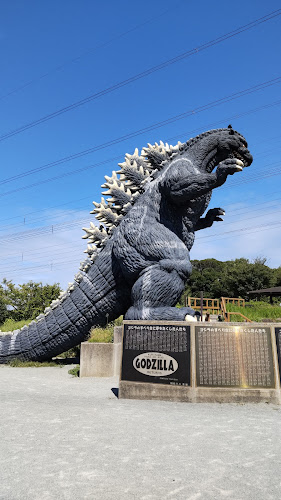
Kurihama Flower World
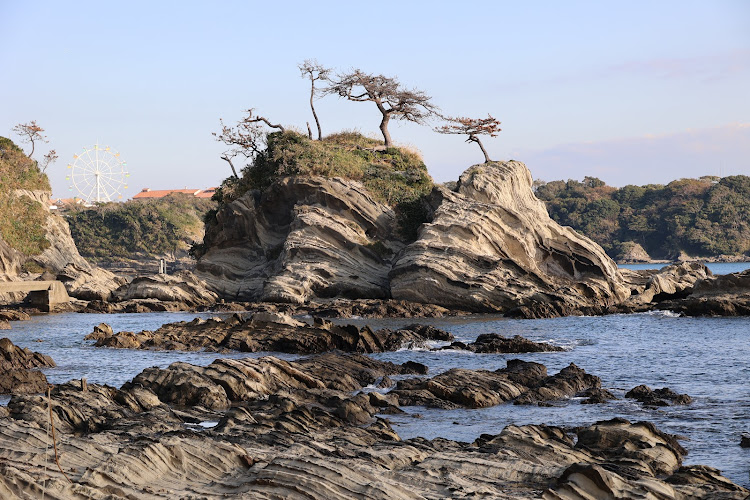
Arasaki Park
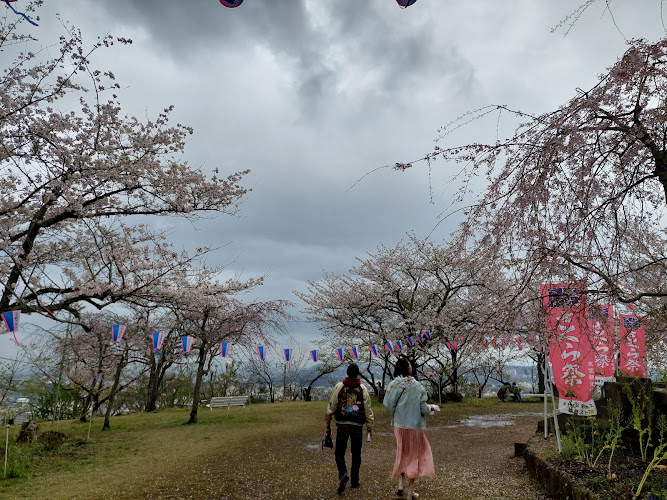
Kinugasa Yama Park
Find Accommodations Nearby
Recommended Tours & Activities
Visitor Reviews
There are no reviews yet. Be the first one to write one.
Share Your Experience
Have you visited Yokosuka City Museum? Help other travelers by leaving a review.