
Bamyan
About Bamyan
Description
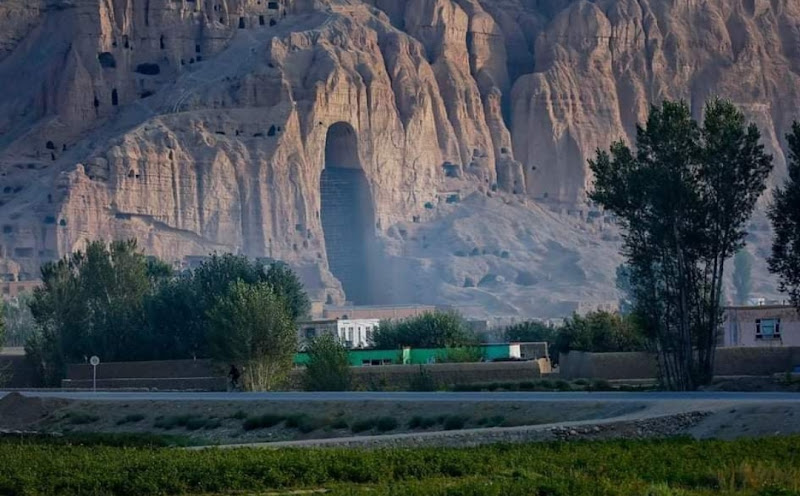
Bamyan is one of those places that sneaks under the radar but leaves a lasting impression. Sitting high up at over 8,300 feet above sea level, it’s the heart of the Hazarajat region in central Afghanistan, and with a population hovering around 100,000 folks, it’s the largest city in the area. What strikes me about Bamyan is its blend of ancient history, rugged natural beauty, and a quiet vibe that feels miles away from the bustling tourist traps you hear about. It’s a place where the mountains loom large, and you can breathe in some seriously fresh air—something city dwellers don’t realize they’re missing until they’ve been up here.
Now, Bamyan might not scream luxury or Instagrammable cafes, and yeah, it’s not the easiest place to get to, but that’s part of its charm. This isn’t a spot where you just check boxes. You come here to soak in the rawness, to connect with a history stretching back centuries, and to see firsthand the remains of the Buddhas that once stood tall and magnificent. The Bamyan Airport is smack dab in the middle of the city, which is handy, but flights aren’t exactly dropping in every hour, so planning is key.
Traveling here gives you a glimpse into a quieter Afghanistan, one that’s been through a lot but still holds stories written in stone cliffs and deep valleys. The people you meet, the dusty roads you wind through, and the vast, silent horizons are all parts of what Bamyan is about. It’s a place that often challenges assumptions and rewards those willing to dig deeper.
Key Features
- The Giant Buddhas: The most famous attractions—two giant Buddha statues carved into the cliffs—though tragically destroyed, the niches and a few remnants can still send chills down your spine. It’s both haunting and humbling.
- Stunning Landscape: Rolling green valleys framed by towering mountains—perfect for hiking, trekking, and letting time slow way down.
- Rich Cultural Heritage: Home to the Hazara people, Bamyan offers a chance to experience a unique cultural tapestry through local crafts, food, and festivals.
- Historical Sites: Including the ancient fort of Shahr-e Zuhak, caves with Buddhist murals, and old Silk Road landmarks reminding you of Bamyan’s once pivotal role in trade routes.
- The Band-e Amir Lakes: Afghanistan’s very first national park not far from town, with some of the most breathtaking, turquoise-hued lakes you’ll ever see.
- Bamyan Airport: Conveniently located in the city center, making arrivals and departures less of a hassle compared to other remote Afghan destinations.
- Altitude Advantage: At over 8,300 feet, the climate is crisp, and the starlit skies on clear nights are unforgettable—ideal for those like me who can’t resist a good night under the cosmos.
Best Time to Visit
If you ask me, late spring to early autumn is when Bamyan really shows off. From May through October, the weather tends to be most cooperative—not scorching hot like other parts of Afghanistan, but pleasantly warm during the day with cooler nights that keep you reaching for your sweater. May and June bring blooming wildflowers, making hikes and strolls especially rewarding.
Winter visits? Well, I’ve heard the chill can be relentless with heavy snowfall closing roads and making the area pretty inaccessible unless you’re prepped like a seasoned explorer. Sure, the snowy vistas are postcard-perfect, but for most travelers, it’s just easier (and safer!) to come when the roads aren’t treacherous.
Late September and October also offer the added bonus of fewer tourists and a golden hue cast over the hills. So if you like quieter places with more space to breathe, that’s your window. Just pack layers—mountain weather can be unpredictable.
How to Get There
Getting to Bamyan isn’t as straightforward as jumping on a mass-market flight. The Bamyan Airport is your main aerial gateway, but flights here can be irregular and often depend on weather and geopolitical situations—yeah, that’s a reality here. So expect to plan your timing flexibly and keep a backup option on hand.
If flying isn’t lining up, many adventurous souls reach Bamyan overland. The roads, while scenic, can be rough and bumpy, winding through mountains and sometimes dust-filled valleys. From Kabul, it’s a drive that can take anywhere between 6 to 10 hours depending on conditions and which route you choose. There’s this one stretch I remember hearing about where the road hugs the cliffside—it’s breathtaking and also enough to make your knuckles go white if you’re not used to mountainous roads.
Public transport options can be quite limited; local minibuses or private taxis are common, but you gotta keep your wits about you and maybe a good dose of patience. And yes, travel advisories should be checked before setting off because, well, safety first, always.
Tips for Visiting
Alright, so you’re seriously considering Bamyan—good! Here are some nuggets I wish I’d known before I ventured out (or at least, what I think you should keep in mind):
- Respect Local Customs: The Hazara people have a distinct culture, and hospitality is a big deal, but so is respect. Modest dress is recommended, especially for women travelers.
- Pack Smart: Layers, layers, and more layers. The temperature swings from day to night can be wild, plus don’t forget sturdy walking shoes for rocky terrain and some sunscreen because at that altitude, the sun bites sharper than you’d expect.
- Cash is King: Don’t expect many ATMs or card payments—bring enough Afghanis or exchange money beforehand. And keep some spare notes tucked away because small transactions often run smoother that way.
- Guides are Worth It: Hiring a local guide doesn’t just help with navigating physical trails but also through cultural nuances and safety. Plus, you support the local economy; win-win.
- Stay Longer If You Can: Bamyan isn’t a place to rush through. Take a couple days, at least, to explore the lakes, ruins, hiking trails, and soak in the slower pace that makes it special.
- Connectivity: Internet can be spotty or non-existent in parts of Bamyan, so mentally prep for a digital detox. Sometimes, unplugging completely is just what the doctor ordered.
- Health Precautions: Altitude can hit hard if you’re not acclimated. Take it easy when you arrive, stay hydrated, and if you have any health concerns, check with a doc before heading up.
- Food Adventure: Give local dishes a try—simple, hearty, and mostly homemade. It’s a window into life here. But also, carry some basic snacks just in case your timing and local options don’t line up perfectly.
- Safety First: Always check current travel advisories. Afghanistan’s situation can shift, and while Bamyan often tends to be more stable than other regions, being informed can save you a world of headache.
Honestly, Bamyan demands a bit of effort to get to and to navigate once you’re there, but the payoff? Well, it’s those moments when you stand near those ancient cliff faces, or by the mirror-bright lakes surrounded by sheer mountains, and realize you’re touching a piece of history few travelers ever do.
So if you’re up for an adventure that’s off the beaten path, isn’t always easy, but offers something real and utterly unique, Bamyan is waiting. Don’t tell everyone though—I like to keep it a bit of a secret.
Key Features
- Key Features
- Best Time to Visit
- How to Get There
- Tips for Visiting
More Details
Updated June 5, 2025
Table of Contents
Description
Bamyan is one of those places that sneaks under the radar but leaves a lasting impression. Sitting high up at over 8,300 feet above sea level, it’s the heart of the Hazarajat region in central Afghanistan, and with a population hovering around 100,000 folks, it’s the largest city in the area. What strikes me about Bamyan is its blend of ancient history, rugged natural beauty, and a quiet vibe that feels miles away from the bustling tourist traps you hear about. It’s a place where the mountains loom large, and you can breathe in some seriously fresh air—something city dwellers don’t realize they’re missing until they’ve been up here.
Now, Bamyan might not scream luxury or Instagrammable cafes, and yeah, it’s not the easiest place to get to, but that’s part of its charm. This isn’t a spot where you just check boxes. You come here to soak in the rawness, to connect with a history stretching back centuries, and to see firsthand the remains of the Buddhas that once stood tall and magnificent. The Bamyan Airport is smack dab in the middle of the city, which is handy, but flights aren’t exactly dropping in every hour, so planning is key.
Traveling here gives you a glimpse into a quieter Afghanistan, one that’s been through a lot but still holds stories written in stone cliffs and deep valleys. The people you meet, the dusty roads you wind through, and the vast, silent horizons are all parts of what Bamyan is about. It’s a place that often challenges assumptions and rewards those willing to dig deeper.
Key Features
- The Giant Buddhas: The most famous attractions—two giant Buddha statues carved into the cliffs—though tragically destroyed, the niches and a few remnants can still send chills down your spine. It’s both haunting and humbling.
- Stunning Landscape: Rolling green valleys framed by towering mountains—perfect for hiking, trekking, and letting time slow way down.
- Rich Cultural Heritage: Home to the Hazara people, Bamyan offers a chance to experience a unique cultural tapestry through local crafts, food, and festivals.
- Historical Sites: Including the ancient fort of Shahr-e Zuhak, caves with Buddhist murals, and old Silk Road landmarks reminding you of Bamyan’s once pivotal role in trade routes.
- The Band-e Amir Lakes: Afghanistan’s very first national park not far from town, with some of the most breathtaking, turquoise-hued lakes you’ll ever see.
- Bamyan Airport: Conveniently located in the city center, making arrivals and departures less of a hassle compared to other remote Afghan destinations.
- Altitude Advantage: At over 8,300 feet, the climate is crisp, and the starlit skies on clear nights are unforgettable—ideal for those like me who can’t resist a good night under the cosmos.
Best Time to Visit
If you ask me, late spring to early autumn is when Bamyan really shows off. From May through October, the weather tends to be most cooperative—not scorching hot like other parts of Afghanistan, but pleasantly warm during the day with cooler nights that keep you reaching for your sweater. May and June bring blooming wildflowers, making hikes and strolls especially rewarding.
Winter visits? Well, I’ve heard the chill can be relentless with heavy snowfall closing roads and making the area pretty inaccessible unless you’re prepped like a seasoned explorer. Sure, the snowy vistas are postcard-perfect, but for most travelers, it’s just easier (and safer!) to come when the roads aren’t treacherous.
Late September and October also offer the added bonus of fewer tourists and a golden hue cast over the hills. So if you like quieter places with more space to breathe, that’s your window. Just pack layers—mountain weather can be unpredictable.
How to Get There
Getting to Bamyan isn’t as straightforward as jumping on a mass-market flight. The Bamyan Airport is your main aerial gateway, but flights here can be irregular and often depend on weather and geopolitical situations—yeah, that’s a reality here. So expect to plan your timing flexibly and keep a backup option on hand.
If flying isn’t lining up, many adventurous souls reach Bamyan overland. The roads, while scenic, can be rough and bumpy, winding through mountains and sometimes dust-filled valleys. From Kabul, it’s a drive that can take anywhere between 6 to 10 hours depending on conditions and which route you choose. There’s this one stretch I remember hearing about where the road hugs the cliffside—it’s breathtaking and also enough to make your knuckles go white if you’re not used to mountainous roads.
Public transport options can be quite limited; local minibuses or private taxis are common, but you gotta keep your wits about you and maybe a good dose of patience. And yes, travel advisories should be checked before setting off because, well, safety first, always.
Tips for Visiting
Alright, so you’re seriously considering Bamyan—good! Here are some nuggets I wish I’d known before I ventured out (or at least, what I think you should keep in mind):
- Respect Local Customs: The Hazara people have a distinct culture, and hospitality is a big deal, but so is respect. Modest dress is recommended, especially for women travelers.
- Pack Smart: Layers, layers, and more layers. The temperature swings from day to night can be wild, plus don’t forget sturdy walking shoes for rocky terrain and some sunscreen because at that altitude, the sun bites sharper than you’d expect.
- Cash is King: Don’t expect many ATMs or card payments—bring enough Afghanis or exchange money beforehand. And keep some spare notes tucked away because small transactions often run smoother that way.
- Guides are Worth It: Hiring a local guide doesn’t just help with navigating physical trails but also through cultural nuances and safety. Plus, you support the local economy; win-win.
- Stay Longer If You Can: Bamyan isn’t a place to rush through. Take a couple days, at least, to explore the lakes, ruins, hiking trails, and soak in the slower pace that makes it special.
- Connectivity: Internet can be spotty or non-existent in parts of Bamyan, so mentally prep for a digital detox. Sometimes, unplugging completely is just what the doctor ordered.
- Health Precautions: Altitude can hit hard if you’re not acclimated. Take it easy when you arrive, stay hydrated, and if you have any health concerns, check with a doc before heading up.
- Food Adventure: Give local dishes a try—simple, hearty, and mostly homemade. It’s a window into life here. But also, carry some basic snacks just in case your timing and local options don’t line up perfectly.
- Safety First: Always check current travel advisories. Afghanistan’s situation can shift, and while Bamyan often tends to be more stable than other regions, being informed can save you a world of headache.
Honestly, Bamyan demands a bit of effort to get to and to navigate once you’re there, but the payoff? Well, it’s those moments when you stand near those ancient cliff faces, or by the mirror-bright lakes surrounded by sheer mountains, and realize you’re touching a piece of history few travelers ever do.
So if you’re up for an adventure that’s off the beaten path, isn’t always easy, but offers something real and utterly unique, Bamyan is waiting. Don’t tell everyone though—I like to keep it a bit of a secret.
Key Highlights
- Key Features
- Best Time to Visit
- How to Get There
- Tips for Visiting
Location
Places to Stay Near Bamyan
Find and Book a Tour
Explore More Travel Guides
No reviews found! Be the first to review!
Traveler Reviews for Bamyan
There are no reviews yet. Be the first one to write one.
Have you visited Bamyan? Help other travelers by sharing your review.
You Might Also Like
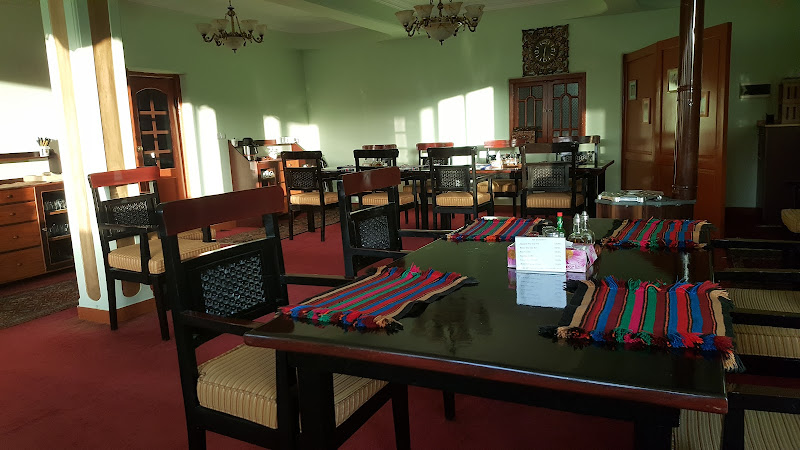
Silk Road Hotel Restaurant

Buddha of Bamyan
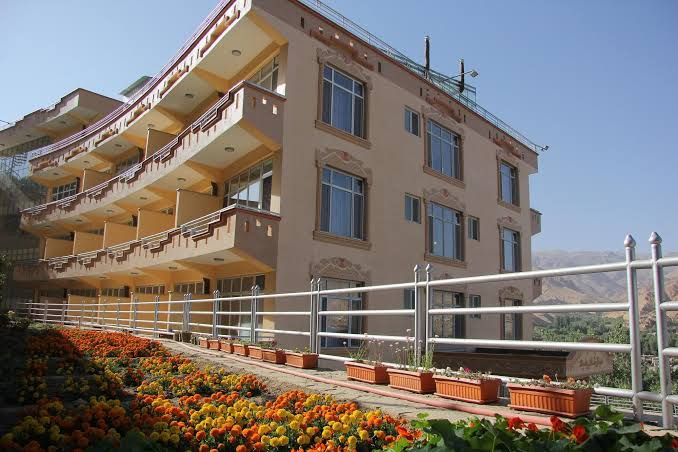
Bamyan Royal Hotel
Find Accommodations Nearby
Recommended Tours & Activities
Visitor Reviews
There are no reviews yet. Be the first one to write one.
Share Your Experience
Have you visited Bamyan? Help other travelers by leaving a review.