
Anjoman Mountain Pass
About Anjoman Mountain Pass
Description
Hey there, fellow adventure seekers! Let me tell you about one of Central Asia's most spectacular yet lesser-known mountain passes - the incredible Anjoman Pass. Having explored numerous mountain passages throughout my travels, I can honestly say this rugged route through Afghanistan's Hindu Kush mountains absolutely took my breath away (and not just because of the altitude!). Rising dramatically to a whopping 4,200 meters above sea level, this remote passage connects the Panjshir Valley to Badakhshan through some seriously impressive terrain. The raw, untamed beauty here reminds me of those ancient Silk Road routes - except this one's far less traveled, which makes it even more special.Key Features
• Jaw-dropping elevation reaching 4,200 meters (13,780 feet) • Dramatic rock formations carved by centuries of geological activity • Pristine alpine meadows bursting with wildflowers in spring • Sweeping panoramic views of the Hindu Kush mountain range • Traditional nomadic settlements along the route • Crystal-clear mountain streams and seasonal waterfalls • Rich wildlife habitat including Marco Polo sheep and snow leopards • Historical significance as an ancient trading route • Challenging switchbacks and hairpin turns • Natural caves and rock shelters used by travelers for generationsBest Time to Visit
From my experience tackling high-altitude passes, summer months (June through September) offer the most reliable conditions for crossing Anjoman. The snow usually clears by late May, and the weather stays relatively stable until early October. But I gotta warn ya - even during peak season, conditions can change faster than you can say "mountain weather"! July and August typically provide the most comfortable temperatures, though "comfortable" is relative when you're this high up. Early mornings can still be pretty chilly, but afternoons warm up nicely. Just pack layers - trust me on this one!How to Get There
Getting to Anjoman Pass isn't exactly a walk in the park, which is honestly part of its charm. You'll need to start your journey from either Panjshir Valley or Badakhshan Province. The most common approach is from the Panjshir side, where you can hire a reliable 4x4 vehicle with an experienced driver (seriously, don't try this in your regular rental car). The initial route follows the main Panjshir Valley road until you reach the turn-off for Anjoman. From there, the track becomes progressively more challenging - think switchbacks, loose gravel, and some sections that'll make your heart race a bit. But man, those views make it all worthwhile!Tips for Visiting
Look, I learned some of these the hard way, so lemme save you some trouble: 1. Acclimatize properly! Spend at least a day or two at intermediate altitudes before attempting the pass. The altitude hit me like a ton of bricks my first time up there. 2. Pack more water than you think you'll need - the thin air really dehydrates you quickly. 3. Bring a reliable satellite phone or communication device - cell service is about as rare as a coffee shop up here. 4. Check local conditions and get necessary permits before setting out. The political situation can be unpredictable. 5. Your vehicle needs to be in top shape - this ain't the place for mechanical troubles. 6. Pack warm clothes regardless of season. I've seen snow in August! 7. Bring basic medical supplies, including altitude sickness medication. 8. Start early in the day - afternoon weather can turn nasty without warning. 9. Respect local customs and communities - a little cultural awareness goes a long way. 10. Consider hiring a local guide - they know the terrain and can share fascinating stories about the region. Y'know, the Anjoman Pass might not be the easiest place to reach, but that's exactly what makes it special. It's one of those rare spots where you can still feel like a true explorer, where every turn reveals another stunning vista that probably hasn't changed much since ancient traders first carved out this route. Just remember to travel smart and stay safe - this mountain pass demands respect, but rewards you with experiences you'll never forget!Key Features
- Key Features
- Best Time to Visit
- How to Get There
- Tips for Visiting
More Details
Updated May 13, 2025
Table of Contents
- Description
- Key Features
- Best Time to Visit
- How to Get There
- Tips for Visiting
- Key Highlights
- Location
- Places to Stay Near Anjoman Mountain Pass"... just dont make my mistake thinking this road had something to do ..."
- Find and Book a Tour
- Explore More Travel Guides
- Nearby Places You Might Like
- Traveler Reviews for Anjoman Mountain Pass
- Share Your Experience
Description
Hey there, fellow adventure seekers! Let me tell you about one of Central Asia’s most spectacular yet lesser-known mountain passes – the incredible Anjoman Pass. Having explored numerous mountain passages throughout my travels, I can honestly say this rugged route through Afghanistan’s Hindu Kush mountains absolutely took my breath away (and not just because of the altitude!).
Rising dramatically to a whopping 4,200 meters above sea level, this remote passage connects the Panjshir Valley to Badakhshan through some seriously impressive terrain. The raw, untamed beauty here reminds me of those ancient Silk Road routes – except this one’s far less traveled, which makes it even more special.
Key Features
• Jaw-dropping elevation reaching 4,200 meters (13,780 feet)
• Dramatic rock formations carved by centuries of geological activity
• Pristine alpine meadows bursting with wildflowers in spring
• Sweeping panoramic views of the Hindu Kush mountain range
• Traditional nomadic settlements along the route
• Crystal-clear mountain streams and seasonal waterfalls
• Rich wildlife habitat including Marco Polo sheep and snow leopards
• Historical significance as an ancient trading route
• Challenging switchbacks and hairpin turns
• Natural caves and rock shelters used by travelers for generations
Best Time to Visit
From my experience tackling high-altitude passes, summer months (June through September) offer the most reliable conditions for crossing Anjoman. The snow usually clears by late May, and the weather stays relatively stable until early October. But I gotta warn ya – even during peak season, conditions can change faster than you can say “mountain weather”!
July and August typically provide the most comfortable temperatures, though “comfortable” is relative when you’re this high up. Early mornings can still be pretty chilly, but afternoons warm up nicely. Just pack layers – trust me on this one!
How to Get There
Getting to Anjoman Pass isn’t exactly a walk in the park, which is honestly part of its charm. You’ll need to start your journey from either Panjshir Valley or Badakhshan Province. The most common approach is from the Panjshir side, where you can hire a reliable 4×4 vehicle with an experienced driver (seriously, don’t try this in your regular rental car).
The initial route follows the main Panjshir Valley road until you reach the turn-off for Anjoman. From there, the track becomes progressively more challenging – think switchbacks, loose gravel, and some sections that’ll make your heart race a bit. But man, those views make it all worthwhile!
Tips for Visiting
Look, I learned some of these the hard way, so lemme save you some trouble:
1. Acclimatize properly! Spend at least a day or two at intermediate altitudes before attempting the pass. The altitude hit me like a ton of bricks my first time up there.
2. Pack more water than you think you’ll need – the thin air really dehydrates you quickly.
3. Bring a reliable satellite phone or communication device – cell service is about as rare as a coffee shop up here.
4. Check local conditions and get necessary permits before setting out. The political situation can be unpredictable.
5. Your vehicle needs to be in top shape – this ain’t the place for mechanical troubles.
6. Pack warm clothes regardless of season. I’ve seen snow in August!
7. Bring basic medical supplies, including altitude sickness medication.
8. Start early in the day – afternoon weather can turn nasty without warning.
9. Respect local customs and communities – a little cultural awareness goes a long way.
10. Consider hiring a local guide – they know the terrain and can share fascinating stories about the region.
Y’know, the Anjoman Pass might not be the easiest place to reach, but that’s exactly what makes it special. It’s one of those rare spots where you can still feel like a true explorer, where every turn reveals another stunning vista that probably hasn’t changed much since ancient traders first carved out this route. Just remember to travel smart and stay safe – this mountain pass demands respect, but rewards you with experiences you’ll never forget!
Key Highlights
- Key Features
- Best Time to Visit
- How to Get There
- Tips for Visiting
Location
Places to Stay Near Anjoman Mountain Pass"... just dont make my mistake thinking this road had something to do ..."
Find and Book a Tour
Explore More Travel Guides
No reviews found! Be the first to review!
Traveler Reviews for Anjoman Mountain Pass
There are no reviews yet. Be the first one to write one.
Have you visited Anjoman Mountain Pass? Help other travelers by sharing your review.
You Might Also Like
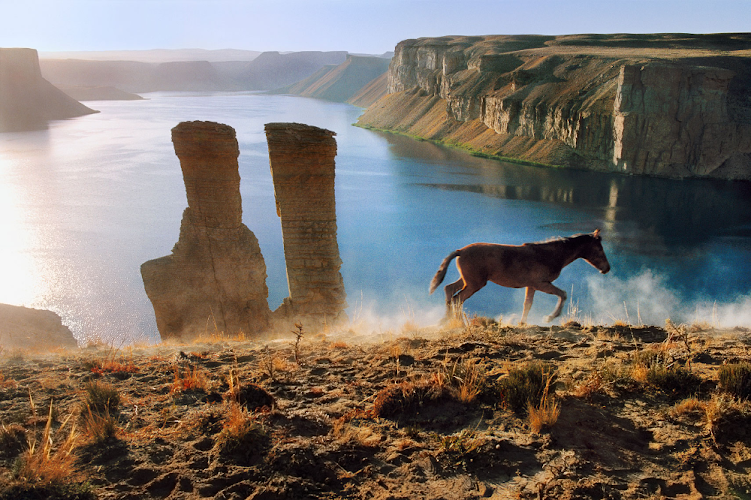
Afghanistan
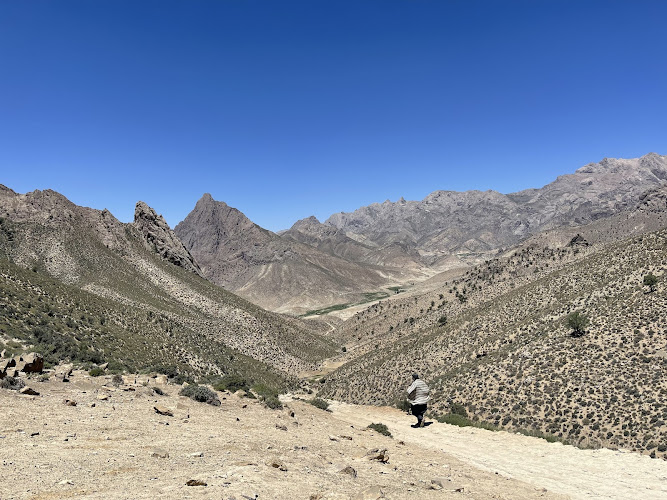
Gulistan
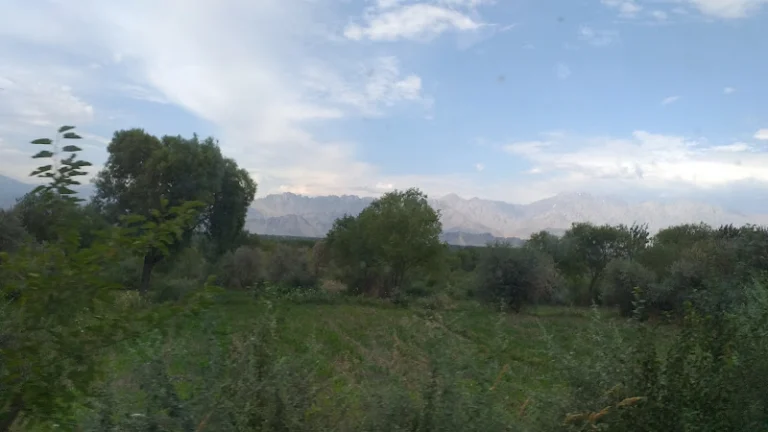
Chaharikar
Find Accommodations Nearby
Recommended Tours & Activities
Visitor Reviews
There are no reviews yet. Be the first one to write one.
Share Your Experience
Have you visited Anjoman Mountain Pass? Help other travelers by leaving a review.