
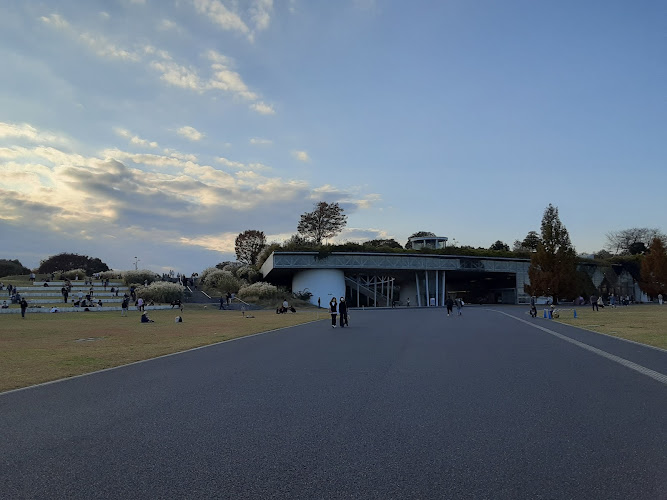
The Emperor Showa Memorial Museum
About The Emperor Showa Memorial Museum
Description
If you’re the kind of traveler who loves diving untangled into the real stories behind Japan’s modern history, let me tell you, The Emperor Showa Memorial Museum isn't your usual place with dusty artifacts and long-winded plaques that send you to sleep. No, this museum is somewhat of a hidden gem—fairly small, let’s be honest—but it packs a surprising amount of substance for anyone even mildly curious about the life and times of Emperor Showa (Hirohito).
Set just inside Showa Memorial Park in Tachikawa, the museum radiates a sort of quiet dignity. You aren’t greeted with grandeur or overwhelming crowds—more like the gentle hum of people genuinely invested in learning something. There’s a sense of real respect here, not just for Emperor Showa as a historical figure, but for all the seismic changes Japan went through during his reign. And it was a long one! He spanned both world wars, reconstruction, Tokyo’s booms, and lots more—honestly, it’s wild just how much happened during his era.
I remember wandering through on a rainy autumn afternoon—the kind where the park is wrapped in that damp, cozy silence—and the museum felt like a small island of calm reflection. The exhibits (more on those soon) are fascinating, and surprisingly open about both the good times and the darker chapters. It’s not sugarcoated history, you know? What you’ll find is authenticity, context, and a real window into Japan’s transformation through the lens of one of its longest-serving emperors. And it’s actually kind of rare to get this peek without all the usual crowds jostling at your elbows.
Key Features
- Personal Artifacts and Memorabilia: See Emperor Showa’s diaries, calligraphy, daily-use items—even his pipes! There’s an intimacy here you really don’t get at the imperial places downtown.
- Photographic Timelines: The story of Showa is told through candid photos, official events, and personal moments—good for both history buffs and casual browsers.
- Detailed Exhibit Panels: Information is written in accessible language, with English translations that are clear (I’ve seen worse, trust me!). There’s even some context for events, rather than just dates and names.
- Wheelchair Accessibility: Ramp access, wide corridors, accessible bathrooms, and easy parking—this is not an afterthought. If you’re traveling with a wheelchair or stroller, you’ll find it fuss-free.
- Quiet Spaces for Reflection: I loved the little rest areas tucked inside, away from the exhibits—perfect for jotting down thoughts or chatting about what you’ve seen.
- Good for Kids: I saw several families on my visit—some exhibits are interactive enough to catch the attention of younger kids, though it’s not a playground by any stretch. More like sparking those “But why?” questions.
- No On-site Restaurant: Be sure to fuel up beforehand, especially if kids are in tow. But restrooms were spotless, which I know matters a ton, especially on family outings.
Best Time to Visit
Here’s what they don’t put on tourist brochures—the best time to visit is actually on quieter weekdays, especially Tuesdays or Thursdays. Avoid national holidays if you can. The museum is busiest during school breaks and in the dead center of Japan’s cherry blossom season when Showa Memorial Park fills up with flower-watchers. If you want elbow room and space to ponder, shoot for late autumn or early winter. There’s something poetic about watching the leaves fall in the park then reflecting inside on Japan’s “changing seasons” throughout Showa’s reign. Plus, the crisp weather really wakes you up for a day of walking and thinking.
Pro tip: If you’re coming from central Tokyo, try to get here in the morning—beat the midday visitor trickle and you’ll have those quiet galleries almost to yourself. Oh, and if you happen to find yourself free on a drizzly day? The museum becomes this haven of quietness—nothing like rain on the roof to set the mood for contemplation.
How to Get There
So, you’re probably wondering about the trek to Tachikawa. Honestly, it’s more straightforward than it sounds. If you’re used to Tokyo’s rush-hour chaos, you’ll find this journey a bit of a relief. The main access point is from Tachikawa Station, which is a major rail hub served by the JR Chuo Line and several others. From the south exit, it’s about a 10 to 15 minute walk through Showa Memorial Park to the museum. Wear comfy shoes—the park itself is sprawling and genuinely beautiful, a destination in its own right. You could easily end up spending as much time outdoors as you do in the museum.
For folks with mobility challenges, the park’s entrances, paths and the museum itself are fully accessible. Wheelchair-friendly taxis are an option in Tachikawa, and parking is available near the park entrances if you’re driving. If you’re coming from Shinjuku, it’s maybe a 30 to 40-minute train ride. Not bad at all, especially when you consider the adventure of Tokyo’s metro map (which, I’ll admit, once left me standing blankly in the middle of Shinjuku Station for half an hour).
To be honest, the journey to the museum is part of why I recommend it—there’s nothing like stepping off the crowded trains into that sudden burst of green open parkland, leaving the noise of downtown Tokyo behind. And the walk through the park gives you time to decompress before diving into history’s heavier side.
Tips for Visiting
All right, here’s the sort of advice I wish more travel guides gave upfront—the thing nobody tells you until you’ve already gotten it wrong. First off, do a little homework on Emperor Showa if you aren’t familiar with his legacy. It’ll make what you see mean a lot more—the museum’s staff are lovely, but you’ll appreciate the context if you’ve read even a short Wikipedia summary in advance.
When you arrive, grab any pamphlets or English guides at the entrance. They sometimes have updated information about current exhibits or special talks. I’m a sucker for limited exhibitions—and honestly, sometimes a visiting collection can really make your visit jump from interesting to truly memorable.
The museum itself doesn’t have food options, and re-entry isn’t always guaranteed depending on the season, so plan ahead for snacks and water (especially with kids). You won't find vending machines around every corner like in Tokyo's busier sites either. Bathrooms are well-kept, which, as someone with a legendary talent for mis-timed bathroom breaks, I can truly appreciate.
Photography rules can change depending on exhibits—sometimes you can snap shots, sometimes you can’t. Just ask the staff at the front desk when in doubt. They’re super friendly and, from my experience, genuinely enthusiastic about sharing stories that go beyond the official text. They even kept a map handy for visitors who’d wandered off the main show route (yep, guilty as charged—and glad for the help!).
Allow at least 60–90 minutes inside, more if you’re a lover of small details. When you leave, take your time walking back through Showa Memorial Park—there’s always an art exhibit, a floral path, or a small playground cropping up that you didn’t notice on the way in. If you’re visiting with children, they’ll appreciate the park after being on best behavior inside the museum.
Finally: be gentle with yourself. This isn’t your average tourist stop, and some parts of Showa’s era are tough to think about. But that’s the point, isn’t it? To walk away with both a bigger heart and a sharper sense of Japan’s history. Anyway, here’s wishing you a thoughtful, inspiring visit. And hey, if you see a slightly lost traveler squinting at the exhibit signs—give ‘em a wave, it might just be me, back for another wander.
Key Features
- Key Features
- Best Time to Visit
- How to Get There
- Tips for Visiting
More Details
Updated June 6, 2025
Table of Contents
Description
If you’re the kind of traveler who loves diving untangled into the real stories behind Japan’s modern history, let me tell you, The Emperor Showa Memorial Museum isn’t your usual place with dusty artifacts and long-winded plaques that send you to sleep. No, this museum is somewhat of a hidden gem—fairly small, let’s be honest—but it packs a surprising amount of substance for anyone even mildly curious about the life and times of Emperor Showa (Hirohito).
Set just inside Showa Memorial Park in Tachikawa, the museum radiates a sort of quiet dignity. You aren’t greeted with grandeur or overwhelming crowds—more like the gentle hum of people genuinely invested in learning something. There’s a sense of real respect here, not just for Emperor Showa as a historical figure, but for all the seismic changes Japan went through during his reign. And it was a long one! He spanned both world wars, reconstruction, Tokyo’s booms, and lots more—honestly, it’s wild just how much happened during his era.
I remember wandering through on a rainy autumn afternoon—the kind where the park is wrapped in that damp, cozy silence—and the museum felt like a small island of calm reflection. The exhibits (more on those soon) are fascinating, and surprisingly open about both the good times and the darker chapters. It’s not sugarcoated history, you know? What you’ll find is authenticity, context, and a real window into Japan’s transformation through the lens of one of its longest-serving emperors. And it’s actually kind of rare to get this peek without all the usual crowds jostling at your elbows.
Key Features
- Personal Artifacts and Memorabilia: See Emperor Showa’s diaries, calligraphy, daily-use items—even his pipes! There’s an intimacy here you really don’t get at the imperial places downtown.
- Photographic Timelines: The story of Showa is told through candid photos, official events, and personal moments—good for both history buffs and casual browsers.
- Detailed Exhibit Panels: Information is written in accessible language, with English translations that are clear (I’ve seen worse, trust me!). There’s even some context for events, rather than just dates and names.
- Wheelchair Accessibility: Ramp access, wide corridors, accessible bathrooms, and easy parking—this is not an afterthought. If you’re traveling with a wheelchair or stroller, you’ll find it fuss-free.
- Quiet Spaces for Reflection: I loved the little rest areas tucked inside, away from the exhibits—perfect for jotting down thoughts or chatting about what you’ve seen.
- Good for Kids: I saw several families on my visit—some exhibits are interactive enough to catch the attention of younger kids, though it’s not a playground by any stretch. More like sparking those “But why?” questions.
- No On-site Restaurant: Be sure to fuel up beforehand, especially if kids are in tow. But restrooms were spotless, which I know matters a ton, especially on family outings.
Best Time to Visit
Here’s what they don’t put on tourist brochures—the best time to visit is actually on quieter weekdays, especially Tuesdays or Thursdays. Avoid national holidays if you can. The museum is busiest during school breaks and in the dead center of Japan’s cherry blossom season when Showa Memorial Park fills up with flower-watchers. If you want elbow room and space to ponder, shoot for late autumn or early winter. There’s something poetic about watching the leaves fall in the park then reflecting inside on Japan’s “changing seasons” throughout Showa’s reign. Plus, the crisp weather really wakes you up for a day of walking and thinking.
Pro tip: If you’re coming from central Tokyo, try to get here in the morning—beat the midday visitor trickle and you’ll have those quiet galleries almost to yourself. Oh, and if you happen to find yourself free on a drizzly day? The museum becomes this haven of quietness—nothing like rain on the roof to set the mood for contemplation.
How to Get There
So, you’re probably wondering about the trek to Tachikawa. Honestly, it’s more straightforward than it sounds. If you’re used to Tokyo’s rush-hour chaos, you’ll find this journey a bit of a relief. The main access point is from Tachikawa Station, which is a major rail hub served by the JR Chuo Line and several others. From the south exit, it’s about a 10 to 15 minute walk through Showa Memorial Park to the museum. Wear comfy shoes—the park itself is sprawling and genuinely beautiful, a destination in its own right. You could easily end up spending as much time outdoors as you do in the museum.
For folks with mobility challenges, the park’s entrances, paths and the museum itself are fully accessible. Wheelchair-friendly taxis are an option in Tachikawa, and parking is available near the park entrances if you’re driving. If you’re coming from Shinjuku, it’s maybe a 30 to 40-minute train ride. Not bad at all, especially when you consider the adventure of Tokyo’s metro map (which, I’ll admit, once left me standing blankly in the middle of Shinjuku Station for half an hour).
To be honest, the journey to the museum is part of why I recommend it—there’s nothing like stepping off the crowded trains into that sudden burst of green open parkland, leaving the noise of downtown Tokyo behind. And the walk through the park gives you time to decompress before diving into history’s heavier side.
Tips for Visiting
All right, here’s the sort of advice I wish more travel guides gave upfront—the thing nobody tells you until you’ve already gotten it wrong. First off, do a little homework on Emperor Showa if you aren’t familiar with his legacy. It’ll make what you see mean a lot more—the museum’s staff are lovely, but you’ll appreciate the context if you’ve read even a short Wikipedia summary in advance.
When you arrive, grab any pamphlets or English guides at the entrance. They sometimes have updated information about current exhibits or special talks. I’m a sucker for limited exhibitions—and honestly, sometimes a visiting collection can really make your visit jump from interesting to truly memorable.
The museum itself doesn’t have food options, and re-entry isn’t always guaranteed depending on the season, so plan ahead for snacks and water (especially with kids). You won’t find vending machines around every corner like in Tokyo’s busier sites either. Bathrooms are well-kept, which, as someone with a legendary talent for mis-timed bathroom breaks, I can truly appreciate.
Photography rules can change depending on exhibits—sometimes you can snap shots, sometimes you can’t. Just ask the staff at the front desk when in doubt. They’re super friendly and, from my experience, genuinely enthusiastic about sharing stories that go beyond the official text. They even kept a map handy for visitors who’d wandered off the main show route (yep, guilty as charged—and glad for the help!).
Allow at least 60–90 minutes inside, more if you’re a lover of small details. When you leave, take your time walking back through Showa Memorial Park—there’s always an art exhibit, a floral path, or a small playground cropping up that you didn’t notice on the way in. If you’re visiting with children, they’ll appreciate the park after being on best behavior inside the museum.
Finally: be gentle with yourself. This isn’t your average tourist stop, and some parts of Showa’s era are tough to think about. But that’s the point, isn’t it? To walk away with both a bigger heart and a sharper sense of Japan’s history. Anyway, here’s wishing you a thoughtful, inspiring visit. And hey, if you see a slightly lost traveler squinting at the exhibit signs—give ‘em a wave, it might just be me, back for another wander.
Key Highlights
- Key Features
- Best Time to Visit
- How to Get There
- Tips for Visiting
Location
Places to Stay Near The Emperor Showa Memorial Museum
Find and Book a Tour
Explore More Travel Guides
No reviews found! Be the first to review!
Traveler Reviews for The Emperor Showa Memorial Museum
There are no reviews yet. Be the first one to write one.
Have you visited The Emperor Showa Memorial Museum? Help other travelers by sharing your review.
You Might Also Like
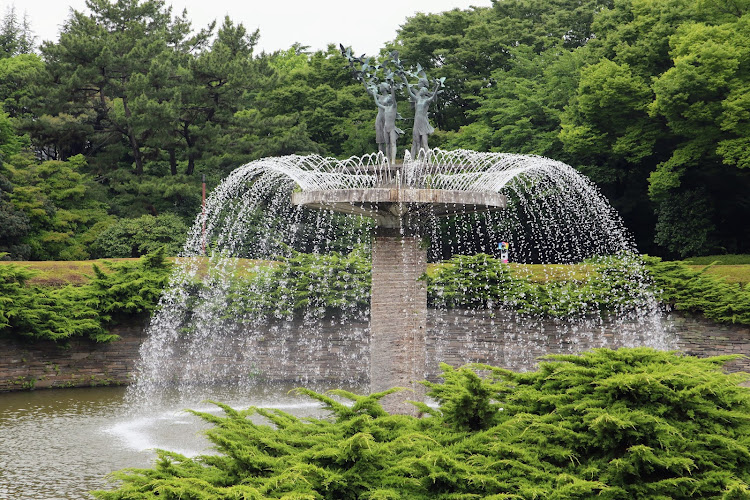
Showa Kinen Park Fountain
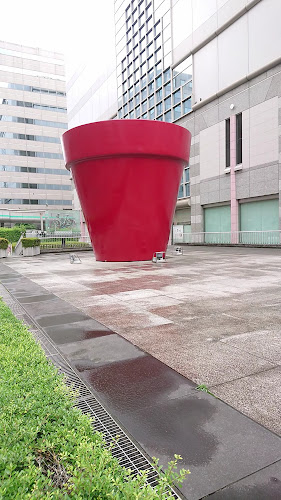
Faret Tachikawa
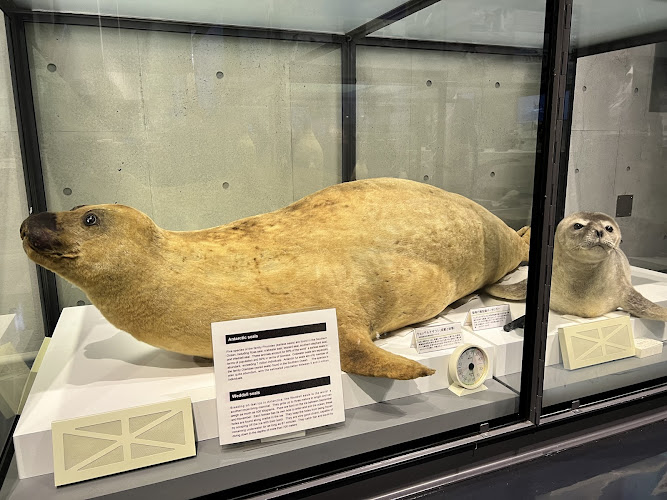
Polar Science Museum
Find Accommodations Nearby
Recommended Tours & Activities
Visitor Reviews
There are no reviews yet. Be the first one to write one.
Share Your Experience
Have you visited The Emperor Showa Memorial Museum? Help other travelers by leaving a review.