
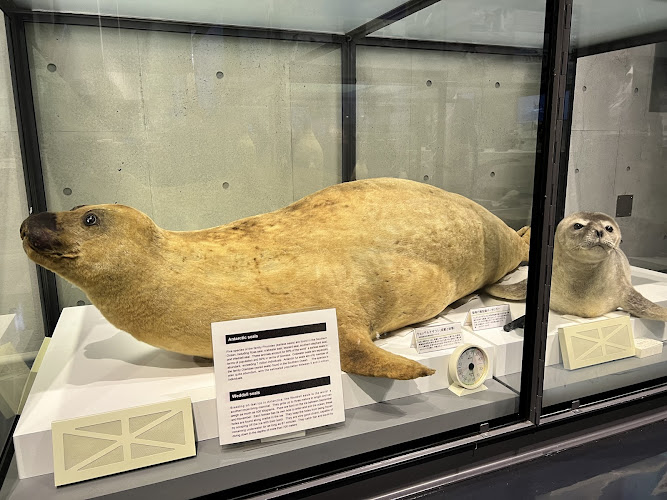
Polar Science Museum
About Polar Science Museum
Description
The Polar Science Museum is one of those places you're glad you didn’t overlook, which honestly, I almost did the first time I visited Tachikawa. At first glance, the industrial chic exterior might fool you into thinking there’s nothing extraordinary inside, but, oh, you’d be mistaken! Step through those automatic doors, and suddenly you’re face to face with a world that feels so remote and, frankly, colossal—the extremes of our planet laid out right in Tokyo.
What hits you first? For me, it was the dramatic lineup of taxidermied polar animals, like standing nose-to-snout with an actual polar bear (no exaggeration, it’s a little intimidating at first), plus meteorites that have literally crash-landed here from space. And if you’ve ever wondered what it took to get scientists across those icy wastelands, you’ll geek out over authentic expedition vehicles—bulky, battered, and somehow very cool. There’s a real sense of adventure, the sort of passion you find only in places run by people who love their subject.
The displays go way beyond simple show-and-tell. I have this vivid memory of listening to one of the staff explain, in earnest but easy-to-understand Japanese (with some English signage to help us non-fluent types), the brutal realities of polar exploration, from tools used to stay alive to the mad science behind studying meteorites. Ever tried to imagine the sound of the northern lights? Their immersive projection room does a solid job bringing that magic indoors. There’s no restaurant (bring a snack, trust me), but clean, easily-accessible restrooms and thoughtful touches for families, including hands-on exhibits for kids.
If you’re handicapped or simply prefer traveling with as few obstacles as possible, you’re in luck—every bit of this museum is wheelchair accessible, and the parking is the rare free kind. And while it isn’t flashy or massive like some other Tokyo attractions, the Polar Science Museum gives off this honest, slightly quirky educational vibe. Sure, not every single exhibit will blow your socks off, but most visitors leave feeling like they’ve genuinely learned something new, whether it’s about ancient meteorites or the humbling courage of polar explorers.
Key Features
- Real meteorites on display—touch something that fell to Earth from outer space!
- Life-sized taxidermy of polar creatures, including the always popular polar bear and penguin displays
- Authentic expedition vehicles and gear used by Japanese scientists in both the Arctic and Antarctic regions
- Interactive multimedia rooms showing the dance of the northern lights—a major hit with all ages
- Hands-on experiences for kids and those young at heart, such as trying on explorer clothing
- Expert staff on hand, passionate and ready to share the deeper stories behind each exhibit
- Wheelchair accessible everywhere, including restrooms and parking—something not every spot can boast
- Interesting insight into Japan’s strong legacy of polar research and exploration
- Convenient free parking and close proximity to Tachikawa’s other attractions
- No restaurant onsite, but plenty of thoughtful places to sit and take it all in
Best Time to Visit
Here’s the inside scoop—weekends get busy, especially during spring and fall school holidays. If crowds aren’t your thing, or you just prefer to have the northern lights show to yourself, I’d recommend a weekday afternoon. Mornings tend to bring school groups, which means lots of excited chatter—but sometimes, honestly, that’s when the guides go all out with extra demonstrations.
The museum itself is climate-controlled, so blazing Tokyo summers or chilly winters outside don’t really matter. On rainy days, it’s a fantastic escape (don’t forget your umbrella for the quick run from the parking lot). Late autumn can feel extra magical, something about learning about the poles as the world outside gets a little colder. Some folks plan their visit around special temporary exhibits—you can call ahead or check the local bulletin for those if you want a little extra adventure.
How to Get There
Tachikawa isn’t exactly the edge of the earth, but it can feel like it if you’re used to central Tokyo. Luckily, trains are your best friend. From central Tokyo, hop on the JR Chuo Line and get off at Tachikawa Station. From there, it’s about a 10-minute walk—pretty straightforward, and you’ll pass a load of decent coffee shops if you need a caffeine fix before your polar plunge.
If you’re driving, navigation apps know the museum well enough, and the free on-site parking is a rare treat in this part of Tokyo. Buses do run from Tachikawa Station, but honestly, if you can walk or drive, you’ll save time. Signage is in both Japanese and a fair bit of English, so navigating the last few blocks shouldn’t throw you for a loop.
Tips for Visiting
- Arrive early if you want some quiet time with the northern lights projection or to beat the rush of field trips.
- Bring snacks (outside food is okay in the lobby, but remember—there’s no café or restaurant on site).
- Photography is allowed almost everywhere, but check for signs before snapping photos in sensitive areas.
- If you’re really into the “how did they survive out there” side of things, budget extra time—some exhibits are surprisingly detailed.
- Parents: the kids section is hands-on, and the staff are used to curious little ones; just keep an eye on wandering hands near delicate displays.
- Try to catch a staff-led tour if you can—they’re not every hour, but they add real color with personal anecdotes from polar missions.
- Accessibility is a priority here, but if you’re coming with someone in a wheelchair, you may want to call in advance just for peace of mind.
- Check for seasonal or temporary exhibitions; sometimes the museum hosts special events or guest lectures (these are low-key gems).
- Last but not least—don't rush. There's a lot packed into what seems like a small space, and the details are where this place really shines.
In all, whether you’re a space buff, a science nerd, or just need a break from the hustle of Tokyo, the Polar Science Museum definitely stands out. Every visit I leave with some new random fact—usually something that feels worth sharing at dinner, if only to sound a bit smarter than I actually am. Take your time, chat with the staff, and try to soak in just how wild and pioneering polar science really is.
Key Features
- Real meteorites on display—touch something that fell to Earth from outer space!
- Life-sized taxidermy of polar creatures, including the always popular polar bear and penguin displays
- Authentic expedition vehicles and gear used by Japanese scientists in both the Arctic and Antarctic regions
- Interactive multimedia rooms showing the dance of the northern lights—a major hit with all ages
- Hands-on experiences for kids and those young at heart, such as trying on explorer clothing
- Expert staff on hand, passionate and ready to share the deeper stories behind each exhibit
- Wheelchair accessible everywhere, including restrooms and parking—something not every spot can boast
- Interesting insight into Japan’s strong legacy of polar research and exploration
More Details
Updated July 6, 2025
Table of Contents
Description
The Polar Science Museum is one of those places you’re glad you didn’t overlook, which honestly, I almost did the first time I visited Tachikawa. At first glance, the industrial chic exterior might fool you into thinking there’s nothing extraordinary inside, but, oh, you’d be mistaken! Step through those automatic doors, and suddenly you’re face to face with a world that feels so remote and, frankly, colossal—the extremes of our planet laid out right in Tokyo.
What hits you first? For me, it was the dramatic lineup of taxidermied polar animals, like standing nose-to-snout with an actual polar bear (no exaggeration, it’s a little intimidating at first), plus meteorites that have literally crash-landed here from space. And if you’ve ever wondered what it took to get scientists across those icy wastelands, you’ll geek out over authentic expedition vehicles—bulky, battered, and somehow very cool. There’s a real sense of adventure, the sort of passion you find only in places run by people who love their subject.
The displays go way beyond simple show-and-tell. I have this vivid memory of listening to one of the staff explain, in earnest but easy-to-understand Japanese (with some English signage to help us non-fluent types), the brutal realities of polar exploration, from tools used to stay alive to the mad science behind studying meteorites. Ever tried to imagine the sound of the northern lights? Their immersive projection room does a solid job bringing that magic indoors. There’s no restaurant (bring a snack, trust me), but clean, easily-accessible restrooms and thoughtful touches for families, including hands-on exhibits for kids.
If you’re handicapped or simply prefer traveling with as few obstacles as possible, you’re in luck—every bit of this museum is wheelchair accessible, and the parking is the rare free kind. And while it isn’t flashy or massive like some other Tokyo attractions, the Polar Science Museum gives off this honest, slightly quirky educational vibe. Sure, not every single exhibit will blow your socks off, but most visitors leave feeling like they’ve genuinely learned something new, whether it’s about ancient meteorites or the humbling courage of polar explorers.
Key Features
- Real meteorites on display—touch something that fell to Earth from outer space!
- Life-sized taxidermy of polar creatures, including the always popular polar bear and penguin displays
- Authentic expedition vehicles and gear used by Japanese scientists in both the Arctic and Antarctic regions
- Interactive multimedia rooms showing the dance of the northern lights—a major hit with all ages
- Hands-on experiences for kids and those young at heart, such as trying on explorer clothing
- Expert staff on hand, passionate and ready to share the deeper stories behind each exhibit
- Wheelchair accessible everywhere, including restrooms and parking—something not every spot can boast
- Interesting insight into Japan’s strong legacy of polar research and exploration
- Convenient free parking and close proximity to Tachikawa’s other attractions
- No restaurant onsite, but plenty of thoughtful places to sit and take it all in
Best Time to Visit
Here’s the inside scoop—weekends get busy, especially during spring and fall school holidays. If crowds aren’t your thing, or you just prefer to have the northern lights show to yourself, I’d recommend a weekday afternoon. Mornings tend to bring school groups, which means lots of excited chatter—but sometimes, honestly, that’s when the guides go all out with extra demonstrations.
The museum itself is climate-controlled, so blazing Tokyo summers or chilly winters outside don’t really matter. On rainy days, it’s a fantastic escape (don’t forget your umbrella for the quick run from the parking lot). Late autumn can feel extra magical, something about learning about the poles as the world outside gets a little colder. Some folks plan their visit around special temporary exhibits—you can call ahead or check the local bulletin for those if you want a little extra adventure.
How to Get There
Tachikawa isn’t exactly the edge of the earth, but it can feel like it if you’re used to central Tokyo. Luckily, trains are your best friend. From central Tokyo, hop on the JR Chuo Line and get off at Tachikawa Station. From there, it’s about a 10-minute walk—pretty straightforward, and you’ll pass a load of decent coffee shops if you need a caffeine fix before your polar plunge.
If you’re driving, navigation apps know the museum well enough, and the free on-site parking is a rare treat in this part of Tokyo. Buses do run from Tachikawa Station, but honestly, if you can walk or drive, you’ll save time. Signage is in both Japanese and a fair bit of English, so navigating the last few blocks shouldn’t throw you for a loop.
Tips for Visiting
- Arrive early if you want some quiet time with the northern lights projection or to beat the rush of field trips.
- Bring snacks (outside food is okay in the lobby, but remember—there’s no café or restaurant on site).
- Photography is allowed almost everywhere, but check for signs before snapping photos in sensitive areas.
- If you’re really into the “how did they survive out there” side of things, budget extra time—some exhibits are surprisingly detailed.
- Parents: the kids section is hands-on, and the staff are used to curious little ones; just keep an eye on wandering hands near delicate displays.
- Try to catch a staff-led tour if you can—they’re not every hour, but they add real color with personal anecdotes from polar missions.
- Accessibility is a priority here, but if you’re coming with someone in a wheelchair, you may want to call in advance just for peace of mind.
- Check for seasonal or temporary exhibitions; sometimes the museum hosts special events or guest lectures (these are low-key gems).
- Last but not least—don’t rush. There’s a lot packed into what seems like a small space, and the details are where this place really shines.
In all, whether you’re a space buff, a science nerd, or just need a break from the hustle of Tokyo, the Polar Science Museum definitely stands out. Every visit I leave with some new random fact—usually something that feels worth sharing at dinner, if only to sound a bit smarter than I actually am. Take your time, chat with the staff, and try to soak in just how wild and pioneering polar science really is.
Key Highlights
- Real meteorites on display—touch something that fell to Earth from outer space!
- Life-sized taxidermy of polar creatures, including the always popular polar bear and penguin displays
- Authentic expedition vehicles and gear used by Japanese scientists in both the Arctic and Antarctic regions
- Interactive multimedia rooms showing the dance of the northern lights—a major hit with all ages
- Hands-on experiences for kids and those young at heart, such as trying on explorer clothing
- Expert staff on hand, passionate and ready to share the deeper stories behind each exhibit
- Wheelchair accessible everywhere, including restrooms and parking—something not every spot can boast
- Interesting insight into Japan’s strong legacy of polar research and exploration
Location
Places to Stay Near Polar Science Museum
Find and Book a Tour
Explore More Travel Guides
No reviews found! Be the first to review!
Traveler Reviews for Polar Science Museum
There are no reviews yet. Be the first one to write one.
Have you visited Polar Science Museum? Help other travelers by sharing your review.
You Might Also Like

Showa Kinen Park
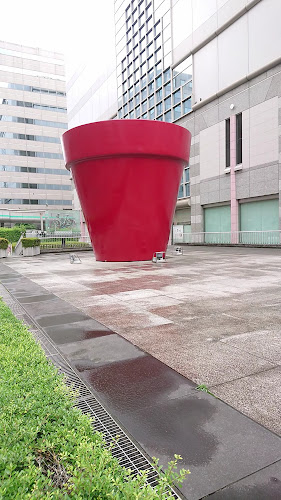
Faret Tachikawa
Imakuma Shrine
Find Accommodations Nearby
Recommended Tours & Activities
Visitor Reviews
There are no reviews yet. Be the first one to write one.
Share Your Experience
Have you visited Polar Science Museum? Help other travelers by leaving a review.