
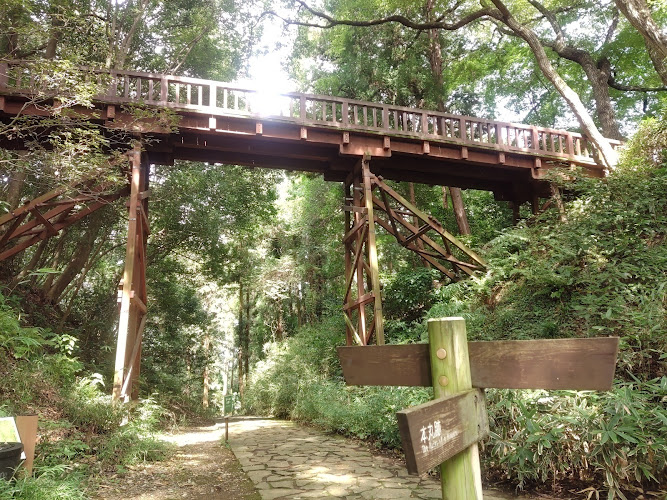
Takiyama Castle Ruins
About Takiyama Castle Ruins
Description
Takiyama Castle Ruins – okay, so first things first: this place isn’t your typical picture-perfect Japanese castle with towering white walls and a glossy, reconstructed keep. Nope. The magic here is a little more subtle, a lot more rugged, and honestly, that’s what makes it so captivating. Perched up in the gently rolling hills of Takiyama Park, the ruins are like a secret garden for history buffs and hikers alike, just begging you to lace up your sneakers and explore the remains of a long-gone era.
Built way back in the 1500s (yes, the actual Sengoku period), Takiyama Castle once guarded strategic routes toward the Kanto region. All these centuries later, the castle itself is mostly earthworks and mossy stone here and there, but if you breathe in and listen, you kind of feel the stories swirling around. I’ll put it this way: if you’re expecting flashy drama, might want to look elsewhere. But if you love that goosebump feeling when you walk real, ancient ground, you’ll find this spot seriously special.
I’ve personally ambled through here with friends (and even a slightly grumpy 8-year-old cousin who ended up obsessed with the wild mushrooms and acorns we found instead of complaining the whole hike). It’s great for families. There's a peacefulness in the shaded woods and—hot tip—the view from the upper parts on a clear day is another level! Tokyo sprawls out below you, but up here, you feel miles away from the crowds. There’s no commercial circus: just birdsong, breeze, and the crunch of leaves underfoot.
And don’t get me started on spring. While it’s not a big name on the cherry blossom circuit, you’ll catch some truly lovely sakura if you hit it at the right moment. In autumn? Those fiery leaves almost outshine the castle history. I think what struck me most is how easy it is to wander around—each path a quiet invitation to imagine samurai patrols and feudal intrigue. If you crave hidden gems that reward curious explorers, Takiyama Castle Ruins may well be your castle in the clouds—even if the walls are gone.
Key Features
- National Historic Site: The ruins are officially recognized by the Japanese government, so you’re not just visiting any old pile of rocks. There’s real legacy here.
- Honmaru (Main Bailey): This is the heart of the old stronghold—earthworks, steep embankments, and an atmosphere thick with history.
- Hiking Trails: A network of mostly gentle, forested trails suitable for beginners and families, with some steeper bits if you’re up for a challenge.
- Spectacular Panoramic Views: When the weather’s right, expect wide-open vistas of the Tama River, Tokyo cityscape, and—on magical days—even Fuji-san peeking in the distance.
- Quiet, Local Vibe: This isn’t a bustling tourist attraction; you’re more likely to see local kids, birdwatchers, and fellow walkers than big crowds.
- Seasonal Beauty: Sakura in spring, vivid foliage in fall, refreshing greenery in summer—maybe unpopular opinion, but rainy season here has its own mysterious charm, too.
- Historical Signage (in Japanese): Plenty of signs lay out the story behind the site, though bring your translation app if you’re not fluent.
- Great for Kids: Open spaces to scramble, pick up pinecones, and even pretend you’re a tiny ninja on patrol (or maybe that’s just me...)
- Wildlife Spotting: Nature nerds, rejoice: from songbirds to surprising mushrooms, there’s more to see than just the ruins.
Best Time to Visit
Honestly, Takiyama Castle Ruins has something to offer every season, but let’s break it down for maximum wow factor:
- Spring (late March–early April): Cherry blossoms and fresh green explosions. If you’re into hanami but hate shoulder-to-shoulder crowds, this is your secret spot. The trails come alive with flowers and families with picnic baskets.
- Autumn (late October–mid November): My personal favorite. Cool, crisp air, the trails are a riot of orange, red, and gold, and the view of distant mountains looks almost too pretty to be real. Photographers—get here by early morning for that golden-hour drama.
- Summer: Lush woods give plenty of shade, so even hot days feel bearable. You might spot local kids hunting bugs or groups practicing yoga in quieter corners. Keep hydrated though—it can get humid.
- Winter: Quieter than ever. The trees are bare, but that means views open up. And there’s something striking about the starkness of the ruins under a low winter sun.
Try to avoid weekends and public holidays if you want some solo reflection time. I made the mistake of visiting during Golden Week—let’s just say it wasn’t as peaceful as I’d hoped. But on an ordinary weekday, you might have entire stretches of trail to yourself.
How to Get There
Ah, the good old transport puzzle! But don’t worry, it’s pretty straightforward (by Tokyo standards, anyway). You’ll want to head to the Hachioji area, which is around an hour from central Tokyo by train. The fun begins once you’ve escaped the urban sprawl.
Take the JR Chuo Line to Hachioji Station, then transfer to the JR Hachiko Line and hop off at Takiyama Station. From there, it’s about a 30-minute gentle walk—part suburban, part wooded path—to the park entrance. Or, if you’re keen to save energy (or traveling with little legs in tow), there are buses running from Hachioji or Keio Hachioji Station toward the park. Just check schedules ahead; not all buses run frequently.
If you’re driving, parking is available but gets filled up fast during the busy seasons, like cherry blossom time or fall foliage. Also, just so you’re aware—neither the entrance nor the parking is especially wheelchair friendly. If accessibility is a factor, it’s best to plan accordingly.
I once made the mistake of thinking, oh, this’ll be a quick walk from the station. Ended up rewarding myself with an extra onigiri at the summit (not a bad solution). Moral of the story: pack snacks, and don’t underestimate the hills.
Tips for Visiting
- Wear comfortable shoes. The trails are mostly dirt and gravel, with a few spots that get muddy after rain. Sneakers or lightweight hikers are perfect—I’ve seen people in flip-flops, and you can guess how that went.
- Bring water and snacks. There are no vending machines up on the actual trails. Grab your drink from a convenience store near Hachioji Station, maybe a rice ball or two for a trailside snack. There are a couple of benches and wide spaces great for a picnic.
- Treat it like a hike, not a castle museum. There aren’t any reconstructed buildings, paid guides, or ornate gates like some castles. The charm is in the wild atmosphere and barebones history—a real sense of discovery.
- Read up before you go. Unless you read Japanese well, bringing some background info helps. The on-site signs are informative, but not always accessible for English-speakers. A printed guide or favorite history app will make your visit richer.
- Family friendly, but take care. Good for kids, yes—big open spaces, cool nature, and even places to clamber. But there are steep drops and uneven paths, so watch the smaller kiddos.
- Mind the weather. The castle sits up high and is mostly exposed—bring a hat in summer, and layer up in winter. Trails can be slippery on rainy days, but honestly, the misty atmosphere can be pretty magical.
- Photography is a must. Even if ruins don’t sound photogenic, just wait for the panoramic views. Seriously, bring your camera, charge your phone, and leave room on your memory card.
- Leave no trace. It’s a national historic site and cherished by locals. Pack out everything you bring in; there aren’t many bins around, and you want to keep the earthworks undisturbed for future explorers.
- Arrive early for the best spot. Mornings are quietest and brightest. Plus, nothing quite beats eating your packed breakfast on a ruined rampart, looking out over the sleeping city below. Well, maybe except eating two breakfasts.
And a tiny final note: Don’t be surprised if
Key Features
- Key Features
- Best Time to Visit
- How to Get There
- Tips for Visiting
More Details
Updated June 6, 2025
Table of Contents
Description
Takiyama Castle Ruins – okay, so first things first: this place isn’t your typical picture-perfect Japanese castle with towering white walls and a glossy, reconstructed keep. Nope. The magic here is a little more subtle, a lot more rugged, and honestly, that’s what makes it so captivating. Perched up in the gently rolling hills of Takiyama Park, the ruins are like a secret garden for history buffs and hikers alike, just begging you to lace up your sneakers and explore the remains of a long-gone era.
Built way back in the 1500s (yes, the actual Sengoku period), Takiyama Castle once guarded strategic routes toward the Kanto region. All these centuries later, the castle itself is mostly earthworks and mossy stone here and there, but if you breathe in and listen, you kind of feel the stories swirling around. I’ll put it this way: if you’re expecting flashy drama, might want to look elsewhere. But if you love that goosebump feeling when you walk real, ancient ground, you’ll find this spot seriously special.
I’ve personally ambled through here with friends (and even a slightly grumpy 8-year-old cousin who ended up obsessed with the wild mushrooms and acorns we found instead of complaining the whole hike). It’s great for families. There’s a peacefulness in the shaded woods and—hot tip—the view from the upper parts on a clear day is another level! Tokyo sprawls out below you, but up here, you feel miles away from the crowds. There’s no commercial circus: just birdsong, breeze, and the crunch of leaves underfoot.
And don’t get me started on spring. While it’s not a big name on the cherry blossom circuit, you’ll catch some truly lovely sakura if you hit it at the right moment. In autumn? Those fiery leaves almost outshine the castle history. I think what struck me most is how easy it is to wander around—each path a quiet invitation to imagine samurai patrols and feudal intrigue. If you crave hidden gems that reward curious explorers, Takiyama Castle Ruins may well be your castle in the clouds—even if the walls are gone.
Key Features
- National Historic Site: The ruins are officially recognized by the Japanese government, so you’re not just visiting any old pile of rocks. There’s real legacy here.
- Honmaru (Main Bailey): This is the heart of the old stronghold—earthworks, steep embankments, and an atmosphere thick with history.
- Hiking Trails: A network of mostly gentle, forested trails suitable for beginners and families, with some steeper bits if you’re up for a challenge.
- Spectacular Panoramic Views: When the weather’s right, expect wide-open vistas of the Tama River, Tokyo cityscape, and—on magical days—even Fuji-san peeking in the distance.
- Quiet, Local Vibe: This isn’t a bustling tourist attraction; you’re more likely to see local kids, birdwatchers, and fellow walkers than big crowds.
- Seasonal Beauty: Sakura in spring, vivid foliage in fall, refreshing greenery in summer—maybe unpopular opinion, but rainy season here has its own mysterious charm, too.
- Historical Signage (in Japanese): Plenty of signs lay out the story behind the site, though bring your translation app if you’re not fluent.
- Great for Kids: Open spaces to scramble, pick up pinecones, and even pretend you’re a tiny ninja on patrol (or maybe that’s just me…)
- Wildlife Spotting: Nature nerds, rejoice: from songbirds to surprising mushrooms, there’s more to see than just the ruins.
Best Time to Visit
Honestly, Takiyama Castle Ruins has something to offer every season, but let’s break it down for maximum wow factor:
- Spring (late March–early April): Cherry blossoms and fresh green explosions. If you’re into hanami but hate shoulder-to-shoulder crowds, this is your secret spot. The trails come alive with flowers and families with picnic baskets.
- Autumn (late October–mid November): My personal favorite. Cool, crisp air, the trails are a riot of orange, red, and gold, and the view of distant mountains looks almost too pretty to be real. Photographers—get here by early morning for that golden-hour drama.
- Summer: Lush woods give plenty of shade, so even hot days feel bearable. You might spot local kids hunting bugs or groups practicing yoga in quieter corners. Keep hydrated though—it can get humid.
- Winter: Quieter than ever. The trees are bare, but that means views open up. And there’s something striking about the starkness of the ruins under a low winter sun.
Try to avoid weekends and public holidays if you want some solo reflection time. I made the mistake of visiting during Golden Week—let’s just say it wasn’t as peaceful as I’d hoped. But on an ordinary weekday, you might have entire stretches of trail to yourself.
How to Get There
Ah, the good old transport puzzle! But don’t worry, it’s pretty straightforward (by Tokyo standards, anyway). You’ll want to head to the Hachioji area, which is around an hour from central Tokyo by train. The fun begins once you’ve escaped the urban sprawl.
Take the JR Chuo Line to Hachioji Station, then transfer to the JR Hachiko Line and hop off at Takiyama Station. From there, it’s about a 30-minute gentle walk—part suburban, part wooded path—to the park entrance. Or, if you’re keen to save energy (or traveling with little legs in tow), there are buses running from Hachioji or Keio Hachioji Station toward the park. Just check schedules ahead; not all buses run frequently.
If you’re driving, parking is available but gets filled up fast during the busy seasons, like cherry blossom time or fall foliage. Also, just so you’re aware—neither the entrance nor the parking is especially wheelchair friendly. If accessibility is a factor, it’s best to plan accordingly.
I once made the mistake of thinking, oh, this’ll be a quick walk from the station. Ended up rewarding myself with an extra onigiri at the summit (not a bad solution). Moral of the story: pack snacks, and don’t underestimate the hills.
Tips for Visiting
- Wear comfortable shoes. The trails are mostly dirt and gravel, with a few spots that get muddy after rain. Sneakers or lightweight hikers are perfect—I’ve seen people in flip-flops, and you can guess how that went.
- Bring water and snacks. There are no vending machines up on the actual trails. Grab your drink from a convenience store near Hachioji Station, maybe a rice ball or two for a trailside snack. There are a couple of benches and wide spaces great for a picnic.
- Treat it like a hike, not a castle museum. There aren’t any reconstructed buildings, paid guides, or ornate gates like some castles. The charm is in the wild atmosphere and barebones history—a real sense of discovery.
- Read up before you go. Unless you read Japanese well, bringing some background info helps. The on-site signs are informative, but not always accessible for English-speakers. A printed guide or favorite history app will make your visit richer.
- Family friendly, but take care. Good for kids, yes—big open spaces, cool nature, and even places to clamber. But there are steep drops and uneven paths, so watch the smaller kiddos.
- Mind the weather. The castle sits up high and is mostly exposed—bring a hat in summer, and layer up in winter. Trails can be slippery on rainy days, but honestly, the misty atmosphere can be pretty magical.
- Photography is a must. Even if ruins don’t sound photogenic, just wait for the panoramic views. Seriously, bring your camera, charge your phone, and leave room on your memory card.
- Leave no trace. It’s a national historic site and cherished by locals. Pack out everything you bring in; there aren’t many bins around, and you want to keep the earthworks undisturbed for future explorers.
- Arrive early for the best spot. Mornings are quietest and brightest. Plus, nothing quite beats eating your packed breakfast on a ruined rampart, looking out over the sleeping city below. Well, maybe except eating two breakfasts.
And a tiny final note: Don’t be surprised if
Key Highlights
- Key Features
- Best Time to Visit
- How to Get There
- Tips for Visiting
Location
Places to Stay Near Takiyama Castle Ruins
Find and Book a Tour
Explore More Travel Guides
No reviews found! Be the first to review!
Traveler Reviews for Takiyama Castle Ruins
There are no reviews yet. Be the first one to write one.
Have you visited Takiyama Castle Ruins? Help other travelers by sharing your review.
You Might Also Like
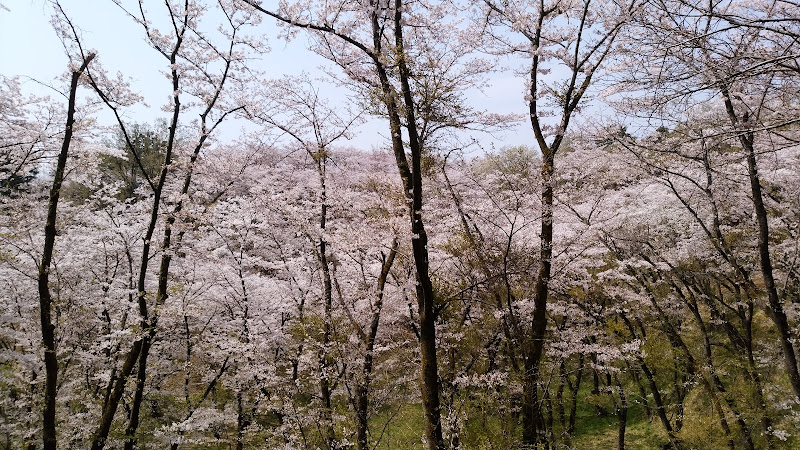
Metropolitan Takiyama Nature Park

TAKAO 599 MUSEUM
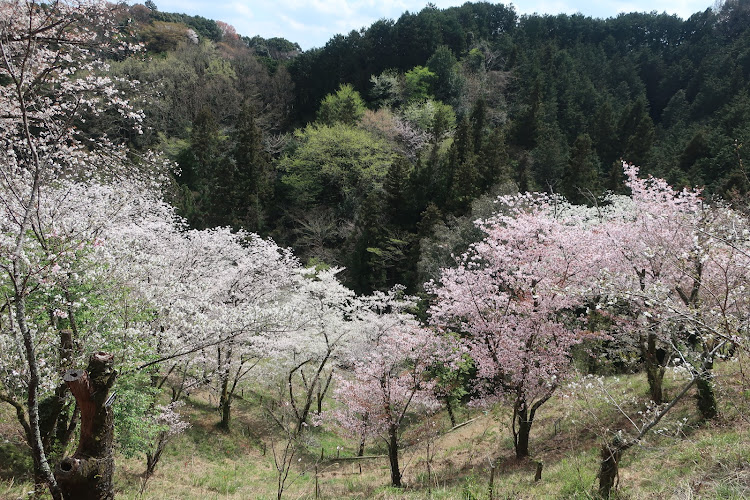
Forestry Research Institute Tama Forest Science Park
Find Accommodations Nearby
Recommended Tours & Activities
Visitor Reviews
There are no reviews yet. Be the first one to write one.
Share Your Experience
Have you visited Takiyama Castle Ruins? Help other travelers by leaving a review.