
Faret Tachikawa
About Faret Tachikawa
Description
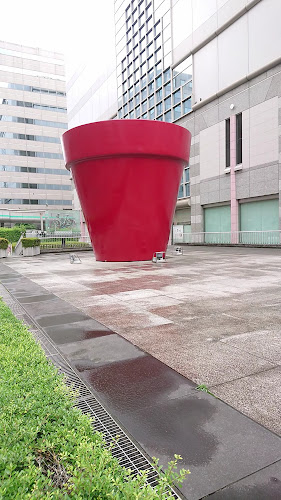
You ever find yourself craving a place that juggles art, urban life, and a sprinkle of “wait, is that a sculpture of…what even is that?” Welcome to Faret Tachikawa, one of Tokyo’s more offbeat gems where creativity isn’t just hung on walls, it spills across streets, buildings, even lamp posts. People might expect it to be all stiff galleries, but honestly, it’s way more approachable than that. It’s lively, a bit quirky, and frankly, sometimes it will make you laugh or scratch your head (in a good way).
Now, I’ve traipsed through busy neighborhoods in Tokyo that promised “culture,” but very few have blended public art smack-dab in your path with the regular rhythms of life. Faret Tachikawa? It’s a living collection. Department stores hum with shoppers just a few steps from avant-garde installations. Random side note: when I brought my nephew—he’s nine—he was more fascinated by the giant abstract bear than he was by any toy store. You can’t make this up!
The district’s design encourages wandering. Art tour maps lead you around 100 outdoor artworks; some are playful, others, well, let’s say “thought-provoking.” You won’t just see paintings or statues—you’ll experience art as part of the city. And hey, if you need a break, there’s a cinema, multiple hotels for a proper crash, spacious department stores for sneaky shopping, and cute cafes tucked between installations. Not many places in Tokyo dish up this combo so seamlessly.
And yes, Faret Tachikawa is kid-friendly, which is a relief for parents who want to spark imagination without boring the tots. If there’s a downside, I’ll admit—parking isn’t the easiest, especially for wheelchairs. It’s a mixed bag, like any place: most folks come away grinning, though there are a handful who expected flashier facilities. Still, regulars (and I count myself among them) return for the art walks, special seasonal events, or just to snap a few oddball photos for their socials.
If you’ve ever daydreamed about a chill Tokyo day fueled by curiosity, community events, creative vibes, and more public art than you can count—Faret Tachikawa’s worth penciling in. Just wear comfy shoes; your feet and soul will thank you.
Key Features
- Massive Outdoor Art Collection: Over 100 pieces of art—sculptures, murals, and some you won’t believe until you see—dotted around the district. Great way to stumble on the unexpected while just taking a stroll.
- Dynamic Cityscape: Modern buildings, multistory department stores, and hotels built to impress. Feels fresh, urban, but not overwhelming. There’s a calming sense of order.
- Art Tour & Special Events: Regular guided tours and seasonal happenings (think: night safaris with light installations, interactive workshops) that keep things lively and give new angles on repeat visits.
- Entertainment Galore: Fancy catching a movie? There’s a cinema on site. Bonus: plenty of Japanese films and Hollywood blockbusters.
- Kid-Friendly Spaces: Wide walkways, whimsical art, and public squares keep little ones engaged. Didn’t catch a single “I’m bored” when I went with the family. Big win!
- Shopping & Dining: Two massive department stores and a whole medley of cafés, restaurants, and quick bites. I once had the flakiest pastry at a tiny hidden bakery behind a giant bronze fish. Surprises everywhere.
- Accessible, Kind Of: Smooth for strollers and kids. Note: while there’s thought for accessibility, parking for wheelchair users is a bit lacking. Some paths can feel tight at foot traffic peaks.
- Photo Opportunities: Every turn invites snapping. Urban backdrops, artsy angles, family shots—with or without giant whimsical bears.
- Safe & Clean: It’s Tokyo. Neat sidewalks, low-key but ever-present security, and spotless public spaces give peace of mind.
- Frequent Public Events: You could stumble upon a pop-up concert, art workshop, or kids’ sculpture hunt any weekend. Always check the schedule—it shifts, often with very local flavors.
Best Time to Visit
If I had to shout from the rooftop when to wander these art-dotted streets, I’d whisper—spring or autumn, hands down. You’ll dodge both the summer sizzle and winter chills. (And trust me, Tokyo’s heat is no joke.) From late March through May, cherry blossoms sneak their pastels in between art pieces, and the air buzzes with energy but not school-trip chaos.
Autumn (think late October to November) gets this golden glow, with leaves swirling through open plazas and corridors between the sculptures—prime for “accidental” Instagram shots. Plus, you’ll likely run into art or food fairs around these times. If you’re there during school holidays or film premieres, brace yourself—crowds pick up, but that means spontaneous performances or festival food can pop up, so honestly, it’s not all bad.
Personally, I skip midsummer, unless you’re blessed with heat-proof skin. Rainy days have their own charm, though—the art gleams in the drizzle, and the cafes get all cozy, perfect for ducking in with a book or sketchpad.
How to Get There
Here’s the deal: Faret Tachikawa is surprisingly accessible (well, by Tokyo standards, which basically means you’re never too far from a train). The smartest move is to lock in a ticket to Tachikawa Station—a major JR hub—served by the Chuo Line, Ome Line, and Nambu Line. Step out the north exit, and boom, you’re basically there; art installations start creeping up as you enter the district.
Coming from central Tokyo? Hop a rapid train from Shinjuku and you’ll zip to Tachikawa in about 25-30 minutes. No need for a car unless you’re lugging luggage or have mobility needs—public transit is miles ahead in convenience. Cabs are easy to flag nearby, but honest opinion: you’ll miss the joy of wandering in on foot.
For cyclists, there’s bike parking, though spaces fill up pretty quick on weekends. If your adventure involves little ones in tow, strollers work fine, just expect a few crowds around department store entrances.
Tips for Visiting
Let’s get practical. Number one: wear comfortable shoes. Even art lovers need good arch support after a couple hours here. The installations sprawl over a solid chunk of city blocks—think scavenger hunt meets urban walk.
Planning a family visit? Start early to dodge peak crowds and give younger kids a shot at the less-trafficked play sculptures. Don’t rush—the joy here is in lingering, chatting about “what do you think that is?” (Half my fun was guessing the meaning behind every oddball piece with my niece.) And bring snacks, though the food options are plentiful, queues on weekends can stretch during lunch.
For the full experience, check if there’s a guided art walk or weekend event happening. Sometimes local artists run pop-in workshops—last time, I ended up learning a bit of calligraphy from a friendly local. No, my brushwork did not make the museum cut, but hey, the memory stuck.
If accessibility is essential, prep ahead. While strollers roll fine, wheelchairs hit some snags in crowded areas and with parking. Handy tip: midweek mornings are quieter, making navigation smoother all round.
Got a photographer’s eye? Aim for late afternoon light; shadows turn sculptures into real-life manga panels (no filter needed). Keep a power bank handy, because you’ll drain your battery faster than you think. And, don’t forget to look up—some of the best features are perched above street-level.
Last nugget of wisdom: allow yourself to wander. Skip the urge to stick to a plan and see where your feet (and curiosity) take you. Faret Tachikawa rewards the spontaneous, the slightly lost, and those who see art in the everyday.
Key Features
- Key Features
- Best Time to Visit
- How to Get There
- Tips for Visiting
More Details
Updated June 6, 2025
Table of Contents
Description
You ever find yourself craving a place that juggles art, urban life, and a sprinkle of “wait, is that a sculpture of…what even is that?” Welcome to Faret Tachikawa, one of Tokyo’s more offbeat gems where creativity isn’t just hung on walls, it spills across streets, buildings, even lamp posts. People might expect it to be all stiff galleries, but honestly, it’s way more approachable than that. It’s lively, a bit quirky, and frankly, sometimes it will make you laugh or scratch your head (in a good way).
Now, I’ve traipsed through busy neighborhoods in Tokyo that promised “culture,” but very few have blended public art smack-dab in your path with the regular rhythms of life. Faret Tachikawa? It’s a living collection. Department stores hum with shoppers just a few steps from avant-garde installations. Random side note: when I brought my nephew—he’s nine—he was more fascinated by the giant abstract bear than he was by any toy store. You can’t make this up!
The district’s design encourages wandering. Art tour maps lead you around 100 outdoor artworks; some are playful, others, well, let’s say “thought-provoking.” You won’t just see paintings or statues—you’ll experience art as part of the city. And hey, if you need a break, there’s a cinema, multiple hotels for a proper crash, spacious department stores for sneaky shopping, and cute cafes tucked between installations. Not many places in Tokyo dish up this combo so seamlessly.
And yes, Faret Tachikawa is kid-friendly, which is a relief for parents who want to spark imagination without boring the tots. If there’s a downside, I’ll admit—parking isn’t the easiest, especially for wheelchairs. It’s a mixed bag, like any place: most folks come away grinning, though there are a handful who expected flashier facilities. Still, regulars (and I count myself among them) return for the art walks, special seasonal events, or just to snap a few oddball photos for their socials.
If you’ve ever daydreamed about a chill Tokyo day fueled by curiosity, community events, creative vibes, and more public art than you can count—Faret Tachikawa’s worth penciling in. Just wear comfy shoes; your feet and soul will thank you.
Key Features
- Massive Outdoor Art Collection: Over 100 pieces of art—sculptures, murals, and some you won’t believe until you see—dotted around the district. Great way to stumble on the unexpected while just taking a stroll.
- Dynamic Cityscape: Modern buildings, multistory department stores, and hotels built to impress. Feels fresh, urban, but not overwhelming. There’s a calming sense of order.
- Art Tour & Special Events: Regular guided tours and seasonal happenings (think: night safaris with light installations, interactive workshops) that keep things lively and give new angles on repeat visits.
- Entertainment Galore: Fancy catching a movie? There’s a cinema on site. Bonus: plenty of Japanese films and Hollywood blockbusters.
- Kid-Friendly Spaces: Wide walkways, whimsical art, and public squares keep little ones engaged. Didn’t catch a single “I’m bored” when I went with the family. Big win!
- Shopping & Dining: Two massive department stores and a whole medley of cafés, restaurants, and quick bites. I once had the flakiest pastry at a tiny hidden bakery behind a giant bronze fish. Surprises everywhere.
- Accessible, Kind Of: Smooth for strollers and kids. Note: while there’s thought for accessibility, parking for wheelchair users is a bit lacking. Some paths can feel tight at foot traffic peaks.
- Photo Opportunities: Every turn invites snapping. Urban backdrops, artsy angles, family shots—with or without giant whimsical bears.
- Safe & Clean: It’s Tokyo. Neat sidewalks, low-key but ever-present security, and spotless public spaces give peace of mind.
- Frequent Public Events: You could stumble upon a pop-up concert, art workshop, or kids’ sculpture hunt any weekend. Always check the schedule—it shifts, often with very local flavors.
Best Time to Visit
If I had to shout from the rooftop when to wander these art-dotted streets, I’d whisper—spring or autumn, hands down. You’ll dodge both the summer sizzle and winter chills. (And trust me, Tokyo’s heat is no joke.) From late March through May, cherry blossoms sneak their pastels in between art pieces, and the air buzzes with energy but not school-trip chaos.
Autumn (think late October to November) gets this golden glow, with leaves swirling through open plazas and corridors between the sculptures—prime for “accidental” Instagram shots. Plus, you’ll likely run into art or food fairs around these times. If you’re there during school holidays or film premieres, brace yourself—crowds pick up, but that means spontaneous performances or festival food can pop up, so honestly, it’s not all bad.
Personally, I skip midsummer, unless you’re blessed with heat-proof skin. Rainy days have their own charm, though—the art gleams in the drizzle, and the cafes get all cozy, perfect for ducking in with a book or sketchpad.
How to Get There
Here’s the deal: Faret Tachikawa is surprisingly accessible (well, by Tokyo standards, which basically means you’re never too far from a train). The smartest move is to lock in a ticket to Tachikawa Station—a major JR hub—served by the Chuo Line, Ome Line, and Nambu Line. Step out the north exit, and boom, you’re basically there; art installations start creeping up as you enter the district.
Coming from central Tokyo? Hop a rapid train from Shinjuku and you’ll zip to Tachikawa in about 25-30 minutes. No need for a car unless you’re lugging luggage or have mobility needs—public transit is miles ahead in convenience. Cabs are easy to flag nearby, but honest opinion: you’ll miss the joy of wandering in on foot.
For cyclists, there’s bike parking, though spaces fill up pretty quick on weekends. If your adventure involves little ones in tow, strollers work fine, just expect a few crowds around department store entrances.
Tips for Visiting
Let’s get practical. Number one: wear comfortable shoes. Even art lovers need good arch support after a couple hours here. The installations sprawl over a solid chunk of city blocks—think scavenger hunt meets urban walk.
Planning a family visit? Start early to dodge peak crowds and give younger kids a shot at the less-trafficked play sculptures. Don’t rush—the joy here is in lingering, chatting about “what do you think that is?” (Half my fun was guessing the meaning behind every oddball piece with my niece.) And bring snacks, though the food options are plentiful, queues on weekends can stretch during lunch.
For the full experience, check if there’s a guided art walk or weekend event happening. Sometimes local artists run pop-in workshops—last time, I ended up learning a bit of calligraphy from a friendly local. No, my brushwork did not make the museum cut, but hey, the memory stuck.
If accessibility is essential, prep ahead. While strollers roll fine, wheelchairs hit some snags in crowded areas and with parking. Handy tip: midweek mornings are quieter, making navigation smoother all round.
Got a photographer’s eye? Aim for late afternoon light; shadows turn sculptures into real-life manga panels (no filter needed). Keep a power bank handy, because you’ll drain your battery faster than you think. And, don’t forget to look up—some of the best features are perched above street-level.
Last nugget of wisdom: allow yourself to wander. Skip the urge to stick to a plan and see where your feet (and curiosity) take you. Faret Tachikawa rewards the spontaneous, the slightly lost, and those who see art in the everyday.
Key Highlights
- Key Features
- Best Time to Visit
- How to Get There
- Tips for Visiting
Location
Places to Stay Near Faret Tachikawa
Find and Book a Tour
Explore More Travel Guides
No reviews found! Be the first to review!
Traveler Reviews for Faret Tachikawa
There are no reviews yet. Be the first one to write one.
Have you visited Faret Tachikawa? Help other travelers by sharing your review.
You Might Also Like
Polar Science Museum
Showa Kinen Park Fountain
The Emperor Showa Memorial Museum
Find Accommodations Nearby
Recommended Tours & Activities
Visitor Reviews
There are no reviews yet. Be the first one to write one.
Share Your Experience
Have you visited Faret Tachikawa? Help other travelers by leaving a review.