
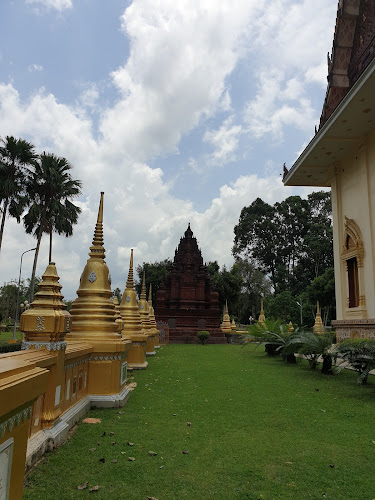
Wat Saranat Thammaram
About Wat Saranat Thammaram
Description
Let me paint you a picture. Imagine stepping out of your car and being immediately greeted by the gentle swish of palm leaves and, if you’re anything like me, that faint but unmistakable scent of incense drifting through sunlit courtyards. Wat Saranat Thammaram isn’t the showiest temple you’ll find in Rayong province, but it’s packed with a quiet character that seems to grow on you every minute you wander through its grounds. This Buddhist temple, tucked on a spacious, well-kept plot, may not draw the enormous crowds of Thailand’s ultra-famous spiritual sites, but maybe that’s its charm.
Honestly, what I appreciated most about Wat Saranat Thammaram was how authentic it felt. The place serves both as a sanctuary for locals to pray, meditate, and pay respects, and as a surprisingly accessible destination for visitors curious about Thai culture. The architecture? Bold yet comforting. The splashes of gold, deep reds, and mosaic details on the temple buildings catch your eye, but nothing’s over-the-top. Walking shoes highly recommended—these grounds are spacious, with plenty of shaded pathways and unexpected photo spots.
During my latest stroll here, I watched a monk chatting softly to a visitor under the eaves, the way old friends might catch up. Kids played near the lotus pond. It’s that sense of well-lived-in life that sets this temple aside. It’s every bit as photogenic as you could hope, but it isn’t just a backdrop. It breathes—a subtle, steady pulse of community and tradition. And for travelers, that means a richer experience (with fewer selfie sticks in your line of sight).
Key Features
- Impressive Architecture: Intricate carvings, a dazzling ordination hall, and stunning roofs with multi-tiered gables that just pop against the blue Thai sky
- Uncrowded Serenity: A peaceful, slowly paced atmosphere—great if you like visiting places that feel ‘real’, not just tourist hotspots
- Wheelchair Accessibility: Thoughtful accessibility with both ramps and designated parking, making it one of the easier temples to access in Rayong
- Community Heartbeat: Local ceremonies and festivals, particularly during Thai Buddhist holidays, when you can witness candlelit processions and merit-making
- Main Buddha Image: A revered statue at the temple’s center—locals believe it brings luck and peace; I saw families quietly lighting candles and offering flowers there
- Beautiful Courtyards: Lush green spaces with lotus ponds, shaded seating, and a few old trees that have probably watched a hundred years of temple life
- Photo Opportunities: Striking gates, golden chedis, and peaceful nooks make for truly memorable travel snaps (especially if you catch the light at sunset)
- Restful Ambience: Even when there are visitors, the temple vibe is laid-back. You don’t have to jostle for space—just find a spot, sit, think, breathe.
Best Time to Visit
Alright, take it from someone who has wilted in the Thai midday heat, timing matters! If you’re gunning for comfort and the best light for photos, aim for early mornings—think between 7:00 and 9:30 a.m. Not only does the rising sun gild the temple’s golden features in a way that feels almost magical, but it’s quieter then. You’ll often catch the temple staff and monks starting their routines, and trust me, it’s peaceful. That cool morning breeze is no joke, either.
On Buddhist holidays and festivals (like Makha Bucha or Visakha Bucha), Wat Saranat Thammaram comes alive with color, candlelight, and community rituals. If crowds don’t scare you off and you want to experience local culture at its most heart-thumping, these festival days are a treat. But for the serenity chasers among us (myself included), aim for regular weekdays outside the rainy season (May–October) when the grounds are at their lushest without the downpour risk.
And hey, Rayong is a hot, humid kind of place. So, pack a hat, slather on sunscreen, and hydrate, hydrate, hydrate—especially if you’re brave enough to visit right after lunch. But mornings or late afternoons truly are best if you ask me.
How to Get There
Getting yourself to Wat Saranat Thammaram isn’t rocket science, but let’s be honest, public transport here isn’t the stuff of traveler dreams. Most folks roll in using a private car or hail a taxi from Rayong town. If you’re a fan of two wheels, you can rent a scooter for the day; the roads are in decent (not perfect!) shape, so keep an eye out for potholes along smaller lanes.
And for those who get lost easily—don’t worry, you won’t! The temple sits right off a main road and is well-marked by a traditional Thai archway that you can spot from a good ways away. If you use GPS or a map app, double-check that it’s taking you to the correct Saranat temple. There are a handful in the wider area and, believe me, asking a local always helps. In my case, a kind fruit vendor pointed me the right way while grinning ear to ear at my mangled attempt at Thai.
Parking? Yes, and plenty of it. And if you arrive during a temple festival or Buddhist holiday, you might find the lots full, but locals are pretty adept at organizing overflow parking. If there’s a will, there’s a way, right?
Tips for Visiting
There’s something about visiting a temple that calls for a bit more thoughtfulness, so let’s lay down some tips that’ll have you fitting right in—without stepping on any cultural toes.
- Dress Respectfully: Shoulders, knees, and midriffs should stay covered. Grab a light scarf or wrap if you packed for the beach. You won’t regret it!
- Shoes Off: Like most temples, you’ll need to leave your shoes before entering the ordination hall. Think easy slip-ons (unless you love wrestling with laces outside under the hot sun...)
- Photo Etiquette: Snap away outdoors, but ALWAYS ask before photographing monks or worshippers. Common sense, but worth saying. And keep your flash turned off — nobody wants to blind a holy man!
- Accessibility: The temple does a solid job with ramps and accessible parking, but some older pathways can be uneven. Watch your step if mobility is an issue or if you’re pushing a stroller.
- Try the Offerings: If you’re curious, try buying a lotus or incense stick to make a simple offering. You’ll find a donation box and clear instructions in both Thai and English. Even if you’re not Buddhist, it’s a meditative moment worth experiencing.
- Hydrate and Shade: Seriously, Rayong gets scorchingly hot. Bring water and take breaks under the larger trees or pavilion-style shelters dotted about the grounds. Don’t underestimate the strength of that midday sun, even on cloudy days.
- Travel Insurance: Some areas can be slick after a rain or a little uneven—they’re historic, after all! A slip can ruin a vacation, so don’t skip your coverage (spoken like someone who once twisted an ankle abroad...)
- Visit the Community Market (if available): Occasionally, small stalls pop up outside the entrance selling fruit, amulets, or snacks. Perfect spot to score fresh mangos or coconut ice cream before or after your visit.
Final word? Don’t rush. This isn’t a blink-and-you-miss-it kind of stop. Give it a little time—you’ll find your own little favorite moment here, whether it’s the hush inside the hall or a random smile from a passerby. The magic, to me, is in those unscripted moments.
Key Features
- Key Features
- Best Time to Visit
- How to Get There
- Tips for Visiting
Tours & Activities
GetYourGuide provides this tour inventory. We may earn a commission if you book through it; verify current availability, prices, and terms with the provider.
Visitor Reviews
There are no reviews yet. Be the first one to write one.
Share Your Experience
Have you visited Wat Saranat Thammaram? Help other travelers by leaving a review.