

Rayong Botanic Garden
About Rayong Botanic Garden
Description
It’s not every day that you wander into a place where time sort of slows down and the outside world feels (finally) far away. That’s the first thing I noticed about Rayong Botanic Garden—there’s a hush across the sprawling wetlands, gentle hum of insects, and the odd splash of a fish or two in the water. Sure, there’s Instagram potential with all those scenic boardwalks, but it’s so much more than an aesthetic backdrop. I’ve visited a good handful of gardens in Thailand, and this one hits different—not just “here’s a lovely plant,” but actual, immersive nature you can kayak through, bike along, and properly get your shoes dirty in.
Rayong Botanic Garden, known locally as “Suan Phrueksa Sat Rayong,” sits comfortably off most tourist radar. Maybe that’s part of the magic. You won’t be swamped by crowds, and there’s plenty of space to find your own quiet corner in the mangroves. It’s especially good for families (I saw kids sprinting, big grins on their faces, up and down the wooden walkways). And honestly? It’s a rare slice of wild Thailand that’s both easy to get to but feels miles away from the resorts and highways you just left behind.
For folks who love a hands-on approach—think kayaking gentle backwaters, cycling shaded trails, or going on an everyday hike—you’re in luck. The garden is famous for its network of trails that snake through different ecosystems, showing off not just the area’s botanical diversity, but also those sneaky little secret spots you don’t find in guidebooks. You might even spot a turtle sunbathing or a shy heron stepping through the reeds. I’m genuinely not overselling it.
Key Features
- Nature Trails: Discover kilometers of boardwalks and natural paths winding through swamp forest, lakes, and meadows. Some routes are fully stroller-friendly and accessible (amen to that!), and you’ll spot educational signposts along the way.
- Cycling Route: Bring your own bike or rent one at the entrance. The smooth, shady tracks are ideal for all ages—whether you’re a Lycra-clad cyclist or a meandering pedaler like me.
- Kayak Adventures: Paddle across a mosaic of lakes, watching lotus blooms float by. Most first-timers manage just fine—the waters are super calm. If you’ve never kayaked before, this is honestly a safe place to try.
- Photography Hotspots: Between the never-ending boardwalks, swaying grasses, and sky-high trees, every corner is a frameable moment. Early morning light here is something else, especially if you’re hunting that misty, dreamlike vibe.
- Family & Kid-Friendly: The whole garden is designed with families in mind. Easy trails, kid-sized learning boards, and space to let off steam—plus, supervised areas for smaller children.
- Amenities Galore: Modern, clean restrooms (a real win in Thailand), accessible facilities for wheelchairs or strollers, and plenty of shaded rest areas, so you don’t roast in the midday sun.
- Pet-Friendly Environment: Leashed dogs are welcome, so feel free to bring your furry companion along for a sunny stroll or a sniff-fest around the lotus ponds.
- Wildlife and Plant Diversity: Over a hundred species of native Thai flora, rare birds, dragonflies, and the odd water monitor lizard—just pay attention! You’re in someone else’s home here.
Best Time to Visit
Thailand’s coast can be a bit of a broken record: hot, hotter, and then a downpour. Honestly, the garden is great year-round, but if you want the jackpot—plan for November to March. That’s the cool season, so the mornings are actually cool (sometimes you might even need a light jacket) and the afternoon heat doesn’t knock you out. The real fun, though, is straight after the rainy season, when the wetlands are alive and the air is thick with dragonflies. That period—September through December—the whole place is at its greenest. Bring a camera, and maybe bug spray, because the critters love it as much as you do.
I'd steer clear of the heavy monsoon months (usually May to October), unless you’re the mud-splattering, adventure-for-breakfast type. Some trails can get soggy, and you’ll definitely want proper shoes if you wander off the main paths. But, on the upside, you’ll have the lilies and lotus in full bloom, which is a sight I wish more people made the time to see.
How to Get There
Let’s cut through the noise—you’ll probably need your own wheels. While you could try piecing together buses and taxis, having a car or motorbike makes things so much easier. The roads are in good shape, and there’s free parking right near the entrance. If you’re coming in from Rayong city, it’s about 35-40 minutes on a quiet drive, and from Pattaya it’s about 90 minutes if the traffic gods are being kind.
If local flavor is your thing, consider hiring a songthaew (shared taxi truck) from Klaeng. It’s a bit of an adventure—sometimes you’ll be the only tourist onboard, which guarantees a good story for later. For cyclists, yes, I’ve actually seen people cycle all the way from Ban Phe along the backroads. My legs cramp up just thinking about it, but hey, follow your own rhythm.
GPS navigation is pretty reliable here—I’ve never once gotten lost, which for me is practically a miracle. Look out for the actual garden sign though, it’s not huge but stands out enough. For families with kids or folks who need accessibility, all the main visitor facilities are close to the carpark, so there’s no epic march to the starting point.
Tips for Visiting
- Arrive Early: Not just for the cooler temperatures (and trust me, you’ll sweat if you go at noon) but because the wildlife is most active in the first few hours after sunrise. The lighting for photos is also golden—literally and figuratively.
- Plan for at Least Half a Day: Don’t rush it. There’s way more to see than just the boardwalks—hidden corners, quiet benches, even the occasional impromptu picnic. If you’re pressed for time, pick either the kayak or cycle, but not both.
- Dress Sensibly: Lightweight, long-sleeved shirts, a hat, and trainers or sport sandals. If you forget socks, your ankles might become a mosquito buffet. Been there, learned the hard way.
- Bug Spray and Sunscreen: Two absolute must-haves. The sun is stronger than you think, and the bugs are fairly democratic—locals, tourists, camera crew, they bite us all.
- Support the Onsite Vendors: If you see a drinks stall or snack shack, buy something. The freshly squeezed juices are good, and it helps the locals keep their businesses afloat.
- Listen to the Signage: If a path is closed or marked “do not enter,” it’s for a reason. During the rainy season, some parts get genuinely unsafe or disturb local wildlife. Plus, it’s a good chance to practice sustainable tourism. Leave no trace!
- Bring Binoculars: Birdwatchers, I envy you. Some species here are tough to spot without a good pair of lenses. If you don’t have any, at least zoom in with your camera and be quiet—patience rewards you with some epic shots.
- Water and Snacks: There’s a lot of ground to cover, and you’ll want to stay hydrated. I usually toss a couple of snacks in my bag (those fruit chips from 7/11 travel well and are a lifesaver when you find a good bench).
- Respect the Wildlife: You’re a guest here. Don’t feed the animals, and steer kids away from poking at anything that slithers, buzzes, or jumps. This isn’t a petting zoo, and that’s exactly why it’s special.
- Accessible for All: If you or someone in your group has mobility challenges, you’ll be happy to know most main areas are flat and have proper ramps. Even the restrooms are designed with accessibility in mind—not always a given in rural Thailand.
If you take one thing away, let it be this: Rayong Botanic Garden is the kind of place that rewards curiosity. Don’t come just to tick off a box. Linger, notice the details, let your kids race ahead, get off the beaten path (but not too far!), and most of all, go slow. I’ve returned more than once—usually with a different friend along each time—and every trip
Key Features
- Key Features
- Best Time to Visit
- How to Get There
- Tips for Visiting
More Details
Updated June 7, 2025
Table of Contents
Description
It’s not every day that you wander into a place where time sort of slows down and the outside world feels (finally) far away. That’s the first thing I noticed about Rayong Botanic Garden—there’s a hush across the sprawling wetlands, gentle hum of insects, and the odd splash of a fish or two in the water. Sure, there’s Instagram potential with all those scenic boardwalks, but it’s so much more than an aesthetic backdrop. I’ve visited a good handful of gardens in Thailand, and this one hits different—not just “here’s a lovely plant,” but actual, immersive nature you can kayak through, bike along, and properly get your shoes dirty in.
Rayong Botanic Garden, known locally as “Suan Phrueksa Sat Rayong,” sits comfortably off most tourist radar. Maybe that’s part of the magic. You won’t be swamped by crowds, and there’s plenty of space to find your own quiet corner in the mangroves. It’s especially good for families (I saw kids sprinting, big grins on their faces, up and down the wooden walkways). And honestly? It’s a rare slice of wild Thailand that’s both easy to get to but feels miles away from the resorts and highways you just left behind.
For folks who love a hands-on approach—think kayaking gentle backwaters, cycling shaded trails, or going on an everyday hike—you’re in luck. The garden is famous for its network of trails that snake through different ecosystems, showing off not just the area’s botanical diversity, but also those sneaky little secret spots you don’t find in guidebooks. You might even spot a turtle sunbathing or a shy heron stepping through the reeds. I’m genuinely not overselling it.
Key Features
- Nature Trails: Discover kilometers of boardwalks and natural paths winding through swamp forest, lakes, and meadows. Some routes are fully stroller-friendly and accessible (amen to that!), and you’ll spot educational signposts along the way.
- Cycling Route: Bring your own bike or rent one at the entrance. The smooth, shady tracks are ideal for all ages—whether you’re a Lycra-clad cyclist or a meandering pedaler like me.
- Kayak Adventures: Paddle across a mosaic of lakes, watching lotus blooms float by. Most first-timers manage just fine—the waters are super calm. If you’ve never kayaked before, this is honestly a safe place to try.
- Photography Hotspots: Between the never-ending boardwalks, swaying grasses, and sky-high trees, every corner is a frameable moment. Early morning light here is something else, especially if you’re hunting that misty, dreamlike vibe.
- Family & Kid-Friendly: The whole garden is designed with families in mind. Easy trails, kid-sized learning boards, and space to let off steam—plus, supervised areas for smaller children.
- Amenities Galore: Modern, clean restrooms (a real win in Thailand), accessible facilities for wheelchairs or strollers, and plenty of shaded rest areas, so you don’t roast in the midday sun.
- Pet-Friendly Environment: Leashed dogs are welcome, so feel free to bring your furry companion along for a sunny stroll or a sniff-fest around the lotus ponds.
- Wildlife and Plant Diversity: Over a hundred species of native Thai flora, rare birds, dragonflies, and the odd water monitor lizard—just pay attention! You’re in someone else’s home here.
Best Time to Visit
Thailand’s coast can be a bit of a broken record: hot, hotter, and then a downpour. Honestly, the garden is great year-round, but if you want the jackpot—plan for November to March. That’s the cool season, so the mornings are actually cool (sometimes you might even need a light jacket) and the afternoon heat doesn’t knock you out. The real fun, though, is straight after the rainy season, when the wetlands are alive and the air is thick with dragonflies. That period—September through December—the whole place is at its greenest. Bring a camera, and maybe bug spray, because the critters love it as much as you do.
I’d steer clear of the heavy monsoon months (usually May to October), unless you’re the mud-splattering, adventure-for-breakfast type. Some trails can get soggy, and you’ll definitely want proper shoes if you wander off the main paths. But, on the upside, you’ll have the lilies and lotus in full bloom, which is a sight I wish more people made the time to see.
How to Get There
Let’s cut through the noise—you’ll probably need your own wheels. While you could try piecing together buses and taxis, having a car or motorbike makes things so much easier. The roads are in good shape, and there’s free parking right near the entrance. If you’re coming in from Rayong city, it’s about 35-40 minutes on a quiet drive, and from Pattaya it’s about 90 minutes if the traffic gods are being kind.
If local flavor is your thing, consider hiring a songthaew (shared taxi truck) from Klaeng. It’s a bit of an adventure—sometimes you’ll be the only tourist onboard, which guarantees a good story for later. For cyclists, yes, I’ve actually seen people cycle all the way from Ban Phe along the backroads. My legs cramp up just thinking about it, but hey, follow your own rhythm.
GPS navigation is pretty reliable here—I’ve never once gotten lost, which for me is practically a miracle. Look out for the actual garden sign though, it’s not huge but stands out enough. For families with kids or folks who need accessibility, all the main visitor facilities are close to the carpark, so there’s no epic march to the starting point.
Tips for Visiting
- Arrive Early: Not just for the cooler temperatures (and trust me, you’ll sweat if you go at noon) but because the wildlife is most active in the first few hours after sunrise. The lighting for photos is also golden—literally and figuratively.
- Plan for at Least Half a Day: Don’t rush it. There’s way more to see than just the boardwalks—hidden corners, quiet benches, even the occasional impromptu picnic. If you’re pressed for time, pick either the kayak or cycle, but not both.
- Dress Sensibly: Lightweight, long-sleeved shirts, a hat, and trainers or sport sandals. If you forget socks, your ankles might become a mosquito buffet. Been there, learned the hard way.
- Bug Spray and Sunscreen: Two absolute must-haves. The sun is stronger than you think, and the bugs are fairly democratic—locals, tourists, camera crew, they bite us all.
- Support the Onsite Vendors: If you see a drinks stall or snack shack, buy something. The freshly squeezed juices are good, and it helps the locals keep their businesses afloat.
- Listen to the Signage: If a path is closed or marked “do not enter,” it’s for a reason. During the rainy season, some parts get genuinely unsafe or disturb local wildlife. Plus, it’s a good chance to practice sustainable tourism. Leave no trace!
- Bring Binoculars: Birdwatchers, I envy you. Some species here are tough to spot without a good pair of lenses. If you don’t have any, at least zoom in with your camera and be quiet—patience rewards you with some epic shots.
- Water and Snacks: There’s a lot of ground to cover, and you’ll want to stay hydrated. I usually toss a couple of snacks in my bag (those fruit chips from 7/11 travel well and are a lifesaver when you find a good bench).
- Respect the Wildlife: You’re a guest here. Don’t feed the animals, and steer kids away from poking at anything that slithers, buzzes, or jumps. This isn’t a petting zoo, and that’s exactly why it’s special.
- Accessible for All: If you or someone in your group has mobility challenges, you’ll be happy to know most main areas are flat and have proper ramps. Even the restrooms are designed with accessibility in mind—not always a given in rural Thailand.
If you take one thing away, let it be this: Rayong Botanic Garden is the kind of place that rewards curiosity. Don’t come just to tick off a box. Linger, notice the details, let your kids race ahead, get off the beaten path (but not too far!), and most of all, go slow. I’ve returned more than once—usually with a different friend along each time—and every trip
Key Highlights
- Key Features
- Best Time to Visit
- How to Get There
- Tips for Visiting
Location
Places to Stay Near Rayong Botanic Garden
Find and Book a Tour
Explore More Travel Guides
No reviews found! Be the first to review!
Traveler Reviews for Rayong Botanic Garden
There are no reviews yet. Be the first one to write one.
Have you visited Rayong Botanic Garden? Help other travelers by sharing your review.
You Might Also Like
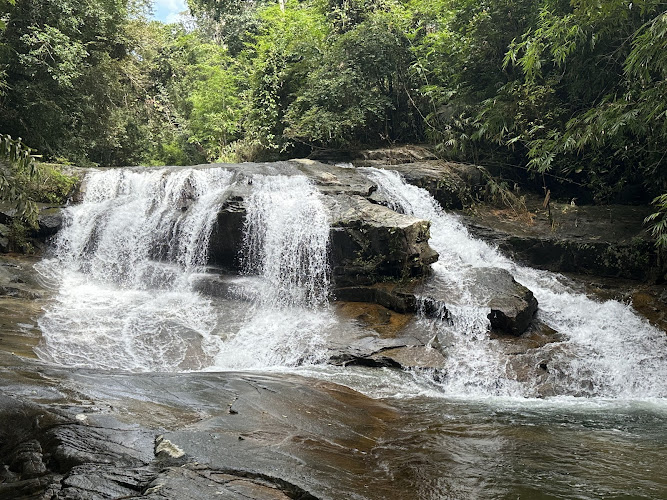
Khao Chamao-Khao Wong National Park
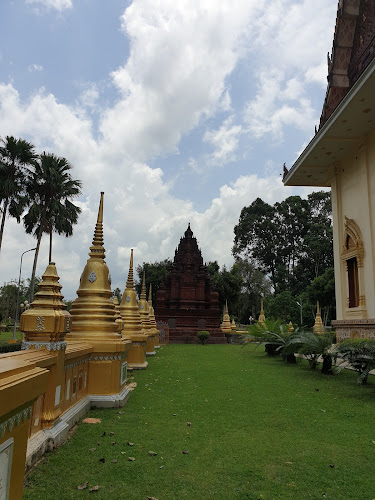
Wat Saranat Thammaram
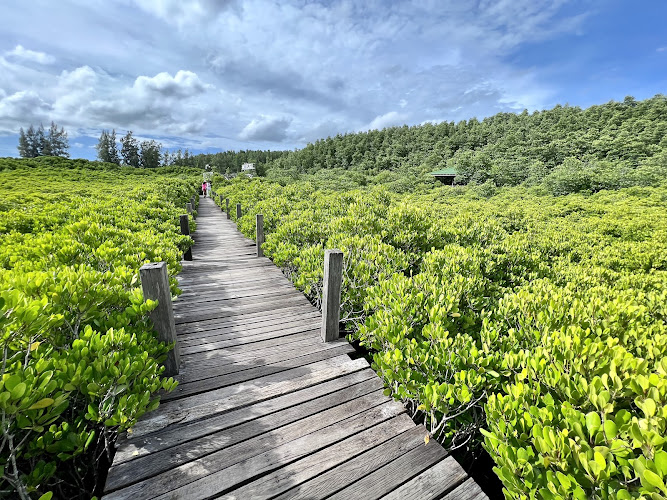
Thung Prong Thong (Golden Meadow)
Find Accommodations Nearby
Recommended Tours & Activities
Visitor Reviews
There are no reviews yet. Be the first one to write one.
Share Your Experience
Have you visited Rayong Botanic Garden? Help other travelers by leaving a review.