
Jellyfish Sanctuary
About Jellyfish Sanctuary
Description
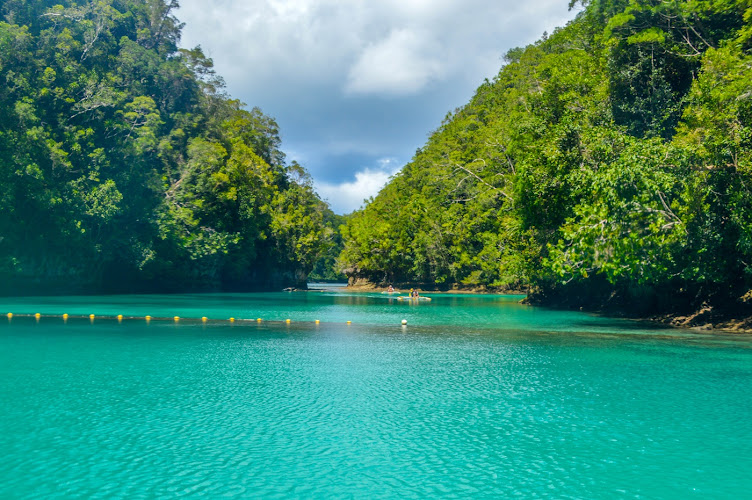
If you’re like me—just can’t sit still with wanderlust itching under your skin—then you’ll understand why the Jellyfish Sanctuary at Tojoman Lagoon in Socorro, Surigao del Norte, Philippines, is such a stand-out. It isn’t just about crossing a spot off a list; it’s an experience. A story, honestly, that you’ll want to retell for months. The sanctuary is a tranquil, unspoiled lagoon, surrounded by thick mangroves and rugged limestone, where you can literally swim among thousands—yes, thousands—of gentle, stingless jellyfish bobbing around as if they own the place.
What surprised me the most? How incredibly peaceful the whole vibe is. There’s no overbuilt practice here, no lines of tiki bars blasting dance music or mobs of tourists jostling for their Instagram snap. Instead, you get laughter echoing over water, maybe a rooster crowing somewhere nearby, and the soft swoosh of your paddle as you glide out to this alien-ish world of undulating jellies. It’s absolutely magical, but—fair heads up—it can also require a bit of patience if it’s a busy weekend. And my honest two cents: it’s nature, so things don’t always go to the script. Sometimes, fewer jellyfish show up, or the water’s a bit murky after a storm. Weather has a sense of humor, right?
But don’t let that stop you. Even if you aren’t a marine-life geek, the opportunity to interact with these harmless creatures (yes, you can touch them gently, although I suggest a bit of reverence) is surreal. It's very kid-friendly; my little niece was at first freaked out by the idea, but by the end she was giggling while their soft, balloon-like bodies brushed past. But, there are limits if you have mobility challenges—the boats and rustic platforms aren’t wheelchair accessible, and traversing muddy banks is half the charm, or so I tell myself. If you plan ahead, though, and don’t mind a bit of mud on your sandals, it’s honestly a rare kind of adventure—not the polished, theme-park version of nature.
Overall, it’s an authentic spot that’s both calming to the mind and thrilling in just the right way. I’d say don’t show up expecting five-star amenities; you’ll get something far better—a real, unscripted encounter with one of the world’s few natural jellyfish sanctuaries, in the heart of the Philippines.
Key Features
- Stingless jellyfish encounter: Swim (or just dangle your feet) among unique jellyfish species that do not sting. It’s a rare ecosystem—there are just a handful of places globally with this anomaly!
- Pristine natural setting: Tojoman Lagoon feels cut off from time, ringed by thick mangrove forests, clean turquoise water, and jagged limestone outcrops. If you’re sick of overdeveloped tourist traps, this place will be a breath of fresh air—literally.
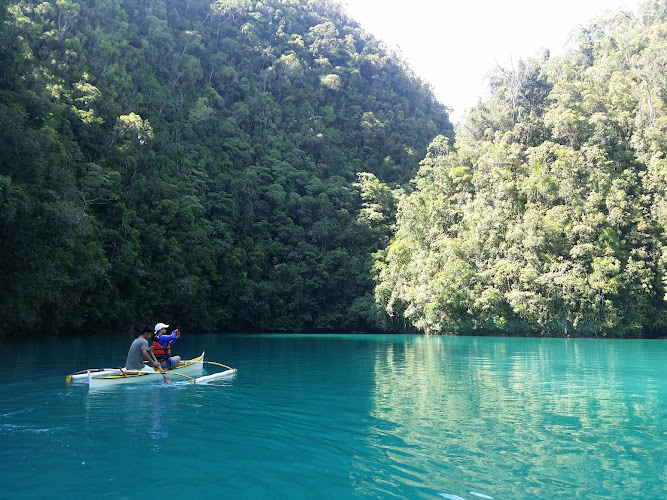
- Small paddle boats and local guides: Local guides row you quietly into the heart of the lagoon—most trips take 20-30 minutes and you get all sorts of trivia thrown into the bargain (sometimes you even get serenaded!).
- Excellent for families: Kids go absolutely wild here, especially once the initial fear of jellyfish is replaced by the thrill of discovery. If you’re looking for a less stressful, educational getaway with the kids, this is a big win.
- Authentic Socorro community vibes: The sanctuary is managed by locals, which means you’ll get a genuine feel for the place—not just the glossy, brochure version. There’s plenty of opportunity to chat, learn about island life, and share a few laughs.
- Basic but essential facilities: Expect simple boat docks, makeshift waiting sheds, and a few snack stalls. Not five-star luxury, but that’s honestly part of the charm for me. Come prepared and you’ll be just fine.
- Ideal for casual snorkeling: Masks, snorkels, and life vests are often provided as part of the tour. The water’s calm, making for a safe environment even if you’re not an Olympic swimmer (confession: I’m not!).
- Sustainable, low-impact tourism focus: The locals are genuinely invested in keeping the lagoon healthy and pristine. You’ll get briefings on what not to do, plus all sorts of fun local anecdotes, like how the jellyfish “migrate” around the lagoon depending on the sun.
Best Time to Visit
So—here’s something I wish someone had told me before my first trip. Timing is everything. While the sanctuary is technically open year-round, the real magic happens during the dry season, typically from March to October. That’s when water visibility peaks, the jellyfish population booms (up to tens of thousands floating dreamily all around you), and the sun lights up the lagoon like a glassy mirror. If you’re the sort who melts in sweltering humidity, aim for mornings; by mid-afternoon, the Philippine sun can be pretty relentless.
Oh—and avoid big holidays and weekends if you’re crowd-averse. Local families love this spot too (as they should!), but if you want the lagoon nearly to yourself, show up on a weekday. After a storm, the jellyfish sometimes dive deeper, making them harder to spot. So, keep an eye on the forecast if you’re coming from afar—that’s my little pro tip.
Here’s another—tidal patterns matter. Jellyfish are most visible during high tide, so ask your guide or your hostel staff for the best timing before booking anything. True story: the lagoon looked like an empty pond on my first paddle-out, and I thought I’d been scammed by local hype, but after lunch (higher tide), the jellyfish suddenly appeared by the hundreds. Persistence pays off!
How to Get There
Getting to Tojoman Lagoon is half the fun—if you like a bit of adventure, anyway (and honestly, travel without a little chaos is boring, right?). First, you need to reach the municipality of Socorro, tucked within the scenic Bucas Grande Islands in Surigao del Norte. Most visitors start by flying into Surigao City, then catching a ferry to Dapa or Socorro. Ferries run regularly, but if you’re anything like me and your life is ruled by snack breaks, I’d suggest stocking up at the port—local vendors sell amazing grilled bananas and sticky rice.
From Socorro town proper, tricycles or habal-habal (motorcycle taxis) can take you to the jump-off point for Tojoman Lagoon. The roads are... well, “charming” is one way to describe them—think rustic, sometimes bumpy, but totally manageable for anyone who’s traveled in the Philippines before. At the pier, locals will pair you up with a paddle boat and guide. For groups, boats fill up quickly, especially midday, so advance booking really does help.
And, just so you know, there’s no fancy signage or digital check-in. Arrival is refreshingly old-school: big smiles, handwritten ledgers, the occasional rooster strutting by. Don’t expect Wi-Fi in the lagoon—consider it enforced relaxation time!
Tips for Visiting
- Book ahead: Especially during peak seasons and weekends. You don’t need months of advance planning, but at least a day or two can spare you a long wait at the dock.
- Bring your own snacks and water: There’s no convenience store floating next to your boat, and trust me, a couple of hours on the lagoon will make you crave a cold drink. Some guides sell basic snacks but don’t bank on it.
- Pack light—but wise: Sunscreen, hats, and sunglasses make a world of difference. There isn’t much shade on open boats. Bonus tip: a waterproof bag is a lifesaver for your phone and wallet; more than once, my camera narrowly escaped a watery fate here.
- Respect the jellyfish: They’re stingless but not indestructible. Touch gently, and better yet—simply observe. Guiding hands are better than grasping ones, I always say. Teach your kids the same, and the jellyfish will be around for generations.
- Wear a rashguard or swim shirt: Not only for sun protection (it’s HOT), but you’ll also keep the lagoon’s ecosystem cleaner—no need to slather up in reef-harming sunscreen.
- Take your trash back: Locals are passionate about eco-tourism here, and nothing ruins paradise like seeing a floating candy wrapper. There's a reason this lagoon is so pristine—everyone pulls their weight.
- Ask questions: Your boat guide isn’t just steering the paddle—many grew up with this lagoon as their backyard! Some even have wild stories about their families’ connection to the jellyfish. I learned more from these imp
Key Features
- Key Features
- Best Time to Visit
- How to Get There
- Tips for Visiting
More Details
Updated June 8, 2025
Table of Contents
Description
If you’re like me—just can’t sit still with wanderlust itching under your skin—then you’ll understand why the Jellyfish Sanctuary at Tojoman Lagoon in Socorro, Surigao del Norte, Philippines, is such a stand-out. It isn’t just about crossing a spot off a list; it’s an experience. A story, honestly, that you’ll want to retell for months. The sanctuary is a tranquil, unspoiled lagoon, surrounded by thick mangroves and rugged limestone, where you can literally swim among thousands—yes, thousands—of gentle, stingless jellyfish bobbing around as if they own the place.
What surprised me the most? How incredibly peaceful the whole vibe is. There’s no overbuilt practice here, no lines of tiki bars blasting dance music or mobs of tourists jostling for their Instagram snap. Instead, you get laughter echoing over water, maybe a rooster crowing somewhere nearby, and the soft swoosh of your paddle as you glide out to this alien-ish world of undulating jellies. It’s absolutely magical, but—fair heads up—it can also require a bit of patience if it’s a busy weekend. And my honest two cents: it’s nature, so things don’t always go to the script. Sometimes, fewer jellyfish show up, or the water’s a bit murky after a storm. Weather has a sense of humor, right?
But don’t let that stop you. Even if you aren’t a marine-life geek, the opportunity to interact with these harmless creatures (yes, you can touch them gently, although I suggest a bit of reverence) is surreal. It’s very kid-friendly; my little niece was at first freaked out by the idea, but by the end she was giggling while their soft, balloon-like bodies brushed past. But, there are limits if you have mobility challenges—the boats and rustic platforms aren’t wheelchair accessible, and traversing muddy banks is half the charm, or so I tell myself. If you plan ahead, though, and don’t mind a bit of mud on your sandals, it’s honestly a rare kind of adventure—not the polished, theme-park version of nature.
Overall, it’s an authentic spot that’s both calming to the mind and thrilling in just the right way. I’d say don’t show up expecting five-star amenities; you’ll get something far better—a real, unscripted encounter with one of the world’s few natural jellyfish sanctuaries, in the heart of the Philippines.
Key Features
- Stingless jellyfish encounter: Swim (or just dangle your feet) among unique jellyfish species that do not sting. It’s a rare ecosystem—there are just a handful of places globally with this anomaly!
- Pristine natural setting: Tojoman Lagoon feels cut off from time, ringed by thick mangrove forests, clean turquoise water, and jagged limestone outcrops. If you’re sick of overdeveloped tourist traps, this place will be a breath of fresh air—literally.
- Small paddle boats and local guides: Local guides row you quietly into the heart of the lagoon—most trips take 20-30 minutes and you get all sorts of trivia thrown into the bargain (sometimes you even get serenaded!).
- Excellent for families: Kids go absolutely wild here, especially once the initial fear of jellyfish is replaced by the thrill of discovery. If you’re looking for a less stressful, educational getaway with the kids, this is a big win.
- Authentic Socorro community vibes: The sanctuary is managed by locals, which means you’ll get a genuine feel for the place—not just the glossy, brochure version. There’s plenty of opportunity to chat, learn about island life, and share a few laughs.
- Basic but essential facilities: Expect simple boat docks, makeshift waiting sheds, and a few snack stalls. Not five-star luxury, but that’s honestly part of the charm for me. Come prepared and you’ll be just fine.
- Ideal for casual snorkeling: Masks, snorkels, and life vests are often provided as part of the tour. The water’s calm, making for a safe environment even if you’re not an Olympic swimmer (confession: I’m not!).
- Sustainable, low-impact tourism focus: The locals are genuinely invested in keeping the lagoon healthy and pristine. You’ll get briefings on what not to do, plus all sorts of fun local anecdotes, like how the jellyfish “migrate” around the lagoon depending on the sun.
Best Time to Visit
So—here’s something I wish someone had told me before my first trip. Timing is everything. While the sanctuary is technically open year-round, the real magic happens during the dry season, typically from March to October. That’s when water visibility peaks, the jellyfish population booms (up to tens of thousands floating dreamily all around you), and the sun lights up the lagoon like a glassy mirror. If you’re the sort who melts in sweltering humidity, aim for mornings; by mid-afternoon, the Philippine sun can be pretty relentless.
Oh—and avoid big holidays and weekends if you’re crowd-averse. Local families love this spot too (as they should!), but if you want the lagoon nearly to yourself, show up on a weekday. After a storm, the jellyfish sometimes dive deeper, making them harder to spot. So, keep an eye on the forecast if you’re coming from afar—that’s my little pro tip.
Here’s another—tidal patterns matter. Jellyfish are most visible during high tide, so ask your guide or your hostel staff for the best timing before booking anything. True story: the lagoon looked like an empty pond on my first paddle-out, and I thought I’d been scammed by local hype, but after lunch (higher tide), the jellyfish suddenly appeared by the hundreds. Persistence pays off!
How to Get There
Getting to Tojoman Lagoon is half the fun—if you like a bit of adventure, anyway (and honestly, travel without a little chaos is boring, right?). First, you need to reach the municipality of Socorro, tucked within the scenic Bucas Grande Islands in Surigao del Norte. Most visitors start by flying into Surigao City, then catching a ferry to Dapa or Socorro. Ferries run regularly, but if you’re anything like me and your life is ruled by snack breaks, I’d suggest stocking up at the port—local vendors sell amazing grilled bananas and sticky rice.
From Socorro town proper, tricycles or habal-habal (motorcycle taxis) can take you to the jump-off point for Tojoman Lagoon. The roads are… well, “charming” is one way to describe them—think rustic, sometimes bumpy, but totally manageable for anyone who’s traveled in the Philippines before. At the pier, locals will pair you up with a paddle boat and guide. For groups, boats fill up quickly, especially midday, so advance booking really does help.
And, just so you know, there’s no fancy signage or digital check-in. Arrival is refreshingly old-school: big smiles, handwritten ledgers, the occasional rooster strutting by. Don’t expect Wi-Fi in the lagoon—consider it enforced relaxation time!
Tips for Visiting
- Book ahead: Especially during peak seasons and weekends. You don’t need months of advance planning, but at least a day or two can spare you a long wait at the dock.
- Bring your own snacks and water: There’s no convenience store floating next to your boat, and trust me, a couple of hours on the lagoon will make you crave a cold drink. Some guides sell basic snacks but don’t bank on it.
- Pack light—but wise: Sunscreen, hats, and sunglasses make a world of difference. There isn’t much shade on open boats. Bonus tip: a waterproof bag is a lifesaver for your phone and wallet; more than once, my camera narrowly escaped a watery fate here.
- Respect the jellyfish: They’re stingless but not indestructible. Touch gently, and better yet—simply observe. Guiding hands are better than grasping ones, I always say. Teach your kids the same, and the jellyfish will be around for generations.
- Wear a rashguard or swim shirt: Not only for sun protection (it’s HOT), but you’ll also keep the lagoon’s ecosystem cleaner—no need to slather up in reef-harming sunscreen.
- Take your trash back: Locals are passionate about eco-tourism here, and nothing ruins paradise like seeing a floating candy wrapper. There’s a reason this lagoon is so pristine—everyone pulls their weight.
- Ask questions: Your boat guide isn’t just steering the paddle—many grew up with this lagoon as their backyard! Some even have wild stories about their families’ connection to the jellyfish. I learned more from these imp
Key Highlights
- Key Features
- Best Time to Visit
- How to Get There
- Tips for Visiting
Location
Places to Stay Near Jellyfish Sanctuary
Find and Book a Tour
Explore More Travel Guides
No reviews found! Be the first to review!
Traveler Reviews for Jellyfish Sanctuary
There are no reviews yet. Be the first one to write one.
Have you visited Jellyfish Sanctuary? Help other travelers by sharing your review.
You Might Also Like
Find Accommodations Nearby
Recommended Tours & Activities
Visitor Reviews
There are no reviews yet. Be the first one to write one.
Share Your Experience
Have you visited Jellyfish Sanctuary? Help other travelers by leaving a review.