
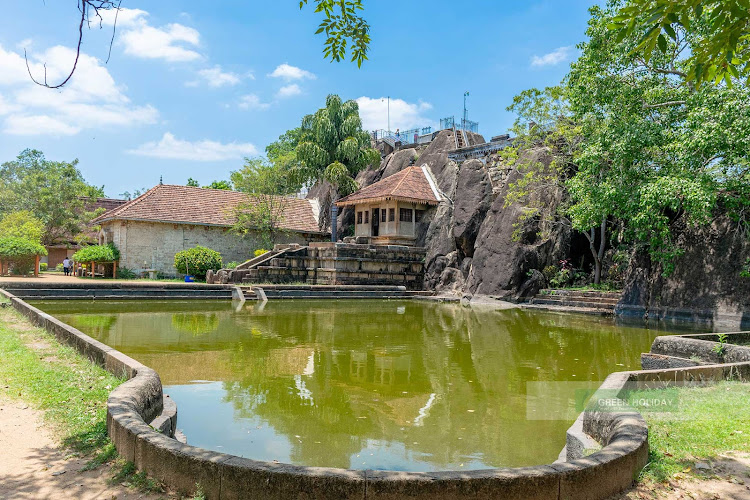
Isurumuniya Temple
About Isurumuniya Temple
Description
Isurumuniya Temple… just saying the name brings a little smile to my face. There’s something about ancient places that grabs you, right? Personally, nothing beats those moments where you run your hands along the age-old stone, imagining monks trundling past over a thousand years ago. Isurumuniya, for me, feels like stepping into a half-remembered dream—you know, that haze where the ordinary and myth seem to mingle.
This Buddhist temple, carved right into the face of stone, has a history running so deep you’d need an archaeologist to unravel it all. But, you don’t need a PhD to appreciate what’s right in front of your nose. The temple isn’t all grandeur—more an understated elegance. Walk in, and suddenly you’re standing where kings may have knelt and lovers etched their stories into granite. You can almost hear the soft chimes of ancient ceremonies drifting past the lotus pond.
What puts Isurumuniya on my personal bucket-list isn’t just the craftsmanship (though, honestly, those carvings could give Michelangelo a run for his money). Nope. It’s the human touches—a carved couple that radiates tenderness, stone elephants that seem to splash merrily, worn paths where thousands of bare feet have walked the same steps as you. Sure, you’ll see tourists snapping shots with fancy cameras, but squint past the selfie sticks and you’ll find a pulse. This place is alive. It’s quietly watching time pass, stilling hurried souls for at least one moment.
Is it perfect? Well, no. Sometimes you’ll catch a waft of incense that’s more choking than charming, and I’ve had days where the temple felt too busy for comfort. Reliably, though, you’ll find a spot to soak it all in. Just be patient. Like all the magical places, Isurumuniya gives most to those willing to linger.
Key Features
- The Isurumuniya Lovers: This iconic stone carving is probably the temple’s most famous treasure. I still remember the day I first spotted it—the dreamy faces, the gentle touch. It’s impossible not to wonder about their story. Historians think it tells of a prince and his beloved, but you can make up your own version. (Go ahead, who’s judging?)
- Stunning Rock Carvings: There’s a wild creativity to these ancient engravings—pachyderms bathing, regal horses, curious mythological figures. Some of these details seem to leap alive out of the stone as the sun shifts. If you’re a detail hound like me, don’t forget your camera or a keen eye.
- Peaceful Lotus Pond: There’s something deeply calming sitting by the pond. I’ve watched dragonflies skating over the water’s surface, and it almost feels like the world slows down a notch.
- Buddhist and Hindu Heritage: Yep—it’s not just a Buddhist shrine. The intertwining of cultures is evident in the art and rituals here. If you listen closely, you’ll sense all those centuries of blended prayers hanging in the air.
- Museum with Ancient Relics: A small museum (don’t expect bells and whistles) shows off more archaeological finds. For the history curious, there are some real gems tucked inside.
- Wheelchair Accessible Parking: Thoughtfully, there’s accessible parking—perfect if you or your crew need a bit more convenience.
- Atmospheric Evenings: If you time it right, sunsets lend a glow that just melts all the stone into gold. Moments like these catch you off guard, I swear.
Best Time to Visit
So, here's my two cents: if you’re planning a trip, do yourself a favor and aim for the early morning or just before sunset. Midday can get positively sweltering—think sticky shirts, sunglasses slipping off your nose, and everyone squinting into the harsh sun. Not exactly mood lighting for soaking in serenity.
Between November and April is when Anuradhapura is really in its element. You dodge those heavy monsoon downpours and instead catch the gentle, cooler breezes that turn temple visits into a joyous slog rather than a sweaty ordeal. I once went in January and honestly, even the monkeys seemed more chipper. Don’t be too quick to write off the rainy season, though—crowds thin, the greens seem lusher, and there’s a certain romance to tiptoeing under dripping mango trees, umbrella in hand. (Just pack sensible shoes. Mud is not your friend here.)
Festivals—like Vesak—see the temple all lit up, but if you crave contemplation, steer clear of holiday throngs. Trust me: you want to be able to sit by the pond and just listen. No blaring loudspeakers, no clattering sandals, just birds and your own breath.
How to Get There
You know, getting yourself to Isurumuniya is really half the adventure. If you’re coming from Anuradhapura’s city center, it’s just a quick tuk-tuk ride away—maybe ten minutes if traffic plays nice. Tuk-tuks are plentiful, with plenty of drivers who’ll know exactly where to take you. Don’t be shy about haggling a bit on the price. That's part of the fun, and if you’re lucky, your driver might share a few of his own temple legends along the way. Some have surprisingly poetic takes on the statues, let me tell you.
If you prefer independence, bicycles are a hit with backpackers and eco-travelers alike. The route’s flat, easy to follow, and you’ll see more glimpses of local life than you would peering out from a taxi window. I’m a fan of walking where possible—there’s just something about meandering up slowly, taking in every dusty breath and the scent of frangipani wobbling on the wind.
Traveling by car? There’s dedicated parking, and as I mentioned, wheelchair access is provided, which gets a big thumbs up from me. For anyone navigating Sri Lanka’s rail system, hop off at Anuradhapura station and either walk or grab a short ride over. Public buses will get you pretty close if you’re patient, but be prepared for a crush of chatty locals and the occasional goat attempting a cameo.
Tips for Visiting
- Dress Respectfully: I can’t stress this enough; this is a sacred site for many. Shoulders and knees should be covered, and shoes come off at the entrance. If you forget, there are often sarongs you can borrow or buy. It’s an easy way to blend in and show a little respect.
- Bring Water and Sunscreen: The sun can be fierce, especially on the polished stone. Refillable water bottles are your friend, and you don’t want to leave with a sunburn as your souvenir.
- Beware of Monkeys: Seriously, don't set your snacks down and look away—the resident monkeys are experts at snatching food. One stole a banana right from my hand, and I swear he gave me a cheeky wink!
- Pace Yourself: Allow at least an hour or more, especially if you’re a shutterbug or enjoy exploring every dusty nook. Sitting quietly on a shaded bench for ten minutes—the best memories really do happen in the lulls.
- Take your Time in the Museum: It isn’t huge but has fascinating little pieces not always displayed elsewhere. A few of those artefacts date back to the earliest days of Anuradhapura’s greatness.
- Massage Your Feet Afterwards: The temple stones can be rough on bare soles—another reason I try to walk mindfully. Flip flops off, feet happy!
- Photography: Yes, take your photos, but pause and put the phone down once in a while. The best shot might just be the one you store in your heart’s memory card.
- Ask Questions: Don’t be shy! Locals, temple caretakers, and sometimes even monks will tell you stories you won’t find in guidebooks. I once heard a romantic folktale about the Lovers carving that still sticks with me.
- Donate if you Can: Support for the temple, even in small amounts, helps maintain both the grounds and the traditions.
I always leave Isurumuniya a little changed. Maybe that’s corny, but isn’t that why we travel? Not all temples have the same pull, but Isurumuniya is a rare one—quietly powerful, awash with history, and humming with stories just waiting for you to pause and listen.
Key Features
- Key Features
- Best Time to Visit
- How to Get There
- Tips for Visiting
More Details
Updated June 8, 2025
Table of Contents
Description
Isurumuniya Temple… just saying the name brings a little smile to my face. There’s something about ancient places that grabs you, right? Personally, nothing beats those moments where you run your hands along the age-old stone, imagining monks trundling past over a thousand years ago. Isurumuniya, for me, feels like stepping into a half-remembered dream—you know, that haze where the ordinary and myth seem to mingle.
This Buddhist temple, carved right into the face of stone, has a history running so deep you’d need an archaeologist to unravel it all. But, you don’t need a PhD to appreciate what’s right in front of your nose. The temple isn’t all grandeur—more an understated elegance. Walk in, and suddenly you’re standing where kings may have knelt and lovers etched their stories into granite. You can almost hear the soft chimes of ancient ceremonies drifting past the lotus pond.
What puts Isurumuniya on my personal bucket-list isn’t just the craftsmanship (though, honestly, those carvings could give Michelangelo a run for his money). Nope. It’s the human touches—a carved couple that radiates tenderness, stone elephants that seem to splash merrily, worn paths where thousands of bare feet have walked the same steps as you. Sure, you’ll see tourists snapping shots with fancy cameras, but squint past the selfie sticks and you’ll find a pulse. This place is alive. It’s quietly watching time pass, stilling hurried souls for at least one moment.
Is it perfect? Well, no. Sometimes you’ll catch a waft of incense that’s more choking than charming, and I’ve had days where the temple felt too busy for comfort. Reliably, though, you’ll find a spot to soak it all in. Just be patient. Like all the magical places, Isurumuniya gives most to those willing to linger.
Key Features
- The Isurumuniya Lovers: This iconic stone carving is probably the temple’s most famous treasure. I still remember the day I first spotted it—the dreamy faces, the gentle touch. It’s impossible not to wonder about their story. Historians think it tells of a prince and his beloved, but you can make up your own version. (Go ahead, who’s judging?)
- Stunning Rock Carvings: There’s a wild creativity to these ancient engravings—pachyderms bathing, regal horses, curious mythological figures. Some of these details seem to leap alive out of the stone as the sun shifts. If you’re a detail hound like me, don’t forget your camera or a keen eye.
- Peaceful Lotus Pond: There’s something deeply calming sitting by the pond. I’ve watched dragonflies skating over the water’s surface, and it almost feels like the world slows down a notch.
- Buddhist and Hindu Heritage: Yep—it’s not just a Buddhist shrine. The intertwining of cultures is evident in the art and rituals here. If you listen closely, you’ll sense all those centuries of blended prayers hanging in the air.
- Museum with Ancient Relics: A small museum (don’t expect bells and whistles) shows off more archaeological finds. For the history curious, there are some real gems tucked inside.
- Wheelchair Accessible Parking: Thoughtfully, there’s accessible parking—perfect if you or your crew need a bit more convenience.
- Atmospheric Evenings: If you time it right, sunsets lend a glow that just melts all the stone into gold. Moments like these catch you off guard, I swear.
Best Time to Visit
So, here’s my two cents: if you’re planning a trip, do yourself a favor and aim for the early morning or just before sunset. Midday can get positively sweltering—think sticky shirts, sunglasses slipping off your nose, and everyone squinting into the harsh sun. Not exactly mood lighting for soaking in serenity.
Between November and April is when Anuradhapura is really in its element. You dodge those heavy monsoon downpours and instead catch the gentle, cooler breezes that turn temple visits into a joyous slog rather than a sweaty ordeal. I once went in January and honestly, even the monkeys seemed more chipper. Don’t be too quick to write off the rainy season, though—crowds thin, the greens seem lusher, and there’s a certain romance to tiptoeing under dripping mango trees, umbrella in hand. (Just pack sensible shoes. Mud is not your friend here.)
Festivals—like Vesak—see the temple all lit up, but if you crave contemplation, steer clear of holiday throngs. Trust me: you want to be able to sit by the pond and just listen. No blaring loudspeakers, no clattering sandals, just birds and your own breath.
How to Get There
You know, getting yourself to Isurumuniya is really half the adventure. If you’re coming from Anuradhapura’s city center, it’s just a quick tuk-tuk ride away—maybe ten minutes if traffic plays nice. Tuk-tuks are plentiful, with plenty of drivers who’ll know exactly where to take you. Don’t be shy about haggling a bit on the price. That’s part of the fun, and if you’re lucky, your driver might share a few of his own temple legends along the way. Some have surprisingly poetic takes on the statues, let me tell you.
If you prefer independence, bicycles are a hit with backpackers and eco-travelers alike. The route’s flat, easy to follow, and you’ll see more glimpses of local life than you would peering out from a taxi window. I’m a fan of walking where possible—there’s just something about meandering up slowly, taking in every dusty breath and the scent of frangipani wobbling on the wind.
Traveling by car? There’s dedicated parking, and as I mentioned, wheelchair access is provided, which gets a big thumbs up from me. For anyone navigating Sri Lanka’s rail system, hop off at Anuradhapura station and either walk or grab a short ride over. Public buses will get you pretty close if you’re patient, but be prepared for a crush of chatty locals and the occasional goat attempting a cameo.
Tips for Visiting
- Dress Respectfully: I can’t stress this enough; this is a sacred site for many. Shoulders and knees should be covered, and shoes come off at the entrance. If you forget, there are often sarongs you can borrow or buy. It’s an easy way to blend in and show a little respect.
- Bring Water and Sunscreen: The sun can be fierce, especially on the polished stone. Refillable water bottles are your friend, and you don’t want to leave with a sunburn as your souvenir.
- Beware of Monkeys: Seriously, don’t set your snacks down and look away—the resident monkeys are experts at snatching food. One stole a banana right from my hand, and I swear he gave me a cheeky wink!
- Pace Yourself: Allow at least an hour or more, especially if you’re a shutterbug or enjoy exploring every dusty nook. Sitting quietly on a shaded bench for ten minutes—the best memories really do happen in the lulls.
- Take your Time in the Museum: It isn’t huge but has fascinating little pieces not always displayed elsewhere. A few of those artefacts date back to the earliest days of Anuradhapura’s greatness.
- Massage Your Feet Afterwards: The temple stones can be rough on bare soles—another reason I try to walk mindfully. Flip flops off, feet happy!
- Photography: Yes, take your photos, but pause and put the phone down once in a while. The best shot might just be the one you store in your heart’s memory card.
- Ask Questions: Don’t be shy! Locals, temple caretakers, and sometimes even monks will tell you stories you won’t find in guidebooks. I once heard a romantic folktale about the Lovers carving that still sticks with me.
- Donate if you Can: Support for the temple, even in small amounts, helps maintain both the grounds and the traditions.
I always leave Isurumuniya a little changed. Maybe that’s corny, but isn’t that why we travel? Not all temples have the same pull, but Isurumuniya is a rare one—quietly powerful, awash with history, and humming with stories just waiting for you to pause and listen.
Key Highlights
- Key Features
- Best Time to Visit
- How to Get There
- Tips for Visiting
Location
Places to Stay Near Isurumuniya Temple
Find and Book a Tour
Explore More Travel Guides
No reviews found! Be the first to review!
Traveler Reviews for Isurumuniya Temple
There are no reviews yet. Be the first one to write one.
Have you visited Isurumuniya Temple? Help other travelers by sharing your review.
You Might Also Like
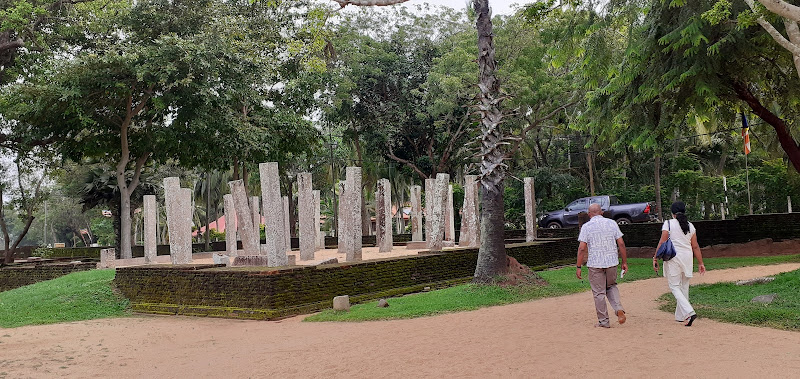
Anuradhapura Unesco Signage
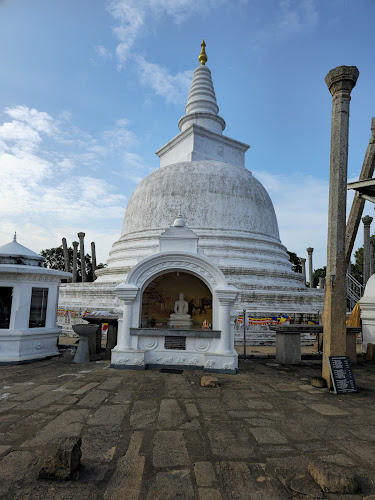
Thuparamaya
Perimiyankulama New Bridge
Find Accommodations Nearby
Recommended Tours & Activities
Visitor Reviews
There are no reviews yet. Be the first one to write one.
Share Your Experience
Have you visited Isurumuniya Temple? Help other travelers by leaving a review.