
Sri Maha Bodhi
About Sri Maha Bodhi
Description
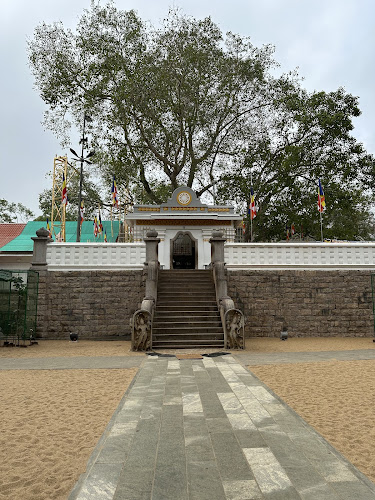
If you’re the sort of traveler who finds meaning in ancient roots—literally, in this case—the Sri Maha Bodhi is probably going to sweep you off your feet, or at least tug at your curiosity. Just picture this: a living fig tree that’s been lovingly guarded for over two thousand years by monks, pilgrims, and an entire island nation. Some folks claim it to be the oldest historically documented tree in the world, which is wild enough already. (Can you even wrap your head around that? It’s seen kingdoms rise and fall. Empires crumble to dust!) Legend goes that this isn’t just any tree—it’s supposed to be a sapling from the very Bodhi tree in Bodh Gaya, under which the Buddha attained enlightenment. Pilgrims keep coming, generation after generation. But even if you’re not super spiritual, the vibe here really does get under your skin—it’s serene, timeless, and downright majestic at sunset when the gold-tipped dagobas throw long shadows across the grounds.
Now, don’t come in expecting Disneyland. This is an honest-to-goodness religious site, with a gentle swirl of saffron-robed monks, chanting, the scent of frangipani blossoms, and families straightening their best white sarongs as they approach the tree. Sometimes kids scamper about, and you might see folks simply sitting cross-legged, lost in prayer or reflection. There’s humility and grandeur mingling side by side. But of course, since it draws thousands upon thousands of visitors, it can get a bit bustling, especially on poya (full moon) days. I remember once chatting with an elderly man who’d walked for three days on pilgrimage—his sheer dedication just floored me. There’s something truly humbling about standing beneath those broad leaves knowing the faith and love poured into their preservation.
Of course, not everything is perfect—there are rules, busy crowds, and the occasional overzealous security guards who will remind you about taking off shoes or minding photography restrictions. Accessibility, on the plus side, is pretty solid: entrances and parking cater to wheelchairs reasonably well, comparatively speaking, for such an ancient site. The stone paths are wide, and while there are a few uneven spots, most folks manage just fine with a bit of care.
Key Features
- Sacred Bodhi Tree: Said to be a descendant of the very tree under which Siddhartha Gautama (the Buddha) reached enlightenment. Monks have kept it alive for more than 2,300 years. Imagine the stories if those leaves could talk.
- Religious Pilgrimage Site: Tens of thousands of devotees stream in each year, performing rituals and offering lotus flowers, incense, and oil lamps. The human tapestry is as captivating as the site itself.
- Cultural Heritage: This isn’t just a tree, it’s woven into the very soul of Sri Lankan identity. You’ll spot ancient ruins, carved stone railings, and timelines etched in every weathered stone.
- Stunning Architecture: Surrounded by age-old monasteries, ceremonial gateways, and dagobas. The white walls contrast dramatically with the deep greens of the tree canopy.
- Peaceful Atmosphere: Even during busy hours, there are pockets of total quiet—perfect for reflection or, if you’re like me, just soaking in the magic and watching the world gently go by.
- Offerings and Ceremonies: There’s a daily rhythm of offerings—bring a lotus or some jasmine blooms if you feel moved to join in. Watching the priests at dusk feels almost otherworldly.
- Accessibility: Wheelchair-friendly entrances and parking make it possible for differently abled visitors to move about with relative ease.
- Photography: You can snap photos of the surroundings, but there are respectful limits around sacred rituals—something to keep in mind.
- Local Guides: Plenty of knowledgeable local guides (sometimes self-styled, sometimes licensed) are hovering nearby, offering stories and context you won't find in any guidebook.
Best Time to Visit
Let’s get practical. Sri Maha Bodhi is open year-round, but not all days are created equal. If you loathe elbowing through crowds, steer clear of poya days and major Buddhist holidays—unless you’re actively seeking the bustling festival vibe. On those days, the grounds bloom with color, chanting, and devotion, but things get packed enough to make a New York subway look spacious. If you like contemplative moments and the luxury of wandering, aim for a weekday, preferably early in the morning just after the gates open. The birdsong and cool air make everything feel doubly magical, honestly.
Temperatures in Anuradhapura hover between 25ºC and 32ºC most of the year, but the dry season—from May to September—tends to be sunniest. The mango and jackfruit trees all around are at their best then, and you’ll avoid the rain-soaked mud patches that can appear during monsoon months. I once found myself here on a rainy afternoon in June and still loved it, but my sandals didn’t thanks to the sticky paths and puddles. So, if you hate soggy feet, dry season is your friend.
If you’re a photographer, dusk is fantastic—those golden rays through the Bodhi leaves are magic, and camera-wielding monks can be surprisingly friendly if you approach them respectfully.
How to Get There
Getting yourself to Sri Maha Bodhi is easier than you might expect, especially considering its ancient allure. Anuradhapura itself is a bit of a magnet for history buffs, so it’s well-connected. If you’re coming from Colombo, hop on a train or bus—the train ride winds through lush paddy fields and sleepy towns, and it’s an experience in itself (I’ve fallen asleep more than once, only to wake up with the landscape changed completely). Once in Anuradhapura, three-wheelers (tuk-tuks) are everywhere, and most drivers know the pilgrimage spots inside out. Just say “Bodhiya” and you’ll probably get a knowing nod and a fair fare.
Travelers who prefer their own wheels will find ample parking near the main entrance; it’s designed to account for both locals and those with limited mobility. If you use a wheelchair or have a hard time with uneven terrain, let your driver know—they can drop you right by the accessible gate, which is a small mercy on sunny days. There’s even designated parking close by, so you won’t be hiking in from miles out.
If you book a local guide or tour, they usually coordinate all logistics for you, but it’s honestly just as rewarding to show up with your own sense of wonder and see where the day takes you. There are clear signboards in English and Sinhala, so you won’t get hopelessly lost, and locals are genuinely quick to help if you look unsure (I once had a nun helpfully show me the best spot for sunset shots—totally made my day!).
Tips for Visiting
Right, let’s get down to the nitty-gritty. Before heading out, here are a few things I wish someone had told me my first time:
- Dress wisely. You’ll need to cover shoulders and knees as a sign of respect. White is customary for devotees but not mandatory for tourists. Still, it feels right, and it reflects the heat admirably too. I once wore jeans and nearly regretted it by midday!
- Shoes off. At the entrance, shoes must come off, even if those stones are sizzling. Bring a bag to carry your footwear, or leave them at designated racks—with a bit of good luck, they’ll still be there on your way out.
- Hydration is key. It gets HOT and humid, even in the shade, so tote some water and a sunhat. I can’t count the number of pink-tinged tourists I’ve seen wilting under the afternoon glare.
- Mind your cameras. Photos are generally fine, but please—no selfies right up against the tree itself, and definitely no climbing onto railings or roots. You wouldn’t believe some of the antics locals (and the odd tourist) have tried for a dramatic snap. Just, no.
- Respect the rituals. You’ll see folks lighting oil lamps, offering flowers, and circling the tree clockwise (not counterclockwise!). If you want to participate, buy some blooms from the market outside—support a local vendor while you’re at it.
- Local guides. These folks can really enrich your visit, but set a price before you start. Some truly know their stuff and are full of unexpected tales about hidden carvings, rare birds nesting nearby, or how the tree survived a centuries-old drought. Don’t be shy about asking questions!
- Plan for time. Give yourself at least two hours—longer if you want to just sit, breathe, and watch. The magic here rewards a slow pace, not a box-ticking rush.
- Accessibility.</
Key Features
- Key Features
- Best Time to Visit
- How to Get There
- Tips for Visiting
More Details
Updated June 9, 2025
Table of Contents
Description
If you’re the sort of traveler who finds meaning in ancient roots—literally, in this case—the Sri Maha Bodhi is probably going to sweep you off your feet, or at least tug at your curiosity. Just picture this: a living fig tree that’s been lovingly guarded for over two thousand years by monks, pilgrims, and an entire island nation. Some folks claim it to be the oldest historically documented tree in the world, which is wild enough already. (Can you even wrap your head around that? It’s seen kingdoms rise and fall. Empires crumble to dust!) Legend goes that this isn’t just any tree—it’s supposed to be a sapling from the very Bodhi tree in Bodh Gaya, under which the Buddha attained enlightenment. Pilgrims keep coming, generation after generation. But even if you’re not super spiritual, the vibe here really does get under your skin—it’s serene, timeless, and downright majestic at sunset when the gold-tipped dagobas throw long shadows across the grounds.
Now, don’t come in expecting Disneyland. This is an honest-to-goodness religious site, with a gentle swirl of saffron-robed monks, chanting, the scent of frangipani blossoms, and families straightening their best white sarongs as they approach the tree. Sometimes kids scamper about, and you might see folks simply sitting cross-legged, lost in prayer or reflection. There’s humility and grandeur mingling side by side. But of course, since it draws thousands upon thousands of visitors, it can get a bit bustling, especially on poya (full moon) days. I remember once chatting with an elderly man who’d walked for three days on pilgrimage—his sheer dedication just floored me. There’s something truly humbling about standing beneath those broad leaves knowing the faith and love poured into their preservation.
Of course, not everything is perfect—there are rules, busy crowds, and the occasional overzealous security guards who will remind you about taking off shoes or minding photography restrictions. Accessibility, on the plus side, is pretty solid: entrances and parking cater to wheelchairs reasonably well, comparatively speaking, for such an ancient site. The stone paths are wide, and while there are a few uneven spots, most folks manage just fine with a bit of care.
Key Features
- Sacred Bodhi Tree: Said to be a descendant of the very tree under which Siddhartha Gautama (the Buddha) reached enlightenment. Monks have kept it alive for more than 2,300 years. Imagine the stories if those leaves could talk.
- Religious Pilgrimage Site: Tens of thousands of devotees stream in each year, performing rituals and offering lotus flowers, incense, and oil lamps. The human tapestry is as captivating as the site itself.
- Cultural Heritage: This isn’t just a tree, it’s woven into the very soul of Sri Lankan identity. You’ll spot ancient ruins, carved stone railings, and timelines etched in every weathered stone.
- Stunning Architecture: Surrounded by age-old monasteries, ceremonial gateways, and dagobas. The white walls contrast dramatically with the deep greens of the tree canopy.
- Peaceful Atmosphere: Even during busy hours, there are pockets of total quiet—perfect for reflection or, if you’re like me, just soaking in the magic and watching the world gently go by.
- Offerings and Ceremonies: There’s a daily rhythm of offerings—bring a lotus or some jasmine blooms if you feel moved to join in. Watching the priests at dusk feels almost otherworldly.
- Accessibility: Wheelchair-friendly entrances and parking make it possible for differently abled visitors to move about with relative ease.
- Photography: You can snap photos of the surroundings, but there are respectful limits around sacred rituals—something to keep in mind.
- Local Guides: Plenty of knowledgeable local guides (sometimes self-styled, sometimes licensed) are hovering nearby, offering stories and context you won’t find in any guidebook.
Best Time to Visit
Let’s get practical. Sri Maha Bodhi is open year-round, but not all days are created equal. If you loathe elbowing through crowds, steer clear of poya days and major Buddhist holidays—unless you’re actively seeking the bustling festival vibe. On those days, the grounds bloom with color, chanting, and devotion, but things get packed enough to make a New York subway look spacious. If you like contemplative moments and the luxury of wandering, aim for a weekday, preferably early in the morning just after the gates open. The birdsong and cool air make everything feel doubly magical, honestly.
Temperatures in Anuradhapura hover between 25ºC and 32ºC most of the year, but the dry season—from May to September—tends to be sunniest. The mango and jackfruit trees all around are at their best then, and you’ll avoid the rain-soaked mud patches that can appear during monsoon months. I once found myself here on a rainy afternoon in June and still loved it, but my sandals didn’t thanks to the sticky paths and puddles. So, if you hate soggy feet, dry season is your friend.
If you’re a photographer, dusk is fantastic—those golden rays through the Bodhi leaves are magic, and camera-wielding monks can be surprisingly friendly if you approach them respectfully.
How to Get There
Getting yourself to Sri Maha Bodhi is easier than you might expect, especially considering its ancient allure. Anuradhapura itself is a bit of a magnet for history buffs, so it’s well-connected. If you’re coming from Colombo, hop on a train or bus—the train ride winds through lush paddy fields and sleepy towns, and it’s an experience in itself (I’ve fallen asleep more than once, only to wake up with the landscape changed completely). Once in Anuradhapura, three-wheelers (tuk-tuks) are everywhere, and most drivers know the pilgrimage spots inside out. Just say “Bodhiya” and you’ll probably get a knowing nod and a fair fare.
Travelers who prefer their own wheels will find ample parking near the main entrance; it’s designed to account for both locals and those with limited mobility. If you use a wheelchair or have a hard time with uneven terrain, let your driver know—they can drop you right by the accessible gate, which is a small mercy on sunny days. There’s even designated parking close by, so you won’t be hiking in from miles out.
If you book a local guide or tour, they usually coordinate all logistics for you, but it’s honestly just as rewarding to show up with your own sense of wonder and see where the day takes you. There are clear signboards in English and Sinhala, so you won’t get hopelessly lost, and locals are genuinely quick to help if you look unsure (I once had a nun helpfully show me the best spot for sunset shots—totally made my day!).
Tips for Visiting
Right, let’s get down to the nitty-gritty. Before heading out, here are a few things I wish someone had told me my first time:
- Dress wisely. You’ll need to cover shoulders and knees as a sign of respect. White is customary for devotees but not mandatory for tourists. Still, it feels right, and it reflects the heat admirably too. I once wore jeans and nearly regretted it by midday!
- Shoes off. At the entrance, shoes must come off, even if those stones are sizzling. Bring a bag to carry your footwear, or leave them at designated racks—with a bit of good luck, they’ll still be there on your way out.
- Hydration is key. It gets HOT and humid, even in the shade, so tote some water and a sunhat. I can’t count the number of pink-tinged tourists I’ve seen wilting under the afternoon glare.
- Mind your cameras. Photos are generally fine, but please—no selfies right up against the tree itself, and definitely no climbing onto railings or roots. You wouldn’t believe some of the antics locals (and the odd tourist) have tried for a dramatic snap. Just, no.
- Respect the rituals. You’ll see folks lighting oil lamps, offering flowers, and circling the tree clockwise (not counterclockwise!). If you want to participate, buy some blooms from the market outside—support a local vendor while you’re at it.
- Local guides. These folks can really enrich your visit, but set a price before you start. Some truly know their stuff and are full of unexpected tales about hidden carvings, rare birds nesting nearby, or how the tree survived a centuries-old drought. Don’t be shy about asking questions!
- Plan for time. Give yourself at least two hours—longer if you want to just sit, breathe, and watch. The magic here rewards a slow pace, not a box-ticking rush.
- Accessibility.
Key Highlights
- Key Features
- Best Time to Visit
- How to Get There
- Tips for Visiting
Location
Places to Stay Near Sri Maha Bodhi
Find and Book a Tour
Explore More Travel Guides
No reviews found! Be the first to review!
Traveler Reviews for Sri Maha Bodhi
There are no reviews yet. Be the first one to write one.
Have you visited Sri Maha Bodhi? Help other travelers by sharing your review.
You Might Also Like
Ranmasu Uyana (Royal Park)
Dancing strip
Folk Museum
Find Accommodations Nearby
Recommended Tours & Activities
Visitor Reviews
There are no reviews yet. Be the first one to write one.
Share Your Experience
Have you visited Sri Maha Bodhi? Help other travelers by leaving a review.