
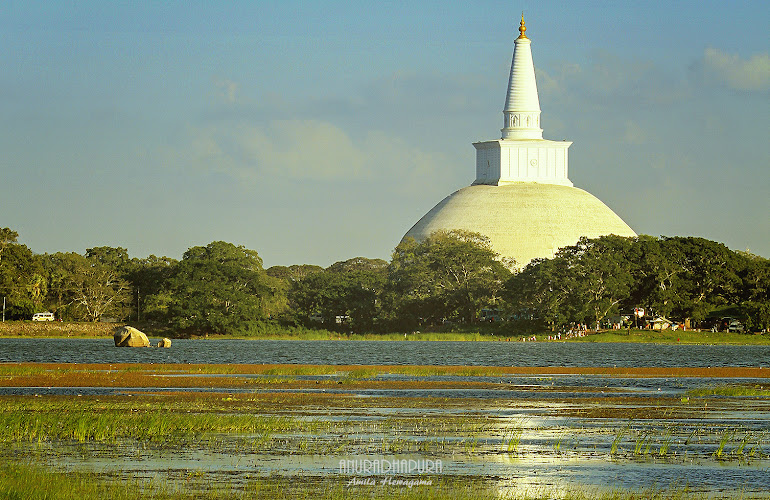
Basawakkulama Tank
About Basawakkulama Tank
Description
It’s easy to get swept up by the layers of ancient history that coil around Anuradhapura, but the Basawakkulama Tank deserves its own moment in your Sri Lankan adventure. Honest truth? It’s one of those places that sneaks up on you—the kind that doesn’t shout for attention, yet quietly becomes one of the things you remember years later. Officially built during King Pandukabhaya’s reign more than 2,300 years ago (imagine that—ancient even by ancient standards!), this tank isn’t just a man-made reservoir. It’s a living story, constantly evolving, sacred to locals and fascinating for visitors who like to go beyond the obvious tourist checklist.
If you’re picturing a massive, blue expanse ringed with lush greenery, spot on. But there’s more. Locally called “Abhaya Wewa”, the tank greets you with an almost mysterious calm. Early mornings or late afternoons, you might see fishermen wading or the occasional water buffalo standing like statues in the shallows. Birdsong—sometimes raucous, sometimes so airy you’re not sure if you imagined it—fills the air. For those who chase moments of stillness on their travels (I’ve done a bit of that myself), this is the kind of spot to watch time slow down.
There’s a long-standing legend locals will share if you ask—the story goes that the king who built it actually dug it as the city’s lifeblood, making sure Anuradhapura could thrive in the dry season. And, fun fact: this tank is considered the oldest surviving reservoir in Sri Lanka. If you’re a lover of engineering marvels, eco-history, or you just want a place to catch your breath between the more crowded ruins, Basawakkulama is a slice of the real thing.
To be fair, it isn’t flawless. There are days the tank feels a bit worn at the edges; the heat can sharpen the reflections off the water, and sometimes there’s a hint of algae along the banks. But I always think those tiny blemishes are proof of the tank’s honest, ongoing life. Much more real than the polished stuff you see in brochures.
You’ll likely bump into locals and families lingering under the ancient ruins close by. Don’t be surprised if someone offers you a quick chat or a story—it’s just how people are here.
Key Features
- Historical Significance: Dating back to the 4th century BCE, Basawakkulama Tank holds the distinction of being the earliest large-scale reservoir in Sri Lanka—think of it as the “grandparent” of the country’s legendary waterworks.
- Tranquil Atmosphere: It’s not overwhelmingly touristic, so expect to find pockets of pure calm and, sometimes, complete solitude (yes, even at midday!).
- Wildlife Watching: The tank is a soft spot for bird lovers—expect to see storks, herons, and even the occasional peacock strutting nearby. If you’re lucky, you’ll catch cheeky monkeys darting around the giant trees, too.
- Perfect Picnic Spots: Shady patches beneath ancient trees practically beg for you to throw down a sarong and indulge in some fresh fruit from the nearby markets. I always bring mangoes for that reason—bugs not included.
- Local Life: Watch as fishermen throw their nets and women wash clothes along the margin. It’s raw, it’s honest, and it’s a great chance to see what “everyday” really means here.
- Sunset Views: The west bank of the tank serves up reflections so cinematic you won’t need a filter. I’m not exaggerating—bring your camera.
- Close to Other Landmarks: The tank sits conveniently near many famous ruins and temples within Anuradhapura, so you can easily add it to a half-day circuit.
- Ancient Engineering: If you enjoy geeking out on how people solved big problems ages ago, you’ll appreciate the stone sluices and spillways still visible near the tank’s edges.
Best Time to Visit
So, let’s talk logistics: Sri Lanka can be outrageously sunny, and Anuradhapura is no exception. To enjoy Basawakkulama Tank at its absolute prime—go between June and September when monsoon rains have faded but the greenery still looks lush. Early mornings are magical; seriously, the air is fresher, locals are friendlier, and you might even spot a mist hovering above the water. If you’re a late riser (no shame—I am, too on vacation!), late afternoon is another sweet spot. The light softens, the heat chills out, and the sunset puts on a show that feels like a giant exhale at the end of the day.
If you ask me, skip the peak midday heat—it’s brutal, and you’ll spend more time hunting for shade than enjoying the view. The tank holds its charm year-round, but March to May can be sweltering and a little less picturesque, especially if water levels dip. December and January are also pleasant (with a cool breeze thrown in), but the holidays can bring a bit more foot traffic.
How to Get There
Getting to Basawakkulama Tank is part of the fun—unless you get lost, in which case, you’ll get a story to tell (been there!). If you’re already in Anuradhapura—which, let’s face it, most travelers to this region are—your best bet is a short tuk-tuk ride from the main city area. That bumpy, breezy tuk-tuk ride will have you grinning or gripping the seat, depending on your comfort with Sri Lankan driving. For those who prefer some exercise, rent a bicycle for an easy 10 to 15-minute ride along tree-lined lanes buzzing with local life. Walking is doable too, if you’re up for a stroll and not in a rush.
The tank’s location is quite central, just a hop and a skip from many major attractions in Anuradhapura. You’ll likely pass historic monasteries, shrines, and more than a few cheeky monkeys (watch out for your snacks). Fancy using public transport? The city’s main bus terminal connects easily to this area, but you’ll need to walk a bit or catch a tuk-tuk from there. If you’re driving, there’s usually space to park—but don’t expect fancy parking lots. Just pull up under some trees, and you’re golden.
Tips for Visiting
- Dress Practical: Looser, breathable clothes are your best bet. The sun is serious, and shade is precious. Bring a hat—and maybe even an umbrella if you’re fancy or want some extra sun defense.
- Bring Water & Snacks: There aren’t many shops right on the tank’s edge, so stock up before you arrive. I recommend coconut water—hydrating, delicious, and sold everywhere.
- Respect the Space: This isn’t just a tourist stop; it’s a spiritual place for locals. Take a minute to soak in the peace and, if possible, keep your voice low. No one likes a rowdy visitor near their morning prayer spot.
- Ask Locals for Stories: The best tales come from people who live here. A little curiosity opens up a world of legends, anecdotes, and maybe even directions to hidden temples nearby (seriously, it’s how I found some of my favorite places).
- Watch Your Step: Paths can get slippery, especially after rain. Wear decent shoes, unless you want an up-close meeting with some local mud (it’s happened; I still have the shoes).
- Respect Wildlife: Don’t feed the birds or monkeys. They’re cute, yes, but trust me—they remember tourists with snacks, and you will be followed.
- Bring a Camera: Photos here aren’t just “pretty”—they genuinely capture the sense of timelessness and culture. Just ask first before taking close-ups of strangers doing their thing around the tank.
- Combine Your Visit: Planning to stroll through the ancient ruins? Schedule Basawakkulama Tank as your relaxation break. It’s the perfect palate cleanser before more exploring.
- Check Water Levels: Each season changes the tank’s look. If you’re keen on photography or birdwatching, try to visit when there’s plenty of water—the wildlife and reflections really come alive then.
- Pack Out Trash: Help keep the tank as lovely as you found it. Bins can be scarce, so it’s a good idea to take a bag for your rubbish.
Basawakkulama Tank, in my opinion, isn’t just about the water or the scenery. It’s about connecting with a part of Sri Lanka that’s quietly, steadfastly kept life flowing for centuries. You’ll leave refreshed—and with
Key Features
- Key Features
- Best Time to Visit
- How to Get There
- Tips for Visiting
More Details
Updated June 9, 2025
Table of Contents
Description
It’s easy to get swept up by the layers of ancient history that coil around Anuradhapura, but the Basawakkulama Tank deserves its own moment in your Sri Lankan adventure. Honest truth? It’s one of those places that sneaks up on you—the kind that doesn’t shout for attention, yet quietly becomes one of the things you remember years later. Officially built during King Pandukabhaya’s reign more than 2,300 years ago (imagine that—ancient even by ancient standards!), this tank isn’t just a man-made reservoir. It’s a living story, constantly evolving, sacred to locals and fascinating for visitors who like to go beyond the obvious tourist checklist.
If you’re picturing a massive, blue expanse ringed with lush greenery, spot on. But there’s more. Locally called “Abhaya Wewa”, the tank greets you with an almost mysterious calm. Early mornings or late afternoons, you might see fishermen wading or the occasional water buffalo standing like statues in the shallows. Birdsong—sometimes raucous, sometimes so airy you’re not sure if you imagined it—fills the air. For those who chase moments of stillness on their travels (I’ve done a bit of that myself), this is the kind of spot to watch time slow down.
There’s a long-standing legend locals will share if you ask—the story goes that the king who built it actually dug it as the city’s lifeblood, making sure Anuradhapura could thrive in the dry season. And, fun fact: this tank is considered the oldest surviving reservoir in Sri Lanka. If you’re a lover of engineering marvels, eco-history, or you just want a place to catch your breath between the more crowded ruins, Basawakkulama is a slice of the real thing.
To be fair, it isn’t flawless. There are days the tank feels a bit worn at the edges; the heat can sharpen the reflections off the water, and sometimes there’s a hint of algae along the banks. But I always think those tiny blemishes are proof of the tank’s honest, ongoing life. Much more real than the polished stuff you see in brochures.
You’ll likely bump into locals and families lingering under the ancient ruins close by. Don’t be surprised if someone offers you a quick chat or a story—it’s just how people are here.
Key Features
- Historical Significance: Dating back to the 4th century BCE, Basawakkulama Tank holds the distinction of being the earliest large-scale reservoir in Sri Lanka—think of it as the “grandparent” of the country’s legendary waterworks.
- Tranquil Atmosphere: It’s not overwhelmingly touristic, so expect to find pockets of pure calm and, sometimes, complete solitude (yes, even at midday!).
- Wildlife Watching: The tank is a soft spot for bird lovers—expect to see storks, herons, and even the occasional peacock strutting nearby. If you’re lucky, you’ll catch cheeky monkeys darting around the giant trees, too.
- Perfect Picnic Spots: Shady patches beneath ancient trees practically beg for you to throw down a sarong and indulge in some fresh fruit from the nearby markets. I always bring mangoes for that reason—bugs not included.
- Local Life: Watch as fishermen throw their nets and women wash clothes along the margin. It’s raw, it’s honest, and it’s a great chance to see what “everyday” really means here.
- Sunset Views: The west bank of the tank serves up reflections so cinematic you won’t need a filter. I’m not exaggerating—bring your camera.
- Close to Other Landmarks: The tank sits conveniently near many famous ruins and temples within Anuradhapura, so you can easily add it to a half-day circuit.
- Ancient Engineering: If you enjoy geeking out on how people solved big problems ages ago, you’ll appreciate the stone sluices and spillways still visible near the tank’s edges.
Best Time to Visit
So, let’s talk logistics: Sri Lanka can be outrageously sunny, and Anuradhapura is no exception. To enjoy Basawakkulama Tank at its absolute prime—go between June and September when monsoon rains have faded but the greenery still looks lush. Early mornings are magical; seriously, the air is fresher, locals are friendlier, and you might even spot a mist hovering above the water. If you’re a late riser (no shame—I am, too on vacation!), late afternoon is another sweet spot. The light softens, the heat chills out, and the sunset puts on a show that feels like a giant exhale at the end of the day.
If you ask me, skip the peak midday heat—it’s brutal, and you’ll spend more time hunting for shade than enjoying the view. The tank holds its charm year-round, but March to May can be sweltering and a little less picturesque, especially if water levels dip. December and January are also pleasant (with a cool breeze thrown in), but the holidays can bring a bit more foot traffic.
How to Get There
Getting to Basawakkulama Tank is part of the fun—unless you get lost, in which case, you’ll get a story to tell (been there!). If you’re already in Anuradhapura—which, let’s face it, most travelers to this region are—your best bet is a short tuk-tuk ride from the main city area. That bumpy, breezy tuk-tuk ride will have you grinning or gripping the seat, depending on your comfort with Sri Lankan driving. For those who prefer some exercise, rent a bicycle for an easy 10 to 15-minute ride along tree-lined lanes buzzing with local life. Walking is doable too, if you’re up for a stroll and not in a rush.
The tank’s location is quite central, just a hop and a skip from many major attractions in Anuradhapura. You’ll likely pass historic monasteries, shrines, and more than a few cheeky monkeys (watch out for your snacks). Fancy using public transport? The city’s main bus terminal connects easily to this area, but you’ll need to walk a bit or catch a tuk-tuk from there. If you’re driving, there’s usually space to park—but don’t expect fancy parking lots. Just pull up under some trees, and you’re golden.
Tips for Visiting
- Dress Practical: Looser, breathable clothes are your best bet. The sun is serious, and shade is precious. Bring a hat—and maybe even an umbrella if you’re fancy or want some extra sun defense.
- Bring Water & Snacks: There aren’t many shops right on the tank’s edge, so stock up before you arrive. I recommend coconut water—hydrating, delicious, and sold everywhere.
- Respect the Space: This isn’t just a tourist stop; it’s a spiritual place for locals. Take a minute to soak in the peace and, if possible, keep your voice low. No one likes a rowdy visitor near their morning prayer spot.
- Ask Locals for Stories: The best tales come from people who live here. A little curiosity opens up a world of legends, anecdotes, and maybe even directions to hidden temples nearby (seriously, it’s how I found some of my favorite places).
- Watch Your Step: Paths can get slippery, especially after rain. Wear decent shoes, unless you want an up-close meeting with some local mud (it’s happened; I still have the shoes).
- Respect Wildlife: Don’t feed the birds or monkeys. They’re cute, yes, but trust me—they remember tourists with snacks, and you will be followed.
- Bring a Camera: Photos here aren’t just “pretty”—they genuinely capture the sense of timelessness and culture. Just ask first before taking close-ups of strangers doing their thing around the tank.
- Combine Your Visit: Planning to stroll through the ancient ruins? Schedule Basawakkulama Tank as your relaxation break. It’s the perfect palate cleanser before more exploring.
- Check Water Levels: Each season changes the tank’s look. If you’re keen on photography or birdwatching, try to visit when there’s plenty of water—the wildlife and reflections really come alive then.
- Pack Out Trash: Help keep the tank as lovely as you found it. Bins can be scarce, so it’s a good idea to take a bag for your rubbish.
Basawakkulama Tank, in my opinion, isn’t just about the water or the scenery. It’s about connecting with a part of Sri Lanka that’s quietly, steadfastly kept life flowing for centuries. You’ll leave refreshed—and with
Key Highlights
- Key Features
- Best Time to Visit
- How to Get There
- Tips for Visiting
Location
Places to Stay Near Basawakkulama Tank
Find and Book a Tour
Explore More Travel Guides
No reviews found! Be the first to review!
Traveler Reviews for Basawakkulama Tank
There are no reviews yet. Be the first one to write one.
Have you visited Basawakkulama Tank? Help other travelers by sharing your review.
You Might Also Like
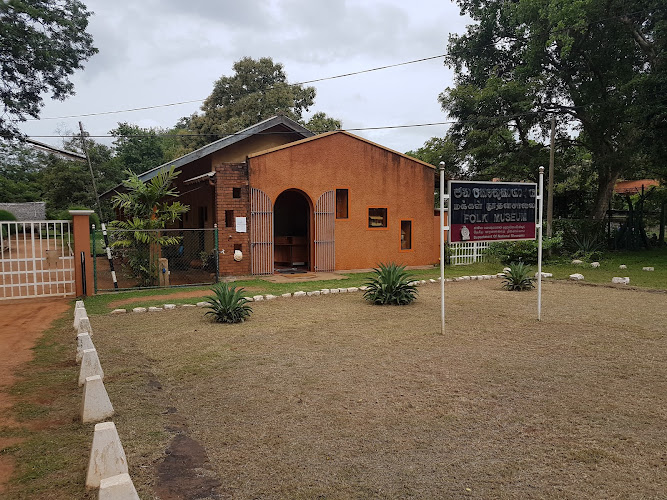
Folk Museum
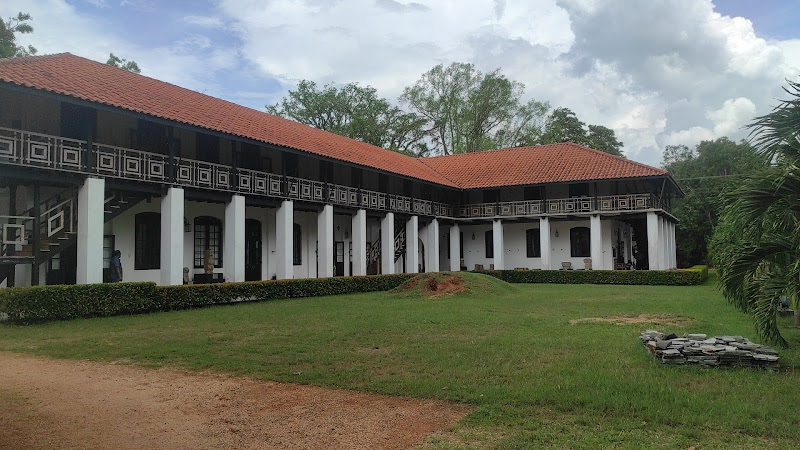
Archaeological Museum, Anuradhapura

Mahavihara Oriental Library මහාවිහාර පෙරදිග පුස්තකාලය
Find Accommodations Nearby
Recommended Tours & Activities
Visitor Reviews
There are no reviews yet. Be the first one to write one.
Share Your Experience
Have you visited Basawakkulama Tank? Help other travelers by leaving a review.