

Mahavihara Oriental Library මහාවිහාර පෙරදිග පුස්තකාලය
About Mahavihara Oriental Library මහාවිහාර පෙරදිග පුස්තකාලය
Description
Let me take you through a place that, to be honest, surprised me the first time I laid eyes on it. The Mahavihara Oriental Library (මහාවිහාර පෙරදිග පුස්තකාලය) is not your run-of-the-mill tourist stop—it's a living slice of history sitting right in the ancient city of Anuradhapura. It has the kind of gravitas that makes you instinctively lower your voice as soon as you step in, even if you have no idea how to decipher an old Pali manuscript.
What sets this library apart is its role as a guardian of centuries-old Buddhist texts and palm-leaf manuscripts. If you ask me, that alone makes it precious. Some of these artifacts are so delicate, you get a bit nervous standing near them… like if you breathe too hard, you’ll send millennia of wisdom fluttering away. But honestly, that’s the thrill, isn’t it? You’re tiptoeing through time.
For book-lovers (or anyone with a passing interest in history, honestly), the library has a gentle charm. The staff members—usually friendly, sometimes a bit reserved—seem genuinely passionate about their work. You might even catch one or two grinning as they help a young student find the right book. Technically, this place is good for kids, but I’d say it’s a win for teens who are curious, too. I watched a group of schoolchildren once, practically bouncing with excitement as they peeked at some ornate covers. It’ll probably go over the head of toddlers, but you know your youngsters best.
Now, a small note: while most people leave with a sense of awe, I’ll admit a couple folks don’t get what the fuss is about. Maybe they were expecting a splashier experience or more English signage. Honestly, if your sole aim is Insta-worthy snaps, there are flashier stops elsewhere. But if you enjoy discovering places that whisper (okay, sometimes practically yell) stories from centuries ago, the Mahavihara Oriental Library will give you plenty to talk about after you leave.
Key Features
- Home to a rare, fascinating collection of palm-leaf manuscripts and ancient Buddhist texts (many you’d struggle to find anywhere else in Sri Lanka).
- Offers a quiet reading environment—ideal for history buffs, researchers, and students looking to soak up centuries of scholarship.
- Staff members are knowledgeable and helpful, especially if you’re curious to learn about specific texts or Buddhist history.
- Exhibits include intricately-bound books and rare handwritten documents—eye-candy for book lovers and culture fans alike.
- Welcomes children and caters to school trips; educational for little explorers interested in Sri Lanka’s cultural roots.
- Pleasant, contemplative atmosphere (if you’re the type who sometimes wishes museums were a touch quieter, you’ll love it here).
- Conveniently located close to other major sites in Anuradhapura, so it slots perfectly into your sightseeing circuit.
- Photographers with an eye for rustic details and antique architecture will find plenty to capture.
Best Time to Visit
Here’s my two cents—go in the morning. Anuradhapura can get mighty hot in the afternoons, and nothing saps your enthusiasm for ancient scripts like sweat trickling down your forehead. Early to mid-morning means cooler temperatures, softened sunlight filtering through old windows, and fewer crowds. Plus, you’ll have more space (and peace of mind) to actually enjoy the exhibits.
If you’re visiting during Sri Lanka’s dry season (May to September), you’ve picked the jackpot. The roads are less muddy, the air is less sticky, and frankly, you’ll appreciate wandering through Anuradhapura without clutching an umbrella. Weekdays are best. Weekends tend to bring in local families and school groups—lovely to see, but if solitude is your jam, best to dodge peak times.
Just don’t cut it too close to closing time, especially if you’re a slow browser (I suffer from chronic “just-one-more-room” syndrome myself). You’ll want at least an hour to poke around. I personally think there’s a certain magic to lingering when sunlight slants just right across a stack of palm-leaf manuscripts.
How to Get There
Getting to the Mahavihara Oriental Library isn’t exactly a wild goose chase, but hey, Anuradhapura can sprawl a bit. If you’re already in the city, the best bet is a tuk-tuk or a local taxi. They’re usually pretty affordable and, honestly, riding in a tuk-tuk with the wind in your hair is half the fun—unless you have hair that knots with the smallest breeze, in which case, pack a comb.
Coming over by train or long-distance bus? Once you reach Anuradhapura station, you’re just a short ride away. Most drivers know the main landmarks—if you mention the “Mahavihara Oriental Library” or “historic library near the old city,” you should get a knowing nod. (And if not, show them the Sinhala name—it helps!)
One personal tip: if you’re up for a bit of a walk (and it isn’t meltingly hot), the area surrounding the library is stunning for a leisurely stroll. You’ll pass ancient shrines, local fruit stalls, and maybe, if you’re lucky, a row of majestic monkeys reigning supreme atop temple walls. Not that I endorse monkey politics, but they’re great at looking important.
Tips for Visiting
Now, listen up—because this is where things get practical. You don’t want to arrive unprepared and leave with that “I wish I’d known…” feeling. Happens to all of us, right?
- Dress modestly and comfortably. This is a place of cultural significance, and although it’s not a temple, you’ll fit right in wearing clothes that cover your shoulders and knees. And lightweight cotton is your friend in Anuradhapura’s climate.
- Ask before taking photos. Some manuscripts are sensitive to light. Show respect for the environment and check with staff before snapping away—sometimes a polite ask will get you a special glimpse you weren’t expecting.
- Carry a water bottle. Hydration is key. You think you’ll only be inside for 20 minutes, but trust me, time melts away when you stumble into a “history rabbit hole.” Dehydration sneaks up faster than you think.
- Plan for about an hour at minimum. You don’t need to be a scholar to enjoy it, but you’ll appreciate giving yourself the chance to actually engage with a few stories behind these manuscripts.
- Talk to the staff. If you’re the shy type—just try to push through. I’ve gleaned the best stories from resident librarians who opened up once I showed genuine curiosity.
- Support the preservation efforts if you can. Sometimes there’s a donation box. Every bit helps keep these ancient texts alive for future generations.
- Pair your visit. Since it’s close to other heritage sites, tie it in with a temple visit or a stroll through Anuradhapura’s ancient city ruins. Makes for a truly immersive day.
Honestly, if you’re after the glittering side of travel, you may not “get” the Mahavihara Oriental Library. But if you’ve ever run your hand along a cracked book spine and wondered who first touched it, or if you get a grin reading about ancient scholars who probably also spilled ink everywhere, you’re in for a treat. There’s something humbling about places that have held quietly steady for a thousand years—and I always leave with a fresh appreciation for humanity’s quest to pass knowledge along.
One last thing: breathe it in. This isn’t the kind of stop that screams for your attention; instead, it rewards those who let the serenity and stories wash over them. If your travels bring you to Anuradhapura, make time for a pause here. It’s the hidden gems, in my experience, that leave the sharpest memories.
Key Features
- Home to a rare, fascinating collection of palm-leaf manuscripts and ancient Buddhist texts (many you’d struggle to find anywhere else in Sri Lanka).
- Offers a quiet reading environment—ideal for history buffs, researchers, and students looking to soak up centuries of scholarship.
- Staff members are knowledgeable and helpful, especially if you’re curious to learn about specific texts or Buddhist history.
- Exhibits include intricately-bound books and rare handwritten documents—eye-candy for book lovers and culture fans alike.
- Welcomes children and caters to school trips; educational for little explorers interested in Sri Lanka’s cultural roots.
- Pleasant, contemplative atmosphere (if you’re the type who sometimes wishes museums were a touch quieter, you’ll love it here).
- Conveniently located close to other major sites in Anuradhapura, so it slots perfectly into your sightseeing circuit.
- Photographers with an eye for rustic details and antique architecture will find plenty to capture.
More Details
Updated June 11, 2025
Table of Contents
- Description
- Key Features
- Best Time to Visit
- How to Get There
- Tips for Visiting
- Key Highlights
- Location
- Places to Stay Near Mahavihara Oriental Library මහාවිහාර පෙරදිග පුස්තකාලය
- Find and Book a Tour
- Explore More Travel Guides
- Nearby Places You Might Like
- Traveler Reviews for Mahavihara Oriental Library මහාවිහාර පෙරදිග පුස්තකාලය
- Share Your Experience
Description
Let me take you through a place that, to be honest, surprised me the first time I laid eyes on it. The Mahavihara Oriental Library (මහාවිහාර පෙරදිග පුස්තකාලය) is not your run-of-the-mill tourist stop—it’s a living slice of history sitting right in the ancient city of Anuradhapura. It has the kind of gravitas that makes you instinctively lower your voice as soon as you step in, even if you have no idea how to decipher an old Pali manuscript.
What sets this library apart is its role as a guardian of centuries-old Buddhist texts and palm-leaf manuscripts. If you ask me, that alone makes it precious. Some of these artifacts are so delicate, you get a bit nervous standing near them… like if you breathe too hard, you’ll send millennia of wisdom fluttering away. But honestly, that’s the thrill, isn’t it? You’re tiptoeing through time.
For book-lovers (or anyone with a passing interest in history, honestly), the library has a gentle charm. The staff members—usually friendly, sometimes a bit reserved—seem genuinely passionate about their work. You might even catch one or two grinning as they help a young student find the right book. Technically, this place is good for kids, but I’d say it’s a win for teens who are curious, too. I watched a group of schoolchildren once, practically bouncing with excitement as they peeked at some ornate covers. It’ll probably go over the head of toddlers, but you know your youngsters best.
Now, a small note: while most people leave with a sense of awe, I’ll admit a couple folks don’t get what the fuss is about. Maybe they were expecting a splashier experience or more English signage. Honestly, if your sole aim is Insta-worthy snaps, there are flashier stops elsewhere. But if you enjoy discovering places that whisper (okay, sometimes practically yell) stories from centuries ago, the Mahavihara Oriental Library will give you plenty to talk about after you leave.
Key Features
- Home to a rare, fascinating collection of palm-leaf manuscripts and ancient Buddhist texts (many you’d struggle to find anywhere else in Sri Lanka).
- Offers a quiet reading environment—ideal for history buffs, researchers, and students looking to soak up centuries of scholarship.
- Staff members are knowledgeable and helpful, especially if you’re curious to learn about specific texts or Buddhist history.
- Exhibits include intricately-bound books and rare handwritten documents—eye-candy for book lovers and culture fans alike.
- Welcomes children and caters to school trips; educational for little explorers interested in Sri Lanka’s cultural roots.
- Pleasant, contemplative atmosphere (if you’re the type who sometimes wishes museums were a touch quieter, you’ll love it here).
- Conveniently located close to other major sites in Anuradhapura, so it slots perfectly into your sightseeing circuit.
- Photographers with an eye for rustic details and antique architecture will find plenty to capture.
Best Time to Visit
Here’s my two cents—go in the morning. Anuradhapura can get mighty hot in the afternoons, and nothing saps your enthusiasm for ancient scripts like sweat trickling down your forehead. Early to mid-morning means cooler temperatures, softened sunlight filtering through old windows, and fewer crowds. Plus, you’ll have more space (and peace of mind) to actually enjoy the exhibits.
If you’re visiting during Sri Lanka’s dry season (May to September), you’ve picked the jackpot. The roads are less muddy, the air is less sticky, and frankly, you’ll appreciate wandering through Anuradhapura without clutching an umbrella. Weekdays are best. Weekends tend to bring in local families and school groups—lovely to see, but if solitude is your jam, best to dodge peak times.
Just don’t cut it too close to closing time, especially if you’re a slow browser (I suffer from chronic “just-one-more-room” syndrome myself). You’ll want at least an hour to poke around. I personally think there’s a certain magic to lingering when sunlight slants just right across a stack of palm-leaf manuscripts.
How to Get There
Getting to the Mahavihara Oriental Library isn’t exactly a wild goose chase, but hey, Anuradhapura can sprawl a bit. If you’re already in the city, the best bet is a tuk-tuk or a local taxi. They’re usually pretty affordable and, honestly, riding in a tuk-tuk with the wind in your hair is half the fun—unless you have hair that knots with the smallest breeze, in which case, pack a comb.
Coming over by train or long-distance bus? Once you reach Anuradhapura station, you’re just a short ride away. Most drivers know the main landmarks—if you mention the “Mahavihara Oriental Library” or “historic library near the old city,” you should get a knowing nod. (And if not, show them the Sinhala name—it helps!)
One personal tip: if you’re up for a bit of a walk (and it isn’t meltingly hot), the area surrounding the library is stunning for a leisurely stroll. You’ll pass ancient shrines, local fruit stalls, and maybe, if you’re lucky, a row of majestic monkeys reigning supreme atop temple walls. Not that I endorse monkey politics, but they’re great at looking important.
Tips for Visiting
Now, listen up—because this is where things get practical. You don’t want to arrive unprepared and leave with that “I wish I’d known…” feeling. Happens to all of us, right?
- Dress modestly and comfortably. This is a place of cultural significance, and although it’s not a temple, you’ll fit right in wearing clothes that cover your shoulders and knees. And lightweight cotton is your friend in Anuradhapura’s climate.
- Ask before taking photos. Some manuscripts are sensitive to light. Show respect for the environment and check with staff before snapping away—sometimes a polite ask will get you a special glimpse you weren’t expecting.
- Carry a water bottle. Hydration is key. You think you’ll only be inside for 20 minutes, but trust me, time melts away when you stumble into a “history rabbit hole.” Dehydration sneaks up faster than you think.
- Plan for about an hour at minimum. You don’t need to be a scholar to enjoy it, but you’ll appreciate giving yourself the chance to actually engage with a few stories behind these manuscripts.
- Talk to the staff. If you’re the shy type—just try to push through. I’ve gleaned the best stories from resident librarians who opened up once I showed genuine curiosity.
- Support the preservation efforts if you can. Sometimes there’s a donation box. Every bit helps keep these ancient texts alive for future generations.
- Pair your visit. Since it’s close to other heritage sites, tie it in with a temple visit or a stroll through Anuradhapura’s ancient city ruins. Makes for a truly immersive day.
Honestly, if you’re after the glittering side of travel, you may not “get” the Mahavihara Oriental Library. But if you’ve ever run your hand along a cracked book spine and wondered who first touched it, or if you get a grin reading about ancient scholars who probably also spilled ink everywhere, you’re in for a treat. There’s something humbling about places that have held quietly steady for a thousand years—and I always leave with a fresh appreciation for humanity’s quest to pass knowledge along.
One last thing: breathe it in. This isn’t the kind of stop that screams for your attention; instead, it rewards those who let the serenity and stories wash over them. If your travels bring you to Anuradhapura, make time for a pause here. It’s the hidden gems, in my experience, that leave the sharpest memories.
Key Highlights
- Home to a rare, fascinating collection of palm-leaf manuscripts and ancient Buddhist texts (many you’d struggle to find anywhere else in Sri Lanka).
- Offers a quiet reading environment—ideal for history buffs, researchers, and students looking to soak up centuries of scholarship.
- Staff members are knowledgeable and helpful, especially if you’re curious to learn about specific texts or Buddhist history.
- Exhibits include intricately-bound books and rare handwritten documents—eye-candy for book lovers and culture fans alike.
- Welcomes children and caters to school trips; educational for little explorers interested in Sri Lanka’s cultural roots.
- Pleasant, contemplative atmosphere (if you’re the type who sometimes wishes museums were a touch quieter, you’ll love it here).
- Conveniently located close to other major sites in Anuradhapura, so it slots perfectly into your sightseeing circuit.
- Photographers with an eye for rustic details and antique architecture will find plenty to capture.
Location
Places to Stay Near Mahavihara Oriental Library මහාවිහාර පෙරදිග පුස්තකාලය
Find and Book a Tour
Explore More Travel Guides
No reviews found! Be the first to review!
Traveler Reviews for Mahavihara Oriental Library මහාවිහාර පෙරදිග පුස්තකාලය
There are no reviews yet. Be the first one to write one.
Have you visited Mahavihara Oriental Library මහාවිහාර පෙරදිග පුස්තකාලය? Help other travelers by sharing your review.
You Might Also Like
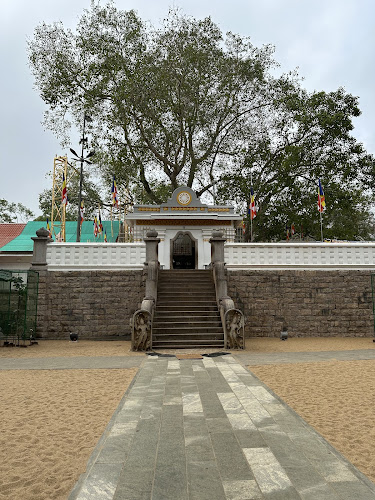
Sri Maha Bodhi
Perimiyankulama New Bridge
Yapane Handiya – යාපනේ හන්දිය
Find Accommodations Nearby
Recommended Tours & Activities
Visitor Reviews
There are no reviews yet. Be the first one to write one.
Share Your Experience
Have you visited Mahavihara Oriental Library මහාවිහාර පෙරදිග පුස්තකාලය? Help other travelers by leaving a review.