
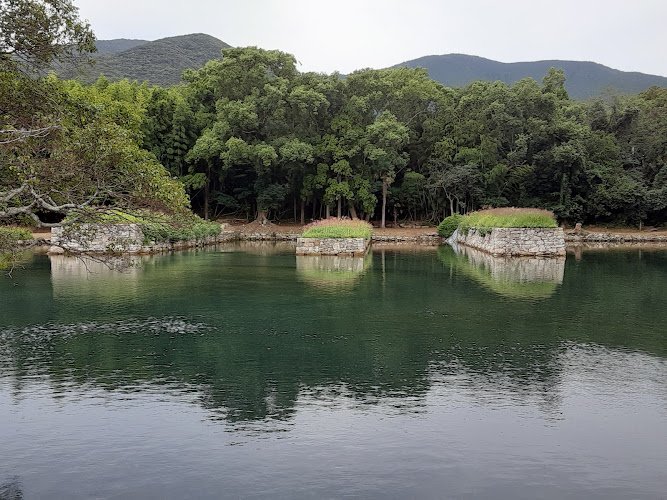
Ruins of Ofunae
About Ruins of Ofunae
Description
Out among the rugged landscapes and whispering forests of Tsushima Island, the Ruins of Ofunae linger like a quiet legend. You know, it’s one of those rare spots that doesn’t have the garish crowds or endless food trucks parked nearby—it just sits there, steeped in history, asking you to stand still for a second. Honestly, I’m not the type who gushes over piles of crumbled old stone, but Ofunae surprised even me. There's something in the mossy hush of the site that’s both calming and a wee bit haunting, like you’re tiptoeing through time.
Here’s the thing. Ofunae was once a critical port facility, back when Tsushima was a crossroads for ancient traders and envoys zipping between Japan and the Korean Peninsula. The stones you see now are all that’s left of a bustling epicenter—a place where Bune (old Japanese ships) were built and serviced, loaded with rice, silk, and secrets. You can almost picture the hubbub if you close your eyes: wooden ships creaking, porters yelling, the salty wind snapping at everyone’s sleeves.
Today, the spot is mainly an open field, scattered with ruins, interpretive signs, and an enduring sense that something important happened here even if you can’t touch it. That’s part of the charm. Don’t expect neon-lit dioramas or costumed samurai waiting to pose for selfies. Ofunae is subtle. It rewards visitors who linger, ponder, and let their curiosity get the better of them. Some folks might call it “just a pile of rocks,” but if you give yourself over to the atmosphere, you’ll come away with a story or two—and maybe muddy shoes for your trouble.
Key Features
- Authentic Ruins: These foundations, stone embankments, and traces of docks breathe tangible history—not reconstructed, but as they stood centuries ago. If you’re a lover of raw history that hasn’t been dolled up for tourists, welcome home.
- Interpretive Signs: While there's no gleaming visitor center, the signage is well-done (if a bit weathered, just like everything else) and helps bring the ancient harbor to life—even if you didn't ace your Japanese history class.
- Soothing Natural Surroundings: Thick woods and wild grasses crowd the site’s borders. Bring a picnic, and you could have the place nearly to yourself—just you, the wind, and whatever you’re willing to imagine.
- Quiet Atmosphere: No crowds, no endless tour groups. You can honestly hear your own thoughts. I found myself reflecting more than sightseeing, which maybe sounds odd, but it really stuck with me.
- Historical Relevance: As the staging point for key diplomatic missions between medieval Japan and ancient Korea, Ofunae’s role in shaping East Asian history is genuinely compelling.
- Limited Facilities: There’s parking, but not much else. Don’t come expecting coffee shops or souvenir stands—this site is all about history and, to be frank, solitude.
- Unique Photo Opportunities: The wild contrast of ancient stones and vibrant greenery makes for striking photos, especially if you have a keen eye for rustic landscapes.
Best Time to Visit
Let’s talk timing—because, believe me, it matters. Spring and autumn are your golden tickets here. In spring, the island pops with new life. Cool breezes and cherry blossoms (if you’re a bit lucky with your timing) add this sense of rebirth, and the walk feels extra refreshing. Come autumn, the trees throw on a coat of fiery reds and golds that make even the worn stone ruins feel alive. I wouldn’t bother in the dead of humid summer unless you’ve got a fondness for sweating buckets. Winter? It has its own rugged charm, sure, but it can get mighty chilly—bring a jacket thicker than old ship rope.
Mornings are tops if you ask me. You get the solo-explorer vibe, and the slanting sunlight makes the ruins almost glow. But if your schedule’s more relaxed, sunset’s no dud either. Just note there's not a lot of lighting after dark unless you count the moon.
How to Get There
So, how do you actually reach the Ruins of Ofunae? Not as tricky as some folks make it out to be, but it does require a little planning. If you’re starting from Izuhara—the main town on Tsushima—you’re in luck. It’s just a short drive by car, about 15 minutes or so. The roads wind, the trees brush your windows, and just as you’re wondering if you’ve taken a wrong turn, you’ll see a small sign and the gravel parking lot.
If you’re depending on public transit, well, good on you for being adventurous. There are local buses, but service isn’t frequent. If your Japanese isn’t fluent, prepare for a little pantomime and patience. I’ve met travelers who’ve biked or even walked out; it’s not crazy, just be sure to bring a map or a fully charged phone, and maybe tell someone where you’re going. Tsushima is wild country in parts.
Parking, mercifully, is free. But there are no attendants—just you and maybe a local crow, who seems to think he owns the place. I actually had a run-in with one once; he wasn’t impressed with my sandwich.
Tips for Visiting
Here’s where I spill the secrets, so you walk away feeling like a seasoned explorer, not just some lost tourist.
- Wear sturdy shoes: The ground is uneven and can get muddy, especially after rain. If you’re the sandals-and-socks type, you’ll regret it. Trust me.
- Check the forecast: Weather on Tsushima Island is notoriously changeable. I’ve stood here shivering in the drizzle and sweating under an unexpected sun, all in the space of an hour.
- Pack snacks and water: Remember, no restaurants or vending machines out here. I usually throw a thermos of tea and a rice ball in my bag, just in case the spirit of adventure shows up hungry.
- Mind the accessibility: This isn’t the most wheelchair-friendly spot, unfortunately. If mobility is a concern, proceed with caution—the old stonework has survived centuries, but it wasn’t exactly built for ramps.
- Don’t rush: Give yourself time. Walk slowly. Absorb the atmosphere. Sure, you could zip through in 15 minutes and tick it off the list, but you’d be missing the whole point.
- Take photos, but look up: It’s tempting to see everything through your phone’s lens. But if you stop, watch the clouds roll by, or listen for the distant sound of water, I guarantee something about Ofunae will stay with you longer than a snapshot ever could.
- Bring a curious mind: Some stories aren’t spelled out on placards. If something catches your eye, ask a local, or do a little homework afterwards. Sometimes the best travel memories come from following random threads.
Visiting the Ruins of Ofunae isn’t about box-ticking—it’s about wandering off the beaten path and finding a piece of Japan that feels untouched by the usual tourist gloss. It rewards those who ditch the schedule, take a deep breath, and let history whisper to them. So go on. Lose yourself a little. There’s more here than meets the eye, if you’re willing to look for it.
Key Features
- Quiet Atmosphere: No crowds, no endless tour groups. You can honestly hear your own thoughts. I found myself reflecting more than sightseeing, which maybe sounds odd, but it really stuck with me.
- Historical Relevance: As the staging point for key diplomatic missions between medieval Japan and ancient Korea, Ofunae’s role in shaping East Asian history is genuinely compelling.
- Limited Facilities: There’s parking, but not much else. Don’t come expecting coffee shops or souvenir stands—this site is all about history and, to be frank, solitude.
- Unique Photo Opportunities: The wild contrast of ancient stones and vibrant greenery makes for striking photos, especially if you have a keen eye for rustic landscapes.
More Details
Updated June 9, 2025
Table of Contents
Description
Out among the rugged landscapes and whispering forests of Tsushima Island, the Ruins of Ofunae linger like a quiet legend. You know, it’s one of those rare spots that doesn’t have the garish crowds or endless food trucks parked nearby—it just sits there, steeped in history, asking you to stand still for a second. Honestly, I’m not the type who gushes over piles of crumbled old stone, but Ofunae surprised even me. There’s something in the mossy hush of the site that’s both calming and a wee bit haunting, like you’re tiptoeing through time.
Here’s the thing. Ofunae was once a critical port facility, back when Tsushima was a crossroads for ancient traders and envoys zipping between Japan and the Korean Peninsula. The stones you see now are all that’s left of a bustling epicenter—a place where Bune (old Japanese ships) were built and serviced, loaded with rice, silk, and secrets. You can almost picture the hubbub if you close your eyes: wooden ships creaking, porters yelling, the salty wind snapping at everyone’s sleeves.
Today, the spot is mainly an open field, scattered with ruins, interpretive signs, and an enduring sense that something important happened here even if you can’t touch it. That’s part of the charm. Don’t expect neon-lit dioramas or costumed samurai waiting to pose for selfies. Ofunae is subtle. It rewards visitors who linger, ponder, and let their curiosity get the better of them. Some folks might call it “just a pile of rocks,” but if you give yourself over to the atmosphere, you’ll come away with a story or two—and maybe muddy shoes for your trouble.
Key Features
- Authentic Ruins: These foundations, stone embankments, and traces of docks breathe tangible history—not reconstructed, but as they stood centuries ago. If you’re a lover of raw history that hasn’t been dolled up for tourists, welcome home.
- Interpretive Signs: While there’s no gleaming visitor center, the signage is well-done (if a bit weathered, just like everything else) and helps bring the ancient harbor to life—even if you didn’t ace your Japanese history class.
- Soothing Natural Surroundings: Thick woods and wild grasses crowd the site’s borders. Bring a picnic, and you could have the place nearly to yourself—just you, the wind, and whatever you’re willing to imagine.
- Quiet Atmosphere: No crowds, no endless tour groups. You can honestly hear your own thoughts. I found myself reflecting more than sightseeing, which maybe sounds odd, but it really stuck with me.
- Historical Relevance: As the staging point for key diplomatic missions between medieval Japan and ancient Korea, Ofunae’s role in shaping East Asian history is genuinely compelling.
- Limited Facilities: There’s parking, but not much else. Don’t come expecting coffee shops or souvenir stands—this site is all about history and, to be frank, solitude.
- Unique Photo Opportunities: The wild contrast of ancient stones and vibrant greenery makes for striking photos, especially if you have a keen eye for rustic landscapes.
Best Time to Visit
Let’s talk timing—because, believe me, it matters. Spring and autumn are your golden tickets here. In spring, the island pops with new life. Cool breezes and cherry blossoms (if you’re a bit lucky with your timing) add this sense of rebirth, and the walk feels extra refreshing. Come autumn, the trees throw on a coat of fiery reds and golds that make even the worn stone ruins feel alive. I wouldn’t bother in the dead of humid summer unless you’ve got a fondness for sweating buckets. Winter? It has its own rugged charm, sure, but it can get mighty chilly—bring a jacket thicker than old ship rope.
Mornings are tops if you ask me. You get the solo-explorer vibe, and the slanting sunlight makes the ruins almost glow. But if your schedule’s more relaxed, sunset’s no dud either. Just note there’s not a lot of lighting after dark unless you count the moon.
How to Get There
So, how do you actually reach the Ruins of Ofunae? Not as tricky as some folks make it out to be, but it does require a little planning. If you’re starting from Izuhara—the main town on Tsushima—you’re in luck. It’s just a short drive by car, about 15 minutes or so. The roads wind, the trees brush your windows, and just as you’re wondering if you’ve taken a wrong turn, you’ll see a small sign and the gravel parking lot.
If you’re depending on public transit, well, good on you for being adventurous. There are local buses, but service isn’t frequent. If your Japanese isn’t fluent, prepare for a little pantomime and patience. I’ve met travelers who’ve biked or even walked out; it’s not crazy, just be sure to bring a map or a fully charged phone, and maybe tell someone where you’re going. Tsushima is wild country in parts.
Parking, mercifully, is free. But there are no attendants—just you and maybe a local crow, who seems to think he owns the place. I actually had a run-in with one once; he wasn’t impressed with my sandwich.
Tips for Visiting
Here’s where I spill the secrets, so you walk away feeling like a seasoned explorer, not just some lost tourist.
- Wear sturdy shoes: The ground is uneven and can get muddy, especially after rain. If you’re the sandals-and-socks type, you’ll regret it. Trust me.
- Check the forecast: Weather on Tsushima Island is notoriously changeable. I’ve stood here shivering in the drizzle and sweating under an unexpected sun, all in the space of an hour.
- Pack snacks and water: Remember, no restaurants or vending machines out here. I usually throw a thermos of tea and a rice ball in my bag, just in case the spirit of adventure shows up hungry.
- Mind the accessibility: This isn’t the most wheelchair-friendly spot, unfortunately. If mobility is a concern, proceed with caution—the old stonework has survived centuries, but it wasn’t exactly built for ramps.
- Don’t rush: Give yourself time. Walk slowly. Absorb the atmosphere. Sure, you could zip through in 15 minutes and tick it off the list, but you’d be missing the whole point.
- Take photos, but look up: It’s tempting to see everything through your phone’s lens. But if you stop, watch the clouds roll by, or listen for the distant sound of water, I guarantee something about Ofunae will stay with you longer than a snapshot ever could.
- Bring a curious mind: Some stories aren’t spelled out on placards. If something catches your eye, ask a local, or do a little homework afterwards. Sometimes the best travel memories come from following random threads.
Visiting the Ruins of Ofunae isn’t about box-ticking—it’s about wandering off the beaten path and finding a piece of Japan that feels untouched by the usual tourist gloss. It rewards those who ditch the schedule, take a deep breath, and let history whisper to them. So go on. Lose yourself a little. There’s more here than meets the eye, if you’re willing to look for it.
Key Highlights
- Quiet Atmosphere: No crowds, no endless tour groups. You can honestly hear your own thoughts. I found myself reflecting more than sightseeing, which maybe sounds odd, but it really stuck with me.
- Historical Relevance: As the staging point for key diplomatic missions between medieval Japan and ancient Korea, Ofunae’s role in shaping East Asian history is genuinely compelling.
- Limited Facilities: There’s parking, but not much else. Don’t come expecting coffee shops or souvenir stands—this site is all about history and, to be frank, solitude.
- Unique Photo Opportunities: The wild contrast of ancient stones and vibrant greenery makes for striking photos, especially if you have a keen eye for rustic landscapes.
Location
Places to Stay Near Ruins of Ofunae
Find and Book a Tour
Explore More Travel Guides
No reviews found! Be the first to review!
Traveler Reviews for Ruins of Ofunae
There are no reviews yet. Be the first one to write one.
Have you visited Ruins of Ofunae? Help other travelers by sharing your review.
You Might Also Like

Grandberry Park
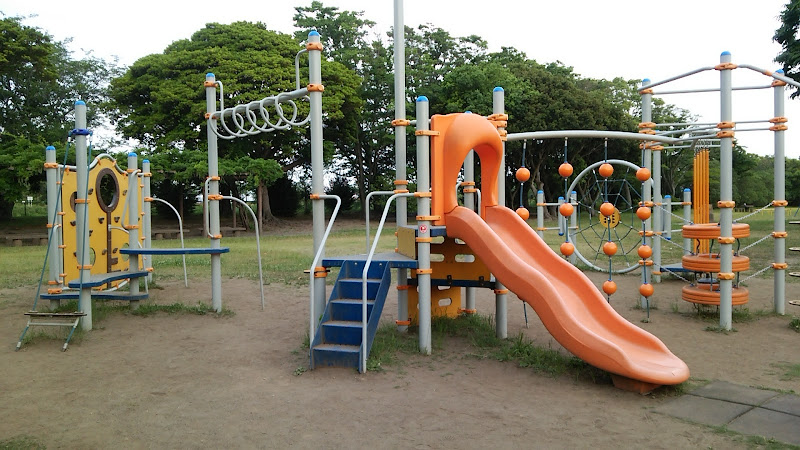
Obitsuseki Park
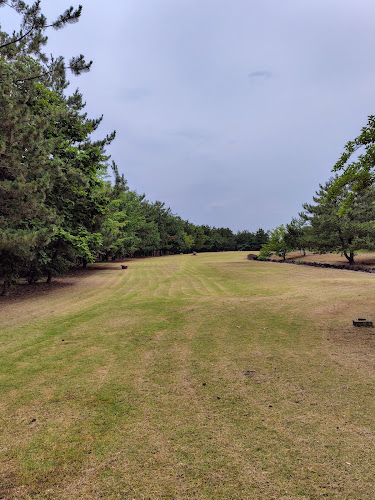
Shiokaze Park
Find Accommodations Nearby
Recommended Tours & Activities
Visitor Reviews
There are no reviews yet. Be the first one to write one.
Share Your Experience
Have you visited Ruins of Ofunae? Help other travelers by leaving a review.