
Tshinyavhulungu mountain
About Tshinyavhulungu mountain
Description
Ah, Tshinyavhulungu mountain - what a fascinating piece of South African landscape that's been calling to adventurous souls like me for years! Standing majestically in the Limpopo Province, this mountain isn't just your average peak. I remember my first glimpse of it - the way the morning light hit those ancient rock formations literally took my breath away. The mountain holds deep cultural significance for the local Venda people, and I've learned so much from chatting with elderly residents who shared stories passed down through generations. The name "Tshinyavhulungu" itself has an interesting story behind it in Tshivenda, relating to the mountain's unique circular formation.Key Features
• Distinctive rock formations dating back millions of years • Indigenous flora that's adapted perfectly to the mountain environment • Sacred caves with historical significance to the Venda people • Natural springs that local communities have used for generations • Spectacular viewpoints offering panoramic vistas of the surrounding landscape • Rich biodiversity, including several species of birds and small mammals • Ancient rock art sites preserving centuries-old stories • Traditional healing plant species growing along the slopesBest Time to Visit
From my multiple visits throughout the years, I've found that the dry winter season (May to September) is absolutely perfect for exploring Tshinyavhulungu. The weather's more predictable then, and the clearer skies make those views even more spectacular. But honestly? The mountain has its own charm during the summer months too - just be prepared for those afternoon thunderstorms that roll in like clockwork! During spring (September to November), the mountain sides burst into color with wildflowers, which makes for amazing photo opportunities. Just avoid the peak rainy season from December to February unless you're cool with muddy trails and limited visibility.How to Get There
Getting to Tshinyavhulungu is part of the adventure - and trust me, I learned this the hard way on my first visit! Your best bet is to drive from Louis Trichardt (Makhado), following the regional roads. The last stretch involves some dirt roads, so a vehicle with decent ground clearance is recommended. I've seen some regular cars make it, but it can be tricky during the rainy season. Local guides from nearby villages can help navigate the less obvious routes - and honestly, their knowledge of the mountain's history and hidden spots is priceless. You'll want to start your journey early in the morning to make the most of your day.Tips for Visiting
Let me share some hard-earned wisdom from my adventures here! First off, always bring more water than you think you'll need - the mountain air can be deceptively dry. I learned this lesson the hard way during my second visit when I nearly ran out halfway through the hike. Proper hiking boots are non-negotiable - those rocky paths can be pretty unforgiving on regular sneakers. And don't forget to pack some warm layers, even in summer. The temperature difference between the base and higher elevations can be surprising. It's super important to respect local customs and traditions. Some areas of the mountain are considered sacred by the Venda people, and it's crucial to follow local guidelines about where you can and can't go. I always recommend hiring a local guide - not just for navigation, but for the incredible cultural insights they provide. Remember to bring cash for guide fees and local craft purchases - there aren't any card facilities around here. Oh, and my secret tip? Pack some snacks to share with your guide - it's a great way to break the ice and learn more about the area's fascinating stories! Since mobile reception can be spotty, download offline maps before your visit. And don't forget your camera - the lighting during golden hour is absolutely magical, especially from the eastern viewpoints. While you're up there, keep an eye out for the indigenous bird species - I've spotted some amazing raptors during my climbs. Lastly, timing is everything. Start your hike early to avoid the afternoon heat, and plan to spend at least 4-5 hours exploring if you want to really experience what makes this mountain special. The memories you'll make here? Totally worth every step!Key Features
- Key Features
- Best Time to Visit
- How to Get There
- Tips for Visiting
More Details
Updated June 13, 2025
Table of Contents
Description
Ah, Tshinyavhulungu mountain – what a fascinating piece of South African landscape that’s been calling to adventurous souls like me for years! Standing majestically in the Limpopo Province, this mountain isn’t just your average peak. I remember my first glimpse of it – the way the morning light hit those ancient rock formations literally took my breath away.
The mountain holds deep cultural significance for the local Venda people, and I’ve learned so much from chatting with elderly residents who shared stories passed down through generations. The name “Tshinyavhulungu” itself has an interesting story behind it in Tshivenda, relating to the mountain’s unique circular formation.
Key Features
• Distinctive rock formations dating back millions of years
• Indigenous flora that’s adapted perfectly to the mountain environment
• Sacred caves with historical significance to the Venda people
• Natural springs that local communities have used for generations
• Spectacular viewpoints offering panoramic vistas of the surrounding landscape
• Rich biodiversity, including several species of birds and small mammals
• Ancient rock art sites preserving centuries-old stories
• Traditional healing plant species growing along the slopes
Best Time to Visit
From my multiple visits throughout the years, I’ve found that the dry winter season (May to September) is absolutely perfect for exploring Tshinyavhulungu. The weather’s more predictable then, and the clearer skies make those views even more spectacular. But honestly? The mountain has its own charm during the summer months too – just be prepared for those afternoon thunderstorms that roll in like clockwork!
During spring (September to November), the mountain sides burst into color with wildflowers, which makes for amazing photo opportunities. Just avoid the peak rainy season from December to February unless you’re cool with muddy trails and limited visibility.
How to Get There
Getting to Tshinyavhulungu is part of the adventure – and trust me, I learned this the hard way on my first visit! Your best bet is to drive from Louis Trichardt (Makhado), following the regional roads. The last stretch involves some dirt roads, so a vehicle with decent ground clearance is recommended. I’ve seen some regular cars make it, but it can be tricky during the rainy season.
Local guides from nearby villages can help navigate the less obvious routes – and honestly, their knowledge of the mountain’s history and hidden spots is priceless. You’ll want to start your journey early in the morning to make the most of your day.
Tips for Visiting
Let me share some hard-earned wisdom from my adventures here! First off, always bring more water than you think you’ll need – the mountain air can be deceptively dry. I learned this lesson the hard way during my second visit when I nearly ran out halfway through the hike.
Proper hiking boots are non-negotiable – those rocky paths can be pretty unforgiving on regular sneakers. And don’t forget to pack some warm layers, even in summer. The temperature difference between the base and higher elevations can be surprising.
It’s super important to respect local customs and traditions. Some areas of the mountain are considered sacred by the Venda people, and it’s crucial to follow local guidelines about where you can and can’t go. I always recommend hiring a local guide – not just for navigation, but for the incredible cultural insights they provide.
Remember to bring cash for guide fees and local craft purchases – there aren’t any card facilities around here. Oh, and my secret tip? Pack some snacks to share with your guide – it’s a great way to break the ice and learn more about the area’s fascinating stories!
Since mobile reception can be spotty, download offline maps before your visit. And don’t forget your camera – the lighting during golden hour is absolutely magical, especially from the eastern viewpoints. While you’re up there, keep an eye out for the indigenous bird species – I’ve spotted some amazing raptors during my climbs.
Lastly, timing is everything. Start your hike early to avoid the afternoon heat, and plan to spend at least 4-5 hours exploring if you want to really experience what makes this mountain special. The memories you’ll make here? Totally worth every step!
Key Highlights
- Key Features
- Best Time to Visit
- How to Get There
- Tips for Visiting
Location
Places to Stay Near Tshinyavhulungu mountain
Find and Book a Tour
Explore More Travel Guides
No reviews found! Be the first to review!
Traveler Reviews for Tshinyavhulungu mountain
There are no reviews yet. Be the first one to write one.
Have you visited Tshinyavhulungu mountain? Help other travelers by sharing your review.
You Might Also Like
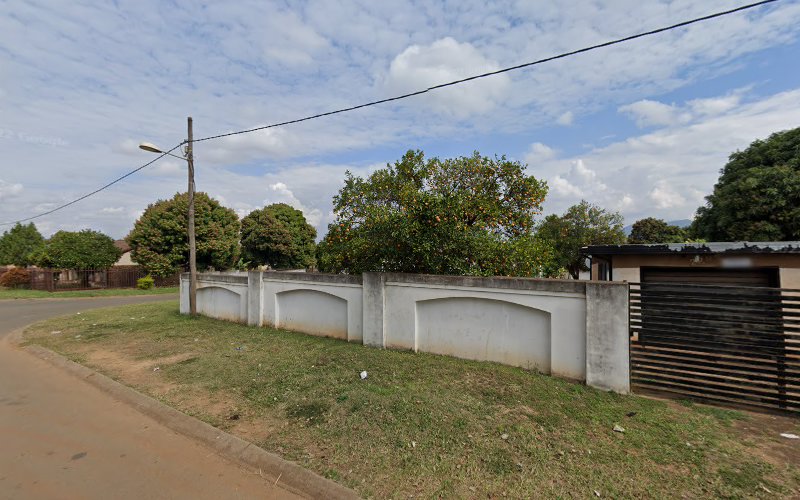
Dzivhadulu Farm
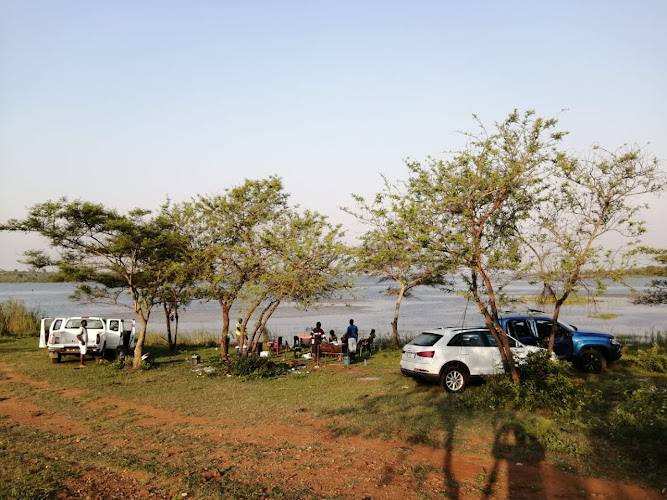
Muavuli Park Nandoni
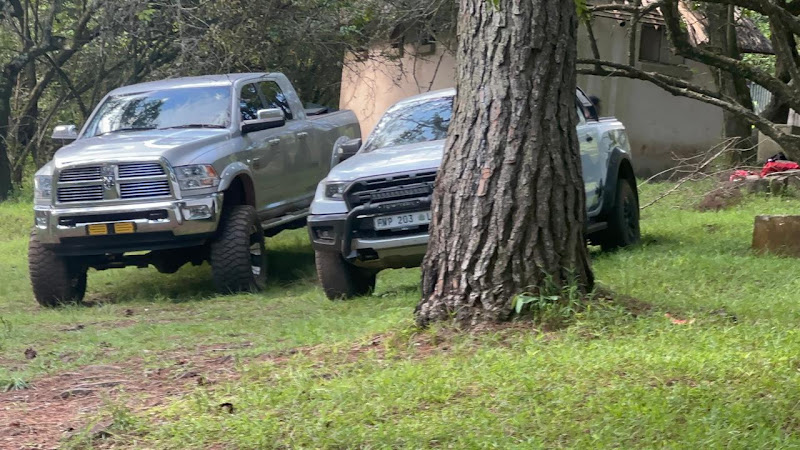
Tshirovha Falls
Find Accommodations Nearby
Recommended Tours & Activities
Visitor Reviews
There are no reviews yet. Be the first one to write one.
Share Your Experience
Have you visited Tshinyavhulungu mountain? Help other travelers by leaving a review.