
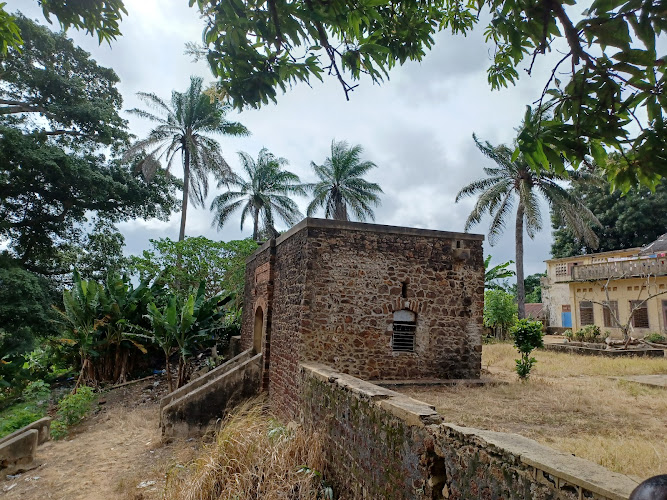
Fort FAIDHERBE de Dabou
About Fort FAIDHERBE de Dabou
Standing as a testament to French colonial history in Côte d'Ivoire, Fort Faidherbe de Dabou represents a fascinating slice of West African heritage. Built in just 10 days and inaugurated on October 10, 1853, this historical fortress was named after Commander Louis Faidherbe, who played a pivotal role in French colonial expansion. The fort was constructed following an agreement with local Ébrémou chiefs, who granted the land to the French in exchange for trade privileges.
What makes this place truly remarkable is its rapid construction and strategic importance. The fort served as a military stronghold during a time when French and British traders competed intensely for commercial dominance in the region. The local populations actually preferred British goods, which added an interesting layer of complexity to the fort's establishment.
Key Features
- Original colonial-era architecture showcasing 19th-century military design
- Historic walls that once housed French garrisons until 1871
- Strategic location overlooking the surrounding area
- Archaeological remnants from the colonial period
- Historical significance as one of the earliest French military installations in the region
- Architectural elements that blend European military design with local adaptations
- Cultural intersection point between French colonial administration and indigenous communities
Best Time to Visit
The ideal time to explore Fort Faidherbe is during the dry season, between November and March. Early morning visits, particularly between 8 AM and 10 AM, offer the best lighting conditions for photography and a more comfortable experience. The fort takes on a different character during sunset, when the fading light casts dramatic shadows across the historical structures.
How to Get There
The fort sits in the heart of Dabou, making it easily accessible from the city center. You'll find it near the prefecture building, which itself is a piece of colonial history. Local taxis can drop you right at the entrance, and if you're driving, there's usually adequate parking nearby. The site is also walkable from most parts of central Dabou, and locals are generally happy to point you in the right direction.
Tips for Visiting
Pack plenty of water and wear comfortable walking shoes - you'll want to explore every corner of this historical site. A hat and sunscreen are essential, as parts of the fort offer limited shade. I'd recommend bringing a camera with a wide-angle lens to capture the full scope of the architecture.
Consider hiring a local guide who can share detailed historical context and stories that aren't found in guidebooks. They often know fascinating details about the fort's role during various historical periods. The best guides can be arranged through the local tourism office.
Early weekday visits tend to be quieter, giving you better opportunities for unobstructed photos and a more intimate experience with the site. If possible, avoid visiting during midday hours when the heat can be intense.
Keep in mind that some areas might be restricted or under restoration - it's an active historical preservation site after all. Respect any barriers or warning signs you encounter. And yes, there are some rough patches in the pathways, so watch your step!
It's worth spending at least 1-2 hours here to fully appreciate the historical significance. Bring some snacks if you plan on staying longer, as there aren't many food options immediately around the fort. And don't forget to check out the nearby traditional market afterward - it's a great way to round out your cultural experience in Dabou.
The fort's historical significance really comes alive when you understand its context in the broader colonial history of West Africa. Take time to read any available information plaques, and don't hesitate to ask questions if you spot any site staff. Photography is generally allowed, but as with any historical site, be respectful and avoid touching or climbing on the structures.
You Might Also Like
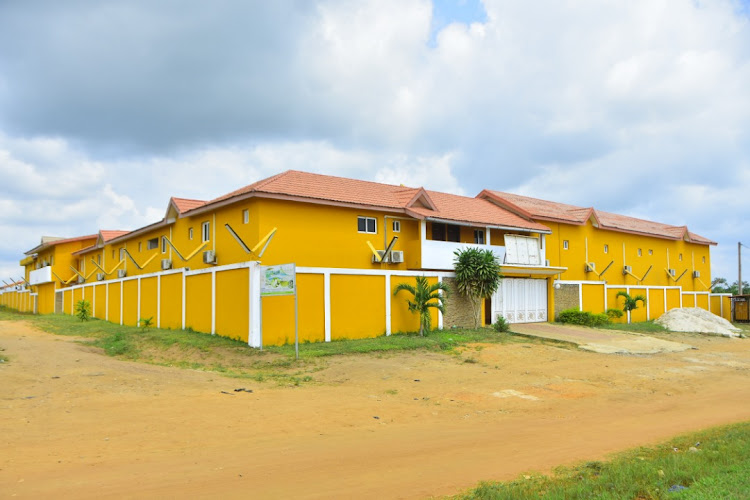
Cote Sud Hotel
Dabou
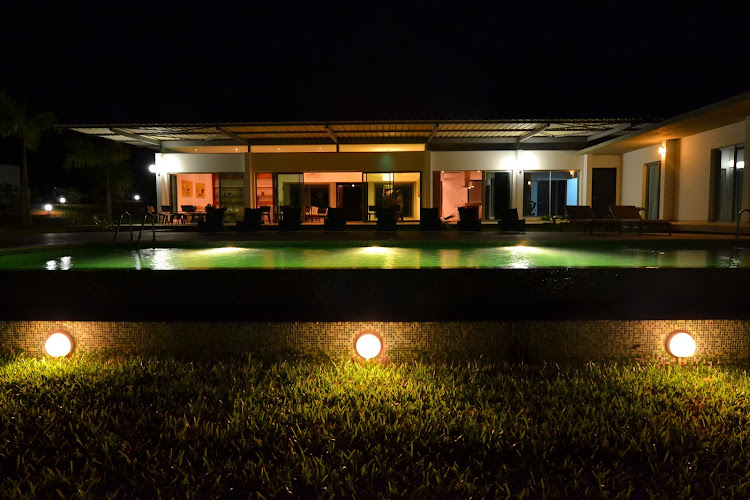
L
Tours & Activities
GetYourGuide provides this tour inventory. We may earn a commission if you book through it; verify current availability, prices, and terms with the provider.
Visitor Reviews
There are no reviews yet. Be the first one to write one.
Share Your Experience
Have you visited Fort FAIDHERBE de Dabou? Help other travelers by leaving a review.