
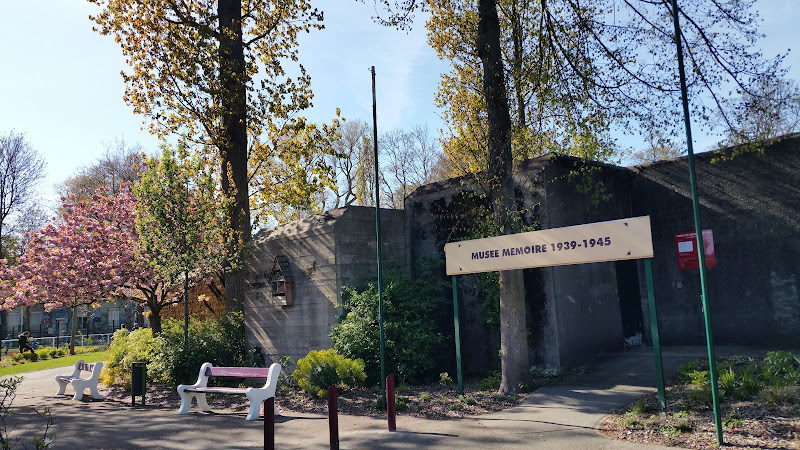
Second World War Museum
About Second World War Museum
Description
Step into the Musée de la Mémoire 1939-1945—so many simply call it the Second World War Museum—and you’ll almost feel the ghostly echoes of history vibrating through the thick air. This isn’t your run-of-the-mill halls-of-tanks sort of place; it’s tucked away inside the former German military command post deep in Parc Saint Pierre, Calais. Friends, if you fancy a day out soaking up real stories and artifacts of WWII, this museum is a keeper.
Why? Well, first up, it’s not shiny and slick like some big city museums, but there’s a rawness and intimacy to what’s inside—old photographs, battered typewriters, handwritten letters, and creased uniforms. Each glass case feels more like a time capsule than a display. Gritty, authentic, and, honestly, a bit spine-tingling. I remember standing by one display—there’s a faded diary from a local family—and being floored by the little notes scribbled in the margins about rationing sugar and dodging air raids. Museums have tried to impress me; this one made me pause, reflect, and even shiver just a little.
Unlike other war museums that focus on the splashy stuff (tanks and planes galore), here you get Calais’ story—the siege, the occupation, the resistance, and the daily grind of families scraping by under impossible circumstances. You catch glimpses of both German and French perspectives, and I appreciate that. There are stories tucked between the cracks that reminded me how war creeps into even the smallest corners of ordinary life.
There’s also something special about the setting—cool (literally) corridors carved out beneath the park, concrete walls that seem to remember every footstep and whispered secret. I don’t know about you, but that sort of thing just sends little chills down my spine. It’s big enough to linger and explore, but manageable for a morning or afternoon if you’re with family, friends, or solo. And for those with mobility concerns, it’s accessible, so that’s a big tick in my book.
Put simply, the Musée de la Mémoire isn’t for those looking for flashy entertainment. It’s for travelers who want a deeper connection with a place, who relish peeling back the layers of local life under the shadow of war. You might walk out quiet, but you’ll walk out changed.
Key Features
- Historic Command Center Location: Housed in an original WWII-era bunker, offering an authentic, immersive experience.
- Engaging Artifacts: Displays including photographs, personal diaries, uniforms, propaganda posters, and everyday objects from wartime Calais you simply won’t see in bigger museums.
- Kid-Friendly Touchpoints: Little details and interactive exhibits keep younger visitors curious—don’t worry, nothing too heavy for smaller kids.
- Balanced Perspective: Exhibits cover both German occupiers and the French resistance, plus citizens caught in the crossfire. I think that honesty is pretty rare.
- Multilingual Labels: Plenty of info in French and English—helpful if you’re like me and your school French only gets you as far as ordering a café crème.
- Accessible Facilities: Thoughtfully designed for wheelchair users and those with limited mobility (ramps and adapted bathrooms available).
- Moderate Size: Offer a couple of hours’ worth of discovery, which works well if you’re juggling an ambitious travel itinerary or impatient teens.
- Close to Calais Center: Easy detour while in town, nestled inside a leafy park—good for a post-museum stroll, stretching the legs, or letting kids run amok after a history lesson.
Best Time to Visit
If you’re anything like me and despise crowds, late spring or early autumn is your sweet spot—around April to June or September to October. Calais itself can buzz with travelers in peak summer (hello, ferry traffic!), but this museum tends to avoid the worst of the bustle. In winter, there’s a certain moody charm—think mist curling over the park grounds and fewer visitors—but bring a warm jacket; those concrete walls trap the chill.
Weekdays always beat weekends for elbow room and time to linger by the displays in peace. I once stumbled in on a grey Tuesday afternoon, and I swear I had the place to myself; there’s this extra intensity to reading personal stories with just the sound of your own footsteps for company.
Do check the museum’s opening hours in advance—they don’t always match city shops or other attractions, and there may be holiday closures (the French take their holidays seriously, trust me on this). School holidays see an uptick in family traffic, but in my experience, it’s nothing compared to the bedlam at bigger French museums.
How to Get There
Getting to the Second World War Museum in Parc Saint Pierre is refreshingly straightforward, even if you’re just passing through Calais or making a day trip across from the UK. If you’re arriving by car, parking isn’t too bad at the park itself—just keep your eyes peeled for public parking signs, and try to swing by earlier in the day if it’s a bright Saturday.
Trains run right into Calais, and from the station, you’re only a brisk 15-minute walk—honestly, the stroll is a good way to gear up for what’s ahead. Watch out for the statues scattered along the park’s edges; I always make it a little game spotting them all.
Public buses pass regularly if walking’s not your thing, and for cyclists, there are plenty of paths and places to lock up bikes near the entrance. Taxis are affordable for short hops within the city, and most drivers know where the museum is—the bunker vibe is something of a local landmark. Oh, and if you’re still muddling through the area on foot, just listen for school groups on field trips. Chances are, you’re on the right trail.
Tips for Visiting
- Layer Up: Even on hot days, that bunker stays cool—sometimes bordering on chilly—so bring something warm, especially for little ones or if you, like me, get cold in movie theaters.
- Allow Enough Time: Two hours is about right for most; history buffs will want more. Don’t try to rush, or you’ll miss the details that set this museum apart.
- No Onsite Restaurant: Pack some snacks or plan to grab lunch nearby—there’s nothing worse than learning about wartime rationing while your own stomach is growling.
- Photography: Photos are generally allowed, but keep flash off and be respectful—this isn’t a place for selfies with the exhibits. Let the artifacts tell their stories undisturbed.
- Accessibility Friendly: If you're traveling with someone with mobility issues, relax. Ramps and adapted facilities mean everyone can explore. One less travel headache.
- Combine With a Park Walk: After your visit, unwind in Parc Saint Pierre. There’s space for kids to burn off energy and plenty of benches if you need a sit-down to absorb everything you’ve seen.
- Ask Questions: Staff are usually locals, and some have personal or family connections to the WWII stories being told. I found chatting with the guide in my wobbly French opened extra layers of insight—don’t be shy.
- Respect the Mood: This isn’t a blockbuster attraction, and some displays can feel heavy or emotional. It's a good place to help older kids appreciate the weight of history, but maybe prep them beforehand so they're not blindsided.
- Support Local Museums: Drop a coin or two in the donation box, if you can. Independent museums like this thrive on visitor support and goodwill—it makes a real difference.
So, if you’re looking to lift the lid on stories that rarely make the big posters, step through those heavy-duty bunker doors. History leaps off the pages here, sometimes quietly, sometimes with a jolt. I’ve lost track of the museums I’ve wandered, but this one stands out—a place where history picks at your curiosity and tugs at your heart.
Key Features
- Key Features
- Best Time to Visit
- How to Get There
- Tips for Visiting
More Details
Updated June 22, 2025
Table of Contents
Description
Step into the Musée de la Mémoire 1939-1945—so many simply call it the Second World War Museum—and you’ll almost feel the ghostly echoes of history vibrating through the thick air. This isn’t your run-of-the-mill halls-of-tanks sort of place; it’s tucked away inside the former German military command post deep in Parc Saint Pierre, Calais. Friends, if you fancy a day out soaking up real stories and artifacts of WWII, this museum is a keeper.
Why? Well, first up, it’s not shiny and slick like some big city museums, but there’s a rawness and intimacy to what’s inside—old photographs, battered typewriters, handwritten letters, and creased uniforms. Each glass case feels more like a time capsule than a display. Gritty, authentic, and, honestly, a bit spine-tingling. I remember standing by one display—there’s a faded diary from a local family—and being floored by the little notes scribbled in the margins about rationing sugar and dodging air raids. Museums have tried to impress me; this one made me pause, reflect, and even shiver just a little.
Unlike other war museums that focus on the splashy stuff (tanks and planes galore), here you get Calais’ story—the siege, the occupation, the resistance, and the daily grind of families scraping by under impossible circumstances. You catch glimpses of both German and French perspectives, and I appreciate that. There are stories tucked between the cracks that reminded me how war creeps into even the smallest corners of ordinary life.
There’s also something special about the setting—cool (literally) corridors carved out beneath the park, concrete walls that seem to remember every footstep and whispered secret. I don’t know about you, but that sort of thing just sends little chills down my spine. It’s big enough to linger and explore, but manageable for a morning or afternoon if you’re with family, friends, or solo. And for those with mobility concerns, it’s accessible, so that’s a big tick in my book.
Put simply, the Musée de la Mémoire isn’t for those looking for flashy entertainment. It’s for travelers who want a deeper connection with a place, who relish peeling back the layers of local life under the shadow of war. You might walk out quiet, but you’ll walk out changed.
Key Features
- Historic Command Center Location: Housed in an original WWII-era bunker, offering an authentic, immersive experience.
- Engaging Artifacts: Displays including photographs, personal diaries, uniforms, propaganda posters, and everyday objects from wartime Calais you simply won’t see in bigger museums.
- Kid-Friendly Touchpoints: Little details and interactive exhibits keep younger visitors curious—don’t worry, nothing too heavy for smaller kids.
- Balanced Perspective: Exhibits cover both German occupiers and the French resistance, plus citizens caught in the crossfire. I think that honesty is pretty rare.
- Multilingual Labels: Plenty of info in French and English—helpful if you’re like me and your school French only gets you as far as ordering a café crème.
- Accessible Facilities: Thoughtfully designed for wheelchair users and those with limited mobility (ramps and adapted bathrooms available).
- Moderate Size: Offer a couple of hours’ worth of discovery, which works well if you’re juggling an ambitious travel itinerary or impatient teens.
- Close to Calais Center: Easy detour while in town, nestled inside a leafy park—good for a post-museum stroll, stretching the legs, or letting kids run amok after a history lesson.
Best Time to Visit
If you’re anything like me and despise crowds, late spring or early autumn is your sweet spot—around April to June or September to October. Calais itself can buzz with travelers in peak summer (hello, ferry traffic!), but this museum tends to avoid the worst of the bustle. In winter, there’s a certain moody charm—think mist curling over the park grounds and fewer visitors—but bring a warm jacket; those concrete walls trap the chill.
Weekdays always beat weekends for elbow room and time to linger by the displays in peace. I once stumbled in on a grey Tuesday afternoon, and I swear I had the place to myself; there’s this extra intensity to reading personal stories with just the sound of your own footsteps for company.
Do check the museum’s opening hours in advance—they don’t always match city shops or other attractions, and there may be holiday closures (the French take their holidays seriously, trust me on this). School holidays see an uptick in family traffic, but in my experience, it’s nothing compared to the bedlam at bigger French museums.
How to Get There
Getting to the Second World War Museum in Parc Saint Pierre is refreshingly straightforward, even if you’re just passing through Calais or making a day trip across from the UK. If you’re arriving by car, parking isn’t too bad at the park itself—just keep your eyes peeled for public parking signs, and try to swing by earlier in the day if it’s a bright Saturday.
Trains run right into Calais, and from the station, you’re only a brisk 15-minute walk—honestly, the stroll is a good way to gear up for what’s ahead. Watch out for the statues scattered along the park’s edges; I always make it a little game spotting them all.
Public buses pass regularly if walking’s not your thing, and for cyclists, there are plenty of paths and places to lock up bikes near the entrance. Taxis are affordable for short hops within the city, and most drivers know where the museum is—the bunker vibe is something of a local landmark. Oh, and if you’re still muddling through the area on foot, just listen for school groups on field trips. Chances are, you’re on the right trail.
Tips for Visiting
- Layer Up: Even on hot days, that bunker stays cool—sometimes bordering on chilly—so bring something warm, especially for little ones or if you, like me, get cold in movie theaters.
- Allow Enough Time: Two hours is about right for most; history buffs will want more. Don’t try to rush, or you’ll miss the details that set this museum apart.
- No Onsite Restaurant: Pack some snacks or plan to grab lunch nearby—there’s nothing worse than learning about wartime rationing while your own stomach is growling.
- Photography: Photos are generally allowed, but keep flash off and be respectful—this isn’t a place for selfies with the exhibits. Let the artifacts tell their stories undisturbed.
- Accessibility Friendly: If you’re traveling with someone with mobility issues, relax. Ramps and adapted facilities mean everyone can explore. One less travel headache.
- Combine With a Park Walk: After your visit, unwind in Parc Saint Pierre. There’s space for kids to burn off energy and plenty of benches if you need a sit-down to absorb everything you’ve seen.
- Ask Questions: Staff are usually locals, and some have personal or family connections to the WWII stories being told. I found chatting with the guide in my wobbly French opened extra layers of insight—don’t be shy.
- Respect the Mood: This isn’t a blockbuster attraction, and some displays can feel heavy or emotional. It’s a good place to help older kids appreciate the weight of history, but maybe prep them beforehand so they’re not blindsided.
- Support Local Museums: Drop a coin or two in the donation box, if you can. Independent museums like this thrive on visitor support and goodwill—it makes a real difference.
So, if you’re looking to lift the lid on stories that rarely make the big posters, step through those heavy-duty bunker doors. History leaps off the pages here, sometimes quietly, sometimes with a jolt. I’ve lost track of the museums I’ve wandered, but this one stands out—a place where history picks at your curiosity and tugs at your heart.
Key Highlights
- Key Features
- Best Time to Visit
- How to Get There
- Tips for Visiting
Location
Places to Stay Near Second World War Museum
Find and Book a Tour
Explore More Travel Guides
No reviews found! Be the first to review!
Traveler Reviews for Second World War Museum
There are no reviews yet. Be the first one to write one.
Have you visited Second World War Museum? Help other travelers by sharing your review.
You Might Also Like
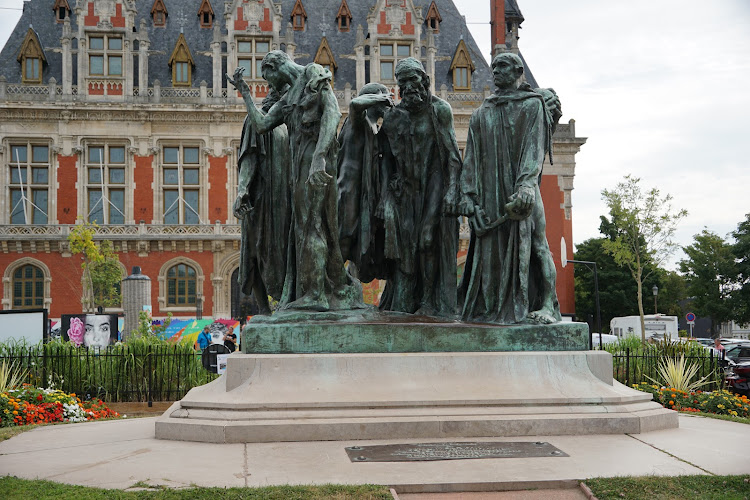
Les Bourgeois de Calais
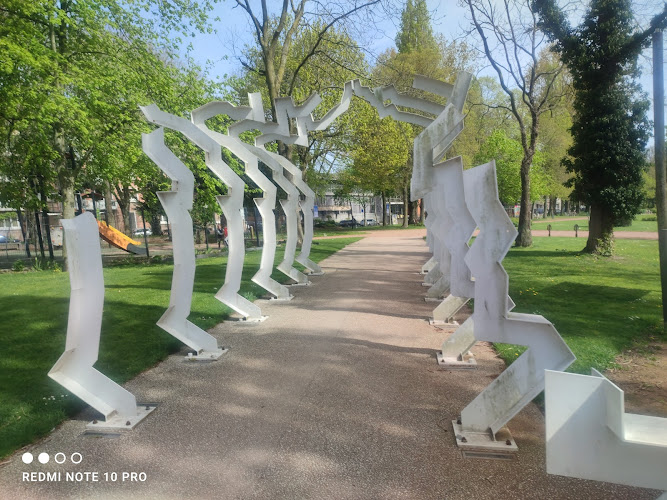
Richelieu Park
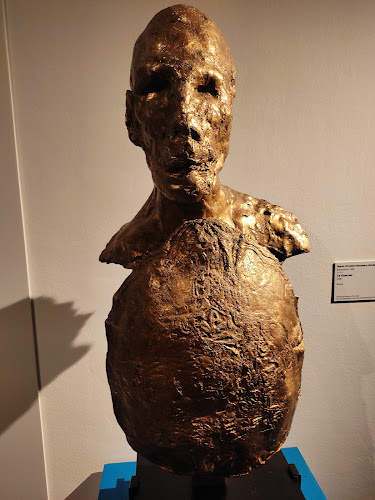
Museum of Fine Arts in Calais
Find Accommodations Nearby
Recommended Tours & Activities
Visitor Reviews
There are no reviews yet. Be the first one to write one.
Share Your Experience
Have you visited Second World War Museum? Help other travelers by leaving a review.