
Les Bourgeois de Calais
About Les Bourgeois de Calais
Description
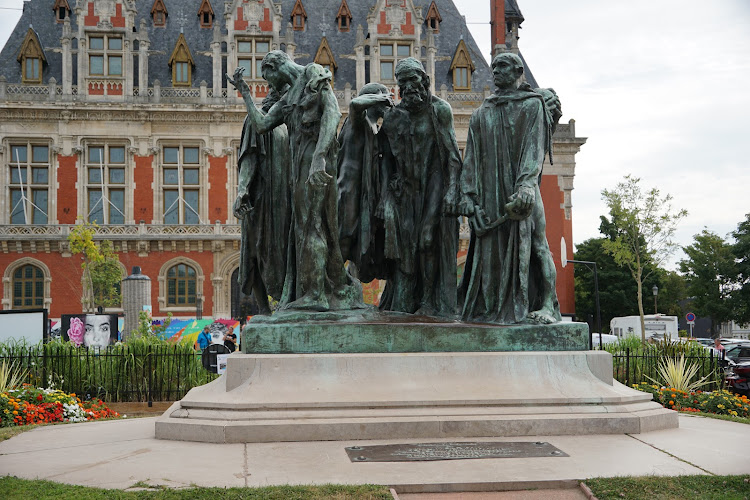
If you love a good story—especially one with a dash of grit and a whole lot of heart—Les Bourgeois de Calais hits every note. I still remember my first stroll up to this monumental sculpture: cold wind off the Channel, seagulls making their usual racket above. But somehow, everything quiets for a moment when you stand in front of these six solemn figures. There’s something oddly magnetic about them, each face etched with worry, pain, but also a strange kind of stubborn hope. Created by the legendary Auguste Rodin in the late 19th century, this bronze masterpiece is more than just a monument; it’s a living, breathing slice of Calais’s soul.
The story goes back to the Hundred Years’ War, when Calais was under siege by England for more than a year in 1347. Starvation, desperation, the whole biblical ordeal. When England finally agreed to spare the city, six burghers (that’s a fancy medieval word for leading citizens, basically) offered themselves up to die for the sake of everyone else. Heavy stuff, right? Rodin’s sculpture tugs you into their world, capturing the exhausting weight of sacrifice, pride, love for home, and the staggering courage it took to walk out those gates wearing nothing but sackcloth and nooses.
This isn’t just art. It’s empathy cast in bronze. You can sense it whether you’re an art buff trailing after every Rodin piece in Europe, a history nerd, or just someone out for a thoughtful wander. And don't think you'll be the only one staring open-mouthed—this spot is a magnet for locals, travelers, families (yes, it’s good for kids), and even the occasional selfie enthusiast. I’ll admit, the vibe at the monument can shift by the hour. Some days you’ll be there with only a chilly breeze for company; on others, it’s all chatter and laughter from families ducking in and out of the nearby shops. Either way, the place just works its magic.
Key Features
- Rodin’s emotional realism: It’s wild how much agony and stoicism you can read in the burghers’ faces. You’ll see new details every time.
- Wheelchair-accessible design: No steps or awkward gravel here. Both the entrance and parking lot are easy to navigate if you’re rolling or need a stroller for the lil’ ones.
- Family friendly: I’ve seen toddlers clambering around, teenagers trying for dramatic photos, and parents—finally—taking a breath.
- Thoughtful location: Set in a peaceful plaza that offers plenty of space to move, think, and enjoy a snack from a nearby café bench. There are benches, by the way (my tired feet thank them every visit).
- Free and paid parking: Whether you love a freebie or don’t mind splashing out for a prime spot, you’ve got both options close by.
- Perfect photo op: Maybe it’s the angles, maybe it’s the moody French sky, but the statue looks powerful in almost any light. Pro tip—go for that side shot where the second burgher is glancing over his shoulder.
- Open-air monument: No lines, no tickets—just walk up and take it all in, day or night. You can run your hands right along the cool bronze; it’s tactile and real.
- Nearby attractions: When you’re done, the Calais Town Hall and its flamboyant belfry are just a skip away. Makes for a rich morning or afternoon outing.
Best Time to Visit
I’m gonna be straight with you: Calais isn’t all sunshine and blue skies. In fact, the wind here could carry off your hat and your last croissant if you’re not careful. But for Les Bourgeois de Calais, the changing weather turns into something of a feature. My favorite time? Early spring or late autumn, when the crowds thin out and you can almost hear the city’s heartbeat echo in the plaza. Watch the sun struggle through the clouds at golden hour—the sculptures cast long, dramatic shadows and the bronze seems to glow. It’s honestly my guilty pleasure time to visit.
Summer is great if you want livelier streets and a chance to picnic nearby (the French do know how to picnic, don’t they?). But you’ll share the space with plenty of others hunting for French culture and that elusive Instagram moment. Winter’s got its own moody magic, especially if you like having picturesque spots to yourself. Just bundle up—those North Sea winds have no mercy.
If I had to pick the time: aim for weekday afternoons in spring or autumn. You’ll dodge school groups, enjoy softer light, and maybe meet an old-timer who remembers when the square looked different. Those unexpected chats? Half the fun of travel, if you ask me.
How to Get There
Believe it or not, getting to Les Bourgeois de Calais doesn’t require a cryptic treasure map. If you’re arriving by train (that’s the Gare de Calais Ville for those keeping score), you’re barely a 10-15 minute walk away. I prefer wandering the streets from the station myself—Calais has just enough quirky storefronts and cafés to surprise you along the route.
Driving into town? No need to stress about finding a spot. There’s a free parking lot right by the monument, and if you like the VIP treatment, you’ll find paid options even closer. Both are wheelchair accessible, which means everyone in your crew can join without fuss. I know friends who’ve come by car, train, and even cycling (wind in your teeth, if you’re adventurous), and it’s a doddle from almost any direction.
Coming off the ferry? You’re in luck—the plaza is just a quick drive or a longer (but totally scenic) stroll from the port. I’ve had travelers tell me their first glimpse of the sculpture, suitcase in hand right after stepping onto French soil, set the tone for their whole trip.
Tips for Visiting
- Bring a camera—but look with your eyes first: The detail on the monument is wild, especially the hands and faces. Let yourself linger before you snap a hundred photos.
- Layer up, even in summer: That wind is sneaky and can drop the temperature ten degrees in a blink. A hoodie or lightweight jacket won't go unused.
- Talk to the locals: A smile and a friendly Bonjour might just open the door to stories about the city most tourists never hear (I once got pointed to a hidden bakery a block away—life-changing croissants, no joke).
- Let the kids lead: The grassy plaza means they can run around safely while you soak in the monument. I’ve watched more than a few little ones play out their own imaginary history battles here—cute and educational in one go.
- Visit Town Hall afterwards: If you’re on a sculpture kick, the nearby Calais Town Hall is mighty impressive, too. The whole area blends old-world drama with daily city life like nowhere else I’ve been.
- Go at different times of day: Early morning for peace, late afternoon for that lighting (honestly, the #nofilter crowd would approve), or at night for a slightly spooky, beautifully quiet vibe.
- Mind your step in rainy weather: The plaza stones can get slick—watch for puddles and wear shoes with a bit of grip if it’s drizzly.
- Reflect, don’t rush: Stand in the heart of the plaza and just... breathe. It’s the kind of experience you can’t schedule, but it’ll stick with you long after you’ve moved on to your next croissant or beach walk.
To be honest, Les Bourgeois de Calais isn’t your standard, flashy tourist stop, and that’s what I love about it. Each time I come back, I see something new, catch a different mood, or meet someone with a fresh take on the city’s past and present. The story these six bronze figures tell is one of sacrifice, unity, and relentless hope—universal stuff, really, that hits you right in the gut if you let it. So if you’re plotting your own French adventure, make space for this unassuming plaza. It’s a pause that refreshes; the kind of authenticity you’re probably craving more than another souvenir.
Key Features
- Key Features
- Best Time to Visit
- How to Get There
- Tips for Visiting
More Details
Updated June 22, 2025
Table of Contents
Description
If you love a good story—especially one with a dash of grit and a whole lot of heart—Les Bourgeois de Calais hits every note. I still remember my first stroll up to this monumental sculpture: cold wind off the Channel, seagulls making their usual racket above. But somehow, everything quiets for a moment when you stand in front of these six solemn figures. There’s something oddly magnetic about them, each face etched with worry, pain, but also a strange kind of stubborn hope. Created by the legendary Auguste Rodin in the late 19th century, this bronze masterpiece is more than just a monument; it’s a living, breathing slice of Calais’s soul.
The story goes back to the Hundred Years’ War, when Calais was under siege by England for more than a year in 1347. Starvation, desperation, the whole biblical ordeal. When England finally agreed to spare the city, six burghers (that’s a fancy medieval word for leading citizens, basically) offered themselves up to die for the sake of everyone else. Heavy stuff, right? Rodin’s sculpture tugs you into their world, capturing the exhausting weight of sacrifice, pride, love for home, and the staggering courage it took to walk out those gates wearing nothing but sackcloth and nooses.
This isn’t just art. It’s empathy cast in bronze. You can sense it whether you’re an art buff trailing after every Rodin piece in Europe, a history nerd, or just someone out for a thoughtful wander. And don’t think you’ll be the only one staring open-mouthed—this spot is a magnet for locals, travelers, families (yes, it’s good for kids), and even the occasional selfie enthusiast. I’ll admit, the vibe at the monument can shift by the hour. Some days you’ll be there with only a chilly breeze for company; on others, it’s all chatter and laughter from families ducking in and out of the nearby shops. Either way, the place just works its magic.
Key Features
- Rodin’s emotional realism: It’s wild how much agony and stoicism you can read in the burghers’ faces. You’ll see new details every time.
- Wheelchair-accessible design: No steps or awkward gravel here. Both the entrance and parking lot are easy to navigate if you’re rolling or need a stroller for the lil’ ones.
- Family friendly: I’ve seen toddlers clambering around, teenagers trying for dramatic photos, and parents—finally—taking a breath.
- Thoughtful location: Set in a peaceful plaza that offers plenty of space to move, think, and enjoy a snack from a nearby café bench. There are benches, by the way (my tired feet thank them every visit).
- Free and paid parking: Whether you love a freebie or don’t mind splashing out for a prime spot, you’ve got both options close by.
- Perfect photo op: Maybe it’s the angles, maybe it’s the moody French sky, but the statue looks powerful in almost any light. Pro tip—go for that side shot where the second burgher is glancing over his shoulder.
- Open-air monument: No lines, no tickets—just walk up and take it all in, day or night. You can run your hands right along the cool bronze; it’s tactile and real.
- Nearby attractions: When you’re done, the Calais Town Hall and its flamboyant belfry are just a skip away. Makes for a rich morning or afternoon outing.
Best Time to Visit
I’m gonna be straight with you: Calais isn’t all sunshine and blue skies. In fact, the wind here could carry off your hat and your last croissant if you’re not careful. But for Les Bourgeois de Calais, the changing weather turns into something of a feature. My favorite time? Early spring or late autumn, when the crowds thin out and you can almost hear the city’s heartbeat echo in the plaza. Watch the sun struggle through the clouds at golden hour—the sculptures cast long, dramatic shadows and the bronze seems to glow. It’s honestly my guilty pleasure time to visit.
Summer is great if you want livelier streets and a chance to picnic nearby (the French do know how to picnic, don’t they?). But you’ll share the space with plenty of others hunting for French culture and that elusive Instagram moment. Winter’s got its own moody magic, especially if you like having picturesque spots to yourself. Just bundle up—those North Sea winds have no mercy.
If I had to pick the time: aim for weekday afternoons in spring or autumn. You’ll dodge school groups, enjoy softer light, and maybe meet an old-timer who remembers when the square looked different. Those unexpected chats? Half the fun of travel, if you ask me.
How to Get There
Believe it or not, getting to Les Bourgeois de Calais doesn’t require a cryptic treasure map. If you’re arriving by train (that’s the Gare de Calais Ville for those keeping score), you’re barely a 10-15 minute walk away. I prefer wandering the streets from the station myself—Calais has just enough quirky storefronts and cafés to surprise you along the route.
Driving into town? No need to stress about finding a spot. There’s a free parking lot right by the monument, and if you like the VIP treatment, you’ll find paid options even closer. Both are wheelchair accessible, which means everyone in your crew can join without fuss. I know friends who’ve come by car, train, and even cycling (wind in your teeth, if you’re adventurous), and it’s a doddle from almost any direction.
Coming off the ferry? You’re in luck—the plaza is just a quick drive or a longer (but totally scenic) stroll from the port. I’ve had travelers tell me their first glimpse of the sculpture, suitcase in hand right after stepping onto French soil, set the tone for their whole trip.
Tips for Visiting
- Bring a camera—but look with your eyes first: The detail on the monument is wild, especially the hands and faces. Let yourself linger before you snap a hundred photos.
- Layer up, even in summer: That wind is sneaky and can drop the temperature ten degrees in a blink. A hoodie or lightweight jacket won’t go unused.
- Talk to the locals: A smile and a friendly Bonjour might just open the door to stories about the city most tourists never hear (I once got pointed to a hidden bakery a block away—life-changing croissants, no joke).
- Let the kids lead: The grassy plaza means they can run around safely while you soak in the monument. I’ve watched more than a few little ones play out their own imaginary history battles here—cute and educational in one go.
- Visit Town Hall afterwards: If you’re on a sculpture kick, the nearby Calais Town Hall is mighty impressive, too. The whole area blends old-world drama with daily city life like nowhere else I’ve been.
- Go at different times of day: Early morning for peace, late afternoon for that lighting (honestly, the #nofilter crowd would approve), or at night for a slightly spooky, beautifully quiet vibe.
- Mind your step in rainy weather: The plaza stones can get slick—watch for puddles and wear shoes with a bit of grip if it’s drizzly.
- Reflect, don’t rush: Stand in the heart of the plaza and just… breathe. It’s the kind of experience you can’t schedule, but it’ll stick with you long after you’ve moved on to your next croissant or beach walk.
To be honest, Les Bourgeois de Calais isn’t your standard, flashy tourist stop, and that’s what I love about it. Each time I come back, I see something new, catch a different mood, or meet someone with a fresh take on the city’s past and present. The story these six bronze figures tell is one of sacrifice, unity, and relentless hope—universal stuff, really, that hits you right in the gut if you let it. So if you’re plotting your own French adventure, make space for this unassuming plaza. It’s a pause that refreshes; the kind of authenticity you’re probably craving more than another souvenir.
Key Highlights
- Key Features
- Best Time to Visit
- How to Get There
- Tips for Visiting
Location
Places to Stay Near Les Bourgeois de Calais
Find and Book a Tour
Explore More Travel Guides
No reviews found! Be the first to review!
Traveler Reviews for Les Bourgeois de Calais
There are no reviews yet. Be the first one to write one.
Have you visited Les Bourgeois de Calais? Help other travelers by sharing your review.
You Might Also Like
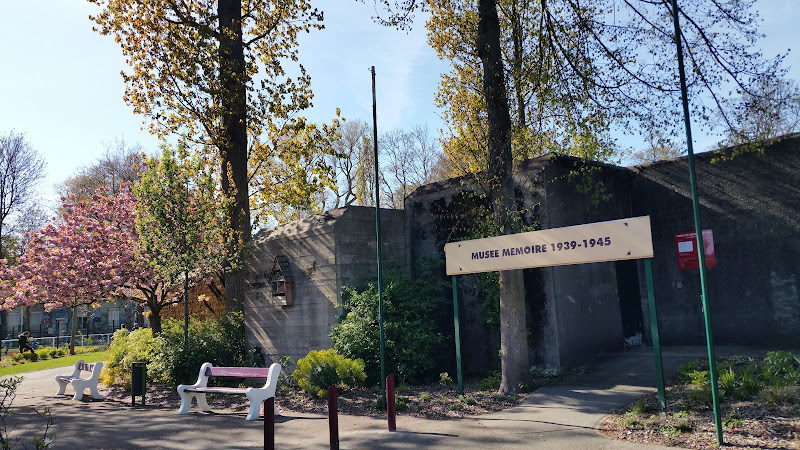
Second World War Museum
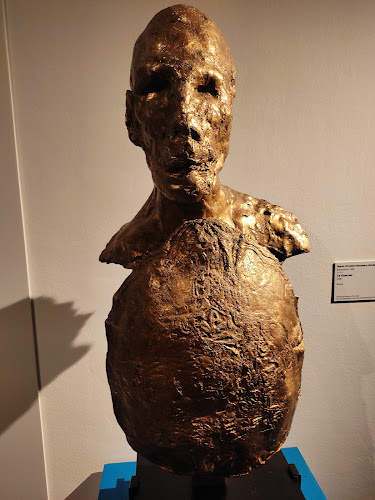
Museum of Fine Arts in Calais
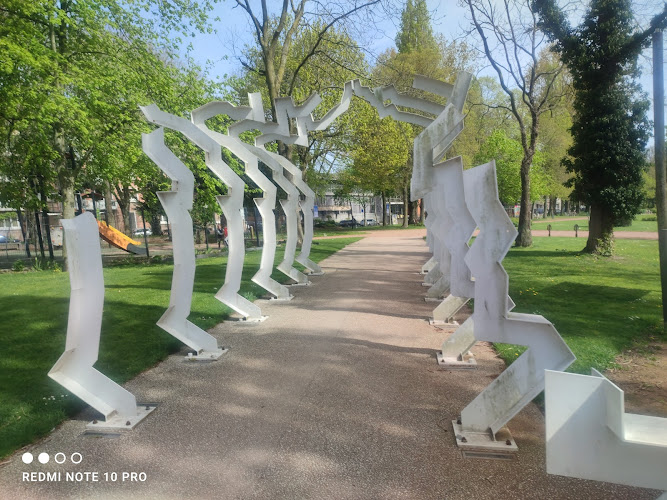
Richelieu Park
Find Accommodations Nearby
Recommended Tours & Activities
Visitor Reviews
There are no reviews yet. Be the first one to write one.
Share Your Experience
Have you visited Les Bourgeois de Calais? Help other travelers by leaving a review.