
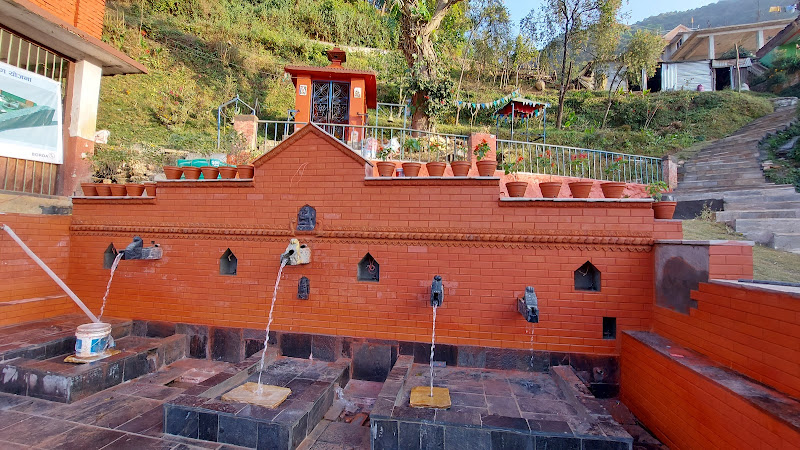
Krishna mandir
About Krishna mandir
Krishna Mandir in Godawari, Nepal is something quite unique—especially if you’ve already seen the iconic Krishna Mandir at Patan Durbar Square and think you’ve seen it all. I used to believe every Krishna temple blended into the next, but after wandering the streets of Lalitpur district and stumbling into the Godawari area, I changed my tune completely. There’s a real sense of peaceful devotion in the air, mixed in with traces of ancient history and fine Newari craftsmanship you notice while standing in front of this sacred site.
For travelers keen on culture, Krishna Mandir is much more than a photo-op—it’s a living religious site, deeply revered by Hindus (and often appreciated by Buddhists too; this is Nepal after all). The temple is dedicated to Lord Krishna, the beloved deity from the stories of the Mahabharata, and features architecture echoing the famous shikhara style of North India—basically those soaring stone spires that make your neck tingle when you crane to see the top.
But here’s what makes this temple particularly fascinating: it blends not only Hindu devotion but local Nepalese craftsmanship, and it’s set among the green backdrop that Godawari is known for. If you come at the right time, you’ll likely spot groups of devotees gathered in soulful bhajan, singing Krishna’s praises from early morning. I can still hear the melodic clinking of bells and distant chants every time I close my eyes and think back to my last visit.
The structure itself is a bit of a marvel. There’s intricate stone work, rich carvings on the pillars and doorways that tell epic stories from Krishna’s life, and a vibe that makes you want to slow down—whether you’re religious or not. It’s not as grand as some world-renowned UNESCO heritage sites in Kathmandu, but what it lacks in size, it makes up for in heartfelt atmosphere and down-to-earth community connection.
You’ll also notice how seamlessly the temple fits into its surroundings. Godawari is a region that has drawn mystics, poets, and ordinary Nepali families alike for centuries. The Mandir is a symbol of that living tradition. This isn’t the kind of place that floods with tour buses—the experience is more genuine and unrushed. And if you’re a photographer or a lover of the details, you’ll find endless little things to marvel at: a flickering diya (oil lamp), a cluster of marigolds, children giggling as they circle the stone steps.
It’s the home of festivals and holy rituals too—on big days like Krishna Janmashtami, the energy here is palpable, with devotees streaming in from all over the Kathmandu Valley. But it’s equally rewarding to visit on an ordinary weekday, when you might share the courtyard with just a handful of locals and the rustle of nearby trees.
To sum it up, Krishna Mandir Godawari is not just another temple. It’s part of the rhythm of life here, a place where local culture, ancient art, and living faith come together. Whether you’re here to soak in architectural beauty, to explore the local history of the Malla kings, or just to sit quietly and reflect, it absolutely delivers a memorable experience.
Key Features
- Shikhara-Style Architecture: The main temple’s soaring spire is a classic example of north Indian “shikhara” architecture, a less common sight in the Kathmandu Valley. Every time I look up at it I wonder how ancient artisans managed such symmetry and grace using only hand tools.
- Intricate Stone Carvings: The doorways and pillars are rich with carved scenes from Lord Krishna’s life—stories from the Mahabharata and Bhagavad Gita brought to life in beautiful detail. Don’t just walk past them; slow down, get close, and try to spot the tiny details. You may even recognize scenes you’ve read or heard about in old family stories.
- Living Place of Worship: Unlike some tourist sites, Krishna Mandir is an active Hindu temple. Locals come daily for worship, ceremonies, and reflection, creating a sacred space that’s alive and meaningful. It’s not just about history—it’s about community, even on the quietest mornings.
- Festival Destination: On Krishna Janmashtami—the birthday of Lord Krishna—the temple absolutely comes alive, with throngs of devotees, music, food offerings, and joyous rituals. I remember the entire courtyard brimming with color and singing, something you don’t forget easily.
- Authentic Local Atmosphere: Set away from the main tourist hubs, this spot is less crowded but more genuine. You get to see the real rhythm of rural and suburban Nepali life around the temple, complete with chai stalls and local markets nearby.
- Quiet Courtyard: The shaded stone courtyard in front of the mandir is an ideal spot to sit, reflect, read, or absorb the peaceful routine. On a lazy afternoon, you could easily lose track of time and that’s not a bad thing at all.
- Connection to Cultural Heritage: The temple stands as a testament to the Malla period’s devotion to both art and religion. Every carved stone has a story. If you’re a history buff, ask a local—or better yet, an older pilgrim—about the significance. Some tales you won’t find in guidebooks.
- Surrounded by Nature: Godawari is famous for its botanical gardens and lush greenery. The mandir feels like it’s on the edge of the forest, making for a calm, almost meditative resonance between the built and natural environments.
Best Time to Visit
Timing is everything, right? Having visited the Krishna Mandir in all sorts of weather, I can promise you: your choice will shape your entire experience.
If your priority is to see this holy place in its full cultural glory, plan for Krishna Janmashtami (it usually falls in August or September, depending on the lunar calendar). On this day, the temple gets packed with local devotees, flower vendors, and priests leading ceremonies. It’s loud, colorful, and deeply moving—but also crowded, so brace yourself for the bustle.
For a calmer, more contemplative experience, the best time to visit is during the early hours on any regular day in spring (March–April) or autumn (September–November). These months have pleasant weather—warm days, cool nights, and almost no rain. The sky is clear enough for stunning photos, and you’ll catch the golden light filtering across ancient stone.
Monsoon season (roughly June–early September) often means muddy roads and sudden showers. But honestly, there’s something magical about the lush green surroundings in that season if you don’t mind getting a little wet.
Avoid midday in mid-summer if you’re sensitive to heat, because the stone can bake under the sun and the temple’s shaded spots become highly sought after!
How to Get There
Getting to Krishna Mandir Godawari could be an adventure in itself, but isn’t that part of the charm? Here’s what worked for me and a few tips I picked up from locals:
By Road: If you’re coming from Kathmandu city, the easiest way is by road. Godawari is about 15–20 kilometers southeast of the city center. You can take a local bus or microbus bound for Godawari from Lagankhel Bus Park in Lalitpur. It’s cheap (local buses are less than the price of a big-city coffee!), but go early in the day and bring a bit of patience for the winding roads and occasionally packed vehicles.
By Taxi or Private Car: If you prefer comfort or are short on time, taxis or private hires are widely available in Kathmandu and Lalitpur. The journey takes around 45 minutes to 1 hour, depending on traffic. The road is pretty straightforward south through the lush outskirts of the Kathmandu Valley, and you’ll spot plenty of landscapes and local life along the way.
Cycling: Are you adventurous? The roads leading toward Godawari are pretty scenic, and cycling here is a growing trend among travelers and locals who want a blend of exercise, culture, and nature. Just watch out for the hills—seriously, they can surprise you!
Walking: For those into long walks and immersive travel, a trek from central Lalitpur or the botanical gardens area is an option. It’ll take the better part of a day, but you’ll see corners of local life tourists in buses miss entirely.
Remember, Nepal’s urban-to-rural transitions happen quite fast—one minute you’re dodging scooters, the next you’re surrounded by greenery. I always find it rewarding to chat with people en route; don’t be shy to ask for directions in your best Nepali or with a smile and some hand gestures!
Tips for Visiting
- Respect the Rituals: As an active place of worship, Krishna Mandir requests all visitors to remove shoes before entering the inner sanctum, dress modestly, and give space to devotees, especially during prayer times. Being mindful will earn you warm smiles from the elders—it’s the little things that go a long way!
- Photography Etiquette: There’s no harm in capturing the splendid carvings and courtyard, but be sensitive. Avoid intrusive pictures of people deep in worship. Always ask before photographing faces, particularly the priests or older locals.
- Mind Your Timings: Early morning or late afternoon is when the magic happens—soft light, cool air, and quieter ambiance. During festivals, expect crowds; plan your arrival and exit accordingly if you want a less hectic experience.
- Shoes and Belongings: As with many Hindu temples, you’ll need to leave footwear outside. Keep valuables with you or leave them safely locked since there’s no formal locker system.
- Stay Hydrated & Bring Snacks: The nearest tea stalls and food options are a short walk away, so carry some drinking water and perhaps a granola bar—especially for those slow, contemplative afternoons under the trees.
- Ask Questions: If you’re curious about the temple’s history or meaning behind specific rituals, ask a local. Even a few words in Nepali break the ice, and, from experience, people are surprisingly generous with stories and legends.
- Respect Festival Days: If visiting during a major festival, be ready for music, singing, lines to enter, and, yes, a joyful crush of humanity. Go with patience, a sense of wonder, and maybe a backup plan for a second, quieter visit on another day.
- Combine with Local Sights: Since you’re in Godawari, why not plan some extra time for the botanical gardens nearby, or even a day hike in the surrounding hills? The area has earned a reputation among locals as an ideal spot for combining spiritual and natural outings. Your trip to Krishna Mandir can easily become the highlight of a broader Godawari adventure.
- Leave No Trace: It almost goes without saying, but don’t litter. Help preserve the sanctity and serenity of this area for future travelers and worshippers alike. Carry out whatever you bring in.
To wrap it up: Krishna Mandir Godawari is the kind of place that speaks to soul-searchers, history lovers, the devout, and the simply curious alike. Whether you’re chasing stories of the Malla kings, seeking a quiet spiritual retreat, or just want a new side of Nepal, this temple offers a window into the daily wonders of heritage, culture, and living devotion. Stepping through its stone gates, you connect—if only for an hour—with something beautifully timeless.
Key Features
- Intimate village shrine atmosphere with active daily worship
- Shikhara-influenced stone architecture adapted to local Newar style
- Close proximity to Godawari Botanical Garden and nature trails
- Photogenic courtyard with devotional offerings and prayer flags
- Easily combined with nearby pilgrimage sites and local markets
Nearby Attractions
Godawari Botanical Garden (Godawari Kunda area)
Karyabinayak Temple (Lalitpur district)
Local village markets and tea stalls near Godawari
You Might Also Like
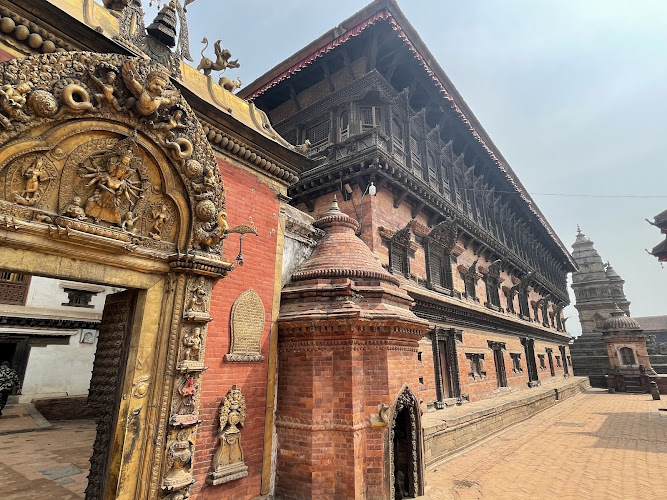
55 Window Palace
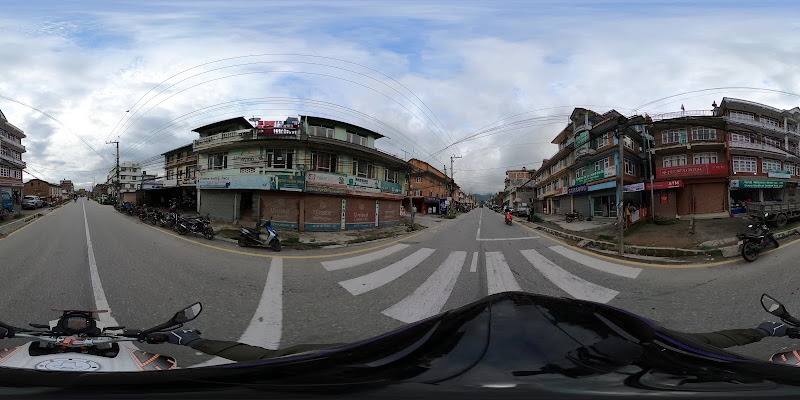
63 Satdobato-Godavari Rd
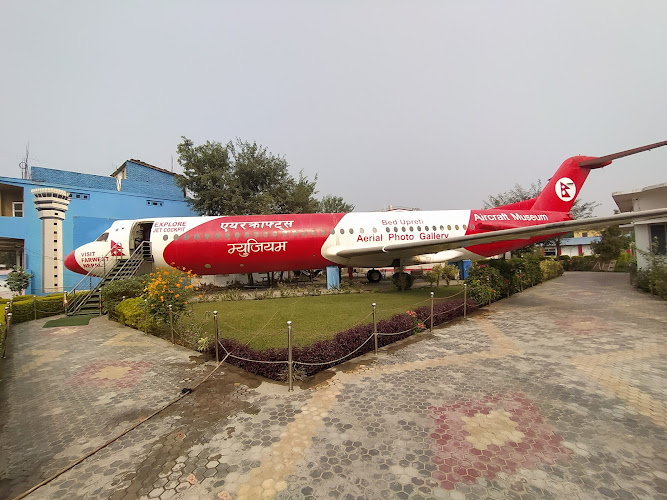
Aircraft Museum
Tours & Activities
GetYourGuide provides this tour inventory. We may earn a commission if you book through it; verify current availability, prices, and terms with the provider.
Visitor Reviews
There are no reviews yet. Be the first one to write one.
Share Your Experience
Have you visited Krishna mandir? Help other travelers by leaving a review.