About Living Mountain Lab

Description

There’s something about arriving at the Living Mountain Lab—formally known to research folks and conservation geeks as the ICIMOD Knowledge Park Godavari in Nepal—that immediately tips you off: this place is more than just a pretty patch of green on the Lalitpur map. It’s a thriving hub, an ever-evolving open-air experiment where ancient Himalayan wisdom, hard-knock learning, and next-gen sustainable technologies actually play nicely together. Designed by the International Centre for Integrated Mountain Development (ICIMOD), this area is dedicated to the development of economic and environmentally sound mountain eco-systems—right in the Hindu Kush Himalaya region. And, let me tell you, the whole integrated mountain development game here is on another level. Now, if you’ve ever dreamt of essentially time traveling through Nepal’s landscape transformation—learning from the past, observing the present, and getting a whiff of a more sustainable future—then this site is like a walk-in documentary. It’s not every day you see everything from natural forests and community-managed land, to demonstration farms and renewable energy tech living side by side. There’s a deeply intentional, hands-in-the-dirt vibe, where research, trial and error, and community training all feed each other. Though it’s a bona fide field site for international researchers, students, and curious travelers, it’s equally a working lab—messy, raw, beautiful, vibrant in places, but sparsely maintained in others (which sort of adds to the honestly imperfect charm). Here, a single morning stroll might take you past experimental water management systems, hillsides planted with carefully chosen tree species, little pockets where local women are being trained on income-generating crops, and signs explaining climate change adaptation in practical, everyday terms. You’re not getting a manicured tourist attraction; you’re seeing the process—sometimes polished, sometimes wild and unfiltered. The mountain region’s anxieties and aspirations—all on display. I find that refreshing. ICIMOD’s aim is clear: to improve the living standards of people in mountain communities across the Hindu Kush Himalaya (that’s more than just Nepal, by the way, stretching to Afghanistan, India, Bhutan, Bangladesh, China, and way beyond). If you’re looking to plug into big topics like climate change, community-based conservation, sustainable land use, or simply see what the future of Himalayan farming and forestry might look like, the Living Mountain Lab can be shockingly eye-opening.

Key Features

  • Integrated Mountain Development: The area works as a giant living classroom, showing how sustainable development, agricultural innovation, and conservation can co-exist in challenging mountain environments. You really sense how all the pieces (water, land, people, and policy) fit—or sometimes don’t—in these wild landscapes.
  • Demonstration Plots and Experiments: From water-harvesting ponds to renewable energy installations and crops adapted for high-altitude climates, there’s a real flavor of trial and innovation. Many of these plots act as demonstration sites for students, local farmers, and regional government reps.
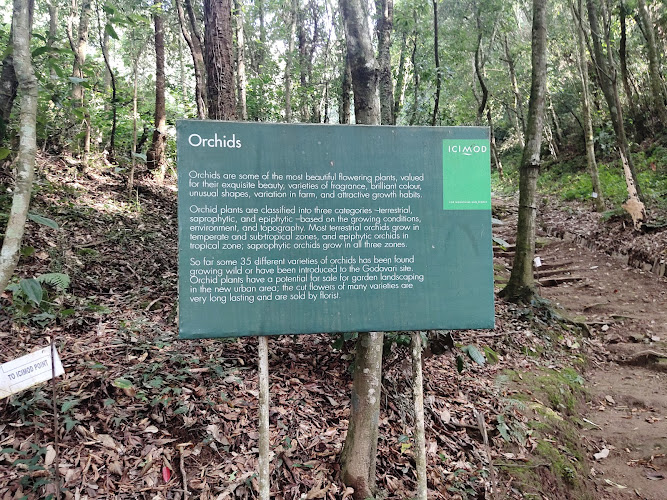
  • Biodiversity Conservation: The Knowledge Park is a hotbed for studies on Himalayan plant species, medicinal herbs, and conservation projects. If, like me, you pinch plant cuttings wherever you go (oops), you’ll adore seeing rare and new species being tested for both resilience and local value.
  • Traditional Knowledge Meets Technology: Here’s the magic—old-school community forest management and local custom rub shoulders with cutting-edge irrigation, soil management, and climate monitoring gadgets. It isn’t just about looking pretty, but about what genuinely works for remote communities.
  • Training and Learning Centers: Groups of university students, NGO trainees, teachers, and local leaders flock to the Living Mountain Lab for hands-on learning—field-based workshops, skill building (especially in sustainable farming), and knowledge sharing. It’s like summer camp for mountain geeks.
  • Renewable Energy & Water Management: Don’t miss the micro-hydro setup, improved cookstoves, and rainwater harvesting demonstrations. Energy and water are lifelines up here, and you see, first-hand, which technologies are helping locals take control of their own mountain future.
  • Accessible for All: It’s worth mentioning—the wheelchair accessible parking lot and relatively gentle walking paths make much of the park friendly for folks of varying mobility. It’s a thoughtful detail, even if a few rough patches are, well, just the Himalayan reality.
  • Local Community Engagement: Not just an academic playground; real families benefit from the training, seedlings, and project work here, which covers community forest management, climate adaptation, and women’s empowerment (super inspiring, honestly).
  • Unique Regional Representation: The park ties together species, methods, and community models from eight countries sharing the Hindu Kush Himalaya—providing comparative examples from Afghanistan to Bhutan and beyond.
  • Fieldwork Atmosphere: You often bump into international researchers notebook-in-hand, chatty students, or community elders. Strikes up some of the best conversations you’ll have anywhere in Nepal.

Best Time to Visit

You know that feeling when you plan an outdoor experience and you just want the best of the weather, the clearest views, and maybe a little bit of seasonal magic? Here’s my two cents: If you’re heading to the Knowledge Park in Godavari, the golden period is between late September and early December—or from late February to early May. Why? The skies are blue, the air is crisp (no sticky monsoon mud or chilly winter fog), and just about every plot bursts with color or fresh planting. You might also time your visit with one of ICIMOD’s training stints or field workshops, which often ramp up post-monsoon, when everything’s lush and green. Keep in mind, this is a hill area—rain can make walking paths slippery (I once lost a sandal to the mud near the bamboo patch in July, and the experience was... memorable). The winter months (late December to mid-February) are often cool but quiet, which means more time alone on the paths, birdwatching or just letting the mountain breeze clear your head.

How to Get There

The Living Mountain Lab is set a little way south of Kathmandu city, tucked close to the Godavari area of Lalitpur district. If you’re like me and depend on public transport (or are a fan of microbuses and wild taxi rides), it’s pretty straightforward:

  • From Kathmandu: Grab a microbus or local bus heading toward Godavari from Lagankhel Bus Park (the main transport hub in Patan area). Buses leave regularly, and the ride takes about an hour—depends on traffic, which, let’s be honest, can be a lottery.
  • By Taxi/Private Car: Taxis make it easy but sometimes expensive. If you’re sharing with friends or other travelers, it’s way more fun and practical. Ask the driver for ICIMOD Knowledge Park or just say Godavari and show your map—most locals recognize the site, especially around Satdobato-Godavari Road.
  • Cycling or Hiking: For the really adventurous, cycling up from Satdobato or even hiking in from the Godavari Botanical Garden area is perfectly doable. Bring water and snacks—I once ran out and had to bribe kids at a roadside stall for a biscuit pack. Worth it.

Oh, and here’s a little-known hack: Once you get down at the main bus drop-off point in Godavari, it’s about a 10–15-minute easy walk up to the park, with signs guiding your route. Wheelchair users and those with strollers will find the last stretch manageable, though—full disclosure—Nepali pavements are always a bit of an adventure.

Tips for Visiting

  • Plan Ahead: The Living Mountain Lab is a working field center, not a curated “show site.” Sometimes parts are closed for research, or there’s a class in session. If you want an in-depth visit or a guided briefing, call ahead or check the ICIMOD site for open visitor days.
  • Bring Walking Shoes: The area is pretty big and you’ll want to wander from one demonstration plot to another. Terrain is mixed—expect some uphill, the occasional muddy patch, and crunchy dry leaves underfoot, depending on the season. I keep my “Nepal shoes” specifically for places like this.
  • Camera and Notebook: So much hands-on learning happens here—documentaries, plant ID, quirky field experiments. There’s always something worth jotting down or snapping a photo, especially if you’re a teacher or life-long learner.
  • Respect the Work in Progress: The Living Mountain Lab is all about learning and sharing, but also about trial and error. Sometimes plots look messy or unfinished because experiments are literally running. Ask questions if you’re curious, but be patient if you get a “we don’t know yet” from staff.
  • Pack Snacks & Water: There’s not always a snack stall or café on site, and the local options aren’t 24/7. Keep basics handy, especially if visiting with kids or spending a half-day exploring.
  • Check Accessibility: Main parking and several primary paths are wheelchair-friendly, but weather can change everything—if it’s rained the day before, watch for soft ground.
  • Be Curious and Chatty: I genuinely recommend striking up a conversation with researchers, students, or even the gardeners. This is how the big, juicy stories and life lessons come out—often not on the official display boards.
  • Don’t Litter & Stay on Paths: Sounds obvious, but it’s even more important in a research-focused environment. The tiniest changes (even a stray wrapper, believe it or not) could impact an experiment-in-progress.
  • Combine with Nearby Attractions: Make a day of it—visit the lovely Godavari Botanical Garden or local community forests. It layers your understanding of the region.
  • Leave with Ideas: Most of all, carry a little inspiration or even a question home—about conservation, sustainable living, or what it really looks like to roll up your sleeves and make change happen in the mountains. That’s what sets a place like this apart.

Key Features

  • Key Features
  • Best Time to Visit
  • How to Get There
  • Tips for Visiting

More Details

Updated August 2, 2025

Description

There’s something about arriving at the Living Mountain Lab—formally known to research folks and conservation geeks as the ICIMOD Knowledge Park Godavari in Nepal—that immediately tips you off: this place is more than just a pretty patch of green on the Lalitpur map. It’s a thriving hub, an ever-evolving open-air experiment where ancient Himalayan wisdom, hard-knock learning, and next-gen sustainable technologies actually play nicely together. Designed by the International Centre for Integrated Mountain Development (ICIMOD), this area is dedicated to the development of economic and environmentally sound mountain eco-systems—right in the Hindu Kush Himalaya region. And, let me tell you, the whole integrated mountain development game here is on another level.

Now, if you’ve ever dreamt of essentially time traveling through Nepal’s landscape transformation—learning from the past, observing the present, and getting a whiff of a more sustainable future—then this site is like a walk-in documentary. It’s not every day you see everything from natural forests and community-managed land, to demonstration farms and renewable energy tech living side by side. There’s a deeply intentional, hands-in-the-dirt vibe, where research, trial and error, and community training all feed each other.

Though it’s a bona fide field site for international researchers, students, and curious travelers, it’s equally a working lab—messy, raw, beautiful, vibrant in places, but sparsely maintained in others (which sort of adds to the honestly imperfect charm). Here, a single morning stroll might take you past experimental water management systems, hillsides planted with carefully chosen tree species, little pockets where local women are being trained on income-generating crops, and signs explaining climate change adaptation in practical, everyday terms.

You’re not getting a manicured tourist attraction; you’re seeing the process—sometimes polished, sometimes wild and unfiltered. The mountain region’s anxieties and aspirations—all on display. I find that refreshing. ICIMOD’s aim is clear: to improve the living standards of people in mountain communities across the Hindu Kush Himalaya (that’s more than just Nepal, by the way, stretching to Afghanistan, India, Bhutan, Bangladesh, China, and way beyond). If you’re looking to plug into big topics like climate change, community-based conservation, sustainable land use, or simply see what the future of Himalayan farming and forestry might look like, the Living Mountain Lab can be shockingly eye-opening.

Key Features

  • Integrated Mountain Development: The area works as a giant living classroom, showing how sustainable development, agricultural innovation, and conservation can co-exist in challenging mountain environments. You really sense how all the pieces (water, land, people, and policy) fit—or sometimes don’t—in these wild landscapes.
  • Demonstration Plots and Experiments: From water-harvesting ponds to renewable energy installations and crops adapted for high-altitude climates, there’s a real flavor of trial and innovation. Many of these plots act as demonstration sites for students, local farmers, and regional government reps.
  • Biodiversity Conservation: The Knowledge Park is a hotbed for studies on Himalayan plant species, medicinal herbs, and conservation projects. If, like me, you pinch plant cuttings wherever you go (oops), you’ll adore seeing rare and new species being tested for both resilience and local value.
  • Traditional Knowledge Meets Technology: Here’s the magic—old-school community forest management and local custom rub shoulders with cutting-edge irrigation, soil management, and climate monitoring gadgets. It isn’t just about looking pretty, but about what genuinely works for remote communities.
  • Training and Learning Centers: Groups of university students, NGO trainees, teachers, and local leaders flock to the Living Mountain Lab for hands-on learning—field-based workshops, skill building (especially in sustainable farming), and knowledge sharing. It’s like summer camp for mountain geeks.
  • Renewable Energy & Water Management: Don’t miss the micro-hydro setup, improved cookstoves, and rainwater harvesting demonstrations. Energy and water are lifelines up here, and you see, first-hand, which technologies are helping locals take control of their own mountain future.
  • Accessible for All: It’s worth mentioning—the wheelchair accessible parking lot and relatively gentle walking paths make much of the park friendly for folks of varying mobility. It’s a thoughtful detail, even if a few rough patches are, well, just the Himalayan reality.
  • Local Community Engagement: Not just an academic playground; real families benefit from the training, seedlings, and project work here, which covers community forest management, climate adaptation, and women’s empowerment (super inspiring, honestly).
  • Unique Regional Representation: The park ties together species, methods, and community models from eight countries sharing the Hindu Kush Himalaya—providing comparative examples from Afghanistan to Bhutan and beyond.
  • Fieldwork Atmosphere: You often bump into international researchers notebook-in-hand, chatty students, or community elders. Strikes up some of the best conversations you’ll have anywhere in Nepal.

Best Time to Visit

You know that feeling when you plan an outdoor experience and you just want the best of the weather, the clearest views, and maybe a little bit of seasonal magic? Here’s my two cents: If you’re heading to the Knowledge Park in Godavari, the golden period is between late September and early December—or from late February to early May. Why? The skies are blue, the air is crisp (no sticky monsoon mud or chilly winter fog), and just about every plot bursts with color or fresh planting. You might also time your visit with one of ICIMOD’s training stints or field workshops, which often ramp up post-monsoon, when everything’s lush and green.

Keep in mind, this is a hill area—rain can make walking paths slippery (I once lost a sandal to the mud near the bamboo patch in July, and the experience was… memorable). The winter months (late December to mid-February) are often cool but quiet, which means more time alone on the paths, birdwatching or just letting the mountain breeze clear your head.

How to Get There

The Living Mountain Lab is set a little way south of Kathmandu city, tucked close to the Godavari area of Lalitpur district. If you’re like me and depend on public transport (or are a fan of microbuses and wild taxi rides), it’s pretty straightforward:

  • From Kathmandu: Grab a microbus or local bus heading toward Godavari from Lagankhel Bus Park (the main transport hub in Patan area). Buses leave regularly, and the ride takes about an hour—depends on traffic, which, let’s be honest, can be a lottery.
  • By Taxi/Private Car: Taxis make it easy but sometimes expensive. If you’re sharing with friends or other travelers, it’s way more fun and practical. Ask the driver for ICIMOD Knowledge Park or just say Godavari and show your map—most locals recognize the site, especially around Satdobato-Godavari Road.
  • Cycling or Hiking: For the really adventurous, cycling up from Satdobato or even hiking in from the Godavari Botanical Garden area is perfectly doable. Bring water and snacks—I once ran out and had to bribe kids at a roadside stall for a biscuit pack. Worth it.

Oh, and here’s a little-known hack: Once you get down at the main bus drop-off point in Godavari, it’s about a 10–15-minute easy walk up to the park, with signs guiding your route. Wheelchair users and those with strollers will find the last stretch manageable, though—full disclosure—Nepali pavements are always a bit of an adventure.

Tips for Visiting

  • Plan Ahead: The Living Mountain Lab is a working field center, not a curated “show site.” Sometimes parts are closed for research, or there’s a class in session. If you want an in-depth visit or a guided briefing, call ahead or check the ICIMOD site for open visitor days.
  • Bring Walking Shoes: The area is pretty big and you’ll want to wander from one demonstration plot to another. Terrain is mixed—expect some uphill, the occasional muddy patch, and crunchy dry leaves underfoot, depending on the season. I keep my “Nepal shoes” specifically for places like this.
  • Camera and Notebook: So much hands-on learning happens here—documentaries, plant ID, quirky field experiments. There’s always something worth jotting down or snapping a photo, especially if you’re a teacher or life-long learner.
  • Respect the Work in Progress: The Living Mountain Lab is all about learning and sharing, but also about trial and error. Sometimes plots look messy or unfinished because experiments are literally running. Ask questions if you’re curious, but be patient if you get a “we don’t know yet” from staff.
  • Pack Snacks & Water: There’s not always a snack stall or café on site, and the local options aren’t 24/7. Keep basics handy, especially if visiting with kids or spending a half-day exploring.
  • Check Accessibility: Main parking and several primary paths are wheelchair-friendly, but weather can change everything—if it’s rained the day before, watch for soft ground.
  • Be Curious and Chatty: I genuinely recommend striking up a conversation with researchers, students, or even the gardeners. This is how the big, juicy stories and life lessons come out—often not on the official display boards.
  • Don’t Litter & Stay on Paths: Sounds obvious, but it’s even more important in a research-focused environment. The tiniest changes (even a stray wrapper, believe it or not) could impact an experiment-in-progress.
  • Combine with Nearby Attractions: Make a day of it—visit the lovely Godavari Botanical Garden or local community forests. It layers your understanding of the region.
  • Leave with Ideas: Most of all, carry a little inspiration or even a question home—about conservation, sustainable living, or what it really looks like to roll up your sleeves and make change happen in the mountains. That’s what sets a place like this apart.

Key Highlights

  • Key Features
  • Best Time to Visit
  • How to Get There
  • Tips for Visiting

Location

Places to Stay Near Living Mountain Lab

Find and Book a Tour

Explore More Travel Guides

No reviews found! Be the first to review!

Traveler Reviews for Living Mountain Lab

There are no reviews yet. Be the first one to write one.

Share Your Experience

Have you visited Living Mountain Lab? Help other travelers by sharing your review.

Find Accommodations Nearby

Recommended Tours & Activities

Visitor Reviews

There are no reviews yet. Be the first one to write one.

Share Your Experience

Have you visited Living Mountain Lab? Help other travelers by leaving a review.