

Godawari Kunda गोदावरी कुण्ड
About Godawari Kunda गोदावरी कुण्ड
Description
Godawari Kunda is the kind of sacred place that doesn't just draw pilgrims and tourists—no, it sort of tugs you by the soul. This ancient Buddhist temple, deeply revered in Nepal and woven into both Hindu and Buddhist traditions, is located in the lush heart of the Godawari region, tucked against the foothills of the glorious Phulchowki Hill. The temple’s spiritual aura rises right alongside the natural beauty for which Godawari is known: crystal-clear water springs, vibrant forest life, and gardens that seem to hum with the life of a hundred bird species.
When you visit Godawari Kunda, honestly, you feel you could stay for hours—maybe even days. While the temple stands as a spiritual anchor, the area around it is buzzing with butterflies, the gentle splash of sacred waters, and the kind of calm you wish you could bottle up and take back to city life. Pilgrims travel from across Nepal and even from far corners of India to gather at this holy site, especially during the grand Godawari Mela, happening every twelve years. Let me say, few other places near Kathmandu Valley make you feel quite so… centered.
Even if you’re not religious, there’s something in the air here. Maybe it’s the history thick as the surrounding forest, or maybe it’s just the joy of local families picnicking in the garden. The accessibility features—like wheelchair-friendly parking—make it easy for people from all walks of life to visit. And believe me, you won’t regret a single moment. From elderly devotees rinsing their hands in the spring to little kids giggling as they explore the botanical garden, the temple area really does appeal to all.
Not everything is perfect—there are those days when the main roads can get a bit crowded and sometimes the facilities, although clean and basic, might not match up to everyone's expectations. But the overall experience? It’s the stuff travelers dream about. I still remember my first trip: drenched in monsoon rain, sipping tea at a nearby local teashop while ancient chants echoed off the temple stones. Magic, plain and simple.
Key Features
- Sacred Water Spring (Kunda): The Godawari Kunda is not just a spring but a vital element in Nepal’s spiritual geography. Believed to be the origin of the Godawari River, its water is ritually significant for both Buddhist and Hindu pilgrims, who perform ablutions and prayers along its banks.
- Buddhist Temple & Pilgrimage Site: As a major Buddhist temple, Godawari Kunda sees waves of monks and lay pilgrims meditating, praying, or simply soaking up the serene energy.
- Godawari Mela: The legendary religious fair occurs once every twelve years. The sheer intensity and devotion during this mela is a sight—thousands of pilgrims, elaborately decorated shrines, and folks camped out all day and night to bask in the temple’s sacred ambiance.
- Phulchowki Hill Gateway: The Godawari area is the starting point for treks up Phulchowki, the highest hill around Kathmandu Valley. Whether you’re a serious hiker or just want a casual wander, the trails here are peppered with wildflowers, huge butterflies, and impressive panoramic views.
- Botanical Garden Nearby: Who could resist a day combining spiritual journeys with nature’s wonders? The National Botanical Garden is close by, boasting thousands of plant species and a calm that’s as grounding as any meditation.
- Birdwatching Paradise: Over 350 species have been spotted in the Godawari area—so bring your binoculars! Early-morning visits often reward you with sightings of Himalayan sunbirds, woodpeckers, and occasionally even a jungle fowl strutting along the trail.
- Mix of Devotees and Local Life: Godawari Kunda is not just a distant, mystical attraction—it’s alive with Nepali daily life, from market vendors selling fresh fruit to cheerful groups celebrating rituals or simply enjoying nature.
- Accessibility & Amenities: There’s wheelchair-accessible parking and a proper restroom facility, making it easy for elder visitors, families, and those with special needs.
- Picturesque Picnic Spots: The riverside and garden areas are favorites for local families—especially during festival days. There’s a lovely communal spirit in the air.
Best Time to Visit
You know, timing your visit can totally change your experience. Most travelers—and I include myself here, as a serial revisitor—swear by late autumn (October-November) and spring (March-May) as the absolute sweet spots. The weather’s pleasant, wildflowers are out, and the forest is just humming with life. If you visit in winter, mornings are crisp and fog-touched, giving the temple an even more mystical feel, but do bring an extra layer or two.
Monsoon (June-September) turns the Godawari area into a lush paradise, but paths will be slippery, the river roaring, and leeches inevitable. Still, if you’ve ever wanted to see the Nepal countryside at peak green, this is it. The sacred water feels especially abundant then, and hey—sometimes it’s fun to just embrace the rain. I got soaked to the bone once, honestly, and it’s still one of my best memories.
For festival lovers, check local calendars for the next Godawari Mela. Crowds and chaos, yes, but also infectious energy and the rare spectacle of thousands of candles lighting up the night.
How to Get There
Getting to Godawari Kunda is refreshingly straightforward, especially from Kathmandu city. If you’re used to Nepal’s winding mountain roads, you’ll find this one comparatively smooth. Taxi or private vehicle is the simplest route—expect a 15-20 kilometer drive south from Kathmandu city center, which usually takes less than an hour unless festival crowds slow you down.
For the more adventurous (or budget-conscious), microbuses and local buses from Ratnapark and Lagankhel bus parks regularly ply to Godawari. You’ll want to check the destination board or ask the helpful local crowd—they’ll happily point you to the right vehicle. Buses drop you a stone’s throw from the temple gate.
Cyclists and day-hikers also love making the trip, winding along scenic village roads. There’s something about the ride through Godawari municipality’s rolling fields, passing by market towns and rivers, that turns the journey into an adventure before you’ve even arrived. Just keep an eye out for curious children shouting “Namaste!” as you ride past. The warm welcome is half the fun.
Tips for Visiting
- Go Early Morning: If you can swing it, catch sunrise—mist in the air, temple bells ringing, and birds everywhere. Plus, you’ll beat the crowds, especially on weekends or religious holidays.
- Embrace the Local Culture: You’re in a sacred site, so modest clothing is respectful. Maybe leave the shorts at your hotel; you’ll blend in better and get a warmer reception. Smile and greet people—locals are genuinely welcoming.
- Bring Some Snacks (But Not Litter): There are small stalls with tea and snacks, but having your own (and taking your trash with you) makes for a more relaxed day, especially if you wander into the garden or forest trails.
- Carry Small Change: For offerings at the temple, donations, or grabbing chai from the friendly vendors along the way. Big bills can be tough to break.
- Watch the Pathways: Some stretches near the temple and rivers can be slippery, especially after rain. Sturdy shoes are your friend, trust me—my own city sneakers have had a few close calls here!
- Photograph Respectfully: The temple is a place of devotion; ask before photographing rituals or worshippers. But don’t skip the panoramic forest shots—no filter needed.
- Weekend Traffic Alert: Godawari is a spot where city families also love to escape on holidays. So, if you hate crowds, weekdays are quieter. That said, sharing tea and chats with local families is often a special memory in itself.
- Time Your Visit to Festivals: While the Godawari Mela is spectacular, even smaller local celebrations bring the whole area to life—just check in advance if this kind of hustle and bustle is your thing (or if you prefer a peaceful meditative stop).
- Stay Hydrated: The sacred spring water is pure, but if you’re not used to Nepali water sources, carry bottled water just in case.
- Use the Restroom at Arrival: It’s clean and functional, but things can get busy during festivals or weekends—best to go before long walks or hikes.
Visiting Godawari Kunda isn’t just about ticking off another temple on your Nepal travel list. It’s about soaking up a piece of living spiritual heritage, chatting with pilgrims, listening to holy chants drift across the water, and maybe—if you’re lucky—finding a moment of unexpected peace for yourself. Every trip, honestly, feels a little different. And you’ll probably want to come back, just to see what the next visit will bring.
You Might Also Like
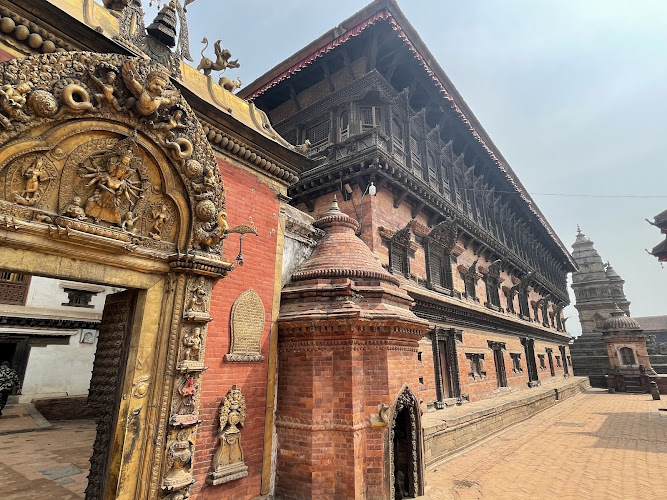
55 Window Palace
63 Satdobato-Godavari Rd
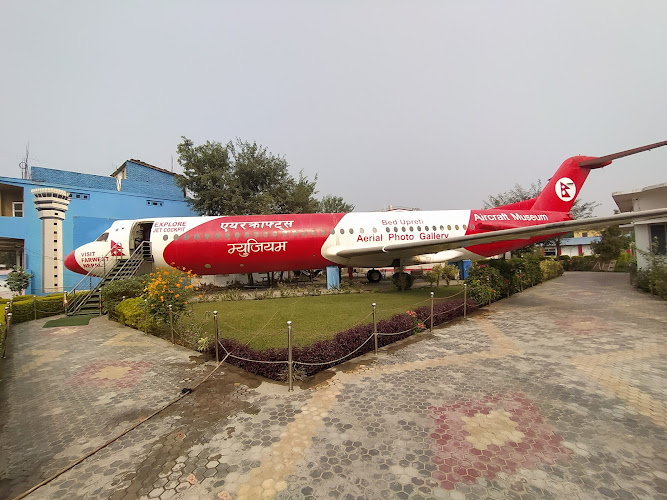
Aircraft Museum
Tours & Activities
GetYourGuide provides this tour inventory. We may earn a commission if you book through it; verify current availability, prices, and terms with the provider.
Visitor Reviews
There are no reviews yet. Be the first one to write one.
Share Your Experience
Have you visited Godawari Kunda गोदावरी कुण्ड? Help other travelers by leaving a review.