
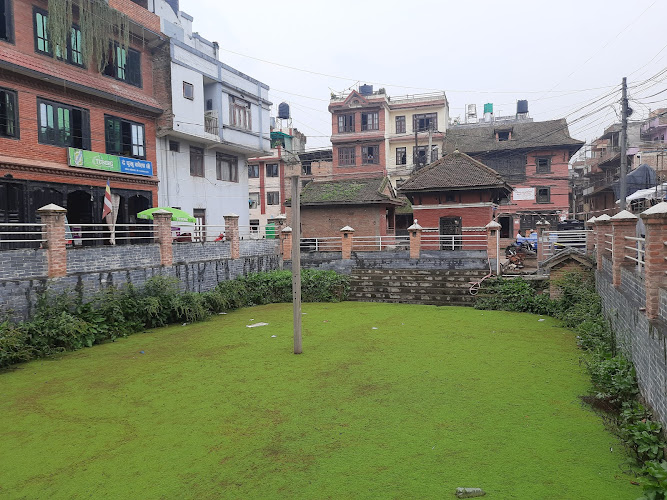
De Pukhu
About De Pukhu
Description
If you’ve ever yearned to trade your morning rush for rippling water, fishing lines, and a dose of local tranquility, De Pukhu quietly calls your name. This isn’t some loud, overrun tourist pond with endless selfie sticks and overpriced cold drinks (not that there's anything wrong with those now and then, but you get me). De Pukhu is a humble, honest fishing pond where the world slows down and, honestly, you might notice your stress untying itself just a little.
Now, I’ve visited countless fishing spots—both the “buzzy” types and the secret, almost-hidden hangouts where old-timers swap fish tales. De Pukhu falls somewhere in between: definitely known by locals and those in the know, yet possessing a laid-back vibe you don’t always bump into. It isn’t flashy. You arrive, you take in the earthy scent, and you can sense this is a spot meant for patience, not spectacle.
The pond’s water is usually a mirror on calm days, reflecting the low Nepalese sky and distant hills. When you sit along the banks, you’ll spot folks from different walks of life—maybe a dad teaching his kid to cast, or a group of friends quietly competing for bragging rights. There’s a real sense of community, but everyone tends to give you your space. What makes De Pukhu stand out to me, beyond the actual fishing, is the everyday snapshot of local life you can observe—chats in low voices, easy laughter drifting across the water, and time somehow stretching out longer than you’d expect.
But, for all its charm, it’s not perfect. Sometimes, especially after a dry spell or heavy rain, the water can get a tad murky. On rare occasions, the fish mightn’t bite as eagerly, and the facilities lean toward the basic side. If you’re expecting resort-level service, this ain’t the place for that (and honestly, thank goodness). But if you’re up for a refreshingly down-to-earth, genuine experience—well, that’s De Pukhu through and through.
Key Features
- Authentic Local Experience: The atmosphere is all about genuine interactions. Watch and mingle with local anglers and families rather than tourists chasing Instagram fame.
- Peaceful Setting: Surrounded by natural vegetation and gentle slopes, the pond is a true retreat from the city’s noise.
- Wildlife Spotting: Birds, butterflies, and sometimes frogs; the wildlife here adds something special, even if you’re not much of a fisher.
- Flexible Fishing Options: Whether you’re a newbie holding a rod backwards (happened to me on my first trip, embarrassing but true) or a seasoned angler with a tacklebox that’d make pros jealous, you’ll find this pond accommodating.
- Unpretentious Vibe: No ticketed shows, no overpriced snacks, just a straightforward day spent by the water with likeminded people.
- Room for Small Picnics: Bring a thermos of chiya and some local snacks and create your own afternoon escape.
- Proximity to Other Attractions: Located within an easy trip from lesser-known temples, local markets, and scenic pathways—perfect for building a lazy day itinerary.
Best Time to Visit
Here’s the honest truth: De Pukhu has its moods. Late mornings and afternoons in the dry season (roughly October through early March) often bless you with clear water reflections and temperate weather—not too sticky, not bone-chilling cold either. I find the light just before sunset especially magical, turning the landscape gold and everything more peaceful (plus, fish are often biting around then, lucky for you).
Monsoon season, which shows up like clockwork from June through August, transforms the pond into something wild and unpredictable. Sometimes the pond swells or the banks get slippery, and fishing can be more of a challenge—though, for the adventurous, there’s a unique beauty amid the drizzle. One small warning: weekends and local holidays can see a spike in visitors. If you favor quieter scenes, aim for a weekday or early morning.
How to Get There
So, you want to actually reach De Pukhu without your phone map giving you anxiety? I’ve got you. If you’re staying in Kathmandu or Patan, you’re looking at about a 40-minute drive in average traffic—sometimes longer if cows decide to parade the road (it does happen).
Most travelers opt for a hired taxi or private car, which grants some flexibility if you want to make spontaneous stops (highly recommended—Nepal is all about the unexpected detours, trust me). Local buses also ply the broader Karyabinayak area, but you’ll have to finish the journey on foot for 10-15 minutes. Make sure you clarify with your driver to get off near the right turn-off; the signage isn’t museum quality—blink and you might miss it.
For the outdoorsy types who love earning their experiences, renting a cycle and pedaling there is absolutely doable. The route is safe, scenic, and gives you a chance to soak up local life. Just remember: the final short stretch tends to be a bit rough. Wear sturdy shoes, especially if it’s rained recently.
Tips for Visiting
- Pack Light, But Be Prepared: Take the essentials: drinking water, sunscreen, bug spray, and maybe an extra snack or two. Not all nearby vendors open every day, so having your own rations is wise.
- Fishing License: Clarify on-site if you need a permit (rules can shift sometimes, as they tend to in this part of the world, but usually it’s informal and managed by locals at the pond).
- Rod Rentals: Limited options are available, but if you’ve got your own equipment, it’ll serve you better. Rental rods can sometimes be a bit…well-loved (read: slightly wobbly).
- Respect the Space: This is more than just a fishing spot; it’s a community hangout. Take your trash, don’t disturb wildlife, and keep music on headphones. If you can, greet the locals—a “Namaste” opens doors more than you’d think.
- Expect Basic Amenities: Facilities here are minimal, so don’t anticipate luxury loos or polished benches. It’s functional, but rustic. If you’re picky about restrooms, plan accordingly.
- Weather Changes Fast: Skies can shift quick in these parts. One moment it’s blue, the next you’ve got a drizzle—carry a light rain jacket just in case, even outside the monsoon.
- Capture the Moment (Mindfully): The pond and its people make for fantastic photos, but always ask before snapping portraits. Most are happy to share, but it’s polite to check—plus, you might just make a friend for life.
- Give Yourself Time: Rushing through De Pukhu pretty much misses the point. Stay a few hours, soak in the slower rhythm, and you’ll leave lighter. Trust me on this.
At the end of the day, De Pukhu isn’t about grandeur; it’s about getting your hands a bit dirty, your mind a little calmer, and your sense of curiosity fed. If you lean into its simplicity, you’ll uncover one of Nepal’s quieter treasures—the kind that sticks with you long after the fishing stories fade. And if you catch a whopper, hey, that’s just the icing on the cake.
Key Features
- Key Features
- Best Time to Visit
- How to Get There
- Tips for Visiting
More Details
Updated July 5, 2025
Table of Contents
Description
If you’ve ever yearned to trade your morning rush for rippling water, fishing lines, and a dose of local tranquility, De Pukhu quietly calls your name. This isn’t some loud, overrun tourist pond with endless selfie sticks and overpriced cold drinks (not that there’s anything wrong with those now and then, but you get me). De Pukhu is a humble, honest fishing pond where the world slows down and, honestly, you might notice your stress untying itself just a little.
Now, I’ve visited countless fishing spots—both the “buzzy” types and the secret, almost-hidden hangouts where old-timers swap fish tales. De Pukhu falls somewhere in between: definitely known by locals and those in the know, yet possessing a laid-back vibe you don’t always bump into. It isn’t flashy. You arrive, you take in the earthy scent, and you can sense this is a spot meant for patience, not spectacle.
The pond’s water is usually a mirror on calm days, reflecting the low Nepalese sky and distant hills. When you sit along the banks, you’ll spot folks from different walks of life—maybe a dad teaching his kid to cast, or a group of friends quietly competing for bragging rights. There’s a real sense of community, but everyone tends to give you your space. What makes De Pukhu stand out to me, beyond the actual fishing, is the everyday snapshot of local life you can observe—chats in low voices, easy laughter drifting across the water, and time somehow stretching out longer than you’d expect.
But, for all its charm, it’s not perfect. Sometimes, especially after a dry spell or heavy rain, the water can get a tad murky. On rare occasions, the fish mightn’t bite as eagerly, and the facilities lean toward the basic side. If you’re expecting resort-level service, this ain’t the place for that (and honestly, thank goodness). But if you’re up for a refreshingly down-to-earth, genuine experience—well, that’s De Pukhu through and through.
Key Features
- Authentic Local Experience: The atmosphere is all about genuine interactions. Watch and mingle with local anglers and families rather than tourists chasing Instagram fame.
- Peaceful Setting: Surrounded by natural vegetation and gentle slopes, the pond is a true retreat from the city’s noise.
- Wildlife Spotting: Birds, butterflies, and sometimes frogs; the wildlife here adds something special, even if you’re not much of a fisher.
- Flexible Fishing Options: Whether you’re a newbie holding a rod backwards (happened to me on my first trip, embarrassing but true) or a seasoned angler with a tacklebox that’d make pros jealous, you’ll find this pond accommodating.
- Unpretentious Vibe: No ticketed shows, no overpriced snacks, just a straightforward day spent by the water with likeminded people.
- Room for Small Picnics: Bring a thermos of chiya and some local snacks and create your own afternoon escape.
- Proximity to Other Attractions: Located within an easy trip from lesser-known temples, local markets, and scenic pathways—perfect for building a lazy day itinerary.
Best Time to Visit
Here’s the honest truth: De Pukhu has its moods. Late mornings and afternoons in the dry season (roughly October through early March) often bless you with clear water reflections and temperate weather—not too sticky, not bone-chilling cold either. I find the light just before sunset especially magical, turning the landscape gold and everything more peaceful (plus, fish are often biting around then, lucky for you).
Monsoon season, which shows up like clockwork from June through August, transforms the pond into something wild and unpredictable. Sometimes the pond swells or the banks get slippery, and fishing can be more of a challenge—though, for the adventurous, there’s a unique beauty amid the drizzle. One small warning: weekends and local holidays can see a spike in visitors. If you favor quieter scenes, aim for a weekday or early morning.
How to Get There
So, you want to actually reach De Pukhu without your phone map giving you anxiety? I’ve got you. If you’re staying in Kathmandu or Patan, you’re looking at about a 40-minute drive in average traffic—sometimes longer if cows decide to parade the road (it does happen).
Most travelers opt for a hired taxi or private car, which grants some flexibility if you want to make spontaneous stops (highly recommended—Nepal is all about the unexpected detours, trust me). Local buses also ply the broader Karyabinayak area, but you’ll have to finish the journey on foot for 10-15 minutes. Make sure you clarify with your driver to get off near the right turn-off; the signage isn’t museum quality—blink and you might miss it.
For the outdoorsy types who love earning their experiences, renting a cycle and pedaling there is absolutely doable. The route is safe, scenic, and gives you a chance to soak up local life. Just remember: the final short stretch tends to be a bit rough. Wear sturdy shoes, especially if it’s rained recently.
Tips for Visiting
- Pack Light, But Be Prepared: Take the essentials: drinking water, sunscreen, bug spray, and maybe an extra snack or two. Not all nearby vendors open every day, so having your own rations is wise.
- Fishing License: Clarify on-site if you need a permit (rules can shift sometimes, as they tend to in this part of the world, but usually it’s informal and managed by locals at the pond).
- Rod Rentals: Limited options are available, but if you’ve got your own equipment, it’ll serve you better. Rental rods can sometimes be a bit…well-loved (read: slightly wobbly).
- Respect the Space: This is more than just a fishing spot; it’s a community hangout. Take your trash, don’t disturb wildlife, and keep music on headphones. If you can, greet the locals—a “Namaste” opens doors more than you’d think.
- Expect Basic Amenities: Facilities here are minimal, so don’t anticipate luxury loos or polished benches. It’s functional, but rustic. If you’re picky about restrooms, plan accordingly.
- Weather Changes Fast: Skies can shift quick in these parts. One moment it’s blue, the next you’ve got a drizzle—carry a light rain jacket just in case, even outside the monsoon.
- Capture the Moment (Mindfully): The pond and its people make for fantastic photos, but always ask before snapping portraits. Most are happy to share, but it’s polite to check—plus, you might just make a friend for life.
- Give Yourself Time: Rushing through De Pukhu pretty much misses the point. Stay a few hours, soak in the slower rhythm, and you’ll leave lighter. Trust me on this.
At the end of the day, De Pukhu isn’t about grandeur; it’s about getting your hands a bit dirty, your mind a little calmer, and your sense of curiosity fed. If you lean into its simplicity, you’ll uncover one of Nepal’s quieter treasures—the kind that sticks with you long after the fishing stories fade. And if you catch a whopper, hey, that’s just the icing on the cake.
Key Highlights
- Key Features
- Best Time to Visit
- How to Get There
- Tips for Visiting
Location
Places to Stay Near De Pukhu
Find and Book a Tour
Explore More Travel Guides
No reviews found! Be the first to review!
Traveler Reviews for De Pukhu
There are no reviews yet. Be the first one to write one.
Have you visited De Pukhu? Help other travelers by sharing your review.
You Might Also Like
Siddhartha Sunny Resort

Godawari Marble Danda
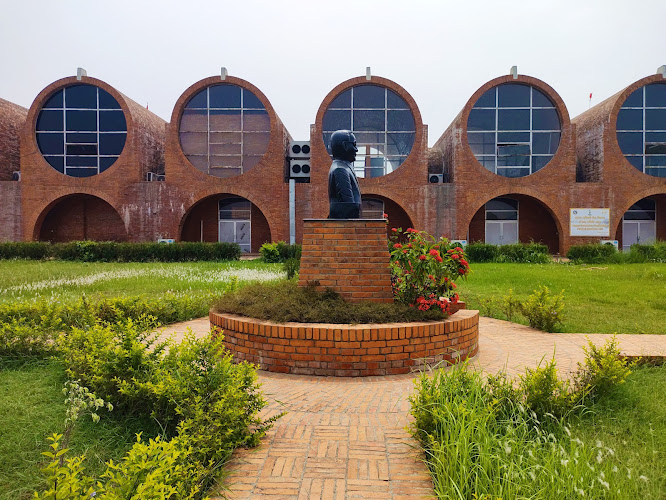
Lumbini Museum
Find Accommodations Nearby
Recommended Tours & Activities
Visitor Reviews
There are no reviews yet. Be the first one to write one.
Share Your Experience
Have you visited De Pukhu? Help other travelers by leaving a review.