
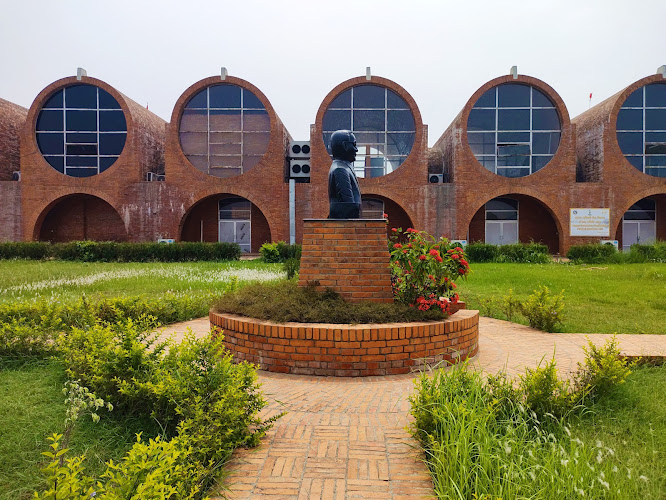
Lumbini Museum
About Lumbini Museum
The Lumbini Museum, located right at the entrance of the Sacred Garden in Nepal, is a place where history, spirituality, and culture meet in a way that feels both grounding and inspiring. It’s not just another museum stacked with old relics behind glass cases—it’s more like a thoughtful journey through the story of the Buddha’s life, the origins of Buddhism, and the archaeological finds that make Lumbini such a significant UNESCO World Heritage Site. Travelers often describe it as a calm, almost meditative space, which makes sense given the subject matter. But, like any museum, not everyone walks out equally impressed. Some visitors find it a bit modest compared to big, flashy museums elsewhere, while others appreciate its simplicity and authenticity. Personally, I think that’s part of its charm—it doesn’t try to overwhelm you; it invites you to slow down and reflect.
Inside, the atmosphere is quiet, with sunlight filtering into the galleries and displays that range from centuries-old artifacts to modern interpretations of Buddhist art. And yes, it’s family-friendly. Kids can explore comfortably here (there are changing tables for parents, which is always a win), and the museum is fully accessible, with wheelchair-friendly entrances, restrooms, and parking. There’s even a restaurant on-site, which is convenient if you’ve been wandering the Sacred Garden all day and need a break. Overall, the museum strikes a balance: it’s not perfect, but it’s meaningful. If you’re the kind of traveler who values depth over dazzle, you’ll likely walk away feeling satisfied.
Key Features
- Extensive collection of Buddhist manuscripts, sculptures, and archaeological artifacts from the Lumbini region
- Exhibits that trace the life of Siddhartha Gautama (the Buddha) and the spread of Buddhism across Asia
- Peaceful galleries designed for reflection rather than spectacle
- Wheelchair-accessible facilities, including restrooms and parking
- On-site restaurant and rest areas for longer visits
- Kid-friendly environment with changing tables and open spaces
- Location at the gateway to the Sacred Garden, making it easy to combine with visits to the Maya Devi Temple and other nearby sites
Best Time to Visit
Timing can make a big difference in how you experience the Lumbini Museum. The cooler months from October to March are generally the most comfortable for exploring, especially if you’re also planning to walk around the Sacred Garden. The afternoons can get warm, but the museum itself is a great retreat from the sun. If you’re someone who enjoys quiet spaces, mornings tend to be less crowded, giving you the chance to wander slowly without feeling rushed. During Buddhist festivals like Buddha Jayanti, the museum and surrounding area come alive with pilgrims and ceremonies. It’s busier, yes, but also deeply moving if you don’t mind the crowds. Personally, I’d say go during the shoulder seasons—April or late September—when the weather is still pleasant but the tourist numbers are a bit lower.
How to Get There
Reaching the Lumbini Museum isn’t complicated, but it does depend on your starting point. If you’re flying, the nearest airport is Gautam Buddha International Airport in Bhairahawa, just a short drive away. From there, taxis and local buses can get you to the Lumbini Development Zone in under an hour. For those traveling overland from Kathmandu or Pokhara, buses and private vehicles are the most common options, though the ride can be long and bumpy—so pack some snacks and patience. Once you’re inside the Lumbini complex, the museum is easy to spot since it sits right at the entrance of the Sacred Garden. I’d recommend walking or renting a bicycle if you’re already in the area, as it’s a pleasant way to move around and soak in the atmosphere.
Tips for Visiting
A few practical tips can make your visit smoother and more enjoyable. First off, give yourself at least an hour here. Even though the museum isn’t massive, the exhibits deserve a bit of slow wandering. Bring a bottle of water—while there’s a restaurant, you’ll appreciate having something handy as you explore. Photography rules can vary, so check before snapping pictures. And if you’re traveling with kids, the museum is manageable without overwhelming them, but it’s good to plan breaks so they don’t get restless.
Another tip: pair your museum visit with the Maya Devi Temple and the monastic zones nearby. It gives you a fuller picture of Lumbini’s significance. Wear comfortable shoes, because you’ll likely be doing a lot of walking in and around the Sacred Garden. If you’re sensitive to heat, mornings are your best bet. And don’t rush—this is a place about reflection, after all. Take a moment to sit down inside the museum, let the silence sink in, and just think about the fact that you’re standing in the birthplace of the Buddha. That realization alone makes the trip worthwhile.
Key Features
- Extensive collection of Buddhist manuscripts, sculptures, and archaeological artifacts from the Lumbini region
- Exhibits that trace the life of Siddhartha Gautama (the Buddha) and the spread of Buddhism across Asia
- Peaceful galleries designed for reflection rather than spectacle
- Wheelchair-accessible facilities, including restrooms and parking
- On-site restaurant and rest areas for longer visits
- Kid-friendly environment with changing tables and open spaces
- Location at the gateway to the Sacred Garden, making it easy to combine with visits to the Maya Devi Temple and other nearby sites
You Might Also Like
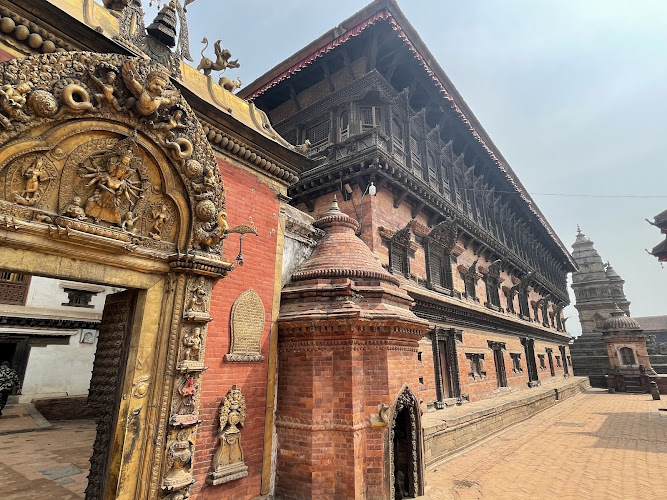
55 Window Palace
63 Satdobato-Godavari Rd
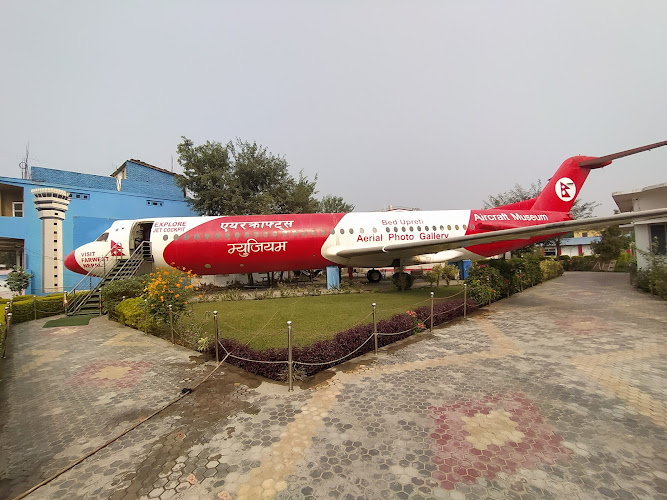
Aircraft Museum
Tours & Activities
GetYourGuide provides this tour inventory. We may earn a commission if you book through it; verify current availability, prices, and terms with the provider.
Visitor Reviews
There are no reviews yet. Be the first one to write one.
Share Your Experience
Have you visited Lumbini Museum? Help other travelers by leaving a review.