
Tokoname Pottery Footpath
About Tokoname Pottery Footpath
Description
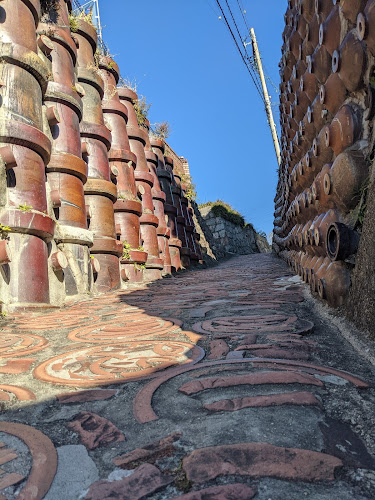
If you’ve ever been curious about what life looked like in a Japanese pottery village during the Showa era, the Tokoname Pottery Footpath is a pretty neat place to wander through. It’s not just some museum-like setup; it’s the actual remains of a working pottery town, with old chimneys and kilns standing as silent storytellers of a time when ceramics were the heartbeat of this community. Walking along the footpath, you’ll find yourself surrounded by these rustic relics—some crumbling, some surprisingly well-preserved—which give you a real sense of the grit and grind it took to make Tokoname ware, a style of pottery known for its earthy tones and practical beauty.
What’s charming about this spot is that it’s not frozen in time like a dusty exhibit. Instead, it’s alive with ceramics shops and galleries where local artisans still craft and sell their work. You can peek behind the scenes, chat with potters if you’re lucky, and maybe even snag a unique piece to take home. It’s a little slice of living history that’s also a celebration of creativity and tradition.
Now, I won’t sugarcoat it—this place isn’t your typical polished tourist trap. Accessibility is a bit of a challenge here; wheelchairs and strollers might struggle because of uneven paths and older facilities. But if you’re up for a bit of an adventure, and you don’t mind some rough edges, it’s a rewarding experience. Plus, they do have restrooms which is always a relief when you’re out exploring.
Families with kids? You’ll find this spot surprisingly kid-friendly. The open spaces and interesting sights like towering chimneys and quirky pottery shapes can spark some genuine curiosity in little ones. Just keep an eye out for the uneven ground.
Key Features
- Historic Showa-era pottery village remains, including authentic chimneys and kilns
- Active ceramics shops and galleries showcasing Tokoname ware craftsmanship
- Opportunity to interact with local artisans and observe pottery-making processes
- Family-friendly environment with engaging sights for children
- Basic amenities such as restrooms available onsite
- Uneven terrain reflecting the authentic, unpolished nature of the site
- Rich cultural insight into the traditional pottery industry of Tokoname
Best Time to Visit
Honestly, Tokoname Pottery Footpath is worth a visit pretty much year-round, but if you want to avoid the crowds and still enjoy pleasant weather, spring and autumn are your best bets. The mild temperatures make wandering the outdoor footpath much more comfortable—no sweating buckets or freezing fingers. Plus, during these seasons, the natural light casts a soft glow on the old kilns and pottery displays, making for some pretty stunning photos.
Summer can get hot and humid, which might make the walk a bit tiring, especially since there’s limited shaded areas along the path. Winter is quiet and peaceful, but some shops might be closed on certain days, so it’s good to check ahead if you’re planning a cold-weather trip.
How to Get There
Getting to Tokoname Pottery Footpath is fairly straightforward if you’re coming from Nagoya or nearby cities. The easiest way is by train—Tokoname Station is on the Meitetsu line, and from there, the footpath is just a short walk away. It’s one of those trips where you can just hop off the train and be immersed in pottery history within minutes. If you’re driving, parking can be a bit limited, so arriving early or using public transport might save you some hassle.
Once you’re in the area, just follow the signs or ask locals—they’re usually friendly and happy to point you in the right direction. The footpath is well-marked, so getting lost is pretty unlikely unless you decide to take a few detours to explore hidden alleys and side streets (which, honestly, I recommend).
Tips for Visiting
First off, wear comfortable shoes. The path isn’t paved like a mall corridor; expect some gravel, uneven stones, and a bit of climbing over small inclines. Trust me, your feet will thank you.
Bring cash. Some of the smaller pottery shops and galleries might not take cards, and you’ll want to support the local artisans if you find something that catches your eye. Speaking of which, don’t be shy about chatting with the potters — they often love sharing stories about their craft and might even show you a trick or two.
Time your visit to coincide with local events or pottery workshops if possible. These aren’t always advertised widely in English, so checking with the local tourism office or your accommodation can give you a heads-up on any cool happenings.
And here’s a little insider nugget: keep an eye out for the subtle differences in Tokoname ware styles as you stroll. The variations in glaze, shape, and texture tell a story of evolving techniques and personal touches from different artisans. It’s like a ceramic detective game if you’re into that sort of thing.
Lastly, don’t rush. The charm of the Tokoname Pottery Footpath lies in soaking up the atmosphere, imagining the old kiln fires burning late into the night, and appreciating the blend of history and living art. Take your time, breathe it all in, and maybe grab a cup of tea at one of the local cafes nearby to mull it all over.
Key Features
- Historic Showa-era pottery village remains, including authentic chimneys and kilns
- Active ceramics shops and galleries showcasing Tokoname ware craftsmanship
- Opportunity to interact with local artisans and observe pottery-making processes
- Family-friendly environment with engaging sights for children
- Basic amenities such as restrooms available onsite
- Uneven terrain reflecting the authentic, unpolished nature of the site
- Rich cultural insight into the traditional pottery industry of Tokoname
More Details
Updated July 16, 2025
Table of Contents
Description
If you’ve ever been curious about what life looked like in a Japanese pottery village during the Showa era, the Tokoname Pottery Footpath is a pretty neat place to wander through. It’s not just some museum-like setup; it’s the actual remains of a working pottery town, with old chimneys and kilns standing as silent storytellers of a time when ceramics were the heartbeat of this community. Walking along the footpath, you’ll find yourself surrounded by these rustic relics—some crumbling, some surprisingly well-preserved—which give you a real sense of the grit and grind it took to make Tokoname ware, a style of pottery known for its earthy tones and practical beauty.
What’s charming about this spot is that it’s not frozen in time like a dusty exhibit. Instead, it’s alive with ceramics shops and galleries where local artisans still craft and sell their work. You can peek behind the scenes, chat with potters if you’re lucky, and maybe even snag a unique piece to take home. It’s a little slice of living history that’s also a celebration of creativity and tradition.
Now, I won’t sugarcoat it—this place isn’t your typical polished tourist trap. Accessibility is a bit of a challenge here; wheelchairs and strollers might struggle because of uneven paths and older facilities. But if you’re up for a bit of an adventure, and you don’t mind some rough edges, it’s a rewarding experience. Plus, they do have restrooms which is always a relief when you’re out exploring.
Families with kids? You’ll find this spot surprisingly kid-friendly. The open spaces and interesting sights like towering chimneys and quirky pottery shapes can spark some genuine curiosity in little ones. Just keep an eye out for the uneven ground.
Key Features
- Historic Showa-era pottery village remains, including authentic chimneys and kilns
- Active ceramics shops and galleries showcasing Tokoname ware craftsmanship
- Opportunity to interact with local artisans and observe pottery-making processes
- Family-friendly environment with engaging sights for children
- Basic amenities such as restrooms available onsite
- Uneven terrain reflecting the authentic, unpolished nature of the site
- Rich cultural insight into the traditional pottery industry of Tokoname
Best Time to Visit
Honestly, Tokoname Pottery Footpath is worth a visit pretty much year-round, but if you want to avoid the crowds and still enjoy pleasant weather, spring and autumn are your best bets. The mild temperatures make wandering the outdoor footpath much more comfortable—no sweating buckets or freezing fingers. Plus, during these seasons, the natural light casts a soft glow on the old kilns and pottery displays, making for some pretty stunning photos.
Summer can get hot and humid, which might make the walk a bit tiring, especially since there’s limited shaded areas along the path. Winter is quiet and peaceful, but some shops might be closed on certain days, so it’s good to check ahead if you’re planning a cold-weather trip.
How to Get There
Getting to Tokoname Pottery Footpath is fairly straightforward if you’re coming from Nagoya or nearby cities. The easiest way is by train—Tokoname Station is on the Meitetsu line, and from there, the footpath is just a short walk away. It’s one of those trips where you can just hop off the train and be immersed in pottery history within minutes. If you’re driving, parking can be a bit limited, so arriving early or using public transport might save you some hassle.
Once you’re in the area, just follow the signs or ask locals—they’re usually friendly and happy to point you in the right direction. The footpath is well-marked, so getting lost is pretty unlikely unless you decide to take a few detours to explore hidden alleys and side streets (which, honestly, I recommend).
Tips for Visiting
First off, wear comfortable shoes. The path isn’t paved like a mall corridor; expect some gravel, uneven stones, and a bit of climbing over small inclines. Trust me, your feet will thank you.
Bring cash. Some of the smaller pottery shops and galleries might not take cards, and you’ll want to support the local artisans if you find something that catches your eye. Speaking of which, don’t be shy about chatting with the potters — they often love sharing stories about their craft and might even show you a trick or two.
Time your visit to coincide with local events or pottery workshops if possible. These aren’t always advertised widely in English, so checking with the local tourism office or your accommodation can give you a heads-up on any cool happenings.
And here’s a little insider nugget: keep an eye out for the subtle differences in Tokoname ware styles as you stroll. The variations in glaze, shape, and texture tell a story of evolving techniques and personal touches from different artisans. It’s like a ceramic detective game if you’re into that sort of thing.
Lastly, don’t rush. The charm of the Tokoname Pottery Footpath lies in soaking up the atmosphere, imagining the old kiln fires burning late into the night, and appreciating the blend of history and living art. Take your time, breathe it all in, and maybe grab a cup of tea at one of the local cafes nearby to mull it all over.
Key Highlights
- Historic Showa-era pottery village remains, including authentic chimneys and kilns
- Active ceramics shops and galleries showcasing Tokoname ware craftsmanship
- Opportunity to interact with local artisans and observe pottery-making processes
- Family-friendly environment with engaging sights for children
- Basic amenities such as restrooms available onsite
- Uneven terrain reflecting the authentic, unpolished nature of the site
- Rich cultural insight into the traditional pottery industry of Tokoname
Location
Places to Stay Near Tokoname Pottery Footpath
Find and Book a Tour
Explore More Travel Guides
No reviews found! Be the first to review!
Traveler Reviews for Tokoname Pottery Footpath
There are no reviews yet. Be the first one to write one.
Have you visited Tokoname Pottery Footpath? Help other travelers by sharing your review.
You Might Also Like
Find Accommodations Nearby
Recommended Tours & Activities
Visitor Reviews
There are no reviews yet. Be the first one to write one.
Share Your Experience
Have you visited Tokoname Pottery Footpath? Help other travelers by leaving a review.