
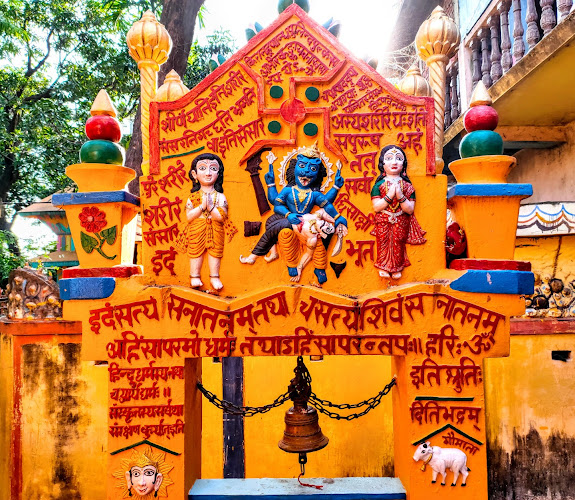
Purusottam Temple
About Purusottam Temple
The Purusottam Temple stands as a quietly majestic testament to devotion and architectural finesse, drawing visitors who seek both spiritual solace and a glimpse into India’s rich cultural tapestry. Unlike some temples that overwhelm you with crowds or flashy displays, this one offers a more intimate experience, where the calm hum of prayers and the scent of incense create an atmosphere that’s almost meditative. It’s not just a place of worship; it’s a place where time seems to slow down, inviting you to pause and soak in the peaceful vibe.
One thing that really struck me was how the temple manages to balance its historical roots with the everyday lives of locals. You’ll see families coming in for their daily rituals, elderly folks sharing stories on the steps, and curious travelers like yourself wandering through, all blending into a seamless mosaic of tradition and life. The architecture itself isn’t overly ornate but carries a certain understated elegance that grows on you the longer you stay. The carvings, while not screaming for attention, reveal intricate details that hint at centuries of craftsmanship.
What’s also interesting is the sense of community the temple fosters. It’s not just about the deity inside; it’s about the people who keep the place alive. On any given day, you might catch a glimpse of volunteers preparing offerings or musicians tuning their instruments for an upcoming festival. It’s this living, breathing aspect that makes the Purusottam Temple feel less like a tourist stop and more like a genuine slice of local life.
Now, it’s not perfect—some might find the facilities a bit basic, and the crowd during festival times can get a little overwhelming. But honestly, those moments add to the authenticity rather than detract from it. If you’re after a polished, commercialized experience, this might not be your cup of chai. But if you want a sincere, heartfelt encounter with spirituality and culture, the Purusottam Temple delivers.
Key Features
- Ancient yet well-preserved architecture showcasing traditional Hindu temple design
- Serene atmosphere perfect for meditation and quiet reflection
- Regular religious ceremonies and festivals that offer a glimpse into local customs
- Friendly and welcoming local community involved in temple upkeep and rituals
- Intricate carvings and sculptures that reveal the artistry of bygone eras
- Accessible for travelers with basic but sufficient amenities
- Opportunities to witness or participate in devotional music and dance performances
- Peaceful temple courtyard ideal for photography and soaking in the ambiance
Best Time to Visit
Picking the right time to visit the Purusottam Temple can really shape your experience. If you’re like me, who enjoys soaking up the local vibe without elbowing through crowds, the off-peak seasons—generally between October and February—are your best bet. The weather is cooler, which makes wandering around the temple grounds a lot more pleasant, and the crowds thin out enough to let you take it all in at your own pace.
That said, there’s something undeniably captivating about visiting during the temple’s major festivals. The energy ramps up, the air fills with chants and music, and you get to see the temple lit up in ways that photos just can’t capture. Just be prepared: it’s busy, bustling, and a bit chaotic. If you thrive in that kind of atmosphere, then timing your visit around these celebrations will reward you with memories that stick for a lifetime.
Personally, I found the early mornings in the cooler months the most magical—there’s this soft light filtering through the temple’s pillars and a quiet buzz as devotees begin their day. It’s like catching the temple at its most honest moment, before the day’s hustle kicks in.
How to Get There
Getting to the Purusottam Temple isn’t as complicated as you might fear, even if you’re not a seasoned traveler. Depending on where you’re coming from, there are a few options to consider. If you’re flying in, the nearest major airport is usually within a couple of hours’ drive, so you can grab a taxi or a local bus to reach the temple. The roads leading to the temple are generally in decent shape, though I’d recommend avoiding late-night travel just to be safe.
For those who love a bit of adventure, taking the train is a charming way to arrive. The railway station nearby connects well with major cities, and the journey offers a slice of rural life that you won’t see from the highway. From the station, tuk-tuks and auto-rickshaws are plentiful and quite affordable, making the last leg of your trip hassle-free.
If you’re road-tripping, the temple is well-signposted, and parking is usually available nearby, though it can fill up during festival days. Just a heads-up: the streets around the temple can get a little congested, so patience is key. But honestly, that’s part of the charm—watching the ebb and flow of local life as you make your way there.
Tips for Visiting
Alright, here’s where I get a little personal because I’ve learned a few things the hard way. First off, dress respectfully. The temple is a sacred place, so covering your shoulders and knees is a must. It’s not about being restrictive—it’s about showing a bit of respect for the culture and the people who hold this place dear.
Try to visit early in the day if you can. The mornings are less crowded, and the temperature is easier to handle. Plus, you get to see some of the morning rituals, which are genuinely beautiful and calming. I remember once stumbling upon a small group of devotees singing hymns—it was like stepping into a different world.
Don’t be shy about asking questions! The locals are usually more than happy to share stories and explain the significance of various rituals or temple features. Sometimes, these little conversations turn into the most memorable parts of the visit.
Also, bring some cash. While there’s no big shopping spree here, small donations and offerings are part of the experience, and many vendors selling prasadam (blessed food) or souvenirs prefer cash. And if you’re into photography, be mindful of where and when you snap pictures—some areas might be off-limits, and it’s always good to ask first.
Finally, take your time. The Purusottam Temple isn’t a place to rush through. Sit on the steps, watch the sun play on the temple walls, listen to the chants, and just breathe it all in. Trust me, it’ll stay with you long after you leave.
Key Features
- Ancient yet well-preserved architecture showcasing traditional Hindu temple design
- Serene atmosphere perfect for meditation and quiet reflection
- Regular religious ceremonies and festivals that offer a glimpse into local customs
- Friendly and welcoming local community involved in temple upkeep and rituals
- Intricate carvings and sculptures that reveal the artistry of bygone eras
- Accessible for travelers with basic but sufficient amenities
- Opportunities to witness or participate in devotional music and dance performances
- Peaceful temple courtyard ideal for photography and soaking in the ambiance
You Might Also Like
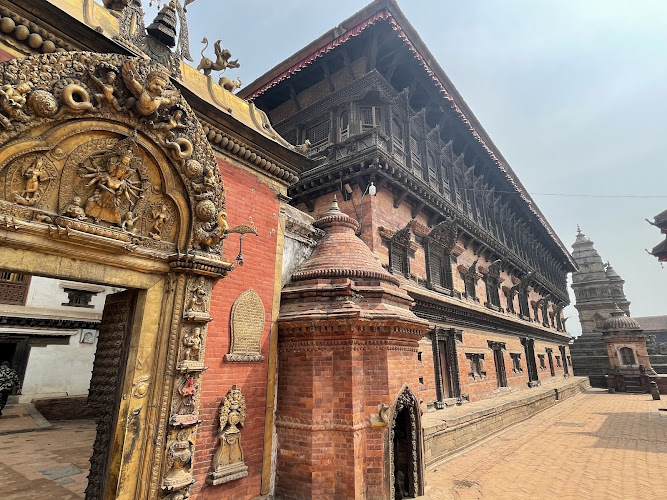
55 Window Palace

63 Satdobato-Godavari Rd

Aircraft Museum
Tours & Activities
GetYourGuide provides this tour inventory. We may earn a commission if you book through it; verify current availability, prices, and terms with the provider.
Visitor Reviews
There are no reviews yet. Be the first one to write one.
Share Your Experience
Have you visited Purusottam Temple? Help other travelers by leaving a review.