
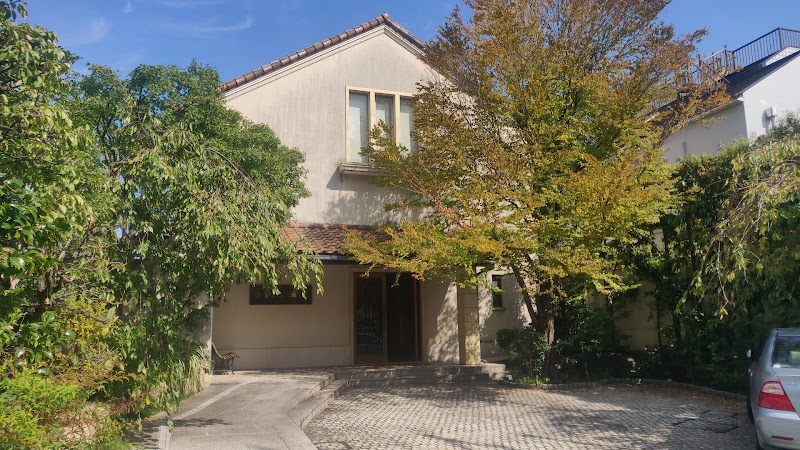
Kyoshi Memorial Museum of Literature
About Kyoshi Memorial Museum of Literature
Description
The Kyoshi Memorial Museum of Literature in Ashiya, Hyogo, is one of those places that quietly sneaks up on you. At first glance, it looks like a modest cultural stop, but once inside, you realize it’s a carefully curated tribute to Takahama Kyoshi, one of Japan’s most influential haiku poets. The museum doesn’t overwhelm you with flashy exhibits or endless corridors. Instead, it invites you into a slower rhythm, the kind of pace that makes you pause, read, and reflect. For travelers who are curious about Japanese literature, especially the haiku tradition, this museum feels like a thoughtful introduction to an art form that thrives on simplicity and depth.
What stands out is the building itself—it carries the architectural charm of the Taisho and early Showa eras. There’s a sense of stepping back in time, almost like entering the quiet study of an old poet. The exhibits are not massive, but they’re meaningful. You’ll find manuscripts, personal belongings, and handwritten works that let you peek into Kyoshi’s creative process. I’ve been to larger literary museums that felt sterile, but this one has a warmth that makes you linger longer than you expect.
The atmosphere is calm, almost meditative. It’s not the kind of place where you’ll find crowds rushing from one display to another. Instead, the museum draws in those who want to savor the details—whether it’s the brushstrokes of calligraphy or the subtle way Kyoshi’s haiku reflects the seasons. It’s the kind of spot where you might sit quietly for a while, letting the words settle in your mind. And honestly, in today’s fast-travel culture, that feels refreshing.
Accessibility is also a plus here. The museum has wheelchair access at the entrance, restrooms designed for accessibility, and even designated parking. That makes it a comfortable stop for travelers who often find smaller cultural institutions difficult to navigate. There’s no restaurant inside, but in a way, that adds to the charm—you step out and discover a local café or bakery nearby, which feels more authentic than grabbing a quick bite on-site.
Overall, the Kyoshi Memorial Museum of Literature is a place that rewards curiosity and patience. It doesn’t try to dazzle you with scale, but rather with intimacy. Some visitors might wish for more interactive displays or a bigger collection, but for many, that’s exactly the point—it’s a museum that mirrors the essence of haiku itself: simple, thoughtful, and quietly profound.
Key Features
- Dedicated to the life and works of Takahama Kyoshi, a pioneer of modern haiku
- Exhibits include manuscripts, personal artifacts, and original haiku works
- Architecture reflecting the Taisho to early Showa period
- Peaceful atmosphere ideal for literary reflection
- Wheelchair accessible entrance, restrooms, and parking
- Restrooms available on-site (no restaurant inside)
- Located in Ashiya, a city known for its cultural and residential charm
Best Time to Visit
Timing matters more than you’d think. The museum is open year-round, but each season adds a different flavor to the experience. Spring is particularly lovely because Kyoshi’s haiku often celebrate blossoms and renewal, so reading them while cherry trees bloom nearby feels almost poetic in itself. If you’re someone who loves autumn, the crisp air and fiery leaves around Ashiya make the visit even more atmospheric. Personally, I’d avoid midsummer afternoons—it can get hot and sticky in this part of Japan, and while the museum is air-conditioned, you’ll probably want to explore the surrounding area too. Winter is quiet and calm, which some travelers might find ideal for an introspective visit.
Weekdays are the best bet if you prefer a more private experience. Weekends can bring in small groups, especially local literature clubs or school trips, which sometimes changes the mood from contemplative to a bit busier. If you’re the type who likes to wander slowly without feeling rushed, plan for a weekday morning.
How to Get There
Getting to the Kyoshi Memorial Museum of Literature is relatively straightforward if you’re already exploring the Kansai region. Ashiya sits between Kobe and Osaka, so it’s well-connected by train. From Osaka, you can hop on the JR Kobe Line and be in Ashiya in under 20 minutes. From Kobe, it’s even quicker—just about 10 minutes. Once you arrive at Ashiya Station, it’s a short taxi ride or a pleasant walk depending on your energy level and the weather. I’ve walked it before, and while it’s not a strenuous trek, I’d recommend a taxi if you’re visiting in the summer heat.
For those renting a car, driving is also an option, and the museum provides accessible parking. That said, traffic in the Kansai area can get heavy, so unless you’re already road-tripping, the train is usually the more relaxing choice.
Tips for Visiting
Here are a few things I’ve learned that might make your visit smoother and more enjoyable:
- Take your time – This isn’t a museum you rush through. Give yourself at least an hour to really absorb the exhibits.
- Bring a notebook – If you’re into writing, you might find yourself inspired to jot down a few lines of your own. The quiet atmosphere practically begs for it.
- Check for local events – Occasionally, the museum hosts haiku-related gatherings or seasonal exhibitions. These can add an extra layer to your visit.
- Pair your trip – Since Ashiya sits between Kobe and Osaka, it’s easy to combine this stop with a food tour in Kobe or shopping in Osaka. Makes for a well-rounded day.
- Mind the no-restaurant factor – Plan to eat before or after. Luckily, Ashiya has some great local cafés where you can reflect on what you saw over coffee.
- Photography etiquette – Not all exhibits may allow photos, so check the signage or ask staff. It’s always better to be respectful in smaller museums like this.
And maybe the most important tip: go in with an open mind. You don’t have to be a haiku expert to enjoy this place. In fact, I think it’s more rewarding if you’re simply curious. The museum doesn’t demand prior knowledge—it just asks you to slow down, notice the details, and maybe leave with a new appreciation for the beauty of fewer words.
Key Features
- Dedicated to the life and works of Takahama Kyoshi, a pioneer of modern haiku
- Exhibits include manuscripts, personal artifacts, and original haiku works
- Architecture reflecting the Taisho to early Showa period
- Peaceful atmosphere ideal for literary reflection
- Wheelchair accessible entrance, restrooms, and parking
- Restrooms available on-site (no restaurant inside)
- Located in Ashiya, a city known for its cultural and residential charm
More Details
Updated September 11, 2025
Table of Contents
- Description
- Key Features
- Best Time to Visit
- How to Get There
- Tips for Visiting
- Key Highlights
- Location
- Places to Stay Near Kyoshi Memorial Museum of Literature
- Find and Book a Tour
- Explore More Travel Guides
- Nearby Places You Might Like
- Traveler Reviews for Kyoshi Memorial Museum of Literature
- Share Your Experience
Description
The Kyoshi Memorial Museum of Literature in Ashiya, Hyogo, is one of those places that quietly sneaks up on you. At first glance, it looks like a modest cultural stop, but once inside, you realize it’s a carefully curated tribute to Takahama Kyoshi, one of Japan’s most influential haiku poets. The museum doesn’t overwhelm you with flashy exhibits or endless corridors. Instead, it invites you into a slower rhythm, the kind of pace that makes you pause, read, and reflect. For travelers who are curious about Japanese literature, especially the haiku tradition, this museum feels like a thoughtful introduction to an art form that thrives on simplicity and depth.
What stands out is the building itself—it carries the architectural charm of the Taisho and early Showa eras. There’s a sense of stepping back in time, almost like entering the quiet study of an old poet. The exhibits are not massive, but they’re meaningful. You’ll find manuscripts, personal belongings, and handwritten works that let you peek into Kyoshi’s creative process. I’ve been to larger literary museums that felt sterile, but this one has a warmth that makes you linger longer than you expect.
The atmosphere is calm, almost meditative. It’s not the kind of place where you’ll find crowds rushing from one display to another. Instead, the museum draws in those who want to savor the details—whether it’s the brushstrokes of calligraphy or the subtle way Kyoshi’s haiku reflects the seasons. It’s the kind of spot where you might sit quietly for a while, letting the words settle in your mind. And honestly, in today’s fast-travel culture, that feels refreshing.
Accessibility is also a plus here. The museum has wheelchair access at the entrance, restrooms designed for accessibility, and even designated parking. That makes it a comfortable stop for travelers who often find smaller cultural institutions difficult to navigate. There’s no restaurant inside, but in a way, that adds to the charm—you step out and discover a local café or bakery nearby, which feels more authentic than grabbing a quick bite on-site.
Overall, the Kyoshi Memorial Museum of Literature is a place that rewards curiosity and patience. It doesn’t try to dazzle you with scale, but rather with intimacy. Some visitors might wish for more interactive displays or a bigger collection, but for many, that’s exactly the point—it’s a museum that mirrors the essence of haiku itself: simple, thoughtful, and quietly profound.
Key Features
- Dedicated to the life and works of Takahama Kyoshi, a pioneer of modern haiku
- Exhibits include manuscripts, personal artifacts, and original haiku works
- Architecture reflecting the Taisho to early Showa period
- Peaceful atmosphere ideal for literary reflection
- Wheelchair accessible entrance, restrooms, and parking
- Restrooms available on-site (no restaurant inside)
- Located in Ashiya, a city known for its cultural and residential charm
Best Time to Visit
Timing matters more than you’d think. The museum is open year-round, but each season adds a different flavor to the experience. Spring is particularly lovely because Kyoshi’s haiku often celebrate blossoms and renewal, so reading them while cherry trees bloom nearby feels almost poetic in itself. If you’re someone who loves autumn, the crisp air and fiery leaves around Ashiya make the visit even more atmospheric. Personally, I’d avoid midsummer afternoons—it can get hot and sticky in this part of Japan, and while the museum is air-conditioned, you’ll probably want to explore the surrounding area too. Winter is quiet and calm, which some travelers might find ideal for an introspective visit.
Weekdays are the best bet if you prefer a more private experience. Weekends can bring in small groups, especially local literature clubs or school trips, which sometimes changes the mood from contemplative to a bit busier. If you’re the type who likes to wander slowly without feeling rushed, plan for a weekday morning.
How to Get There
Getting to the Kyoshi Memorial Museum of Literature is relatively straightforward if you’re already exploring the Kansai region. Ashiya sits between Kobe and Osaka, so it’s well-connected by train. From Osaka, you can hop on the JR Kobe Line and be in Ashiya in under 20 minutes. From Kobe, it’s even quicker—just about 10 minutes. Once you arrive at Ashiya Station, it’s a short taxi ride or a pleasant walk depending on your energy level and the weather. I’ve walked it before, and while it’s not a strenuous trek, I’d recommend a taxi if you’re visiting in the summer heat.
For those renting a car, driving is also an option, and the museum provides accessible parking. That said, traffic in the Kansai area can get heavy, so unless you’re already road-tripping, the train is usually the more relaxing choice.
Tips for Visiting
Here are a few things I’ve learned that might make your visit smoother and more enjoyable:
- Take your time – This isn’t a museum you rush through. Give yourself at least an hour to really absorb the exhibits.
- Bring a notebook – If you’re into writing, you might find yourself inspired to jot down a few lines of your own. The quiet atmosphere practically begs for it.
- Check for local events – Occasionally, the museum hosts haiku-related gatherings or seasonal exhibitions. These can add an extra layer to your visit.
- Pair your trip – Since Ashiya sits between Kobe and Osaka, it’s easy to combine this stop with a food tour in Kobe or shopping in Osaka. Makes for a well-rounded day.
- Mind the no-restaurant factor – Plan to eat before or after. Luckily, Ashiya has some great local cafés where you can reflect on what you saw over coffee.
- Photography etiquette – Not all exhibits may allow photos, so check the signage or ask staff. It’s always better to be respectful in smaller museums like this.
And maybe the most important tip: go in with an open mind. You don’t have to be a haiku expert to enjoy this place. In fact, I think it’s more rewarding if you’re simply curious. The museum doesn’t demand prior knowledge—it just asks you to slow down, notice the details, and maybe leave with a new appreciation for the beauty of fewer words.
Key Highlights
- Dedicated to the life and works of Takahama Kyoshi, a pioneer of modern haiku
- Exhibits include manuscripts, personal artifacts, and original haiku works
- Architecture reflecting the Taisho to early Showa period
- Peaceful atmosphere ideal for literary reflection
- Wheelchair accessible entrance, restrooms, and parking
- Restrooms available on-site (no restaurant inside)
- Located in Ashiya, a city known for its cultural and residential charm
Location
Places to Stay Near Kyoshi Memorial Museum of Literature
Find and Book a Tour
Explore More Travel Guides
No reviews found! Be the first to review!
Traveler Reviews for Kyoshi Memorial Museum of Literature
There are no reviews yet. Be the first one to write one.
Have you visited Kyoshi Memorial Museum of Literature? Help other travelers by sharing your review.
You Might Also Like
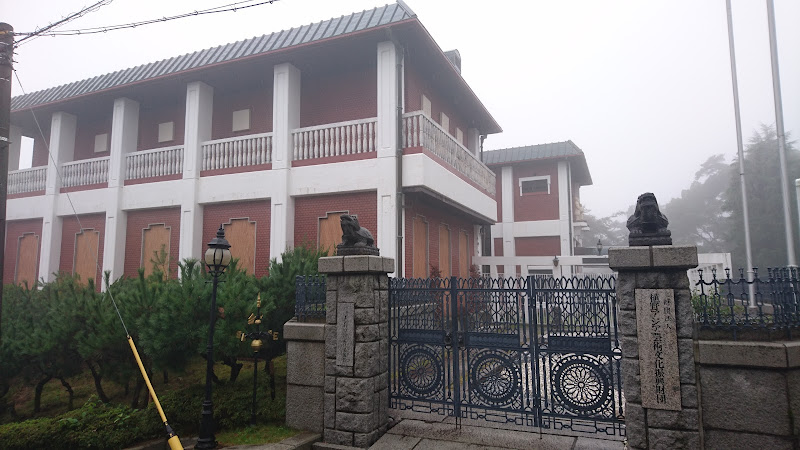
Emba Museum of Chinese Modern Art
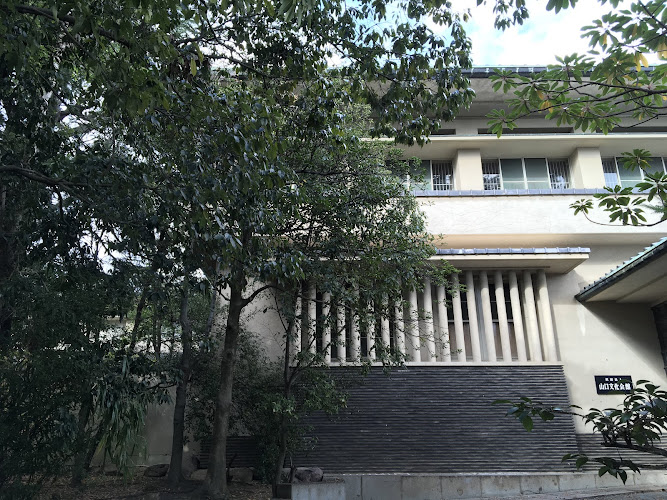
Tekisui Museum of Art
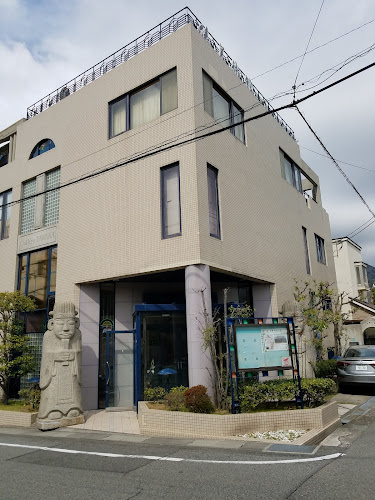
Tawara Museum
Find Accommodations Nearby
Recommended Tours & Activities
Visitor Reviews
There are no reviews yet. Be the first one to write one.
Share Your Experience
Have you visited Kyoshi Memorial Museum of Literature? Help other travelers by leaving a review.