
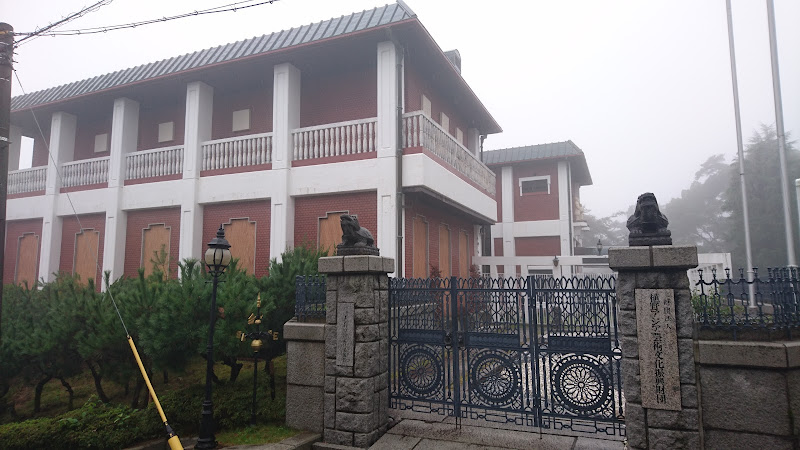
Emba Museum of Chinese Modern Art
About Emba Museum of Chinese Modern Art
Description
The Emba Museum of Chinese Modern Art in Ashiya is one of those places that sparks curiosity the moment you hear about it. Tucked away in Hyogo Prefecture, this museum has carved out a reputation for showcasing contemporary Chinese art in a way that feels both intimate and thought-provoking. It isn’t a massive institution with endless halls, but that’s part of its charm—you don’t feel overwhelmed. Instead, you get a chance to slow down, to really look at the works, and to let them sink in. That said, the museum is currently closed for an extended period due to internal circumstances, which has left many art lovers (myself included) a little disappointed. Still, it’s worth keeping on your radar for when it reopens, because it offers a rare perspective on modern Chinese creativity in Japan.
The experience here has always been a bit mixed—some visitors rave about the collection and its serene atmosphere, while others have found the exhibits limited or the building itself less impressive than expected. Personally, I think that’s part of what makes it interesting. It’s not a polished, blockbuster-style museum; it’s more like a quiet conversation between cultures. And if you’ve ever felt like the big-name museums can be a bit too crowded or commercial, you might actually appreciate the Emba Museum’s understated approach. It gives you breathing room, both physically and mentally, to connect with the art.
Key Features
- Focus on modern Chinese art, offering a unique cultural lens in Japan
- Compact and manageable space—ideal for those who prefer shorter visits
- Wheelchair accessible entrance and restrooms, making it inclusive for all travelers
- Quiet, contemplative atmosphere away from the noise of larger attractions
- On-site restrooms available, though no restaurant facilities
What stands out most is the museum’s ability to surprise. One moment you’re face-to-face with bold, experimental works that challenge tradition, and the next you’re reflecting on subtle, minimalist pieces that whisper rather than shout. It’s not about quantity here—it’s about depth.
Best Time to Visit
When the museum is open, the best time to visit is usually during weekdays in the late morning or early afternoon. That’s when you’re most likely to enjoy the galleries without too many other visitors around. If you’re someone who likes to take their time with each piece, this quietness makes a world of difference. I remember once visiting on a rainy Tuesday, and the sound of raindrops outside the windows paired with the art inside made the whole experience feel almost meditative. Season-wise, spring and autumn are wonderful in Ashiya because the town itself is beautiful to explore before or after your museum stop. Just keep in mind that the museum is currently closed, so planning ahead and checking for reopening updates is essential.
How to Get There
Getting to the Emba Museum of Chinese Modern Art is fairly straightforward if you’re already in the Kansai region. Ashiya sits between Kobe and Osaka, so it’s easy to reach by train. From Ashiya Station, a short bus or taxi ride will take you closer to the museum area. If you’re like me and enjoy walking, you might even prefer the stroll—it gives you a sense of the local neighborhood, which is quite different from the bustle of bigger cities. The museum isn’t in a commercial district, so don’t expect rows of shops and cafés right at the doorstep, but that’s part of its quiet appeal.
Tips for Visiting
First and foremost, double-check the museum’s status before heading out. With its current closure, you don’t want to make the trip only to find the doors shut. Once it reopens, here are a few things to keep in mind:
- Plan for a shorter visit—about 1 to 2 hours is usually enough to see everything thoughtfully.
- Don’t expect dining options on-site, so grab a meal before or after your visit in Ashiya or nearby Kobe.
- If accessibility is a concern, rest assured that the museum has wheelchair-friendly entrances and restrooms.
- Bring a small notebook if you’re the type who likes to jot down thoughts—the art here often sparks reflection.
- Pair your visit with other nearby cultural spots to make a full day out of it.
One last tip from my own experience: give yourself permission to just sit and linger. Too often we rush through museums like we’re checking boxes, but the Emba Museum rewards patience. Even if you’re not an art expert (I’m certainly not), you’ll find something in the quietness that sticks with you long after you leave. And honestly, isn’t that what travel is about—finding those unexpected little moments that stay with you?
Key Features
- Focus on modern Chinese art, offering a unique cultural lens in Japan
- Compact and manageable space—ideal for those who prefer shorter visits
- Wheelchair accessible entrance and restrooms, making it inclusive for all travelers
- Quiet, contemplative atmosphere away from the noise of larger attractions
- On-site restrooms available, though no restaurant facilities
- Plan for a shorter visit—about 1 to 2 hours is usually enough to see everything thoughtfully.
- Don’t expect dining options on-site, so grab a meal before or after your visit in Ashiya or nearby Kobe.
- If accessibility is a concern, rest assured that the museum has wheelchair-friendly entrances and restrooms.
More Details
Updated September 11, 2025
Table of Contents
Description
The Emba Museum of Chinese Modern Art in Ashiya is one of those places that sparks curiosity the moment you hear about it. Tucked away in Hyogo Prefecture, this museum has carved out a reputation for showcasing contemporary Chinese art in a way that feels both intimate and thought-provoking. It isn’t a massive institution with endless halls, but that’s part of its charm—you don’t feel overwhelmed. Instead, you get a chance to slow down, to really look at the works, and to let them sink in. That said, the museum is currently closed for an extended period due to internal circumstances, which has left many art lovers (myself included) a little disappointed. Still, it’s worth keeping on your radar for when it reopens, because it offers a rare perspective on modern Chinese creativity in Japan.
The experience here has always been a bit mixed—some visitors rave about the collection and its serene atmosphere, while others have found the exhibits limited or the building itself less impressive than expected. Personally, I think that’s part of what makes it interesting. It’s not a polished, blockbuster-style museum; it’s more like a quiet conversation between cultures. And if you’ve ever felt like the big-name museums can be a bit too crowded or commercial, you might actually appreciate the Emba Museum’s understated approach. It gives you breathing room, both physically and mentally, to connect with the art.
Key Features
- Focus on modern Chinese art, offering a unique cultural lens in Japan
- Compact and manageable space—ideal for those who prefer shorter visits
- Wheelchair accessible entrance and restrooms, making it inclusive for all travelers
- Quiet, contemplative atmosphere away from the noise of larger attractions
- On-site restrooms available, though no restaurant facilities
What stands out most is the museum’s ability to surprise. One moment you’re face-to-face with bold, experimental works that challenge tradition, and the next you’re reflecting on subtle, minimalist pieces that whisper rather than shout. It’s not about quantity here—it’s about depth.
Best Time to Visit
When the museum is open, the best time to visit is usually during weekdays in the late morning or early afternoon. That’s when you’re most likely to enjoy the galleries without too many other visitors around. If you’re someone who likes to take their time with each piece, this quietness makes a world of difference. I remember once visiting on a rainy Tuesday, and the sound of raindrops outside the windows paired with the art inside made the whole experience feel almost meditative. Season-wise, spring and autumn are wonderful in Ashiya because the town itself is beautiful to explore before or after your museum stop. Just keep in mind that the museum is currently closed, so planning ahead and checking for reopening updates is essential.
How to Get There
Getting to the Emba Museum of Chinese Modern Art is fairly straightforward if you’re already in the Kansai region. Ashiya sits between Kobe and Osaka, so it’s easy to reach by train. From Ashiya Station, a short bus or taxi ride will take you closer to the museum area. If you’re like me and enjoy walking, you might even prefer the stroll—it gives you a sense of the local neighborhood, which is quite different from the bustle of bigger cities. The museum isn’t in a commercial district, so don’t expect rows of shops and cafés right at the doorstep, but that’s part of its quiet appeal.
Tips for Visiting
First and foremost, double-check the museum’s status before heading out. With its current closure, you don’t want to make the trip only to find the doors shut. Once it reopens, here are a few things to keep in mind:
- Plan for a shorter visit—about 1 to 2 hours is usually enough to see everything thoughtfully.
- Don’t expect dining options on-site, so grab a meal before or after your visit in Ashiya or nearby Kobe.
- If accessibility is a concern, rest assured that the museum has wheelchair-friendly entrances and restrooms.
- Bring a small notebook if you’re the type who likes to jot down thoughts—the art here often sparks reflection.
- Pair your visit with other nearby cultural spots to make a full day out of it.
One last tip from my own experience: give yourself permission to just sit and linger. Too often we rush through museums like we’re checking boxes, but the Emba Museum rewards patience. Even if you’re not an art expert (I’m certainly not), you’ll find something in the quietness that sticks with you long after you leave. And honestly, isn’t that what travel is about—finding those unexpected little moments that stay with you?
Key Highlights
- Focus on modern Chinese art, offering a unique cultural lens in Japan
- Compact and manageable space—ideal for those who prefer shorter visits
- Wheelchair accessible entrance and restrooms, making it inclusive for all travelers
- Quiet, contemplative atmosphere away from the noise of larger attractions
- On-site restrooms available, though no restaurant facilities
- Plan for a shorter visit—about 1 to 2 hours is usually enough to see everything thoughtfully.
- Don’t expect dining options on-site, so grab a meal before or after your visit in Ashiya or nearby Kobe.
- If accessibility is a concern, rest assured that the museum has wheelchair-friendly entrances and restrooms.
Location
Places to Stay Near Emba Museum of Chinese Modern Art
Find and Book a Tour
Explore More Travel Guides
No reviews found! Be the first to review!
Traveler Reviews for Emba Museum of Chinese Modern Art
There are no reviews yet. Be the first one to write one.
Have you visited Emba Museum of Chinese Modern Art? Help other travelers by sharing your review.
You Might Also Like
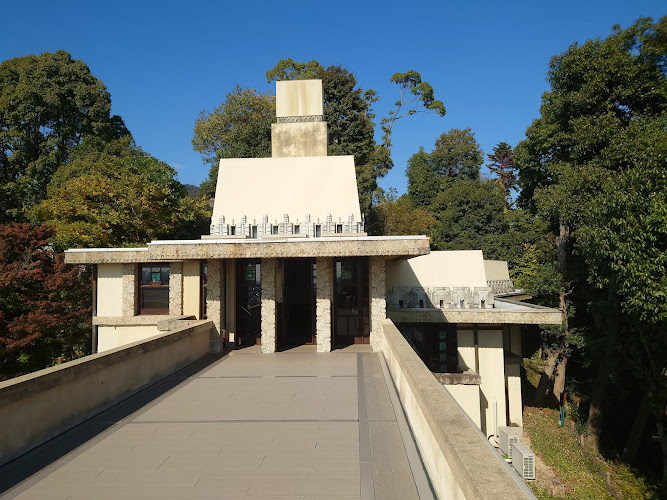
Yodokō Guest House
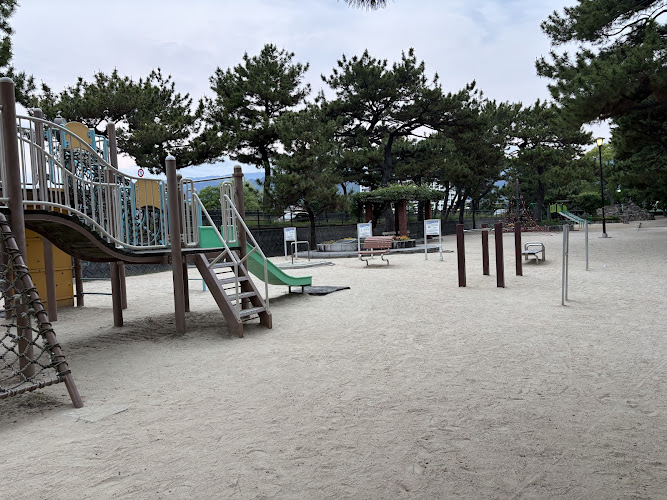
Ashiya Park
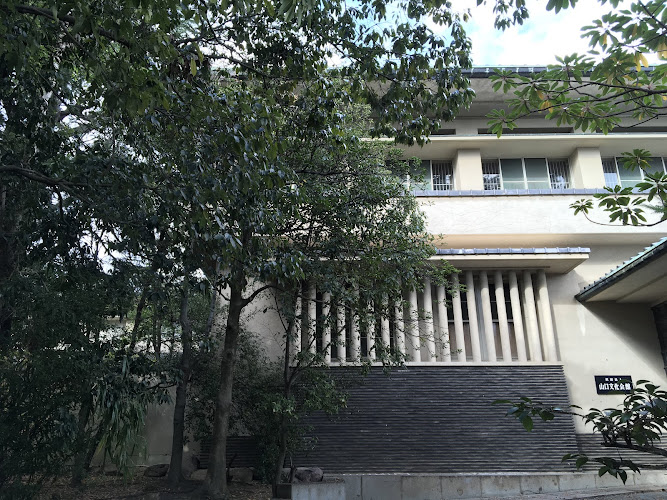
Tekisui Museum of Art
Find Accommodations Nearby
Recommended Tours & Activities
Visitor Reviews
There are no reviews yet. Be the first one to write one.
Share Your Experience
Have you visited Emba Museum of Chinese Modern Art? Help other travelers by leaving a review.