
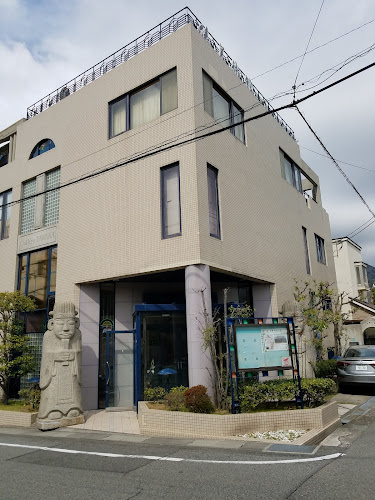
Tawara Museum
About Tawara Museum
Description
The Tawara Museum is one of those places that quietly surprises you. At first glance, it might not look like the kind of museum that pulls in massive crowds, but once inside, you realize it’s a treasure chest of Edo period art and history. It’s the kind of museum that rewards curiosity—you know, the type of place where you lean in closer to a painting or artifact and suddenly notice a detail that feels like it has been waiting centuries just for you to see it. The collection is carefully curated, and while it isn’t overwhelming in scale, it feels intentional, almost personal. That’s part of the charm. Some visitors rave about the atmosphere, while others feel it could use a touch more modern polish, but the overall takeaway is that it offers a genuinely memorable experience for those who appreciate art and history with a bit of soul.
I remember walking into the first gallery room and being struck by how quiet it was—peaceful in a way that made me slow down. And honestly, that’s rare. So many tourist attractions feel like you’re being rushed through a conveyor belt of sights, but here, you can linger. The Edo period artifacts are the highlight, with pieces that tell stories of everyday life, culture, and aesthetics from centuries ago. It’s not just about the art, but also about the feeling of stepping back into another time. And while it doesn’t have the big, flashy amenities of larger museums (no on-site restaurant, for example), it makes up for it with authenticity and focus.
Key Features
- Specializes in Edo period art and cultural artifacts
- Wheelchair accessible restrooms available
- Quiet, intimate galleries that encourage slower exploration
- Restrooms provided on-site for visitor comfort
- No restaurant on the premises, so planning meals ahead is smart
- Smaller scale museum, making it easy to explore in a few hours
- Offers a balanced mix of paintings, artifacts, and historical displays
Best Time to Visit
Choosing when to go really depends on what you want out of the experience. If you’re like me and prefer a quieter atmosphere where you can actually hear yourself think, weekday mornings are golden. The museum doesn’t get overly crowded, but weekends can bring in more foot traffic, especially during holiday seasons. Spring and autumn are particularly lovely times to visit, not just because of the museum itself, but also because the surrounding areas tend to be more comfortable weather-wise. Summer can be hot and humid, and while that’s manageable indoors, it does make the journey there a bit sticky. Winter has its own charm too—there’s something cozy about ducking into a museum when it’s chilly outside and spending a couple of hours immersed in history.
One thing worth noting: the museum doesn’t host flashy seasonal exhibitions every month, but when it does put together special displays, they’re usually thoughtfully done and worth timing your visit around. So if you’re flexible, it’s worth checking ahead for any temporary exhibits that might line up with your trip.
How to Get There
Reaching the Tawara Museum is fairly straightforward, though it depends on your starting point. Public transportation is typically the easiest route, especially if you’re already in a nearby city. Trains and buses connect reasonably well, and from the nearest station, it’s usually a short walk or quick taxi ride. If you’re driving, parking can be a bit tricky since there isn’t a dedicated accessible parking lot, which is something to keep in mind if mobility is a concern. That said, most visitors find getting there manageable, and the journey itself can be part of the fun—passing through smaller streets and catching glimpses of daily life before arriving at the museum doors.
Personally, I always prefer public transportation for trips like this. It takes away the hassle of worrying about parking, and there’s something about arriving on foot that makes the first steps into the museum feel more rewarding. If you’re the type who likes to explore, you can even combine your visit with a walk through the surrounding area, which often reveals little surprises you wouldn’t catch from a car window.
Tips for Visiting
First and foremost, give yourself enough time. While the museum isn’t massive, rushing through would be a mistake. Two to three hours feels about right—you’ll have time to absorb the exhibits without feeling like you’re dragging your feet. And since there’s no restaurant on-site, it’s smart to eat beforehand or plan a meal nearby afterward. I once made the mistake of arriving hungry, and let’s just say, admiring Edo period scrolls on an empty stomach isn’t quite as magical.
If accessibility matters to you or someone in your group, note that while restrooms are wheelchair accessible, the lack of an accessible parking lot could pose a challenge. Planning ahead here makes all the difference. Another tip: bring a notebook or use your phone to jot down little details that catch your eye. I found myself scribbling notes about patterns and colors that later inspired some of my own creative projects. It’s the kind of museum that sparks ideas if you let it.
Photography rules can vary, so it’s best to check before snapping pictures. And don’t be afraid to ask the staff questions—they’re usually more than happy to share insights that you won’t find written on the display cards. That human connection adds another layer to the visit. Lastly, go in with an open mind. Not every exhibit will wow you, but the ones that do might stay with you far longer than you expect.
In short, the Tawara Museum is a thoughtful stop for travelers who enjoy history, art, and a slower, more reflective pace. It’s not about spectacle—it’s about substance. And if you approach it with curiosity, you’ll walk away with a deeper appreciation for the Edo period and maybe even a few stories of your own to tell.
Key Features
- Specializes in Edo period art and cultural artifacts
- Wheelchair accessible restrooms available
- Quiet, intimate galleries that encourage slower exploration
- Restrooms provided on-site for visitor comfort
- No restaurant on the premises, so planning meals ahead is smart
- Smaller scale museum, making it easy to explore in a few hours
- Offers a balanced mix of paintings, artifacts, and historical displays
More Details
Updated September 11, 2025
Table of Contents
Description
The Tawara Museum is one of those places that quietly surprises you. At first glance, it might not look like the kind of museum that pulls in massive crowds, but once inside, you realize it’s a treasure chest of Edo period art and history. It’s the kind of museum that rewards curiosity—you know, the type of place where you lean in closer to a painting or artifact and suddenly notice a detail that feels like it has been waiting centuries just for you to see it. The collection is carefully curated, and while it isn’t overwhelming in scale, it feels intentional, almost personal. That’s part of the charm. Some visitors rave about the atmosphere, while others feel it could use a touch more modern polish, but the overall takeaway is that it offers a genuinely memorable experience for those who appreciate art and history with a bit of soul.
I remember walking into the first gallery room and being struck by how quiet it was—peaceful in a way that made me slow down. And honestly, that’s rare. So many tourist attractions feel like you’re being rushed through a conveyor belt of sights, but here, you can linger. The Edo period artifacts are the highlight, with pieces that tell stories of everyday life, culture, and aesthetics from centuries ago. It’s not just about the art, but also about the feeling of stepping back into another time. And while it doesn’t have the big, flashy amenities of larger museums (no on-site restaurant, for example), it makes up for it with authenticity and focus.
Key Features
- Specializes in Edo period art and cultural artifacts
- Wheelchair accessible restrooms available
- Quiet, intimate galleries that encourage slower exploration
- Restrooms provided on-site for visitor comfort
- No restaurant on the premises, so planning meals ahead is smart
- Smaller scale museum, making it easy to explore in a few hours
- Offers a balanced mix of paintings, artifacts, and historical displays
Best Time to Visit
Choosing when to go really depends on what you want out of the experience. If you’re like me and prefer a quieter atmosphere where you can actually hear yourself think, weekday mornings are golden. The museum doesn’t get overly crowded, but weekends can bring in more foot traffic, especially during holiday seasons. Spring and autumn are particularly lovely times to visit, not just because of the museum itself, but also because the surrounding areas tend to be more comfortable weather-wise. Summer can be hot and humid, and while that’s manageable indoors, it does make the journey there a bit sticky. Winter has its own charm too—there’s something cozy about ducking into a museum when it’s chilly outside and spending a couple of hours immersed in history.
One thing worth noting: the museum doesn’t host flashy seasonal exhibitions every month, but when it does put together special displays, they’re usually thoughtfully done and worth timing your visit around. So if you’re flexible, it’s worth checking ahead for any temporary exhibits that might line up with your trip.
How to Get There
Reaching the Tawara Museum is fairly straightforward, though it depends on your starting point. Public transportation is typically the easiest route, especially if you’re already in a nearby city. Trains and buses connect reasonably well, and from the nearest station, it’s usually a short walk or quick taxi ride. If you’re driving, parking can be a bit tricky since there isn’t a dedicated accessible parking lot, which is something to keep in mind if mobility is a concern. That said, most visitors find getting there manageable, and the journey itself can be part of the fun—passing through smaller streets and catching glimpses of daily life before arriving at the museum doors.
Personally, I always prefer public transportation for trips like this. It takes away the hassle of worrying about parking, and there’s something about arriving on foot that makes the first steps into the museum feel more rewarding. If you’re the type who likes to explore, you can even combine your visit with a walk through the surrounding area, which often reveals little surprises you wouldn’t catch from a car window.
Tips for Visiting
First and foremost, give yourself enough time. While the museum isn’t massive, rushing through would be a mistake. Two to three hours feels about right—you’ll have time to absorb the exhibits without feeling like you’re dragging your feet. And since there’s no restaurant on-site, it’s smart to eat beforehand or plan a meal nearby afterward. I once made the mistake of arriving hungry, and let’s just say, admiring Edo period scrolls on an empty stomach isn’t quite as magical.
If accessibility matters to you or someone in your group, note that while restrooms are wheelchair accessible, the lack of an accessible parking lot could pose a challenge. Planning ahead here makes all the difference. Another tip: bring a notebook or use your phone to jot down little details that catch your eye. I found myself scribbling notes about patterns and colors that later inspired some of my own creative projects. It’s the kind of museum that sparks ideas if you let it.
Photography rules can vary, so it’s best to check before snapping pictures. And don’t be afraid to ask the staff questions—they’re usually more than happy to share insights that you won’t find written on the display cards. That human connection adds another layer to the visit. Lastly, go in with an open mind. Not every exhibit will wow you, but the ones that do might stay with you far longer than you expect.
In short, the Tawara Museum is a thoughtful stop for travelers who enjoy history, art, and a slower, more reflective pace. It’s not about spectacle—it’s about substance. And if you approach it with curiosity, you’ll walk away with a deeper appreciation for the Edo period and maybe even a few stories of your own to tell.
Key Highlights
- Specializes in Edo period art and cultural artifacts
- Wheelchair accessible restrooms available
- Quiet, intimate galleries that encourage slower exploration
- Restrooms provided on-site for visitor comfort
- No restaurant on the premises, so planning meals ahead is smart
- Smaller scale museum, making it easy to explore in a few hours
- Offers a balanced mix of paintings, artifacts, and historical displays
Location
Places to Stay Near Tawara Museum
Find and Book a Tour
Explore More Travel Guides
No reviews found! Be the first to review!
Traveler Reviews for Tawara Museum
There are no reviews yet. Be the first one to write one.
Have you visited Tawara Museum? Help other travelers by sharing your review.
You Might Also Like
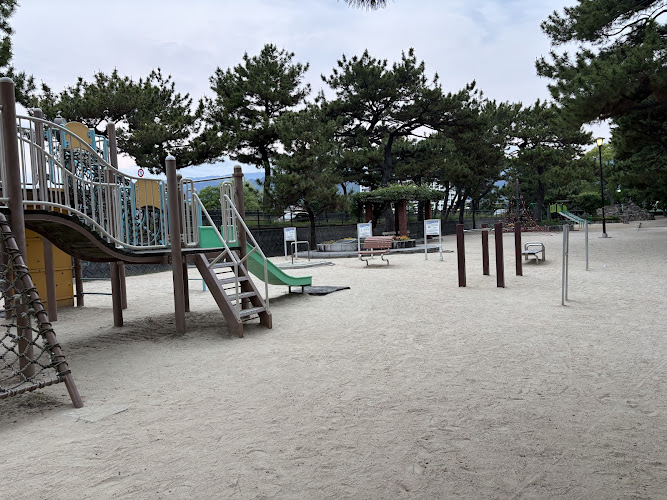
Ashiya Park
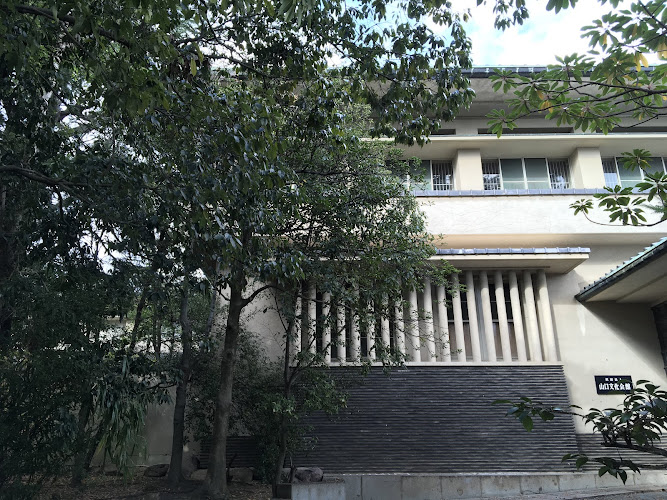
Tekisui Museum of Art
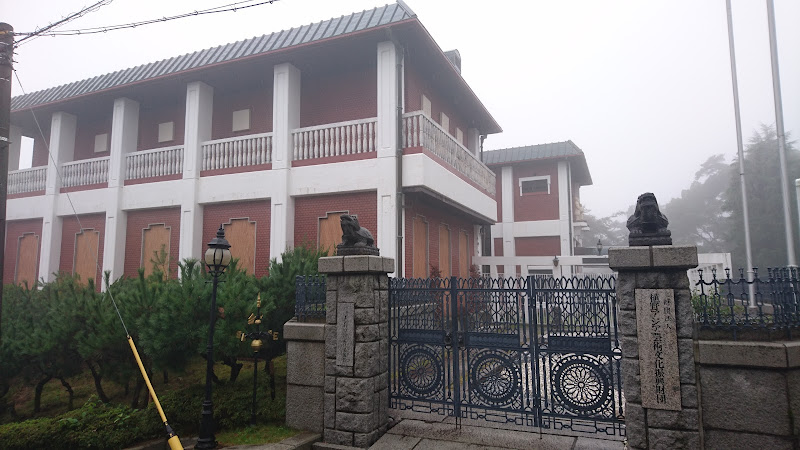
Emba Museum of Chinese Modern Art
Find Accommodations Nearby
Recommended Tours & Activities
Visitor Reviews
There are no reviews yet. Be the first one to write one.
Share Your Experience
Have you visited Tawara Museum? Help other travelers by leaving a review.