
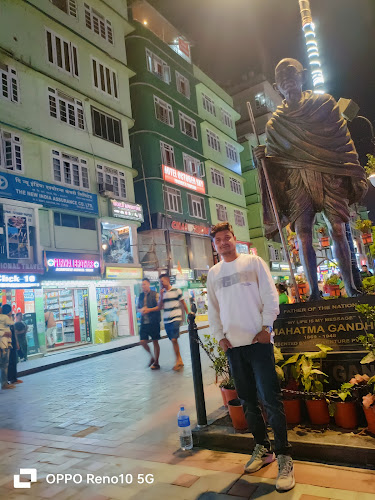
MG MARG GANGTOK, SIKKIM
About MG MARG GANGTOK, SIKKIM
Description
MG Marg stands as Gangtok's beating heart, a pedestrian paradise that transforms the typical hill station experience into something genuinely special. And honestly? It's about time someone gave this place the recognition it deserves beyond just calling it "another shopping street."
This car-free zone stretches through the center of Sikkim's capital, offering travelers a rare opportunity to stroll without dodging honking vehicles - a luxury you'll quickly appreciate after navigating India's usual traffic chaos. The street pulses with an energy that's distinctly Sikkimese, blending Tibetan influences with modern Indian culture in ways that feel authentic rather than touristy.
What strikes most visitors first is the cleanliness. MG Marg maintains standards that would make many European city centers envious, with well-maintained walkways and organized waste management that reflects Sikkim's commitment to environmental consciousness. The street's design encourages leisurely exploration, with wide pedestrian areas that accommodate both solo wanderers and groups without feeling cramped.
The architectural character here tells Gangtok's story through its buildings - traditional Sikkimese elements peek through modern facades, creating visual interest that photographers absolutely love. Street vendors sell everything from traditional Sikkimese crafts to contemporary fashion, but it's the food scene that really sets MG Marg apart from other hill station main streets.
Key Features
MG Marg offers travelers several distinctive experiences that make it worth dedicating significant time during any Gangtok visit:
- Vehicle-Free Environment: The complete ban on motor vehicles creates a peaceful atmosphere rare in Indian urban centers, allowing visitors to walk comfortably while engaging with local culture
- Diverse Culinary Scene: Restaurants serve authentic Tibetan momos alongside continental cuisine, with many establishments offering rooftop dining with Himalayan views that justify the slightly higher prices
- Cultural Shopping Experience: Local handicraft stores sell genuine Sikkimese textiles, traditional jewelry, and handwoven carpets that represent authentic regional craftsmanship rather than mass-produced tourist items
- Evening Entertainment Hub: The street transforms after dark with live music venues and bars that cater to both domestic and international travelers seeking nightlife in the mountains
- Seasonal Festival Venue: MG Marg hosts the annual Gangtok Food and Culture Festival, providing visitors timing their trips correctly with immersive cultural experiences
- Photography Opportunities: The pedestrian-only design allows for unobstructed shots of the surrounding mountains, traditional architecture, and street life without vehicular interference
- Banking and Services: Multiple ATMs, currency exchange services, and travel agencies provide practical support for tourists managing their Sikkim exploration logistics
Best Time to Visit
Timing your MG Marg experience correctly can make the difference between a good visit and an unforgettable one. The street operates year-round, but each season offers distinct advantages that appeal to different travel preferences.
March through May provides the most comfortable weather for extended walking and outdoor dining. Temperatures hover between 15-25°C, making it pleasant to spend entire evenings exploring without needing heavy jackets. This period also sees rhododendrons blooming throughout Sikkim, adding natural beauty to the surrounding landscape visible from the street.
But here's something most travel guides won't tell you - the monsoon months of June through September actually offer unique charms despite the rain. The crowds thin significantly, prices drop at many establishments, and the surrounding mountains develop a mystical quality with cloud formations that create dramatic photography opportunities. Just pack good rain gear and waterproof bags for your electronics.
October through February brings clear mountain views that are absolutely spectacular, though temperatures can drop significantly after sunset. This season offers the best visibility for mountain photography from MG Marg, with Kanchenjunga often visible on clear days. However, you'll need warm clothing for evening activities, and some outdoor seating areas become less comfortable.
December and January see the heaviest tourist influx due to Christmas and New Year celebrations, which creates a festive atmosphere but also means higher prices and crowded restaurants. If you're traveling during this peak period, make dinner reservations in advance - something I learned the hard way during my first December visit.
Local tip: Tuesday through Thursday typically see fewer crowds regardless of season, making these days ideal for travelers who prefer a more relaxed exploration pace and better service at restaurants.
How to Get There
Reaching MG Marg requires some planning since Sikkim's transportation infrastructure differs significantly from India's more developed tourist circuits. The journey itself becomes part of the adventure, offering scenic routes that provide excellent preparation for the mountain experiences ahead.
Bagdogra Airport in West Bengal serves as the nearest aviation gateway, located approximately 125 kilometers from Gangtok. From the airport, travelers can arrange taxi services or join shared jeep services that take roughly 4-5 hours depending on road conditions and weather. The drive involves significant elevation gain and winding mountain roads that can be challenging for those prone to motion sickness.
New Jalpaiguri Railway Station provides the closest rail connection, situated about 148 kilometers from Gangtok. This option often proves more economical than flying, particularly for budget-conscious travelers. From the station, the same taxi and shared jeep options apply, with travel times extending to 5-6 hours due to the slightly longer distance.
Once in Gangtok, MG Marg sits centrally located and remains easily accessible from most hotels and guesthouses on foot or via short taxi rides. The street's pedestrian-only status means all motor vehicles stop at designated entry points, requiring short walks to reach specific destinations along the strip.
For travelers coming from other parts of Sikkim, regular bus services connect Gangtok with major towns like Pelling, Namchi, and Yuksom. These government and private buses typically stop near the main bus stand, which sits within walking distance of MG Marg.
An important consideration: Sikkim requires special permits for most Indian citizens and different permits for foreign nationals. These can be obtained at entry points, but having proper documentation ready expedites the process significantly.
Tips for Visiting
Making the most of your MG Marg experience requires some insider knowledge that goes beyond typical travel advice. These practical insights come from observing both successful and frustrated travelers over multiple visits.
Budget considerations deserve serious attention here. Yes, MG Marg prices run higher than other parts of Gangtok, but the experience often justifies the cost. However, smart travelers can manage expenses by eating lunch at local establishments just off the main street, then returning for dinner at the more atmospheric restaurants. This strategy provides authentic local meals at better prices while still enjoying the premium dining scene.
Altitude adjustment affects more people than expected, even at Gangtok's relatively moderate elevation of 1,650 meters. Take the first day slowly, stay hydrated, and avoid alcohol until you're sure how your body responds. The pedestrian-friendly nature of MG Marg makes it an ideal place for gentle acclimatization walks.
Shopping negotiations work differently here compared to other Indian tourist areas. Many shops display fixed prices and stick to them, reflecting Sikkim's generally more organized commercial culture. However, purchasing multiple items or buying in small groups can sometimes yield modest discounts, particularly for handicrafts and textiles.
Weather changes happen quickly in the mountains, so carrying a light jacket and compact umbrella makes sense regardless of morning conditions. Evening temperatures can drop 10-15 degrees from afternoon highs, catching unprepared visitors off guard when they want to enjoy the nightlife scene.
Photography etiquette matters here more than in many tourist areas. While the street itself welcomes photos, always ask permission before photographing people, particularly elderly locals and monks who frequently visit the area. Most people respond positively to polite requests and some enjoy sharing stories about their connection to the place.
Banking services along MG Marg charge standard rates, but ATM availability can be inconsistent during peak tourist periods or local festivals. Carrying some cash provides backup options, particularly for smaller vendors and street food purchases.
Restaurant timing follows patterns that benefit informed visitors. Many establishments offer special happy hour prices between 4-6 PM, while dinner service typically starts around 7 PM. Making reservations for popular restaurants during peak season prevents disappointment, especially for rooftop dining with mountain views.
Key Features
- Car-free pedestrian promenade ideal for strolling
- Shops and stalls selling Sikkimese handicrafts, souvenirs and warm clothing
- Cafes, restaurants and street food showcasing local cuisine
- Well-maintained gardens, seating and evening lighting
- Central location with easy access to cultural sites and viewpoints
More Details
Updated September 24, 2025
Table of Contents
Description
MG Marg stands as Gangtok’s beating heart, a pedestrian paradise that transforms the typical hill station experience into something genuinely special. And honestly? It’s about time someone gave this place the recognition it deserves beyond just calling it “another shopping street.”
This car-free zone stretches through the center of Sikkim’s capital, offering travelers a rare opportunity to stroll without dodging honking vehicles – a luxury you’ll quickly appreciate after navigating India’s usual traffic chaos. The street pulses with an energy that’s distinctly Sikkimese, blending Tibetan influences with modern Indian culture in ways that feel authentic rather than touristy.
What strikes most visitors first is the cleanliness. MG Marg maintains standards that would make many European city centers envious, with well-maintained walkways and organized waste management that reflects Sikkim’s commitment to environmental consciousness. The street’s design encourages leisurely exploration, with wide pedestrian areas that accommodate both solo wanderers and groups without feeling cramped.
The architectural character here tells Gangtok’s story through its buildings – traditional Sikkimese elements peek through modern facades, creating visual interest that photographers absolutely love. Street vendors sell everything from traditional Sikkimese crafts to contemporary fashion, but it’s the food scene that really sets MG Marg apart from other hill station main streets.
Key Features
MG Marg offers travelers several distinctive experiences that make it worth dedicating significant time during any Gangtok visit:
- Vehicle-Free Environment: The complete ban on motor vehicles creates a peaceful atmosphere rare in Indian urban centers, allowing visitors to walk comfortably while engaging with local culture
- Diverse Culinary Scene: Restaurants serve authentic Tibetan momos alongside continental cuisine, with many establishments offering rooftop dining with Himalayan views that justify the slightly higher prices
- Cultural Shopping Experience: Local handicraft stores sell genuine Sikkimese textiles, traditional jewelry, and handwoven carpets that represent authentic regional craftsmanship rather than mass-produced tourist items
- Evening Entertainment Hub: The street transforms after dark with live music venues and bars that cater to both domestic and international travelers seeking nightlife in the mountains
- Seasonal Festival Venue: MG Marg hosts the annual Gangtok Food and Culture Festival, providing visitors timing their trips correctly with immersive cultural experiences
- Photography Opportunities: The pedestrian-only design allows for unobstructed shots of the surrounding mountains, traditional architecture, and street life without vehicular interference
- Banking and Services: Multiple ATMs, currency exchange services, and travel agencies provide practical support for tourists managing their Sikkim exploration logistics
Best Time to Visit
Timing your MG Marg experience correctly can make the difference between a good visit and an unforgettable one. The street operates year-round, but each season offers distinct advantages that appeal to different travel preferences.
March through May provides the most comfortable weather for extended walking and outdoor dining. Temperatures hover between 15-25°C, making it pleasant to spend entire evenings exploring without needing heavy jackets. This period also sees rhododendrons blooming throughout Sikkim, adding natural beauty to the surrounding landscape visible from the street.
But here’s something most travel guides won’t tell you – the monsoon months of June through September actually offer unique charms despite the rain. The crowds thin significantly, prices drop at many establishments, and the surrounding mountains develop a mystical quality with cloud formations that create dramatic photography opportunities. Just pack good rain gear and waterproof bags for your electronics.
October through February brings clear mountain views that are absolutely spectacular, though temperatures can drop significantly after sunset. This season offers the best visibility for mountain photography from MG Marg, with Kanchenjunga often visible on clear days. However, you’ll need warm clothing for evening activities, and some outdoor seating areas become less comfortable.
December and January see the heaviest tourist influx due to Christmas and New Year celebrations, which creates a festive atmosphere but also means higher prices and crowded restaurants. If you’re traveling during this peak period, make dinner reservations in advance – something I learned the hard way during my first December visit.
Local tip: Tuesday through Thursday typically see fewer crowds regardless of season, making these days ideal for travelers who prefer a more relaxed exploration pace and better service at restaurants.
How to Get There
Reaching MG Marg requires some planning since Sikkim’s transportation infrastructure differs significantly from India’s more developed tourist circuits. The journey itself becomes part of the adventure, offering scenic routes that provide excellent preparation for the mountain experiences ahead.
Bagdogra Airport in West Bengal serves as the nearest aviation gateway, located approximately 125 kilometers from Gangtok. From the airport, travelers can arrange taxi services or join shared jeep services that take roughly 4-5 hours depending on road conditions and weather. The drive involves significant elevation gain and winding mountain roads that can be challenging for those prone to motion sickness.
New Jalpaiguri Railway Station provides the closest rail connection, situated about 148 kilometers from Gangtok. This option often proves more economical than flying, particularly for budget-conscious travelers. From the station, the same taxi and shared jeep options apply, with travel times extending to 5-6 hours due to the slightly longer distance.
Once in Gangtok, MG Marg sits centrally located and remains easily accessible from most hotels and guesthouses on foot or via short taxi rides. The street’s pedestrian-only status means all motor vehicles stop at designated entry points, requiring short walks to reach specific destinations along the strip.
For travelers coming from other parts of Sikkim, regular bus services connect Gangtok with major towns like Pelling, Namchi, and Yuksom. These government and private buses typically stop near the main bus stand, which sits within walking distance of MG Marg.
An important consideration: Sikkim requires special permits for most Indian citizens and different permits for foreign nationals. These can be obtained at entry points, but having proper documentation ready expedites the process significantly.
Tips for Visiting
Making the most of your MG Marg experience requires some insider knowledge that goes beyond typical travel advice. These practical insights come from observing both successful and frustrated travelers over multiple visits.
Budget considerations deserve serious attention here. Yes, MG Marg prices run higher than other parts of Gangtok, but the experience often justifies the cost. However, smart travelers can manage expenses by eating lunch at local establishments just off the main street, then returning for dinner at the more atmospheric restaurants. This strategy provides authentic local meals at better prices while still enjoying the premium dining scene.
Altitude adjustment affects more people than expected, even at Gangtok’s relatively moderate elevation of 1,650 meters. Take the first day slowly, stay hydrated, and avoid alcohol until you’re sure how your body responds. The pedestrian-friendly nature of MG Marg makes it an ideal place for gentle acclimatization walks.
Shopping negotiations work differently here compared to other Indian tourist areas. Many shops display fixed prices and stick to them, reflecting Sikkim’s generally more organized commercial culture. However, purchasing multiple items or buying in small groups can sometimes yield modest discounts, particularly for handicrafts and textiles.
Weather changes happen quickly in the mountains, so carrying a light jacket and compact umbrella makes sense regardless of morning conditions. Evening temperatures can drop 10-15 degrees from afternoon highs, catching unprepared visitors off guard when they want to enjoy the nightlife scene.
Photography etiquette matters here more than in many tourist areas. While the street itself welcomes photos, always ask permission before photographing people, particularly elderly locals and monks who frequently visit the area. Most people respond positively to polite requests and some enjoy sharing stories about their connection to the place.
Banking services along MG Marg charge standard rates, but ATM availability can be inconsistent during peak tourist periods or local festivals. Carrying some cash provides backup options, particularly for smaller vendors and street food purchases.
Restaurant timing follows patterns that benefit informed visitors. Many establishments offer special happy hour prices between 4-6 PM, while dinner service typically starts around 7 PM. Making reservations for popular restaurants during peak season prevents disappointment, especially for rooftop dining with mountain views.
Key Highlights
- Car-free pedestrian promenade ideal for strolling
- Shops and stalls selling Sikkimese handicrafts, souvenirs and warm clothing
- Cafes, restaurants and street food showcasing local cuisine
- Well-maintained gardens, seating and evening lighting
- Central location with easy access to cultural sites and viewpoints
Location
Places to Stay Near MG MARG GANGTOK, SIKKIM
Find and Book a Tour
Explore More Travel Guides
No reviews found! Be the first to review!
Traveler Reviews for MG MARG GANGTOK, SIKKIM
There are no reviews yet. Be the first one to write one.
Have you visited MG MARG GANGTOK, SIKKIM? Help other travelers by sharing your review.
Nearby Attractions
You Might Also Like
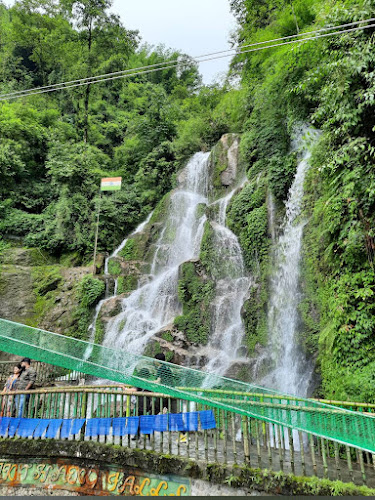
Bakthang Waterfall
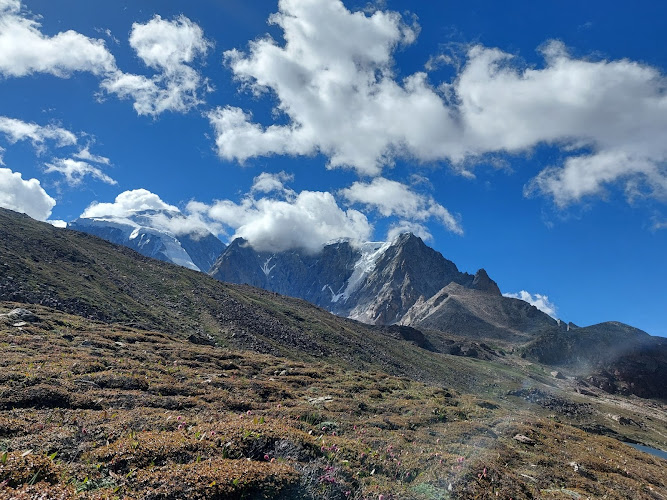
Trekocity Travel Partner
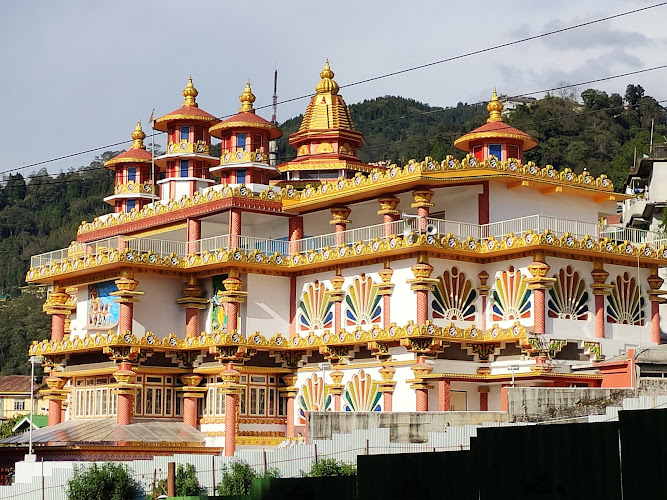
Shri Thakurbari Temple, Gangtok
Find Accommodations Nearby
Recommended Tours & Activities
Visitor Reviews
There are no reviews yet. Be the first one to write one.
Share Your Experience
Have you visited MG MARG GANGTOK, SIKKIM? Help other travelers by leaving a review.