

Ranka Ani gumpa east Sikkim
About Ranka Ani gumpa east Sikkim
Description
Tucked away in the serene landscapes of East Sikkim, Ranka Ani Gumpa stands as one of those remarkable spiritual destinations that somehow manages to stay off the beaten tourist trail. This Buddhist nunnery offers visitors a genuine glimpse into monastic life, where the daily rhythms of prayer and meditation continue much as they have for generations.
What strikes you first about this place isn't just its peaceful atmosphere - though that's certainly compelling - but the authentic way it operates. Unlike some of the more commercialized monasteries you'll encounter in Sikkim, Ranka Ani Gumpa maintains its traditional character. The nuns here go about their daily practices with a focus that's both inspiring and humbling to witness.
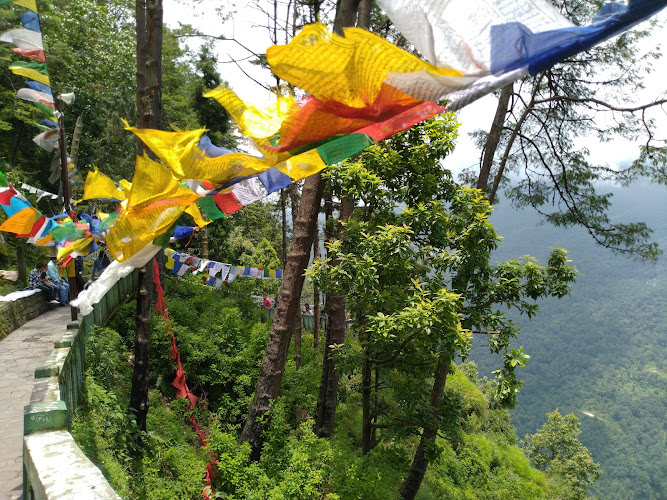
The architecture follows the classic Tibetan Buddhist style, with prayer flags fluttering in the mountain breeze and the distinctive red and white buildings that seem to blend naturally into the hillside. But what really sets this gumpa apart is its location. Positioned strategically on elevated ground, it offers some genuinely stunning views of the surrounding valleys and distant peaks.
I've noticed that visitors often comment on the tangible sense of tranquility here. There's something about the combination of the high altitude, the mountain air, and the meditative atmosphere that creates an almost immediate shift in your mental state. And honestly, after spending time in the bustling streets of Gangtok, this kind of peaceful respite feels like exactly what your soul needs.
Key Features
Ranka Ani Gumpa presents several distinctive elements that make it worth the journey:
- Active Nunnery: Unlike tourist-focused monasteries, this remains a working religious institution where you can observe authentic monastic practices
- Traditional Architecture: Classic Tibetan Buddhist design with intricate woodwork and colorful murals depicting Buddhist teachings
- Panoramic Mountain Views: Elevated position provides sweeping vistas of East Sikkim's landscape and distant Himalayan peaks
- Prayer Wheel Collection: An impressive array of prayer wheels that visitors can spin while walking the monastery grounds
- Sacred Butter Lamps: Opportunity to light traditional butter lamps and participate in the spiritual practices
- Ancient Manuscripts: Collection of Buddhist texts and scriptures, some quite old and historically significant
- Meditation Halls: Spacious rooms where visitors can sit quietly and experience the monastery's contemplative atmosphere
- Local Craft Display: Handmade items created by the nuns, including traditional Tibetan handicrafts
The morning prayer sessions are particularly moving - there's something profoundly peaceful about hearing the chants echo through the halls while the sun rises over the mountains. And if you're lucky enough to visit during one of their religious ceremonies, you'll witness colorful rituals that have been practiced for centuries.
Best Time to Visit
Timing your visit to Ranka Ani Gumpa can make a significant difference in your experience. The ideal months fall between March and May, then again from September to November. During these periods, the weather remains pleasant with clear skies that showcase those magnificent mountain views to their fullest advantage.
Spring visits (March to May) offer the added bonus of blooming rhododendrons painting the hillsides in brilliant colors. The temperatures hover comfortably between 15-20°C during the day, making it perfect for walking around the monastery grounds without feeling rushed by weather concerns.
But here's something interesting - many travelers overlook the autumn months (September to November), which actually provide some of the clearest mountain visibility of the year. The post-monsoon air is crisp and clean, and you'll often get those picture-perfect blue skies that make every photo look like a postcard.
Winter visits are possible but challenging. December through February brings cold temperatures and occasional snow, which can make the roads treacherous. However, if you don't mind bundling up, there's something magical about seeing the gumpa dusted with snow against the backdrop of snow-capped peaks.
The monsoon season (June to August) is generally best avoided. Heavy rains can make travel difficult, and the constant cloud cover means you'll miss out on those spectacular mountain views that are such a highlight of visiting this location.
Early morning visits (around 6-8 AM) offer the most authentic experience, as this is when the nuns conduct their morning prayers. The light during these hours is also exceptional for photography, with golden sunrises illuminating the surrounding landscape.
How to Get There
Getting to Ranka Ani Gumpa requires some planning, but the journey is part of the experience. From Gangtok, the state capital, you're looking at roughly a 20-kilometer drive that takes about 45 minutes to an hour, depending on road conditions and traffic.
Most visitors opt for a hired taxi or private vehicle, which gives you the flexibility to explore at your own pace. The road winds through some beautiful Sikkimese countryside, and you'll pass through several small villages where you can glimpse local life. Shared taxis are available from Gangtok, but they're less convenient since you'll be tied to their schedule.
If you're feeling adventurous and have experience with mountain driving, renting a motorcycle or scooter can be an exciting way to make the journey. The roads are generally decent, though you'll encounter some steep sections and sharp curves that require careful navigation.
From the main road, there's a short uphill walk of about 10-15 minutes to reach the gumpa itself. The path is well-maintained but can be slightly steep, so wear comfortable walking shoes. And honestly, this little hike helps you transition mentally from the outside world to the peaceful atmosphere of the monastery.
Public transportation is limited but not impossible. Local buses run from Gangtok toward Ranka village, but you'll need to walk the final stretch to the gumpa. This option takes longer but costs significantly less than hiring private transport.
The nearest major transportation hub is Bagdogra Airport in West Bengal, about 125 kilometers away. From there, you'll need to arrange ground transportation to Gangtok first, then continue to Ranka. Alternatively, New Jalpaiguri Railway Station is roughly the same distance and offers good connectivity to major Indian cities.
Tips for Visiting
Planning ahead makes all the difference when visiting Ranka Ani Gumpa. First thing - dress appropriately. This is an active religious site, so modest clothing is essential. Long pants and shirts that cover your shoulders show respect for the nuns and the sacred space. And trust me, even if it seems warm when you leave your hotel, the mountain elevation can make it feel much cooler.
Bring a light jacket or sweater, especially if you're visiting early in the morning or later in the evening. The mountain air has a bite to it that catches many visitors off guard.
Photography requires some sensitivity. While exterior shots are generally fine, always ask permission before photographing the nuns or interior spaces. Some areas might be restricted, and it's better to err on the side of respect. The natural lighting inside the prayer halls can be challenging anyway, so focus on capturing the architectural details and the beautiful mountain scenery.
Carry some cash for donations or if you want to purchase any handmade items from the nuns. Small denominations work best, and any contribution helps support the monastery's operations.
Water and snacks are smart to bring along. While the gumpa might offer basic refreshments, having your own supplies ensures you can stay comfortable during your visit. The mountain air can be dehydrating, especially if you're coming from sea level.
Timing your arrival during prayer sessions (usually early morning and evening) offers the most authentic experience, but be prepared to observe quietly from designated areas. These are genuine religious practices, not performances for tourists.
If you're interested in learning more about Buddhist practices, don't hesitate to ask respectful questions. Many of the nuns speak some English and are happy to share insights about their daily routines and beliefs, time permitting.
Plan for at least 2-3 hours to fully appreciate the gumpa and its surroundings. Rushing through defeats the purpose of visiting such a peaceful place. And honestly, you'll probably find yourself wanting to sit quietly and just absorb the atmosphere longer than you initially planned.
Key Features
- Key Features
- Best Time to Visit
- How to Get There
- Tips for Visiting
More Details
Updated September 11, 2025
Table of Contents
Description
Tucked away in the serene landscapes of East Sikkim, Ranka Ani Gumpa stands as one of those remarkable spiritual destinations that somehow manages to stay off the beaten tourist trail. This Buddhist nunnery offers visitors a genuine glimpse into monastic life, where the daily rhythms of prayer and meditation continue much as they have for generations.
What strikes you first about this place isn’t just its peaceful atmosphere – though that’s certainly compelling – but the authentic way it operates. Unlike some of the more commercialized monasteries you’ll encounter in Sikkim, Ranka Ani Gumpa maintains its traditional character. The nuns here go about their daily practices with a focus that’s both inspiring and humbling to witness.
The architecture follows the classic Tibetan Buddhist style, with prayer flags fluttering in the mountain breeze and the distinctive red and white buildings that seem to blend naturally into the hillside. But what really sets this gumpa apart is its location. Positioned strategically on elevated ground, it offers some genuinely stunning views of the surrounding valleys and distant peaks.
I’ve noticed that visitors often comment on the tangible sense of tranquility here. There’s something about the combination of the high altitude, the mountain air, and the meditative atmosphere that creates an almost immediate shift in your mental state. And honestly, after spending time in the bustling streets of Gangtok, this kind of peaceful respite feels like exactly what your soul needs.
Key Features
Ranka Ani Gumpa presents several distinctive elements that make it worth the journey:
- Active Nunnery: Unlike tourist-focused monasteries, this remains a working religious institution where you can observe authentic monastic practices
- Traditional Architecture: Classic Tibetan Buddhist design with intricate woodwork and colorful murals depicting Buddhist teachings
- Panoramic Mountain Views: Elevated position provides sweeping vistas of East Sikkim’s landscape and distant Himalayan peaks
- Prayer Wheel Collection: An impressive array of prayer wheels that visitors can spin while walking the monastery grounds
- Sacred Butter Lamps: Opportunity to light traditional butter lamps and participate in the spiritual practices
- Ancient Manuscripts: Collection of Buddhist texts and scriptures, some quite old and historically significant
- Meditation Halls: Spacious rooms where visitors can sit quietly and experience the monastery’s contemplative atmosphere
- Local Craft Display: Handmade items created by the nuns, including traditional Tibetan handicrafts
The morning prayer sessions are particularly moving – there’s something profoundly peaceful about hearing the chants echo through the halls while the sun rises over the mountains. And if you’re lucky enough to visit during one of their religious ceremonies, you’ll witness colorful rituals that have been practiced for centuries.
Best Time to Visit
Timing your visit to Ranka Ani Gumpa can make a significant difference in your experience. The ideal months fall between March and May, then again from September to November. During these periods, the weather remains pleasant with clear skies that showcase those magnificent mountain views to their fullest advantage.
Spring visits (March to May) offer the added bonus of blooming rhododendrons painting the hillsides in brilliant colors. The temperatures hover comfortably between 15-20°C during the day, making it perfect for walking around the monastery grounds without feeling rushed by weather concerns.
But here’s something interesting – many travelers overlook the autumn months (September to November), which actually provide some of the clearest mountain visibility of the year. The post-monsoon air is crisp and clean, and you’ll often get those picture-perfect blue skies that make every photo look like a postcard.
Winter visits are possible but challenging. December through February brings cold temperatures and occasional snow, which can make the roads treacherous. However, if you don’t mind bundling up, there’s something magical about seeing the gumpa dusted with snow against the backdrop of snow-capped peaks.
The monsoon season (June to August) is generally best avoided. Heavy rains can make travel difficult, and the constant cloud cover means you’ll miss out on those spectacular mountain views that are such a highlight of visiting this location.
Early morning visits (around 6-8 AM) offer the most authentic experience, as this is when the nuns conduct their morning prayers. The light during these hours is also exceptional for photography, with golden sunrises illuminating the surrounding landscape.
How to Get There
Getting to Ranka Ani Gumpa requires some planning, but the journey is part of the experience. From Gangtok, the state capital, you’re looking at roughly a 20-kilometer drive that takes about 45 minutes to an hour, depending on road conditions and traffic.
Most visitors opt for a hired taxi or private vehicle, which gives you the flexibility to explore at your own pace. The road winds through some beautiful Sikkimese countryside, and you’ll pass through several small villages where you can glimpse local life. Shared taxis are available from Gangtok, but they’re less convenient since you’ll be tied to their schedule.
If you’re feeling adventurous and have experience with mountain driving, renting a motorcycle or scooter can be an exciting way to make the journey. The roads are generally decent, though you’ll encounter some steep sections and sharp curves that require careful navigation.
From the main road, there’s a short uphill walk of about 10-15 minutes to reach the gumpa itself. The path is well-maintained but can be slightly steep, so wear comfortable walking shoes. And honestly, this little hike helps you transition mentally from the outside world to the peaceful atmosphere of the monastery.
Public transportation is limited but not impossible. Local buses run from Gangtok toward Ranka village, but you’ll need to walk the final stretch to the gumpa. This option takes longer but costs significantly less than hiring private transport.
The nearest major transportation hub is Bagdogra Airport in West Bengal, about 125 kilometers away. From there, you’ll need to arrange ground transportation to Gangtok first, then continue to Ranka. Alternatively, New Jalpaiguri Railway Station is roughly the same distance and offers good connectivity to major Indian cities.
Tips for Visiting
Planning ahead makes all the difference when visiting Ranka Ani Gumpa. First thing – dress appropriately. This is an active religious site, so modest clothing is essential. Long pants and shirts that cover your shoulders show respect for the nuns and the sacred space. And trust me, even if it seems warm when you leave your hotel, the mountain elevation can make it feel much cooler.
Bring a light jacket or sweater, especially if you’re visiting early in the morning or later in the evening. The mountain air has a bite to it that catches many visitors off guard.
Photography requires some sensitivity. While exterior shots are generally fine, always ask permission before photographing the nuns or interior spaces. Some areas might be restricted, and it’s better to err on the side of respect. The natural lighting inside the prayer halls can be challenging anyway, so focus on capturing the architectural details and the beautiful mountain scenery.
Carry some cash for donations or if you want to purchase any handmade items from the nuns. Small denominations work best, and any contribution helps support the monastery’s operations.
Water and snacks are smart to bring along. While the gumpa might offer basic refreshments, having your own supplies ensures you can stay comfortable during your visit. The mountain air can be dehydrating, especially if you’re coming from sea level.
Timing your arrival during prayer sessions (usually early morning and evening) offers the most authentic experience, but be prepared to observe quietly from designated areas. These are genuine religious practices, not performances for tourists.
If you’re interested in learning more about Buddhist practices, don’t hesitate to ask respectful questions. Many of the nuns speak some English and are happy to share insights about their daily routines and beliefs, time permitting.
Plan for at least 2-3 hours to fully appreciate the gumpa and its surroundings. Rushing through defeats the purpose of visiting such a peaceful place. And honestly, you’ll probably find yourself wanting to sit quietly and just absorb the atmosphere longer than you initially planned.
Key Highlights
- Key Features
- Best Time to Visit
- How to Get There
- Tips for Visiting
Location
Places to Stay Near Ranka Ani gumpa east Sikkim
Find and Book a Tour
Explore More Travel Guides
No reviews found! Be the first to review!
Traveler Reviews for Ranka Ani gumpa east Sikkim
There are no reviews yet. Be the first one to write one.
Have you visited Ranka Ani gumpa east Sikkim? Help other travelers by sharing your review.
You Might Also Like
Namnang View Point
Gonjang Monastery
Gangtok Viewpoint
Find Accommodations Nearby
Recommended Tours & Activities
Visitor Reviews
There are no reviews yet. Be the first one to write one.
Share Your Experience
Have you visited Ranka Ani gumpa east Sikkim? Help other travelers by leaving a review.