
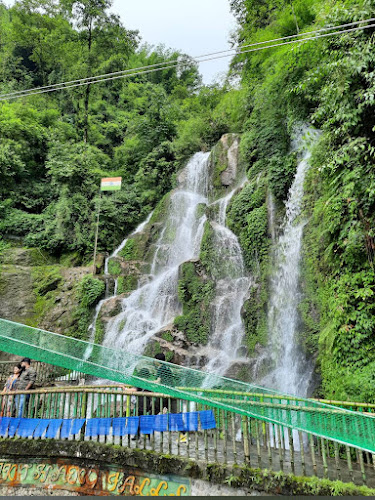
Bakthang Waterfall
About Bakthang Waterfall
Description
Bakthang Waterfall stands as one of Sikkim's most accessible natural wonders, positioned conveniently along the 31A National Highway that leads toward North Sikkim. This cascading beauty draws thousands of visitors each year who come to witness water tumbling down rocky cliffs into a serene pool below. The waterfall creates quite a spectacle, especially during the monsoon months when the flow reaches its peak intensity.
What makes Bakthang particularly appealing to travelers is its roadside location - you don't need to embark on strenuous hikes or complicated treks to reach this natural attraction. The modest footbridge provides an excellent vantage point for photography and quiet contemplation. And honestly, there's something refreshing about finding such beauty without having to plan an entire expedition around it.
The surrounding landscape showcases the typical Sikkimese terrain with lush greenery framing the waterfall on both sides. Local vegetation thrives in the moist environment created by the constant spray from the falls. But visitors should know that the water flow can vary significantly depending on the season - some travelers have reported disappointingly low water levels during drier months.
The site has developed modest infrastructure over the years, including basic facilities and even a short zipline that crosses near the waterfall. This addition has sparked mixed reactions among visitors, with some appreciating the extra adventure element while others prefer the natural, undisturbed experience.
Key Features
Bakthang Waterfall offers several distinctive characteristics that set it apart from other waterfalls in the region:
- Roadside accessibility - No hiking required, making it perfect for families with young children or travelers with mobility concerns
- Natural rock formations - The waterfall cascades over interesting geological structures that create multiple tiers and pools
- Photography opportunities - The footbridge provides stable viewing platforms for capturing the perfect shot
- Adventure element - A short zipline crosses the waterfall area for those seeking a bit more excitement
- Picnic potential - Open spaces around the waterfall allow for impromptu meals and relaxation
- Sound therapy - The constant rush of water creates a naturally calming acoustic environment
- Educational value - Local flora and fauna provide learning opportunities for nature enthusiasts
- Weather resilience - The waterfall remains accessible in most weather conditions, though flow varies seasonally
Best Time to Visit
Timing your visit to Bakthang Waterfall can make the difference between a memorable experience and a disappointing one. The monsoon season from June through September brings the most dramatic water flow, transforming the falls into a thunderous cascade that's truly impressive to witness. During these months, the surrounding vegetation also reaches its most lush state, creating picture-perfect backdrops.
However, monsoon visits come with their own challenges. The increased water flow makes the rocks around the waterfall extremely slippery and potentially dangerous. Rain can also limit visibility and make photography difficult. Plus, the roads leading to the waterfall might become treacherous during heavy downpours.
Post-monsoon months of October and November offer what many consider the sweet spot for visiting. You'll still catch decent water flow from the recent rains, but weather conditions become more predictable and safer for exploration. The air clears up, providing better mountain views in the distance.
Winter visits from December through February present a completely different experience. Water flow decreases significantly, sometimes to just a trickle, but the crisp air and clear skies offer excellent visibility. This season works well for travelers who prioritize comfortable weather over dramatic water displays.
Spring months of March through May provide moderate water flow and pleasant temperatures. This period attracts fewer crowds, allowing for more peaceful contemplation of the natural surroundings. Early morning visits during any season tend to offer the best lighting conditions and cooler temperatures.
How to Get There
Getting to Bakthang Waterfall ranks among the easiest waterfall approaches in Sikkim, which explains its popularity among tourists with limited time or physical constraints. From Gangtok, the journey takes approximately 30-45 minutes by road, depending on traffic conditions and your chosen mode of transportation.
Hiring a taxi from Gangtok remains the most convenient option for most travelers. Local taxi operators are familiar with the route and can often provide additional insights about the area. The fare typically ranges from reasonable to slightly expensive, depending on your negotiation skills and the current fuel prices. Many taxi drivers will wait while you explore the waterfall, making the return journey seamless.
Shared taxis and local buses also service this route, offering budget-friendly alternatives for independent travelers. The bus service runs fairly regularly throughout the day, though schedules can be somewhat unpredictable. And you might find yourself sharing the ride with locals going about their daily business, which can add an authentic cultural element to your journey.
For adventurous travelers with proper licenses, renting a motorcycle or car provides maximum flexibility. The road conditions are generally acceptable, though monsoon seasons can create challenging driving situations. Having your own transportation allows you to explore at your own pace and potentially discover other hidden gems along the route.
The waterfall's location directly alongside the highway means you won't need to worry about finding it - the site is clearly visible from the road, and other tourists usually mark the spot quite obviously.
Tips for Visiting
Smart preparation can transform your Bakthang Waterfall experience from ordinary to exceptional. First and most importantly, wear appropriate footwear with good grip. The area around the waterfall becomes incredibly slippery, even during dry seasons, due to constant moisture from the spray. I've seen too many visitors struggle with inadequate shoes, limiting their ability to explore safely.
Timing your arrival makes a significant difference in both safety and enjoyment. Early morning visits offer the best lighting for photography and fewer crowds for peaceful contemplation. But avoid arriving too early during winter months when morning temperatures can be quite harsh.
Bring layers of clothing regardless of the season. The waterfall area tends to be cooler and more humid than surrounding regions due to the constant water spray. You might start your journey in warm sunshine only to find yourself shivering near the falls without proper preparation.
Exercise extreme caution around the water and rocks. While the waterfall appears inviting, the rocks underneath are treacherous, and the water can be surprisingly cold and swift. Parents should keep close watch on children, as the modest barriers don't provide comprehensive safety coverage.
Photography enthusiasts should protect their equipment from water spray and consider bringing lens cleaning supplies. The mist from the waterfall can quickly coat camera lenses, affecting photo quality. Waterproof cases or covers can save expensive equipment from unexpected splashes.
Pack light snacks and water, especially if you plan to spend extended time at the site. While the location offers basic facilities, having your own refreshments allows for spontaneous picnicking and longer exploration periods.
Be mindful of traffic when exiting your vehicle and crossing the road to reach the waterfall viewing areas. The highway sees regular vehicle movement, and drivers might not expect pedestrians in this area. Stay alert and cross carefully.
Consider combining your waterfall visit with other nearby attractions to maximize your travel time and expenses. The route to North Sikkim passes several interesting stops that can easily be incorporated into a day-long adventure.
Finally, manage your expectations based on the season. Some visitors arrive expecting dramatic cascades year-round, only to find modest water flow during dry periods. Research recent weather conditions or ask locals about current water levels before making the trip.
Key Features
- Key Features
- Best Time to Visit
- How to Get There
- Tips for Visiting
More Details
Updated September 11, 2025
Table of Contents
Description
Bakthang Waterfall stands as one of Sikkim’s most accessible natural wonders, positioned conveniently along the 31A National Highway that leads toward North Sikkim. This cascading beauty draws thousands of visitors each year who come to witness water tumbling down rocky cliffs into a serene pool below. The waterfall creates quite a spectacle, especially during the monsoon months when the flow reaches its peak intensity.
What makes Bakthang particularly appealing to travelers is its roadside location – you don’t need to embark on strenuous hikes or complicated treks to reach this natural attraction. The modest footbridge provides an excellent vantage point for photography and quiet contemplation. And honestly, there’s something refreshing about finding such beauty without having to plan an entire expedition around it.
The surrounding landscape showcases the typical Sikkimese terrain with lush greenery framing the waterfall on both sides. Local vegetation thrives in the moist environment created by the constant spray from the falls. But visitors should know that the water flow can vary significantly depending on the season – some travelers have reported disappointingly low water levels during drier months.
The site has developed modest infrastructure over the years, including basic facilities and even a short zipline that crosses near the waterfall. This addition has sparked mixed reactions among visitors, with some appreciating the extra adventure element while others prefer the natural, undisturbed experience.
Key Features
Bakthang Waterfall offers several distinctive characteristics that set it apart from other waterfalls in the region:
- Roadside accessibility – No hiking required, making it perfect for families with young children or travelers with mobility concerns
- Natural rock formations – The waterfall cascades over interesting geological structures that create multiple tiers and pools
- Photography opportunities – The footbridge provides stable viewing platforms for capturing the perfect shot
- Adventure element – A short zipline crosses the waterfall area for those seeking a bit more excitement
- Picnic potential – Open spaces around the waterfall allow for impromptu meals and relaxation
- Sound therapy – The constant rush of water creates a naturally calming acoustic environment
- Educational value – Local flora and fauna provide learning opportunities for nature enthusiasts
- Weather resilience – The waterfall remains accessible in most weather conditions, though flow varies seasonally
Best Time to Visit
Timing your visit to Bakthang Waterfall can make the difference between a memorable experience and a disappointing one. The monsoon season from June through September brings the most dramatic water flow, transforming the falls into a thunderous cascade that’s truly impressive to witness. During these months, the surrounding vegetation also reaches its most lush state, creating picture-perfect backdrops.
However, monsoon visits come with their own challenges. The increased water flow makes the rocks around the waterfall extremely slippery and potentially dangerous. Rain can also limit visibility and make photography difficult. Plus, the roads leading to the waterfall might become treacherous during heavy downpours.
Post-monsoon months of October and November offer what many consider the sweet spot for visiting. You’ll still catch decent water flow from the recent rains, but weather conditions become more predictable and safer for exploration. The air clears up, providing better mountain views in the distance.
Winter visits from December through February present a completely different experience. Water flow decreases significantly, sometimes to just a trickle, but the crisp air and clear skies offer excellent visibility. This season works well for travelers who prioritize comfortable weather over dramatic water displays.
Spring months of March through May provide moderate water flow and pleasant temperatures. This period attracts fewer crowds, allowing for more peaceful contemplation of the natural surroundings. Early morning visits during any season tend to offer the best lighting conditions and cooler temperatures.
How to Get There
Getting to Bakthang Waterfall ranks among the easiest waterfall approaches in Sikkim, which explains its popularity among tourists with limited time or physical constraints. From Gangtok, the journey takes approximately 30-45 minutes by road, depending on traffic conditions and your chosen mode of transportation.
Hiring a taxi from Gangtok remains the most convenient option for most travelers. Local taxi operators are familiar with the route and can often provide additional insights about the area. The fare typically ranges from reasonable to slightly expensive, depending on your negotiation skills and the current fuel prices. Many taxi drivers will wait while you explore the waterfall, making the return journey seamless.
Shared taxis and local buses also service this route, offering budget-friendly alternatives for independent travelers. The bus service runs fairly regularly throughout the day, though schedules can be somewhat unpredictable. And you might find yourself sharing the ride with locals going about their daily business, which can add an authentic cultural element to your journey.
For adventurous travelers with proper licenses, renting a motorcycle or car provides maximum flexibility. The road conditions are generally acceptable, though monsoon seasons can create challenging driving situations. Having your own transportation allows you to explore at your own pace and potentially discover other hidden gems along the route.
The waterfall’s location directly alongside the highway means you won’t need to worry about finding it – the site is clearly visible from the road, and other tourists usually mark the spot quite obviously.
Tips for Visiting
Smart preparation can transform your Bakthang Waterfall experience from ordinary to exceptional. First and most importantly, wear appropriate footwear with good grip. The area around the waterfall becomes incredibly slippery, even during dry seasons, due to constant moisture from the spray. I’ve seen too many visitors struggle with inadequate shoes, limiting their ability to explore safely.
Timing your arrival makes a significant difference in both safety and enjoyment. Early morning visits offer the best lighting for photography and fewer crowds for peaceful contemplation. But avoid arriving too early during winter months when morning temperatures can be quite harsh.
Bring layers of clothing regardless of the season. The waterfall area tends to be cooler and more humid than surrounding regions due to the constant water spray. You might start your journey in warm sunshine only to find yourself shivering near the falls without proper preparation.
Exercise extreme caution around the water and rocks. While the waterfall appears inviting, the rocks underneath are treacherous, and the water can be surprisingly cold and swift. Parents should keep close watch on children, as the modest barriers don’t provide comprehensive safety coverage.
Photography enthusiasts should protect their equipment from water spray and consider bringing lens cleaning supplies. The mist from the waterfall can quickly coat camera lenses, affecting photo quality. Waterproof cases or covers can save expensive equipment from unexpected splashes.
Pack light snacks and water, especially if you plan to spend extended time at the site. While the location offers basic facilities, having your own refreshments allows for spontaneous picnicking and longer exploration periods.
Be mindful of traffic when exiting your vehicle and crossing the road to reach the waterfall viewing areas. The highway sees regular vehicle movement, and drivers might not expect pedestrians in this area. Stay alert and cross carefully.
Consider combining your waterfall visit with other nearby attractions to maximize your travel time and expenses. The route to North Sikkim passes several interesting stops that can easily be incorporated into a day-long adventure.
Finally, manage your expectations based on the season. Some visitors arrive expecting dramatic cascades year-round, only to find modest water flow during dry periods. Research recent weather conditions or ask locals about current water levels before making the trip.
Key Highlights
- Key Features
- Best Time to Visit
- How to Get There
- Tips for Visiting
Location
Places to Stay Near Bakthang Waterfall
Find and Book a Tour
Explore More Travel Guides
No reviews found! Be the first to review!
Traveler Reviews for Bakthang Waterfall
There are no reviews yet. Be the first one to write one.
Have you visited Bakthang Waterfall? Help other travelers by sharing your review.
You Might Also Like

Deltin Denzong | Casino in Sikkim

Ranka Ani gumpa east Sikkim
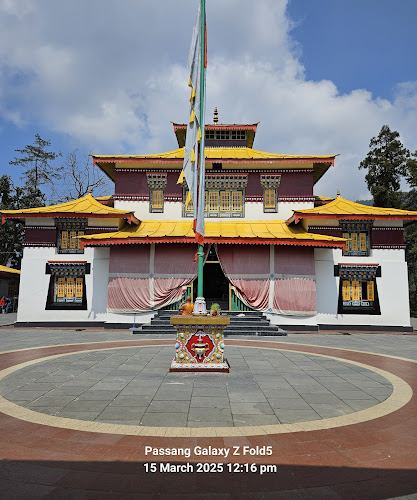
Enchey Monastery
Find Accommodations Nearby
Recommended Tours & Activities
Visitor Reviews
There are no reviews yet. Be the first one to write one.
Share Your Experience
Have you visited Bakthang Waterfall? Help other travelers by leaving a review.