
Regional Historical Museum Pleven
About Regional Historical Museum Pleven
Description
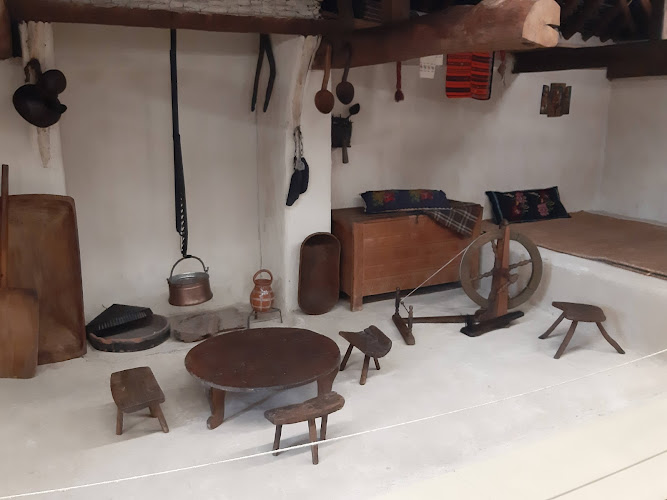
The Regional Historical Museum in Pleven is one of those places that quietly surprises you. From the outside, it looks like a stately two-story building, but once you step inside, it feels like you’ve opened a door to centuries of stories. Founded back in 1953, the museum has grown into one of Bulgaria’s biggest cultural institutions, holding more than 180,000 artifacts. That’s not just a number—it’s a whole world of history, from ancient Roman ruins to the more recent struggles and triumphs of the region. The building itself is a cultural monument of national importance, which makes wandering its halls feel even more meaningful.
What struck me most when I first visited was the mix of themes. One moment you’re staring at delicate Thracian jewelry, the next you’re looking at fossils that remind you just how old and layered the earth beneath Pleven really is. And then, tucked into another corner, you’ll find military relics that tell the story of battles that shaped modern Bulgaria. It’s not a flashy museum with high-tech screens everywhere, but it doesn’t need to be. The artifacts speak for themselves. Some visitors may find the displays a bit traditional, but for me, that slower, more grounded approach makes you notice details you might otherwise rush past.
Families often bring their kids here, and it makes sense—the museum is both educational and engaging without being overwhelming. It’s also fully accessible, with wheelchair-friendly entrances, restrooms, and parking, which is something I personally appreciate seeing in cultural institutions. Sure, not everything is perfect. Some exhibits could use updated descriptions, and not every hall has the same wow factor. But overall, the experience feels genuine, like the museum is more about preserving and sharing history than putting on a show. And honestly, that’s refreshing in its own way.
Key Features
- More than 180,000 artifacts covering archaeology, ethnography, natural history, and modern history
- Exhibits on the Roman town of Ulpia Oescus and Thracian culture
- Military collections related to the Russo-Turkish War and the Siege of Pleven
- Natural history specimens including fossils, flora, and fauna of the region
- Two spacious halls that allow for both permanent and temporary exhibitions
- Wheelchair accessible facilities including entrance, restrooms, and parking
- Good for families and children with engaging displays
Best Time to Visit
If you’re planning a trip, the best time to explore the museum is late spring or early autumn. The weather in Pleven during these months is pleasant enough to enjoy both the museum and the surrounding city without the extremes of summer heat or winter chill. I once visited in July, and while the museum itself was a cool escape from the sun, walking around the city afterward felt like stepping into an oven. On the other hand, a friend of mine went in November and said the crisp air outside made the cozy atmosphere inside the museum even more enjoyable. So really, it depends on what kind of vibe you’re going for, but I’d say May and September hit that sweet spot.
Weekdays are usually quieter, which means you can take your time without weaving through big groups. Weekends, especially in summer, tend to draw more visitors, so if you like a bit of buzz and atmosphere, that might be your moment. Personally, I like going when it’s less crowded so I can linger in front of the exhibits without feeling like I’m in someone’s way.
How to Get There
Pleven is well connected by road and rail, so reaching the museum isn’t complicated. If you’re coming from Sofia, the train ride takes about two hours and drops you fairly close to the city center. From there, it’s just a short walk or taxi ride to the museum. Driving is another option, and the roads are straightforward, though parking in the city center can sometimes be a bit of a headache—so plan for that. I once drove in on a busy Saturday afternoon and spent more time circling for parking than I did getting there from the highway.
Public buses also run within the city, and they’re cheap and easy to use if you don’t mind figuring out the routes. Honestly, though, Pleven is a very walkable city, and if you’re staying nearby, you can simply stroll over. That’s what I did on my second visit, and it gave me the chance to discover a few little cafés and shops on the way that I probably wouldn’t have noticed otherwise.
Tips for Visiting
Here are a few things I wish I knew before my first visit:
- Take your time: The museum is bigger than it looks, and if you rush through, you’ll miss some gems tucked away in side rooms.
- Bring cash: Entry fees are usually small, but not every counter in Bulgaria takes cards, so it’s good to have some leva on hand.
- Check for temporary exhibitions: Sometimes there are special displays that only run for a limited time, and they’re often worth the extra attention.
- Combine with nearby attractions: The museum is close to other landmarks in Pleven, so you can easily make a day of it.
- Go with kids if you have them: The mix of natural history and archaeology can really spark their curiosity, and there’s enough variety to keep them engaged.
- Photography rules: Be mindful—some areas allow photos, others don’t. Always check before snapping away.
Above all, go in with an open mind. The Regional Historical Museum in Pleven isn’t about glitz or gimmicks. It’s about immersing yourself in the layers of history that shaped not just the city, but Bulgaria as a whole. And if you give it the time it deserves, you’ll walk out not just with knowledge, but with a deeper appreciation of the region’s cultural roots. For me, that’s what makes it worth the visit every single time.
Key Features
- More than 180,000 artifacts covering archaeology, ethnography, natural history, and modern history
- Exhibits on the Roman town of Ulpia Oescus and Thracian culture
- Military collections related to the Russo-Turkish War and the Siege of Pleven
- Natural history specimens including fossils, flora, and fauna of the region
- Two spacious halls that allow for both permanent and temporary exhibitions
- Wheelchair accessible facilities including entrance, restrooms, and parking
- Good for families and children with engaging displays
More Details
Updated September 10, 2025
Table of Contents
Description
The Regional Historical Museum in Pleven is one of those places that quietly surprises you. From the outside, it looks like a stately two-story building, but once you step inside, it feels like you’ve opened a door to centuries of stories. Founded back in 1953, the museum has grown into one of Bulgaria’s biggest cultural institutions, holding more than 180,000 artifacts. That’s not just a number—it’s a whole world of history, from ancient Roman ruins to the more recent struggles and triumphs of the region. The building itself is a cultural monument of national importance, which makes wandering its halls feel even more meaningful.
What struck me most when I first visited was the mix of themes. One moment you’re staring at delicate Thracian jewelry, the next you’re looking at fossils that remind you just how old and layered the earth beneath Pleven really is. And then, tucked into another corner, you’ll find military relics that tell the story of battles that shaped modern Bulgaria. It’s not a flashy museum with high-tech screens everywhere, but it doesn’t need to be. The artifacts speak for themselves. Some visitors may find the displays a bit traditional, but for me, that slower, more grounded approach makes you notice details you might otherwise rush past.
Families often bring their kids here, and it makes sense—the museum is both educational and engaging without being overwhelming. It’s also fully accessible, with wheelchair-friendly entrances, restrooms, and parking, which is something I personally appreciate seeing in cultural institutions. Sure, not everything is perfect. Some exhibits could use updated descriptions, and not every hall has the same wow factor. But overall, the experience feels genuine, like the museum is more about preserving and sharing history than putting on a show. And honestly, that’s refreshing in its own way.
Key Features
- More than 180,000 artifacts covering archaeology, ethnography, natural history, and modern history
- Exhibits on the Roman town of Ulpia Oescus and Thracian culture
- Military collections related to the Russo-Turkish War and the Siege of Pleven
- Natural history specimens including fossils, flora, and fauna of the region
- Two spacious halls that allow for both permanent and temporary exhibitions
- Wheelchair accessible facilities including entrance, restrooms, and parking
- Good for families and children with engaging displays
Best Time to Visit
If you’re planning a trip, the best time to explore the museum is late spring or early autumn. The weather in Pleven during these months is pleasant enough to enjoy both the museum and the surrounding city without the extremes of summer heat or winter chill. I once visited in July, and while the museum itself was a cool escape from the sun, walking around the city afterward felt like stepping into an oven. On the other hand, a friend of mine went in November and said the crisp air outside made the cozy atmosphere inside the museum even more enjoyable. So really, it depends on what kind of vibe you’re going for, but I’d say May and September hit that sweet spot.
Weekdays are usually quieter, which means you can take your time without weaving through big groups. Weekends, especially in summer, tend to draw more visitors, so if you like a bit of buzz and atmosphere, that might be your moment. Personally, I like going when it’s less crowded so I can linger in front of the exhibits without feeling like I’m in someone’s way.
How to Get There
Pleven is well connected by road and rail, so reaching the museum isn’t complicated. If you’re coming from Sofia, the train ride takes about two hours and drops you fairly close to the city center. From there, it’s just a short walk or taxi ride to the museum. Driving is another option, and the roads are straightforward, though parking in the city center can sometimes be a bit of a headache—so plan for that. I once drove in on a busy Saturday afternoon and spent more time circling for parking than I did getting there from the highway.
Public buses also run within the city, and they’re cheap and easy to use if you don’t mind figuring out the routes. Honestly, though, Pleven is a very walkable city, and if you’re staying nearby, you can simply stroll over. That’s what I did on my second visit, and it gave me the chance to discover a few little cafés and shops on the way that I probably wouldn’t have noticed otherwise.
Tips for Visiting
Here are a few things I wish I knew before my first visit:
- Take your time: The museum is bigger than it looks, and if you rush through, you’ll miss some gems tucked away in side rooms.
- Bring cash: Entry fees are usually small, but not every counter in Bulgaria takes cards, so it’s good to have some leva on hand.
- Check for temporary exhibitions: Sometimes there are special displays that only run for a limited time, and they’re often worth the extra attention.
- Combine with nearby attractions: The museum is close to other landmarks in Pleven, so you can easily make a day of it.
- Go with kids if you have them: The mix of natural history and archaeology can really spark their curiosity, and there’s enough variety to keep them engaged.
- Photography rules: Be mindful—some areas allow photos, others don’t. Always check before snapping away.
Above all, go in with an open mind. The Regional Historical Museum in Pleven isn’t about glitz or gimmicks. It’s about immersing yourself in the layers of history that shaped not just the city, but Bulgaria as a whole. And if you give it the time it deserves, you’ll walk out not just with knowledge, but with a deeper appreciation of the region’s cultural roots. For me, that’s what makes it worth the visit every single time.
Key Highlights
- More than 180,000 artifacts covering archaeology, ethnography, natural history, and modern history
- Exhibits on the Roman town of Ulpia Oescus and Thracian culture
- Military collections related to the Russo-Turkish War and the Siege of Pleven
- Natural history specimens including fossils, flora, and fauna of the region
- Two spacious halls that allow for both permanent and temporary exhibitions
- Wheelchair accessible facilities including entrance, restrooms, and parking
- Good for families and children with engaging displays
Location
Places to Stay Near Regional Historical Museum Pleven
Find and Book a Tour
Explore More Travel Guides
No reviews found! Be the first to review!
Traveler Reviews for Regional Historical Museum Pleven
There are no reviews yet. Be the first one to write one.
Have you visited Regional Historical Museum Pleven? Help other travelers by sharing your review.
You Might Also Like
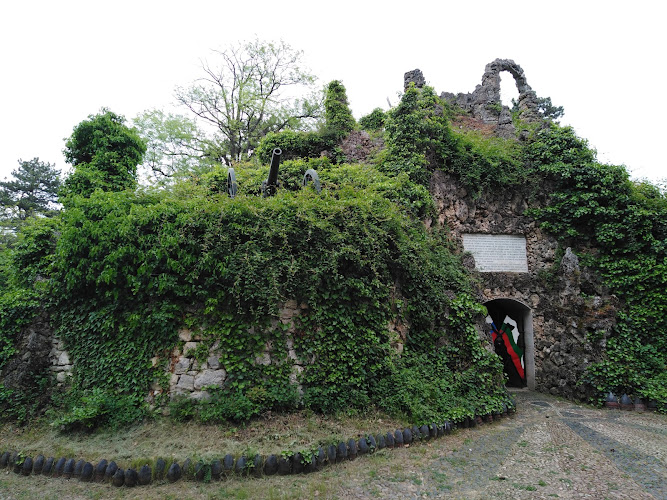
Skobelev Park
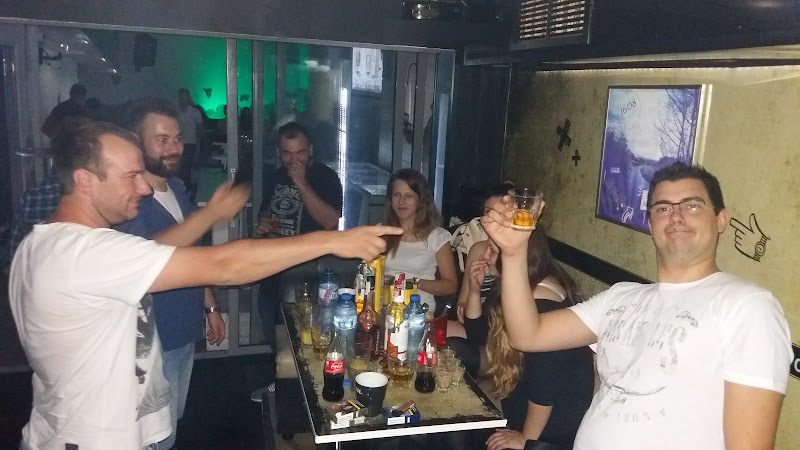
Stereo Club

Еконт логистичен център Плевен
Find Accommodations Nearby
Recommended Tours & Activities
Visitor Reviews
There are no reviews yet. Be the first one to write one.
Share Your Experience
Have you visited Regional Historical Museum Pleven? Help other travelers by leaving a review.